
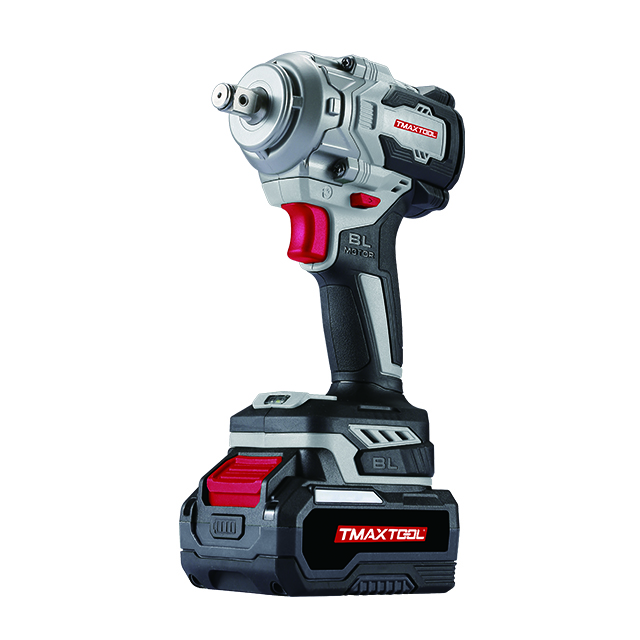
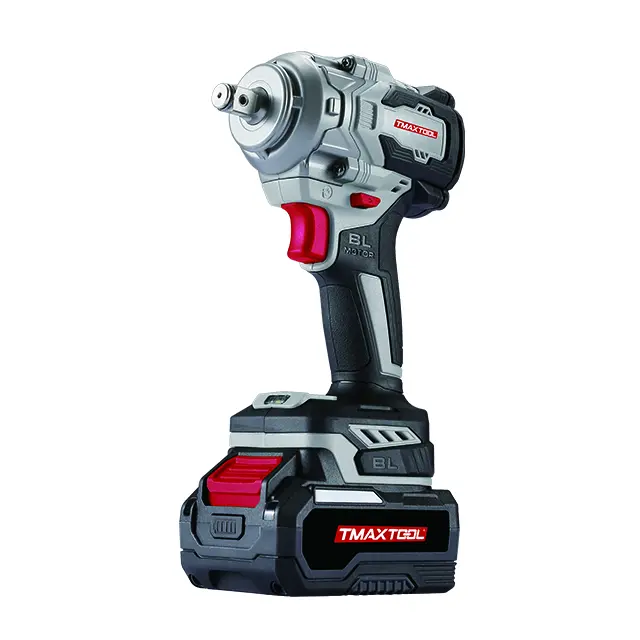
 Impact Wrench
  Screwdriver
 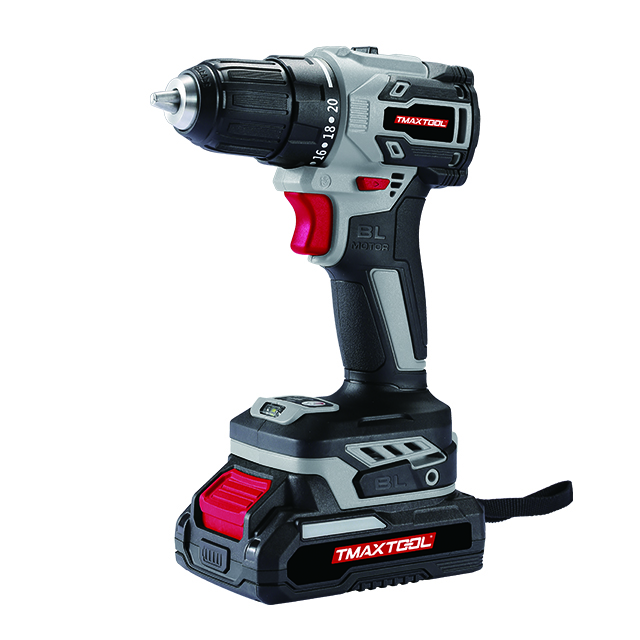 Cordless Drill
  Angle Grinder
 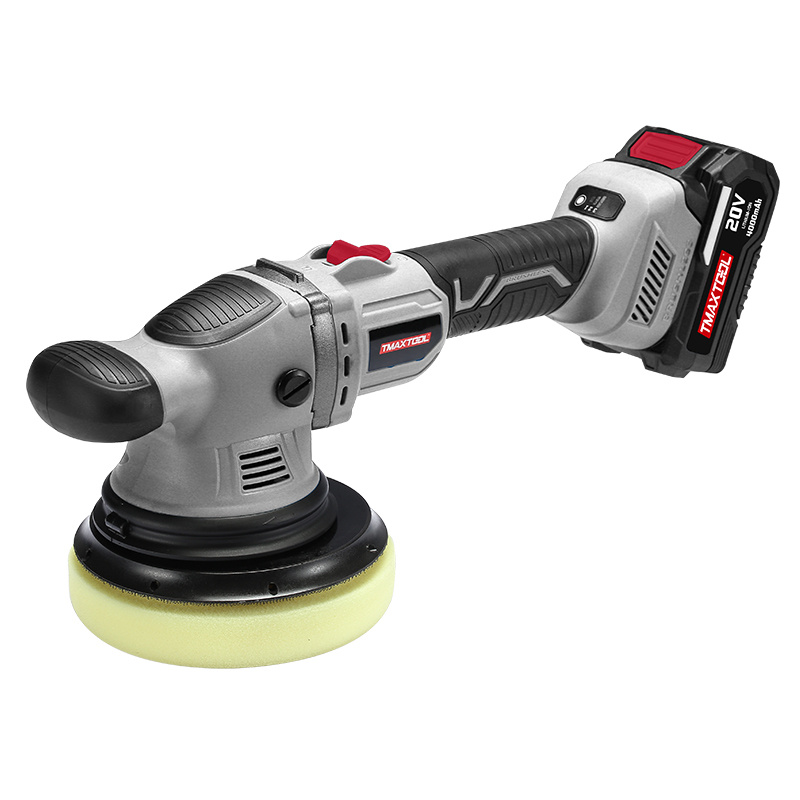 Polisher
 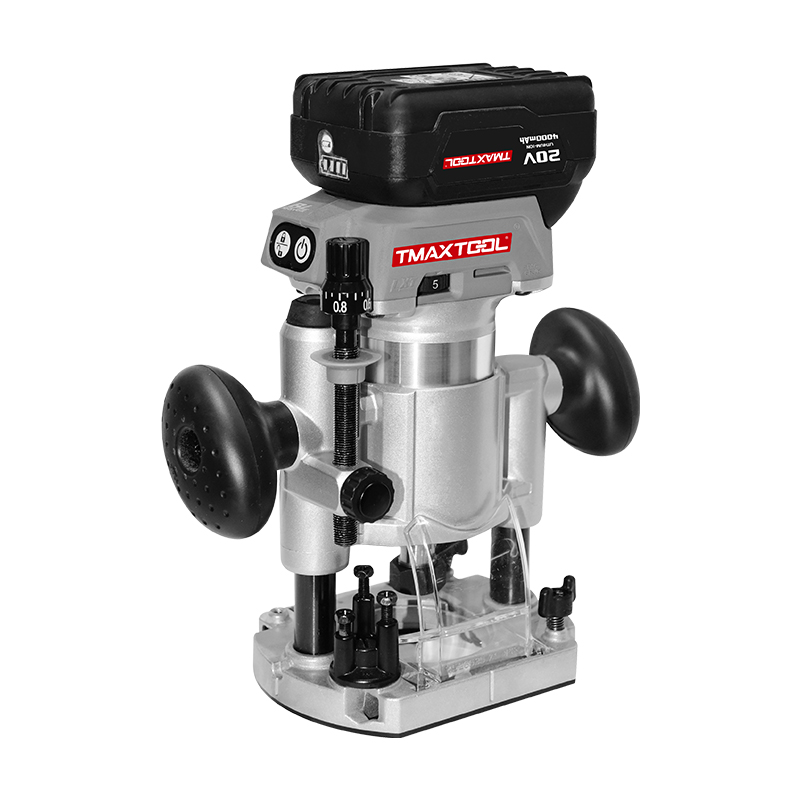 Wood Router
 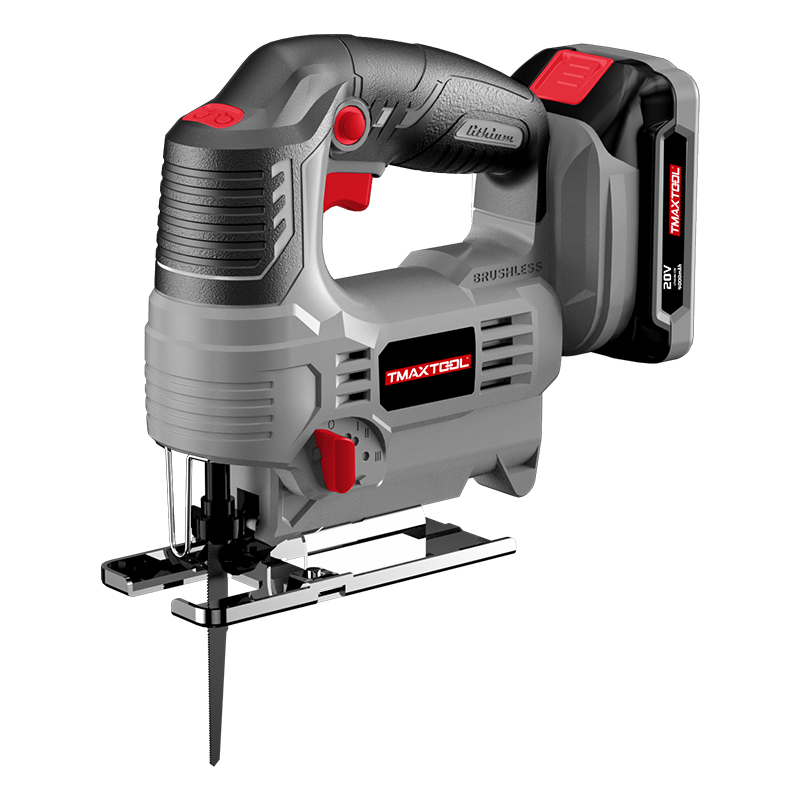 Jig Saw
  Hammer Drill
 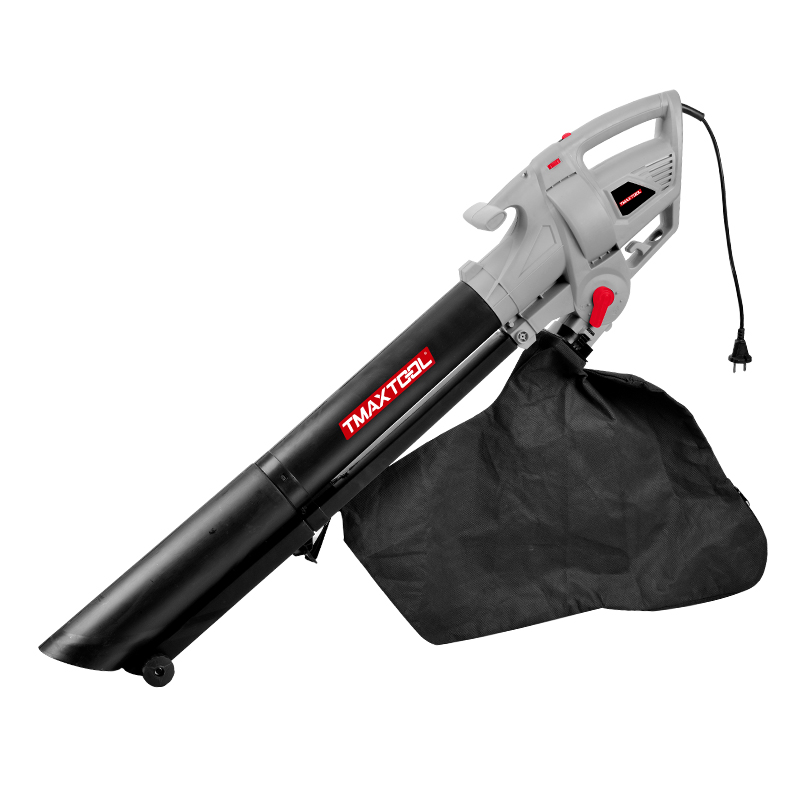 Portable Blower
  Orbital Sander
 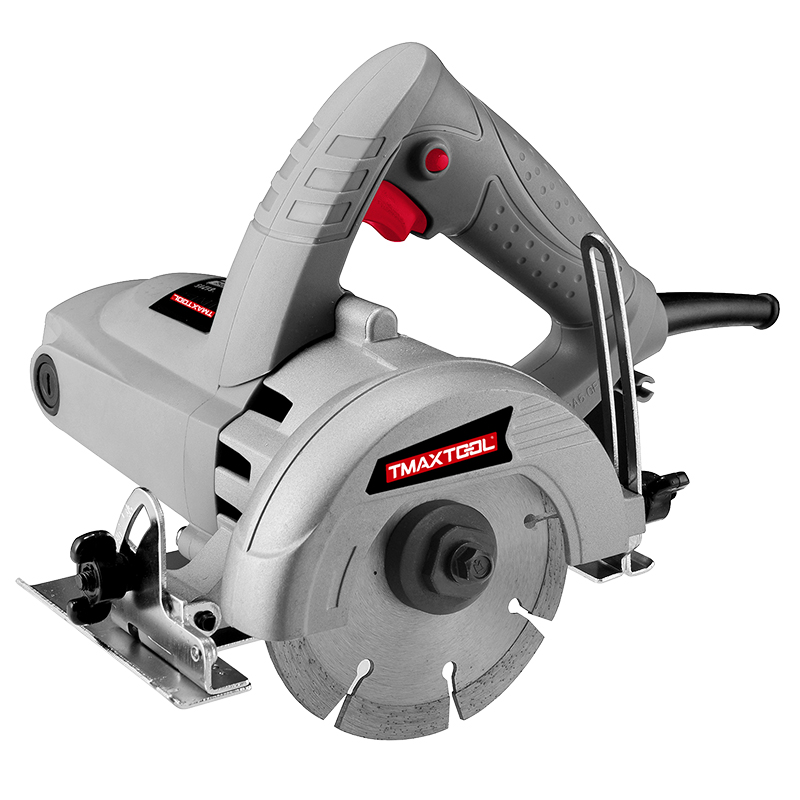 Marble Cutter
  GARDEN TOOLS
 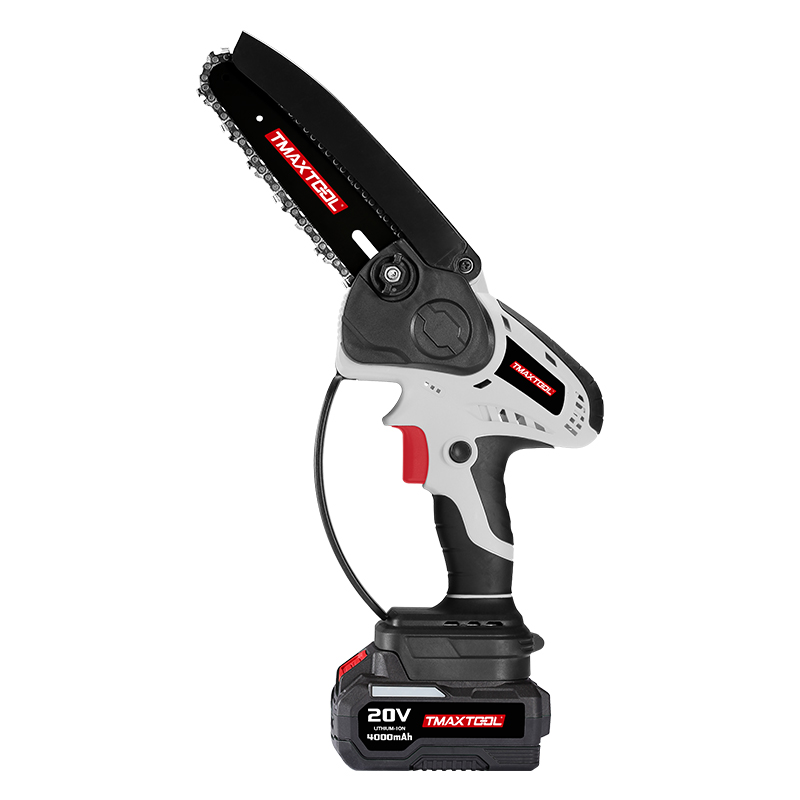 Battery Chain Saw
 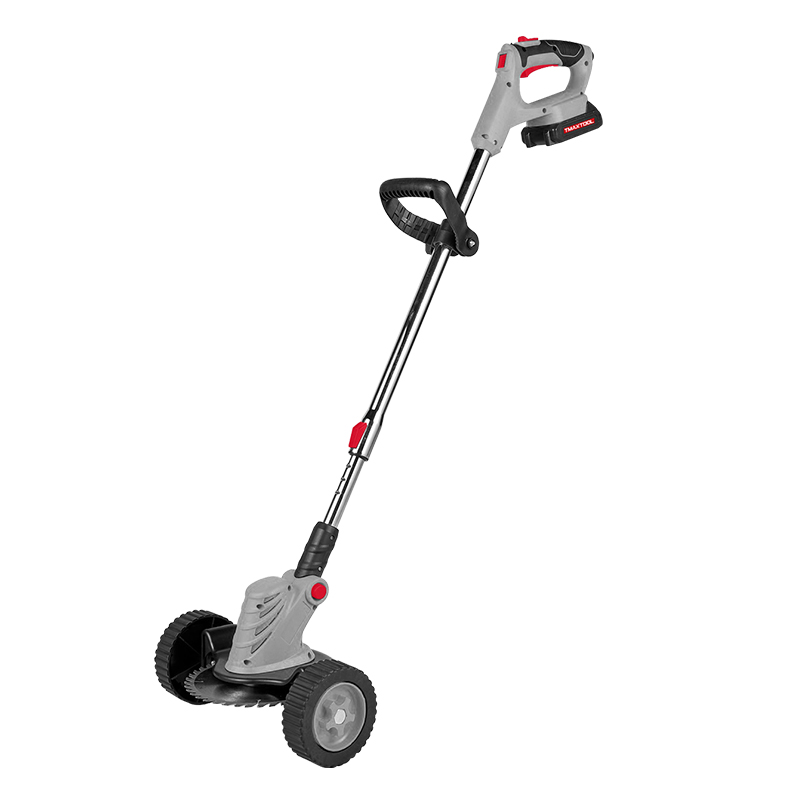 Battery Brush Cutter
 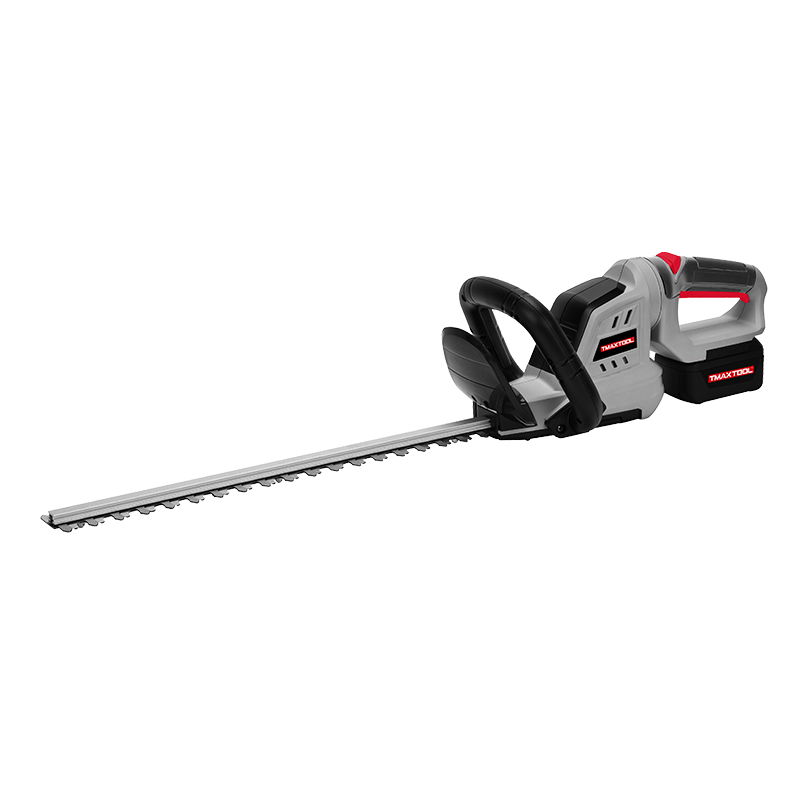 Battery Hedge Trimmer
 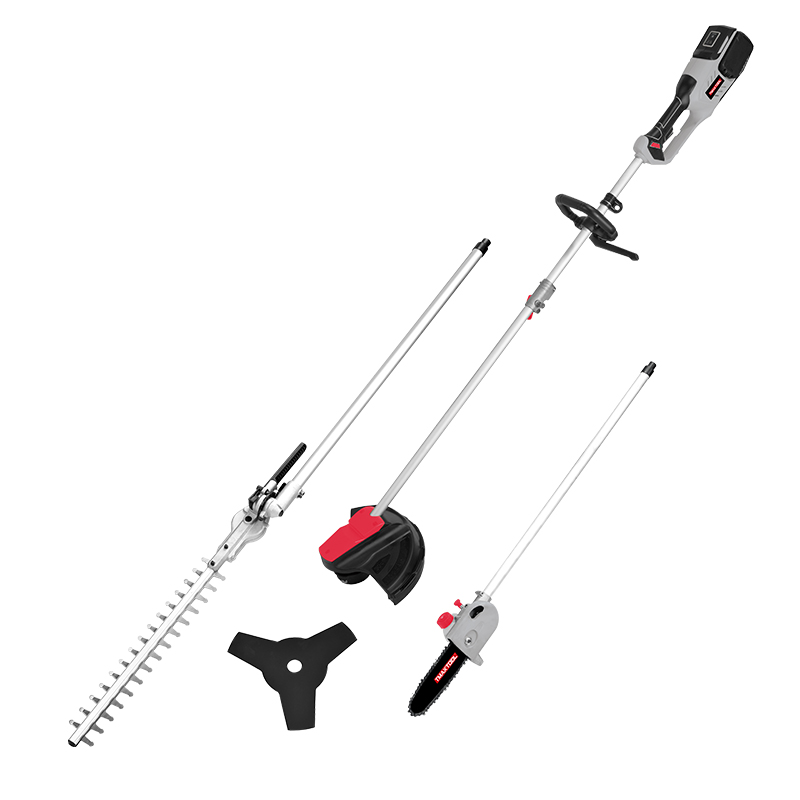 Battery Multi Tool
 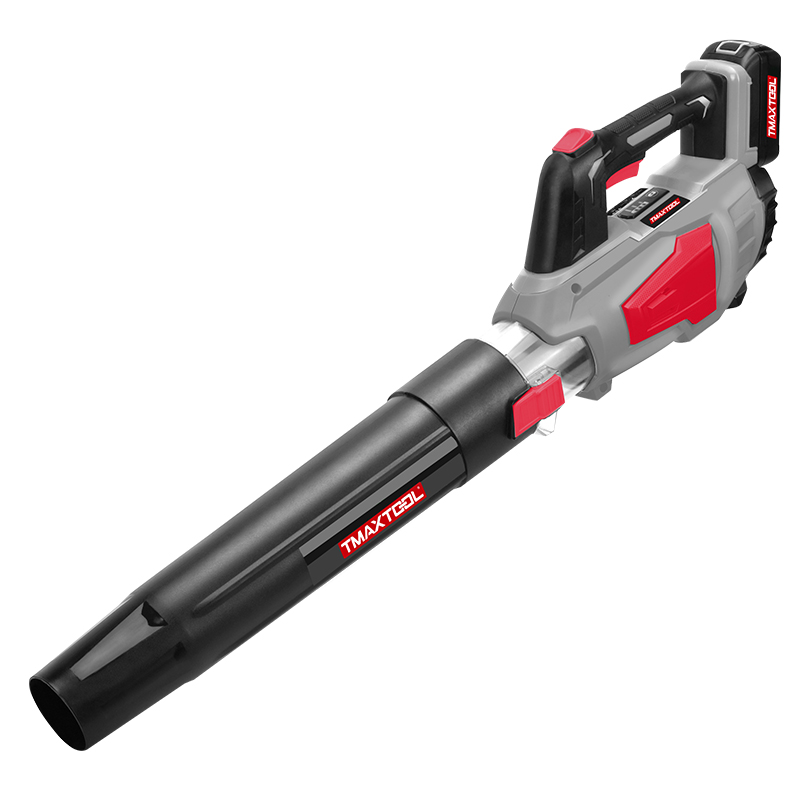 Battery Blower
 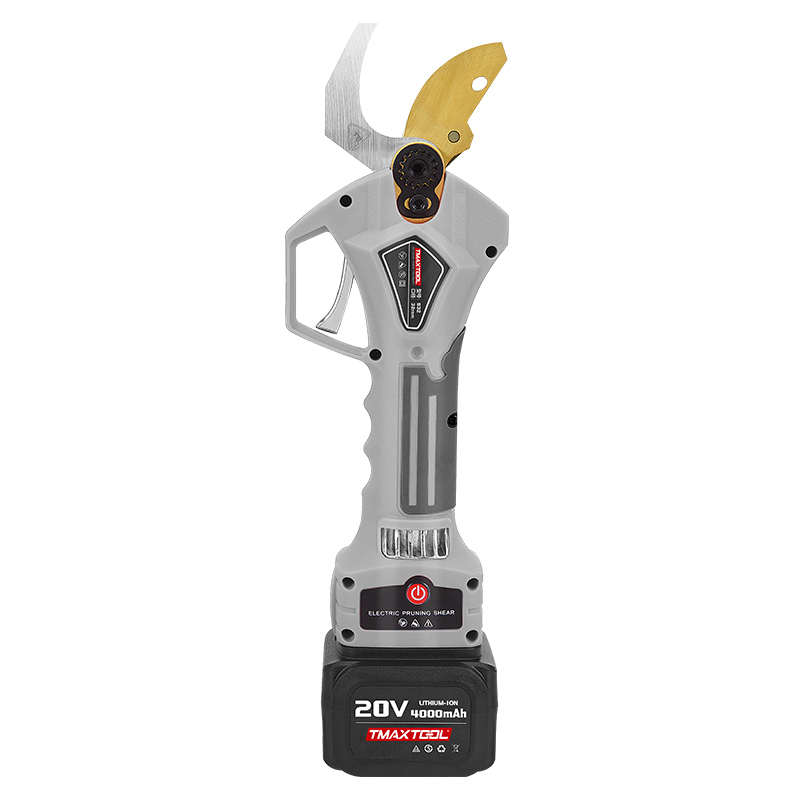 Batter Pruning Shears
 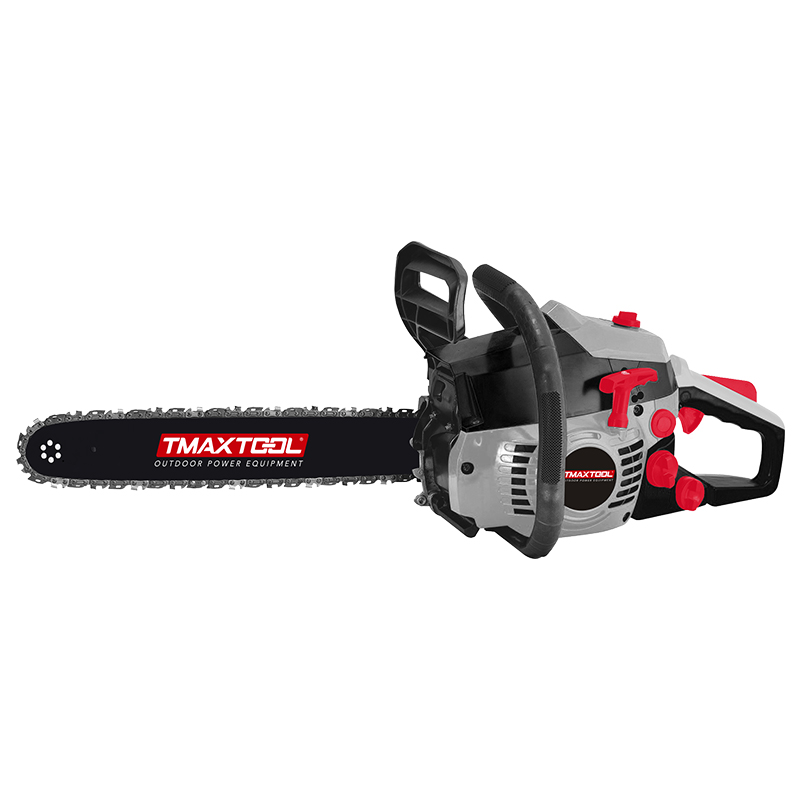 Chain Saw
 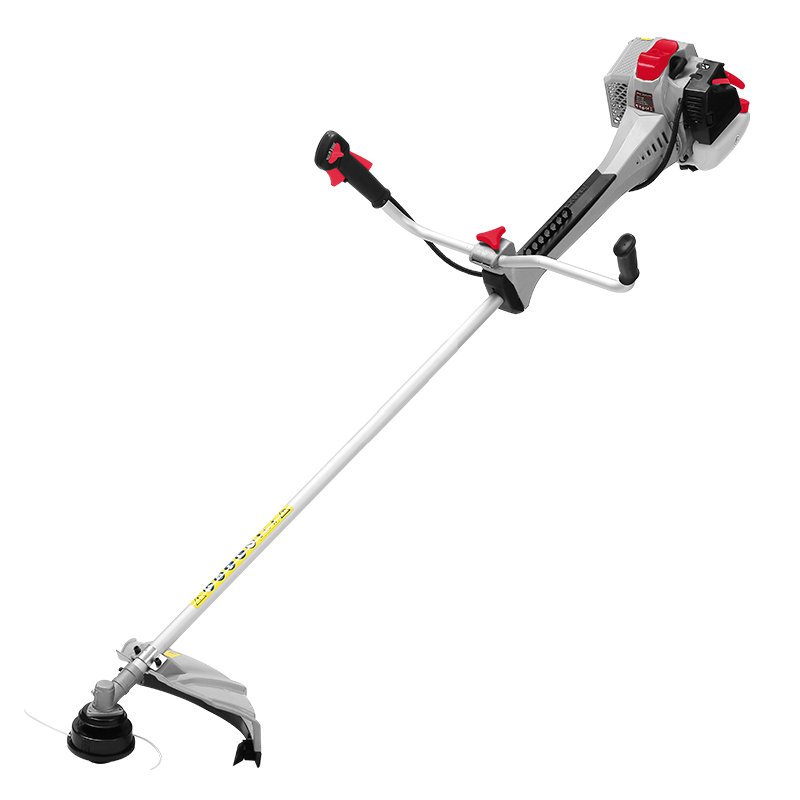 Brush Cutter
 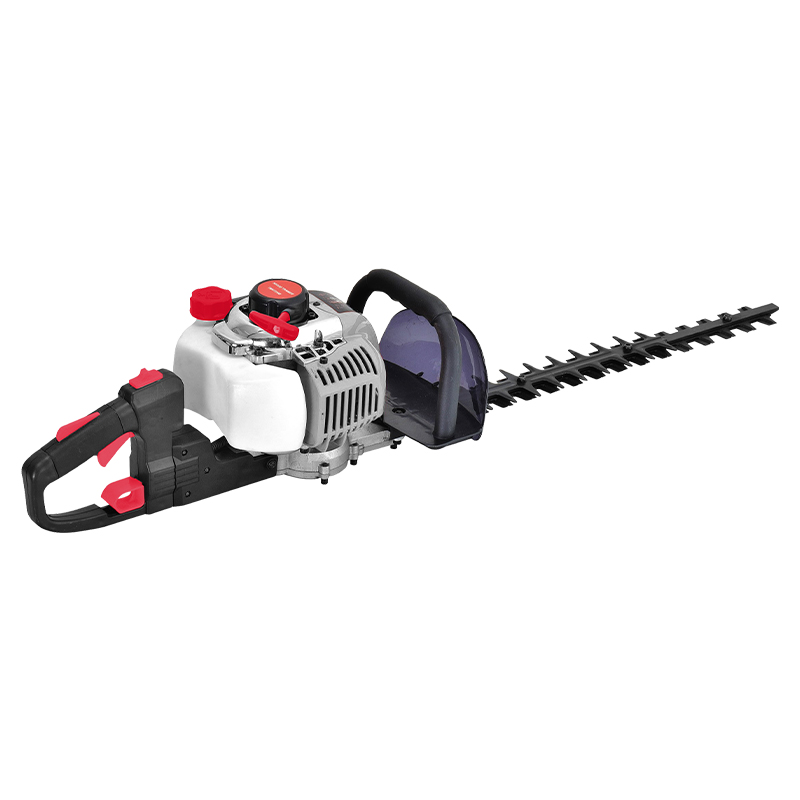 Hedge Trimmer
 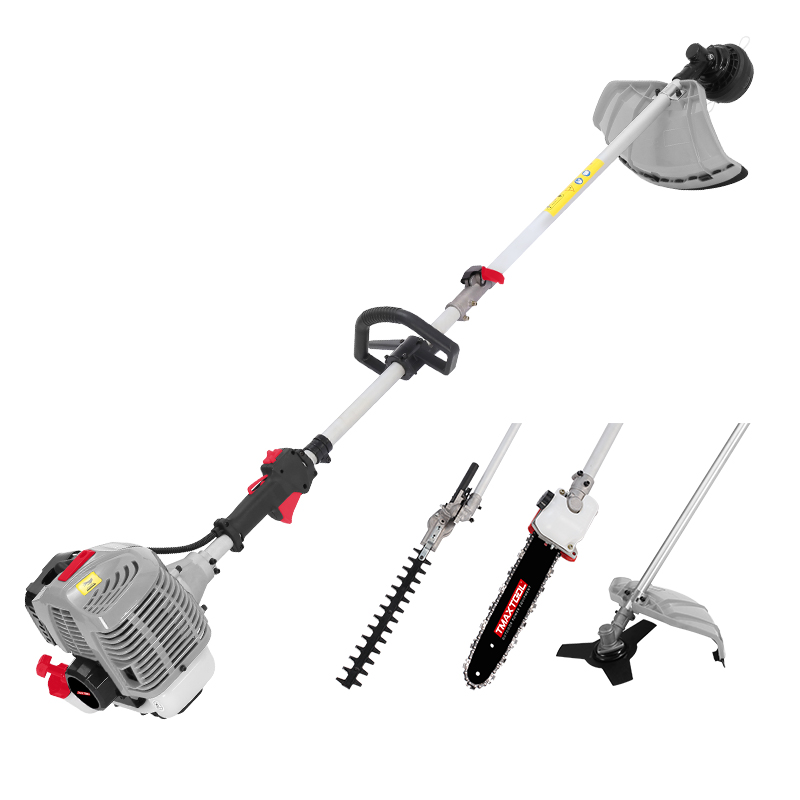 Multi Tool
 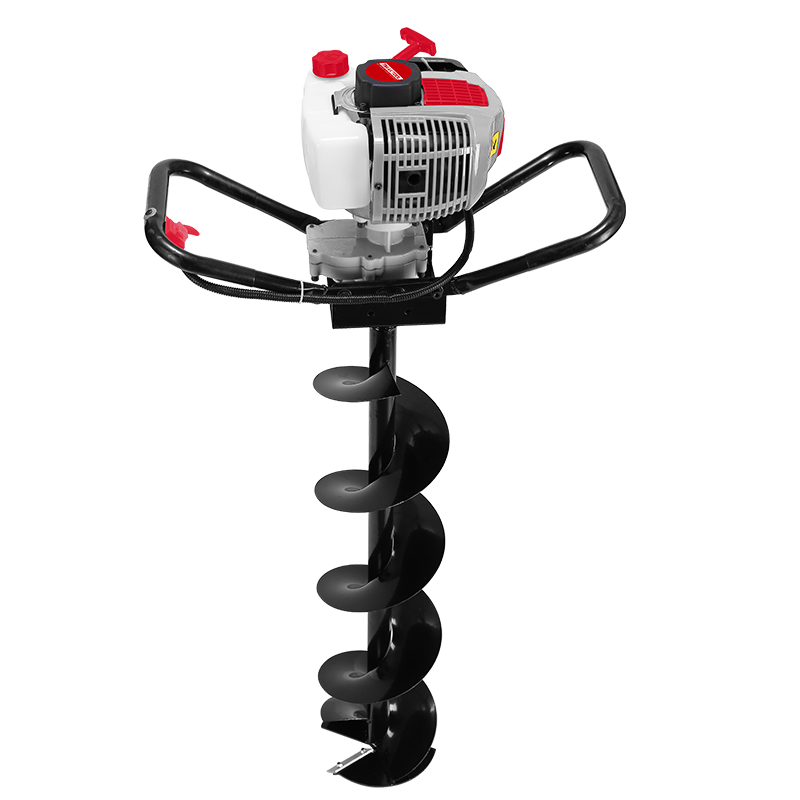 Earth Auger
 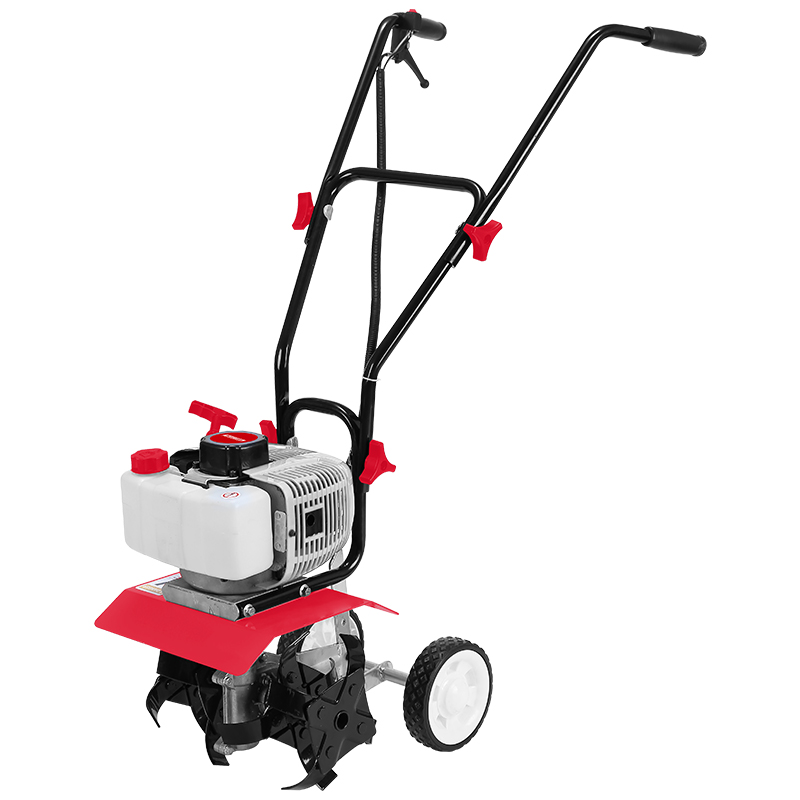 Tiller
 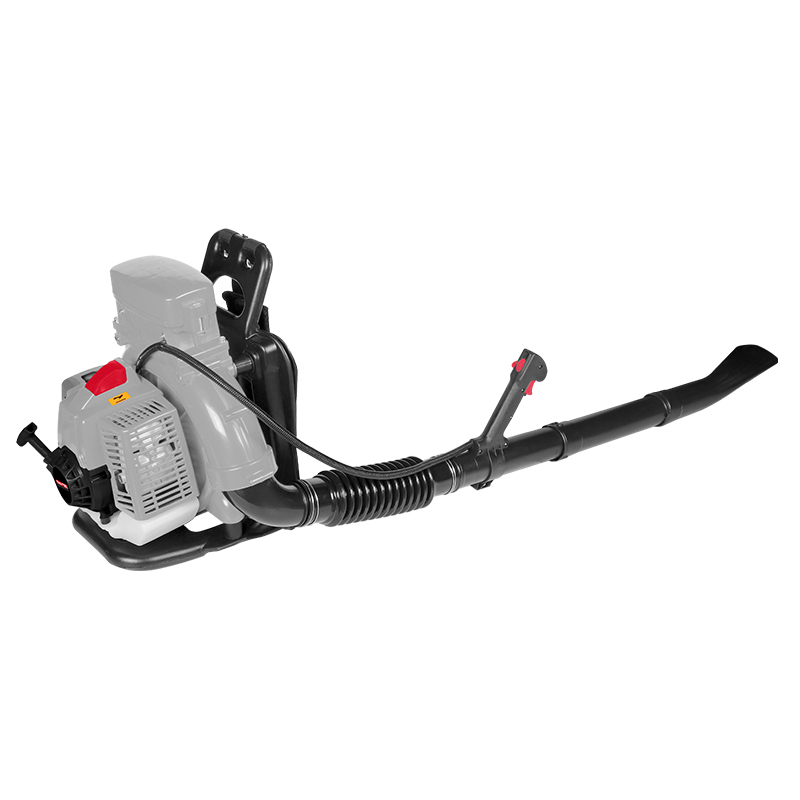 Blower
 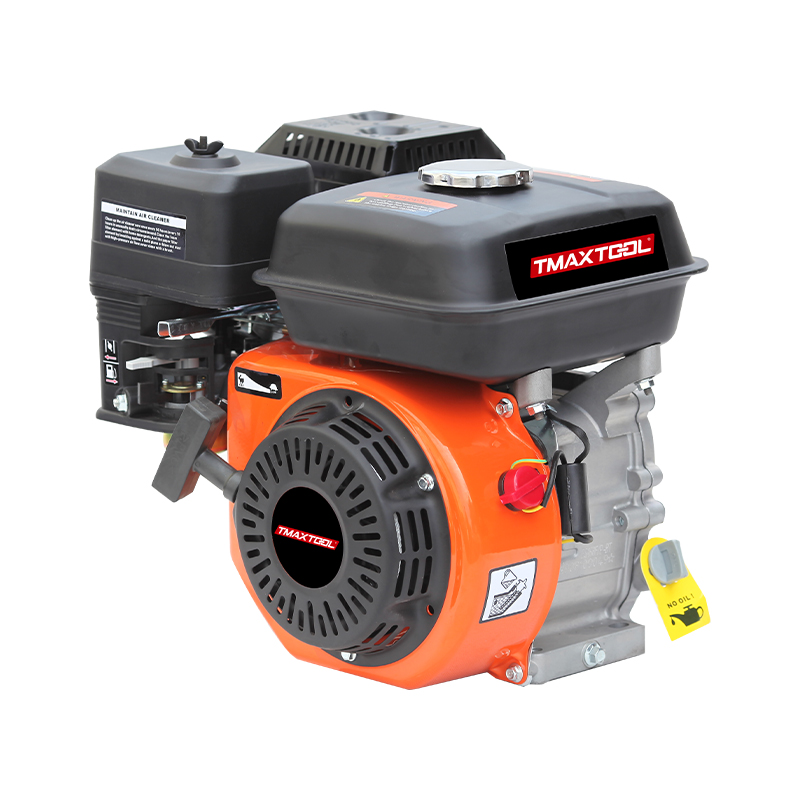 4 Stroke Gasoline Engine
 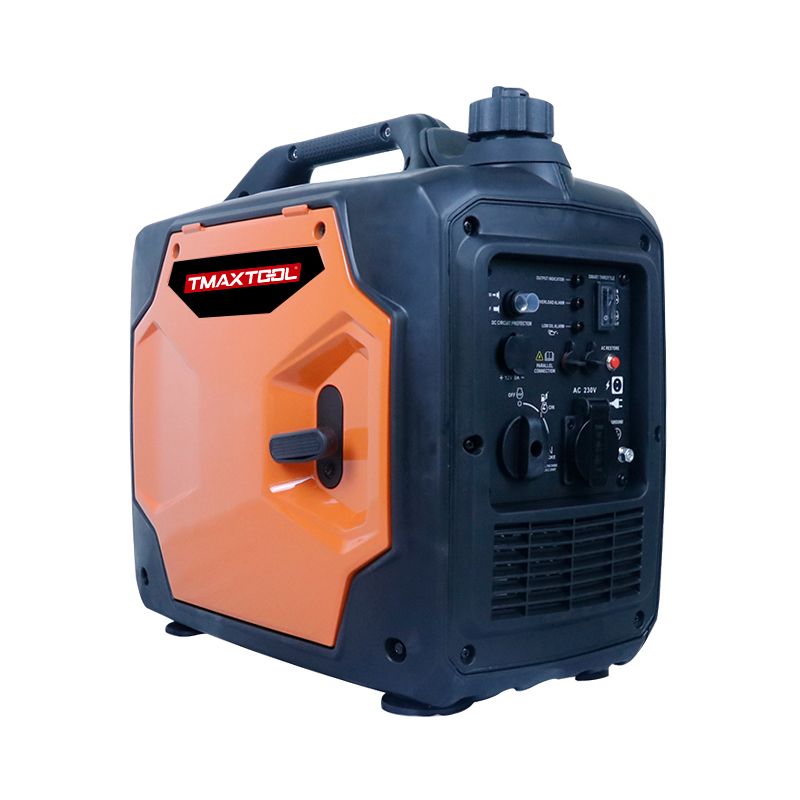 Generator
 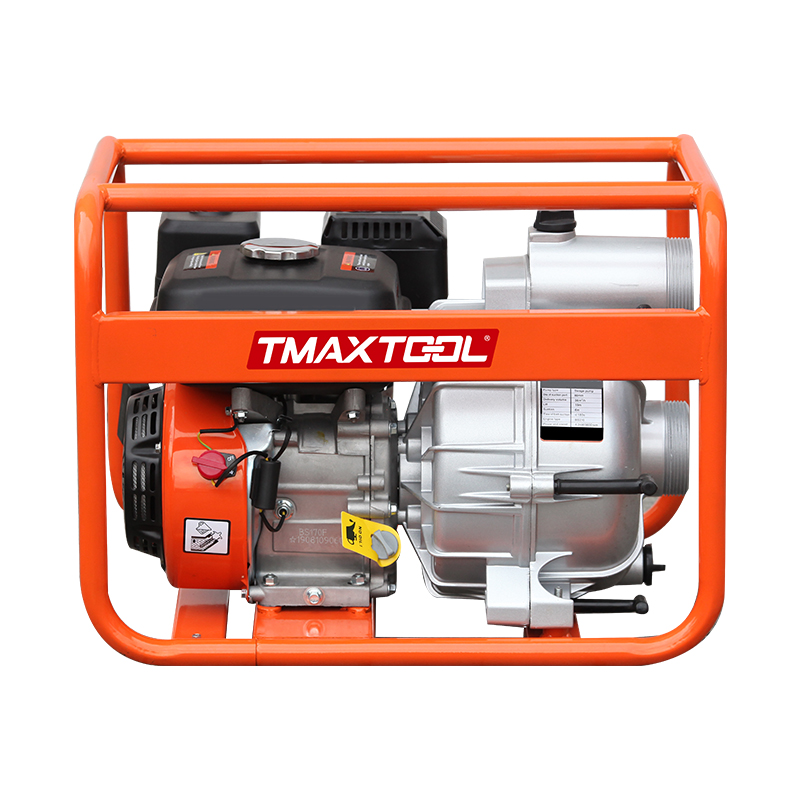 Water Pump
 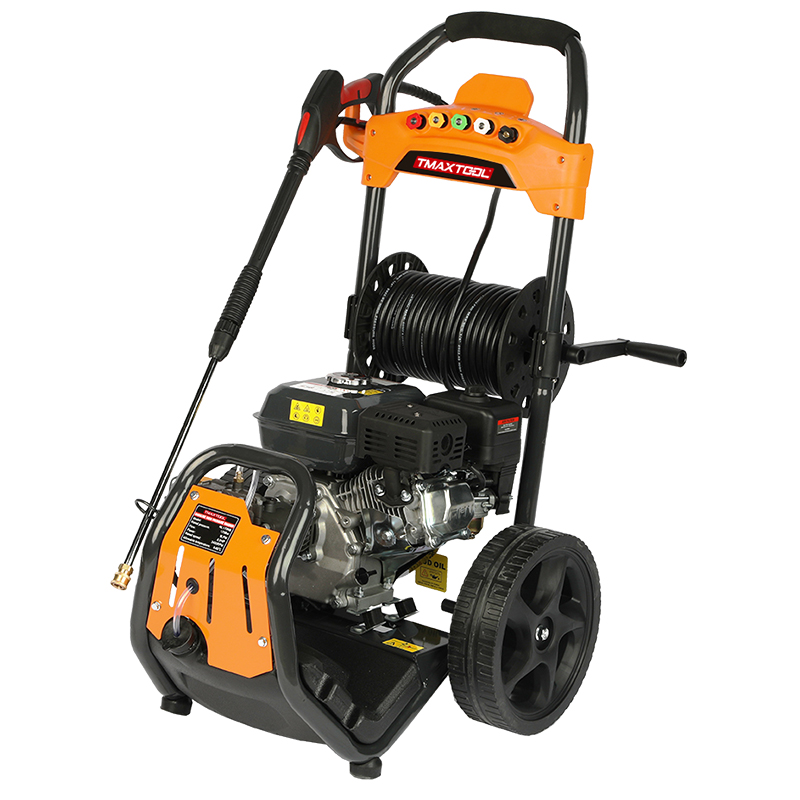 High Pressure Washer
 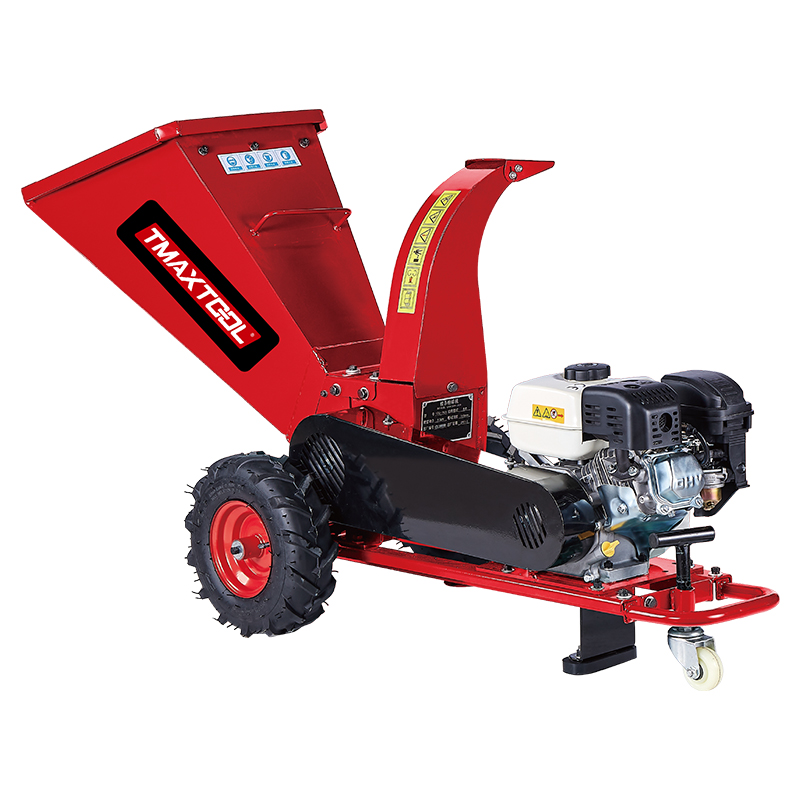 Wood Cutter
 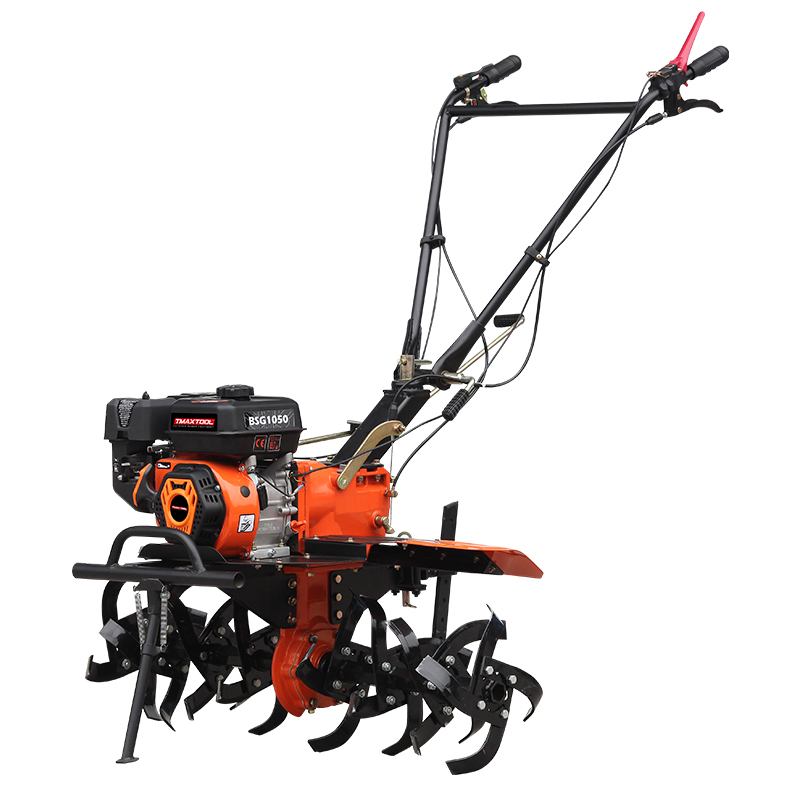 4 Stroke Tiller
 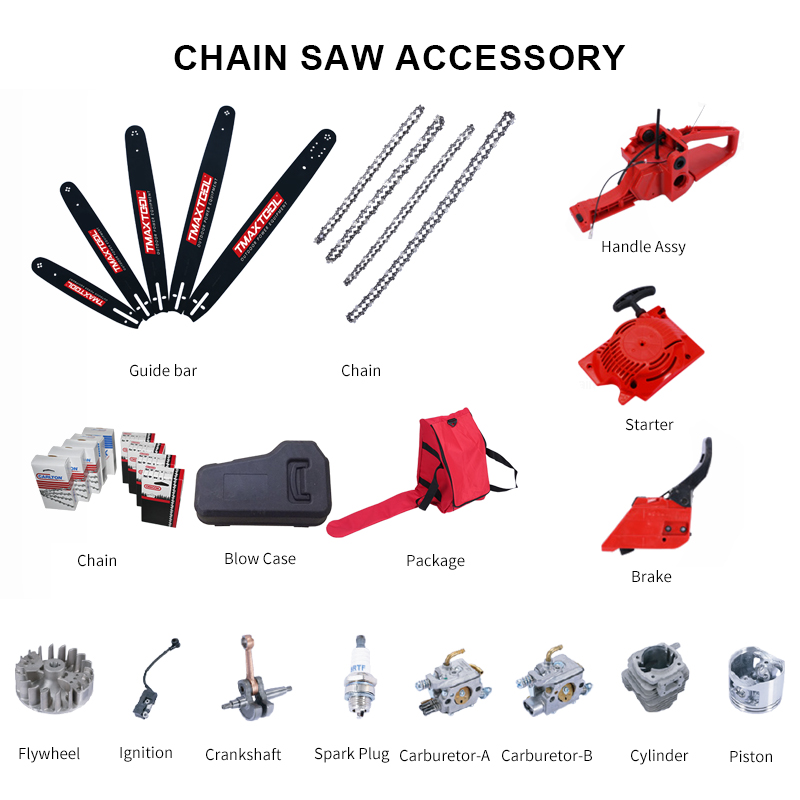 Chain Saw Accessory
 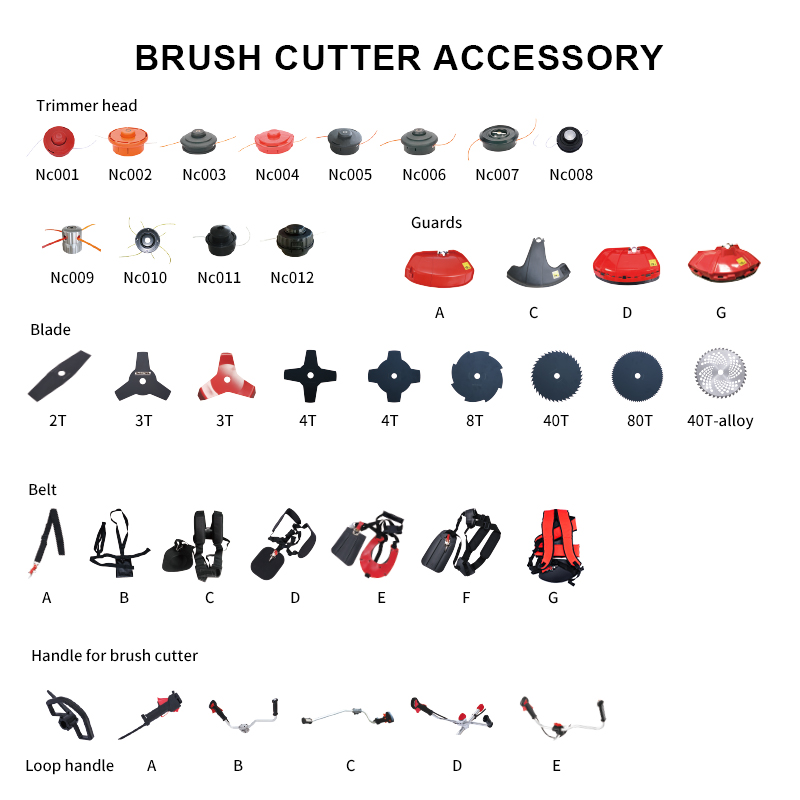 Brush Cutter Accessory
 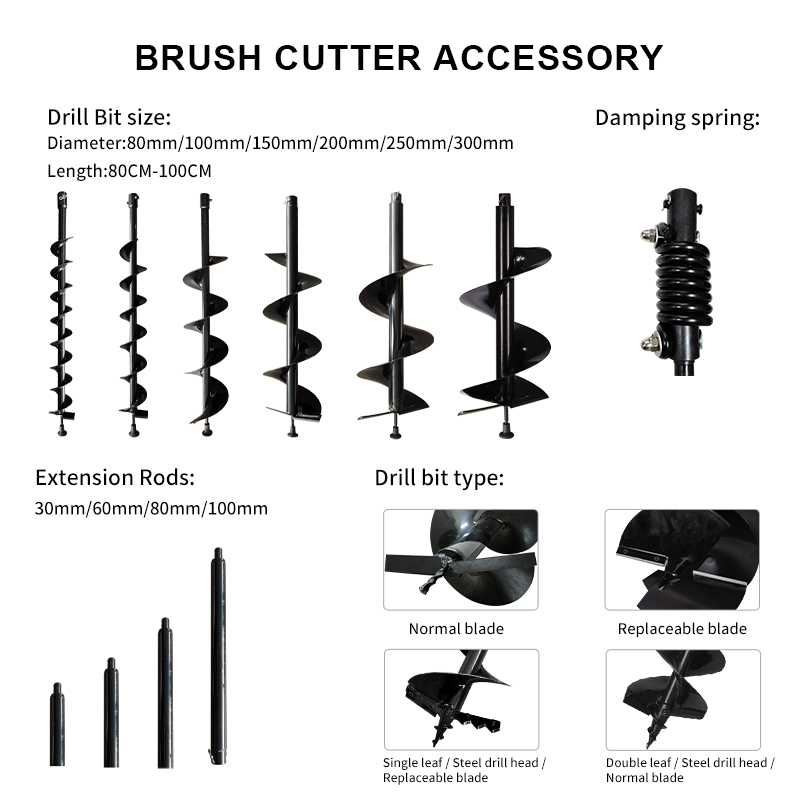 Earth Auger Accessory
  Protective Equipment Accessories
Leave Your Message


Save 0.2L Fuel/Hour with TMAX Chainsaw's Efficient Cutting
Fuel-Saving Practical Guide: TMAX Chainsaw's High-Efficiency Operation Secrets - Save 0.2L of Fuel Per Hour with Constant Speed Cutting
In outdoor work scenarios, the fuel consumption of chainsaws directly impacts operating costs and efficiency. Whether it's large-scale logging by professional forestry workers or daily pruning by horticulturists, the cumulative effect of even small fuel consumption over the long term can become a significant expense. As a professional brand with 15 years of experience in the power tool field, TMAX chainsaws offer users more practical fuel-saving solutions thanks to their optimized engine technology and stable performance. Among these solutions, the core technique of "maintaining a constant cutting speed and avoiding frequent starts and stops" has been tested and proven to save 0.2L of fuel per hour, reducing costs and extending equipment lifespan.
I. Why Does Frequent Start-Stop "Steal Fuel"? The Principle is Clear
Many users habitually switch their chainsaws on and off frequently according to cutting needs, or frequently adjust the throttle, unaware that this is the key reason for soaring fuel consumption. From the perspective of engine working principles: When a chainsaw starts, the engine needs to consume extra fuel to overcome static resistance and complete the transition from ignition and idling to normal operation. This process consumes 2-3 times more fuel than during constant-speed operation. Frequent start-stop cycles keep the engine in an "adaptation period," preventing it from reaching a stable, efficient combustion state. Some fuel is expelled unburned, resulting in waste and potentially increased carbon buildup. Sudden throttle adjustments cause frequent adjustments to the fuel supply system, leading to an imbalanced air-fuel mixture and further increasing inefficient fuel consumption.
However, the TMAX chainsaw's engine is precisely tuned to maintain the optimal air-fuel ratio during constant-speed operation, achieving a fuel combustion efficiency of over 95%. This is the core foundation for the significant fuel savings achieved during constant-speed cutting.

II. Practical Techniques for Uniform Speed Cutting: Achieving Both Fuel Saving and Efficiency
Maintaining uniform speed cutting is not a rigid "one-cut" operation, but rather a scientific adjustment based on the work scenario. This saves fuel without affecting the cutting effect. Specifically, follow these points:
1. Plan the cutting path in advance to reduce interruptions.
Before starting work, observe the thickness and grain of the wood and plan a continuous cutting route. For example, when processing bundles of branches, cut them sequentially according to thickness to avoid stopping intermittently; when felling tree trunks, clear surrounding obstacles to ensure that there is no need to stop to avoid obstacles during the cutting process. Advance planning ensures that the TMAX chainsaw engine remains in a stable operating condition, avoiding unnecessary start-stop cycles.
2. Stabilize the throttle for uniform chain feed.
After starting the chainsaw, wait for the engine to idle steadily (approximately 30 seconds), then adjust the throttle to a level suitable for the current cutting load. Keep the throttle stable and push the chainsaw to allow the chain to cut into the wood at a uniform speed.
3. No need for frequent throttle acceleration for "aggressive cutting." The TMAX chainsaw's power output is sufficiently smooth, and the frictional resistance between the saw chain and the wood is lower during constant feed, resulting in higher cutting efficiency and avoiding fuel waste caused by throttle fluctuations.
4. Avoid idling and utilize inertia. If a short pause is needed (such as changing wood or moving the work position), there's no need to shut off the engine. Simply adjust the throttle to idle speed instead of stopping completely. The TMAX chainsaw's idling fuel consumption is only 1/5 of its operating fuel consumption; the fuel consumption of short-term idling is far lower than that of restarting. Furthermore, when cutting thicker wood, the inertia of the saw chain can be used to cut smoothly, reducing additional power consumption.
5. Match load and speed to avoid "over-engineering." Select the appropriate speed gear according to the wood hardness and cutting requirements: when cutting softwood or thin branches, use a medium to low speed for a steady cut; when handling hardwood or thick trunks, adjust to the corresponding high speed gear in advance and maintain stability. Avoid using low speed for hard cutting or high speed for idling, both of which increase fuel consumption. The TMAX chainsaw's multi-speed adjustment design precisely matches different workloads, making constant-speed operation more adaptable.
III. Real-world testing verification: Saving 0.2L of fuel per hour, substantial long-term benefits
To verify the fuel-saving effect of constant-speed cutting, we used the TMAX classic chainsaw as the test subject, conducting a comparative experiment under the same working conditions (cutting hardwood with a diameter of 10-15cm, continuous operation for 1 hour):
* Frequent start-stop group (starting and stopping once every 5 minutes, with multiple throttle adjustments): Fuel consumption was 1.1L/hour;
* Constant-speed cutting group (planning the path in advance, maintaining a stable throttle, no start-stops): Fuel consumption was 0.9L/hour;
The difference is 0.2L/hour. Based on international average fuel prices, if operating for 500 hours per year, this translates to fuel savings of 100L, resulting in considerable cumulative cost savings.
More importantly, uniform speed operation reduces engine load fluctuations, lowering the wear rate of core components of the TMAX chainsaw by over 15%. Combined with its >98% production qualification rate, the equipment's lifespan is further extended.

IV. Fuel-Saving Tips: Double the Effect When Combined with Uniform Speed Cutting
In addition to the core principle of "uniform speed + fewer start-stop cycles," the following tips can significantly improve fuel efficiency while protecting the equipment:
* Regularly maintain the saw chain: Keep the saw chain sharp to prevent increased engine load and fuel consumption due to dulling (it is recommended to check the saw chain tension and sharpness every 8 hours of operation);
* Use compliant fuel and mixture ratio: Strictly follow the TMAX chainsaw instruction manual, using the specified grade of gasoline and engine oil with a precise mixture ratio (usually 50:1) to avoid affecting combustion efficiency due to fuel quality issues;
* Clean the air filter promptly: A clogged air filter can lead to insufficient air intake and an overly rich mixture, increasing fuel consumption. It is recommended to clean it every 20 hours of operation to ensure smooth engine air intake.
V. User Testimonials: Fuel-Saving Techniques Are Highly Practical and Verified by Word-of-Mouth
Heinrich, a forest owner from Germany, has been using TMAX chainsaws for 5 years. He consistently adheres to the habit of "constant speed cutting and minimal starts and stops" during operation. This has not only achieved the expected fuel savings of 0.2L per hour but also significantly reduced the equipment's failure rate: "Previously, I frequently adjusted the throttle, resulting in high fuel consumption. Later, following TMAX's advice to maintain a constant speed, I not only saved fuel but also improved cutting efficiency—stable power resulted in smoother wood cuts, reducing secondary processing time."
Similarly, a South American user shared his experience: "In large-scale orchard pruning, my team and I each use TMAX chainsaws, consistently operating at a constant speed. Each person saves about 1L of fuel per day, resulting in considerable fuel cost savings over a quarter. Moreover, the engine performance remains stable after 3 years of use."
Summary: Simple Techniques, Long-Term Benefits
For TMAX chainsaw users, "maintaining a constant speed cutting and avoiding frequent starts and stops" is not a complicated operation, yet it brings tangible fuel-saving results. Saving 0.2L of fuel per hour reduces long-term operating costs, minimizes engine wear, and extends equipment lifespan. Combined with regular maintenance and proper load matching, the chainsaw's fuel efficiency can be maximized.
As a brand involved in developing the "Wireless Garden Tool Safety Standard," TMAX is committed to providing global users with "efficient, economical, and reliable" power tool solutions through technological optimization and practical guidelines. We hope that every user can maximize the value of their TMAX chainsaw through scientific operating habits, easily completing various outdoor tasks while reducing costs.
Website:https://www.tmax-tool.com/
Email:info@tmaxtool.com
Whatsapp:+8613655793577