
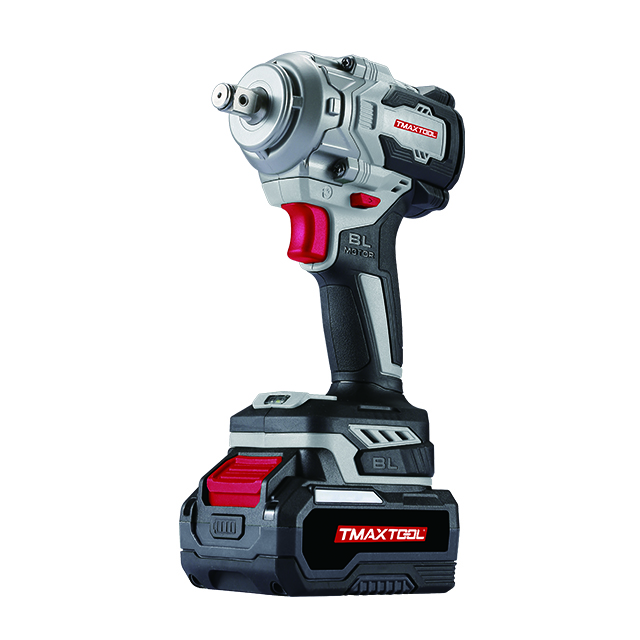
 Impact Wrench
 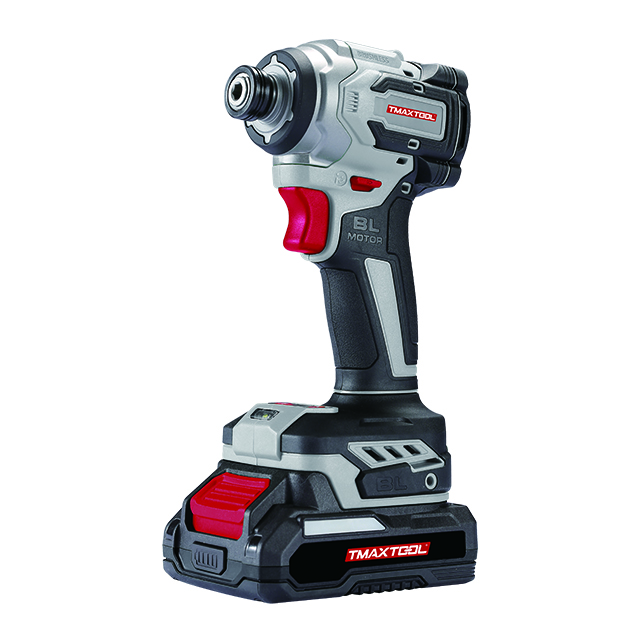 Screwdriver
 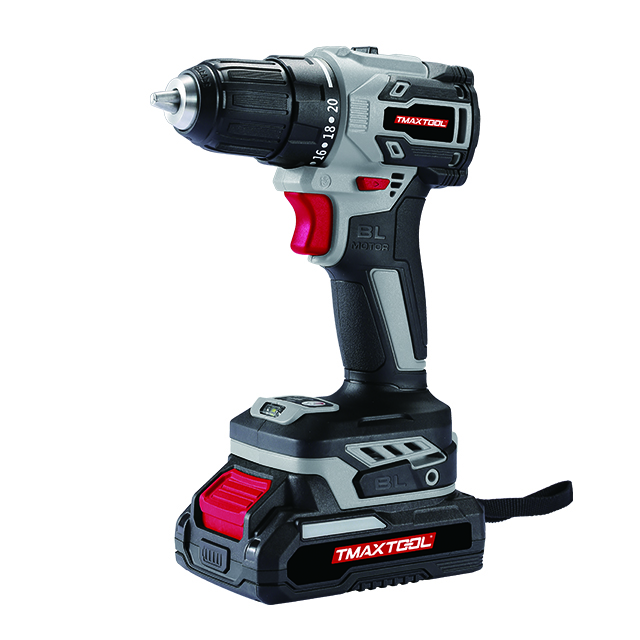 Cordless Drill
 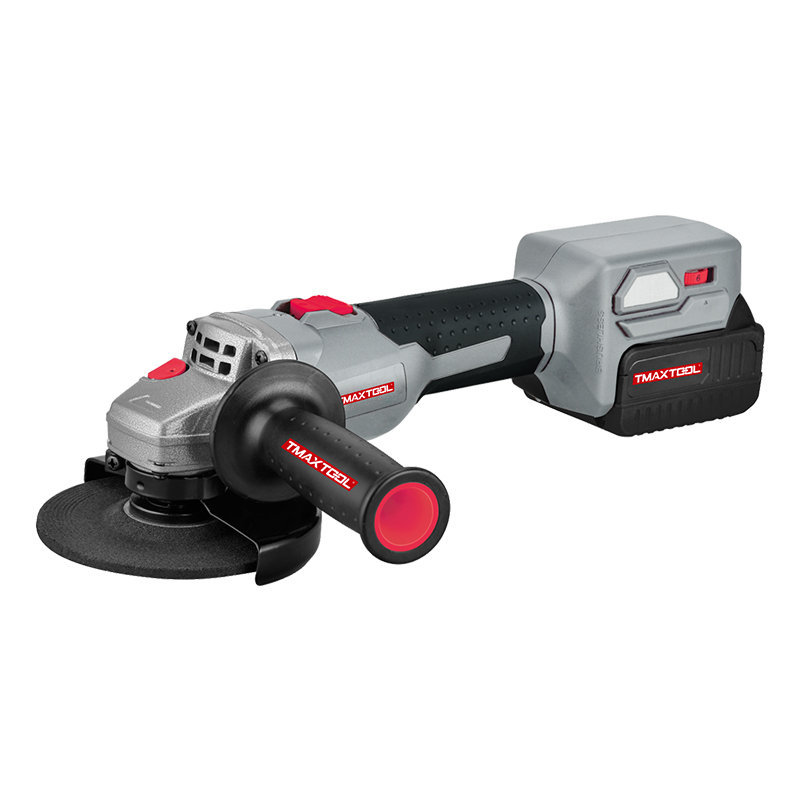 Angle Grinder
 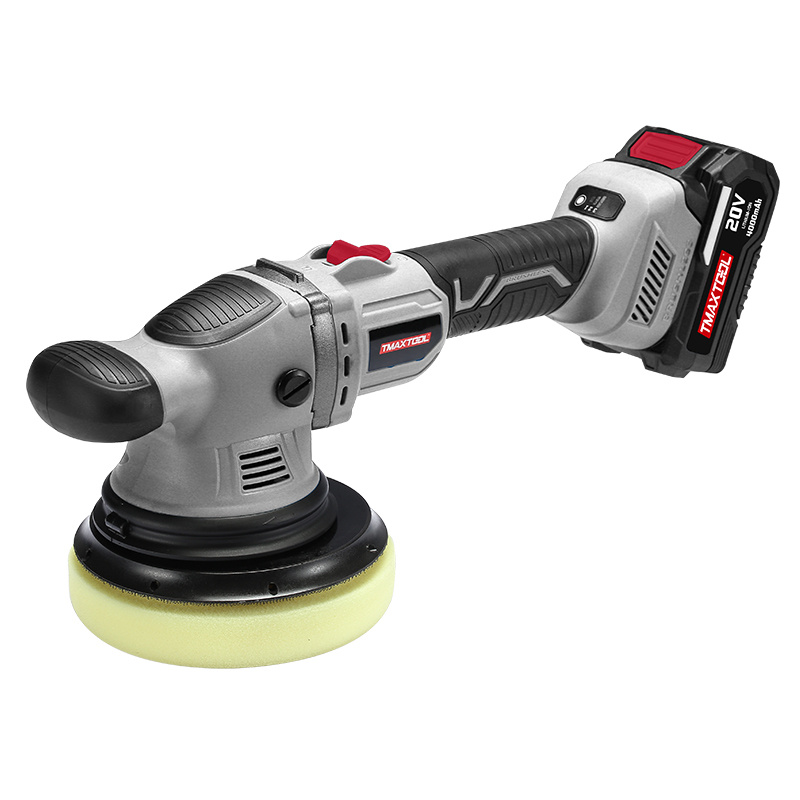 Polisher
 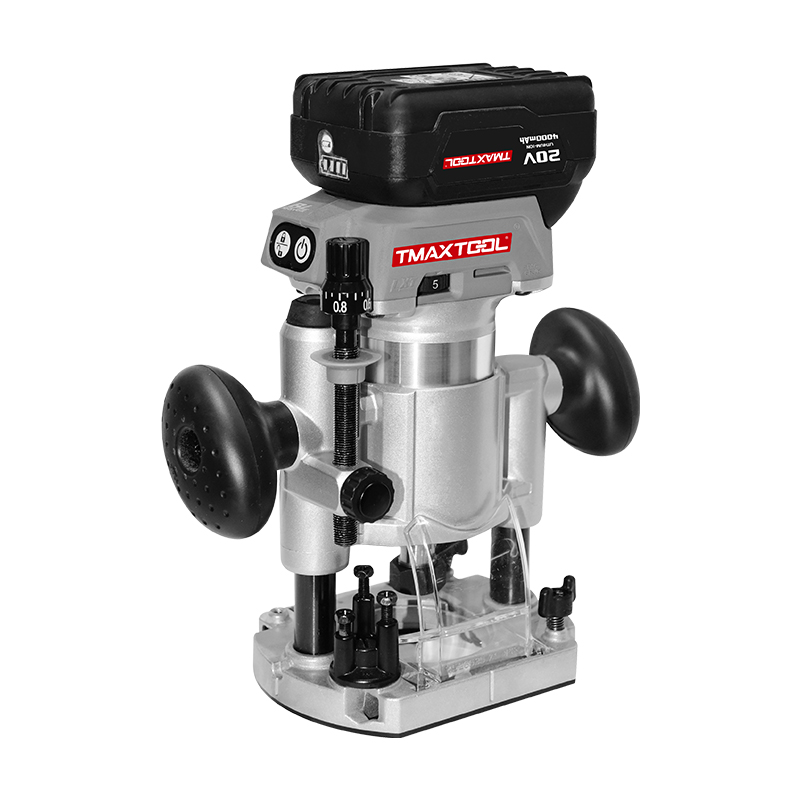 Wood Router
 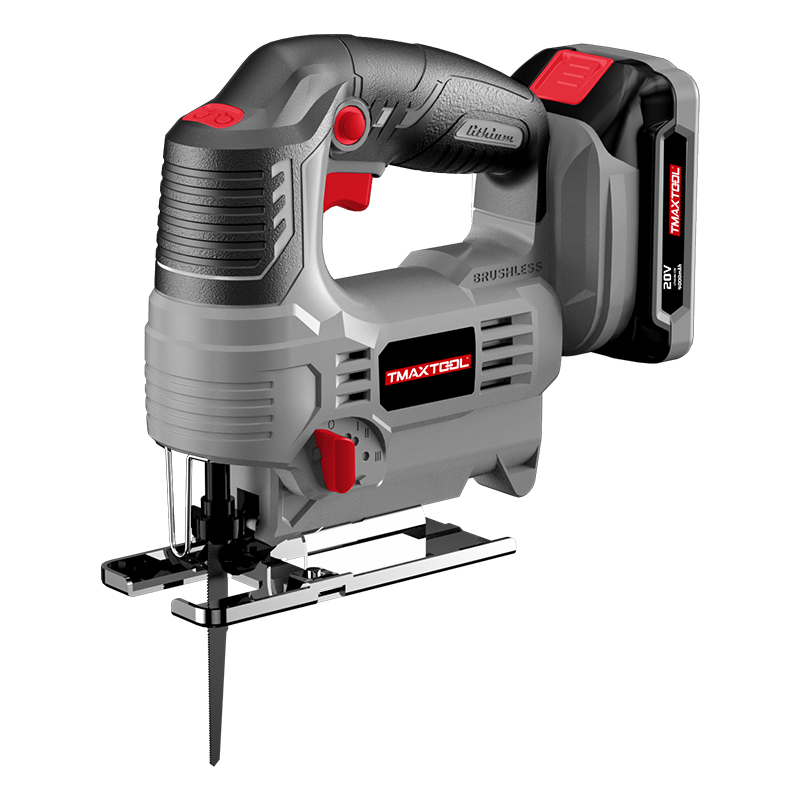 Jig Saw
 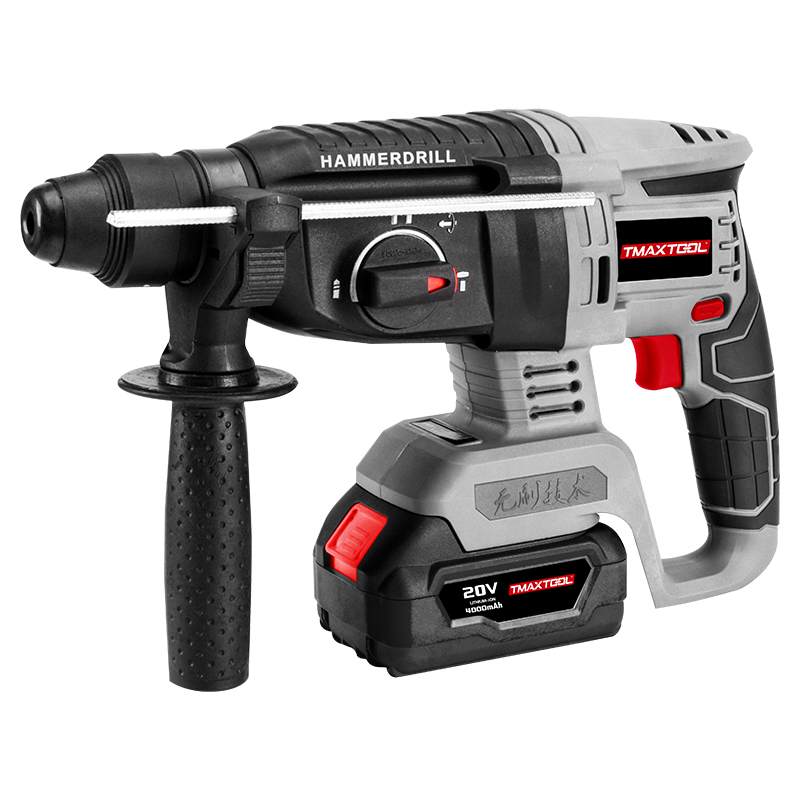 Hammer Drill
 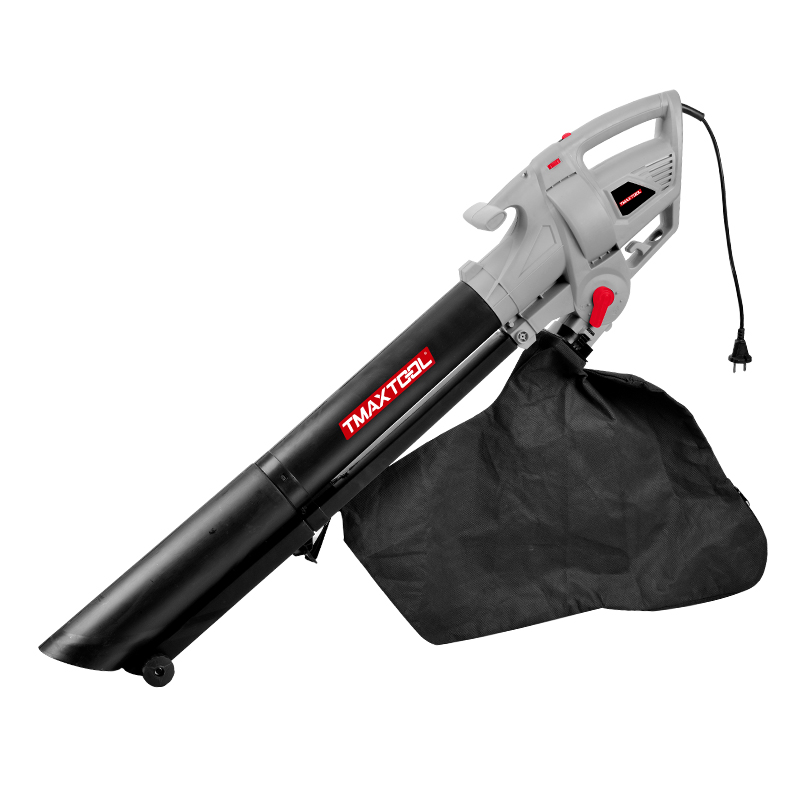 Portable Blower
 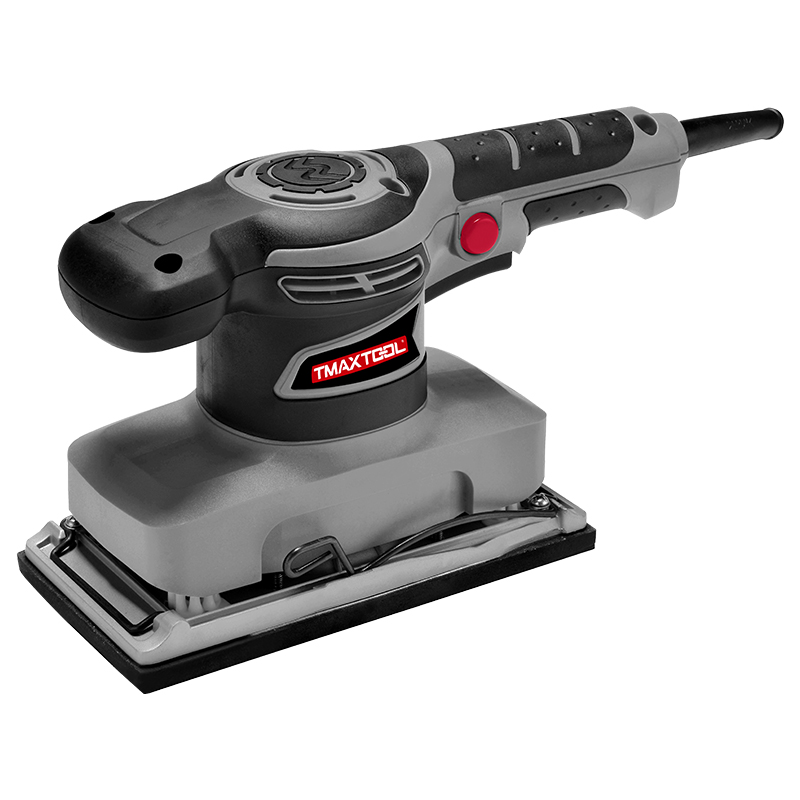 Orbital Sander
 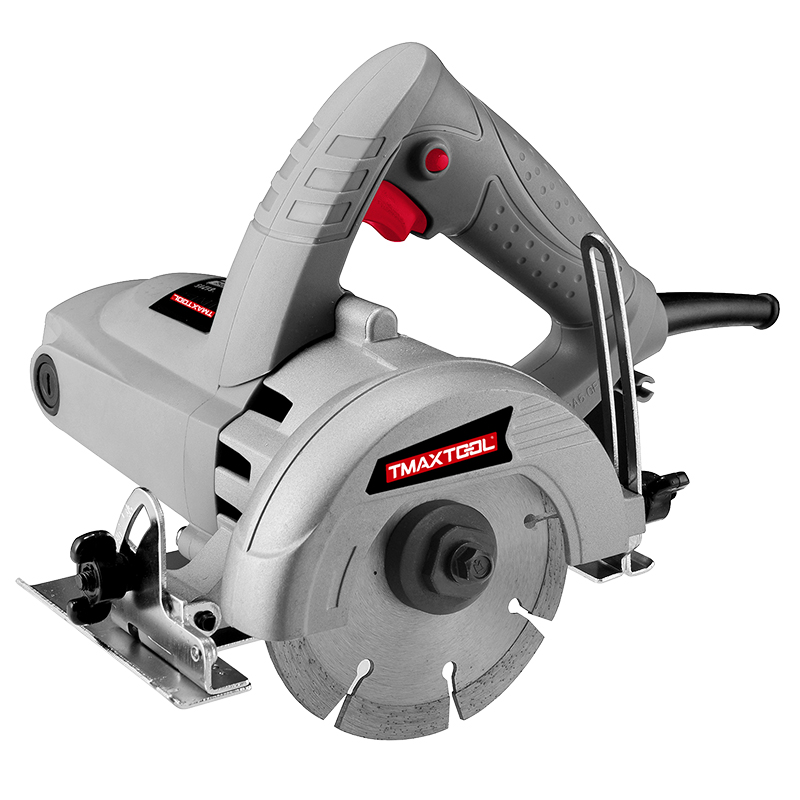 Marble Cutter
 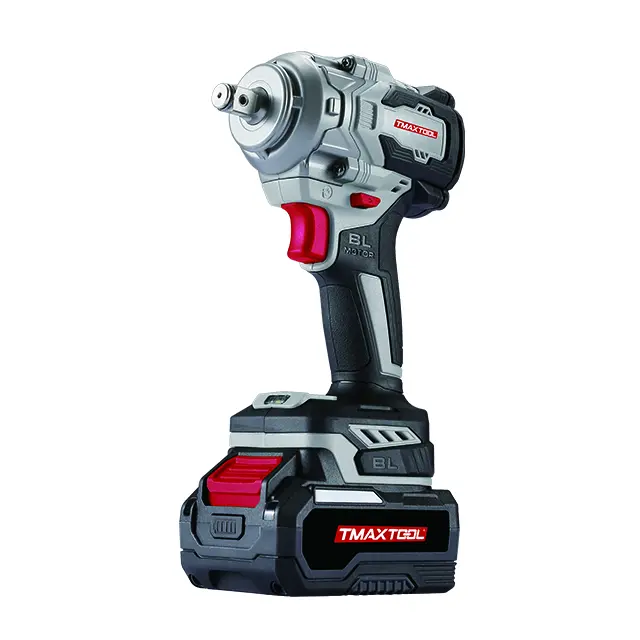 GARDEN TOOLS
 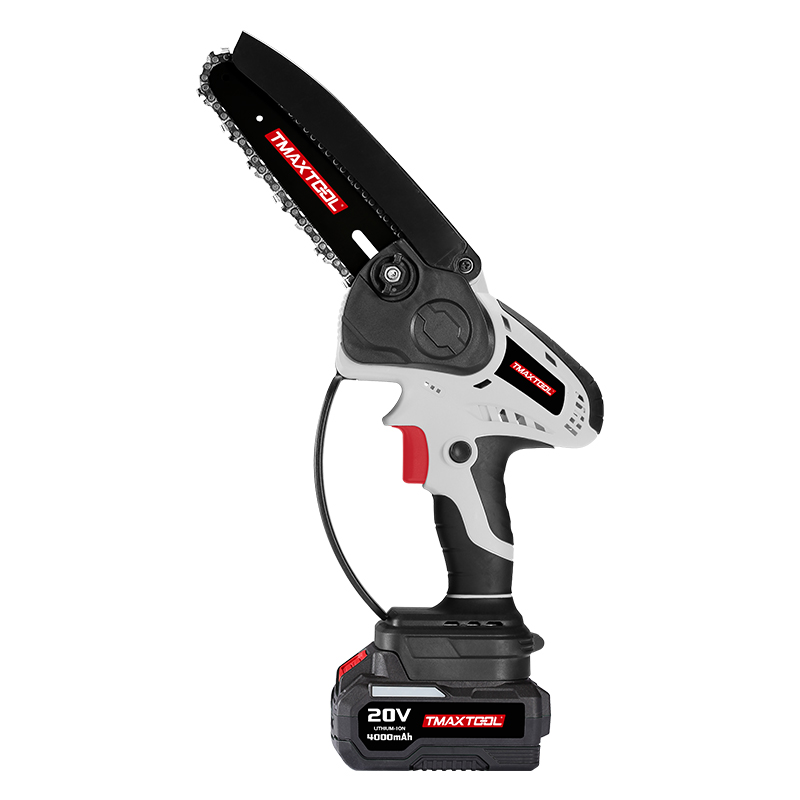 Battery Chain Saw
 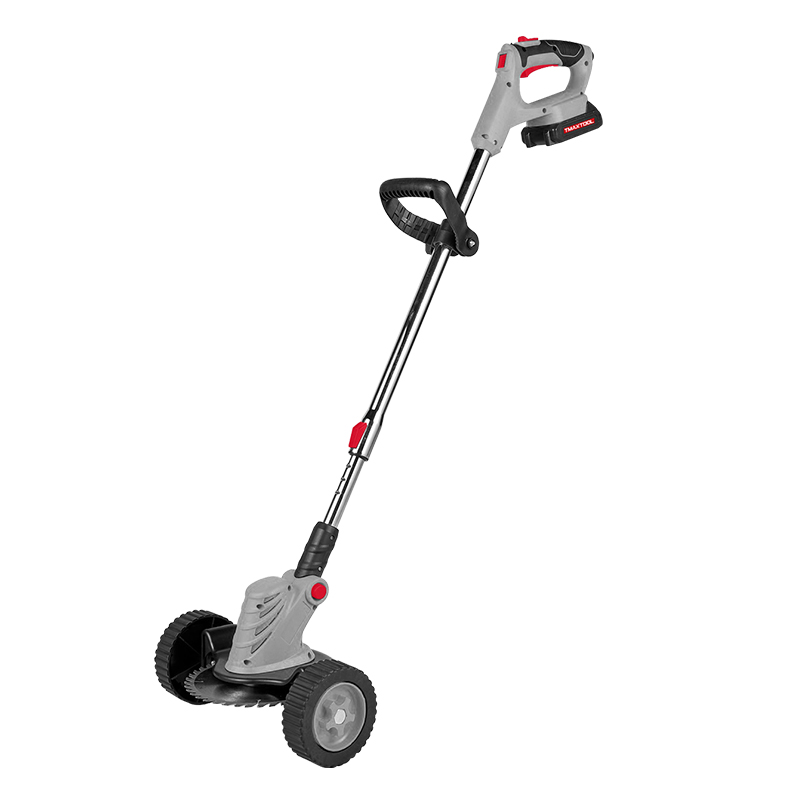 Battery Brush Cutter
 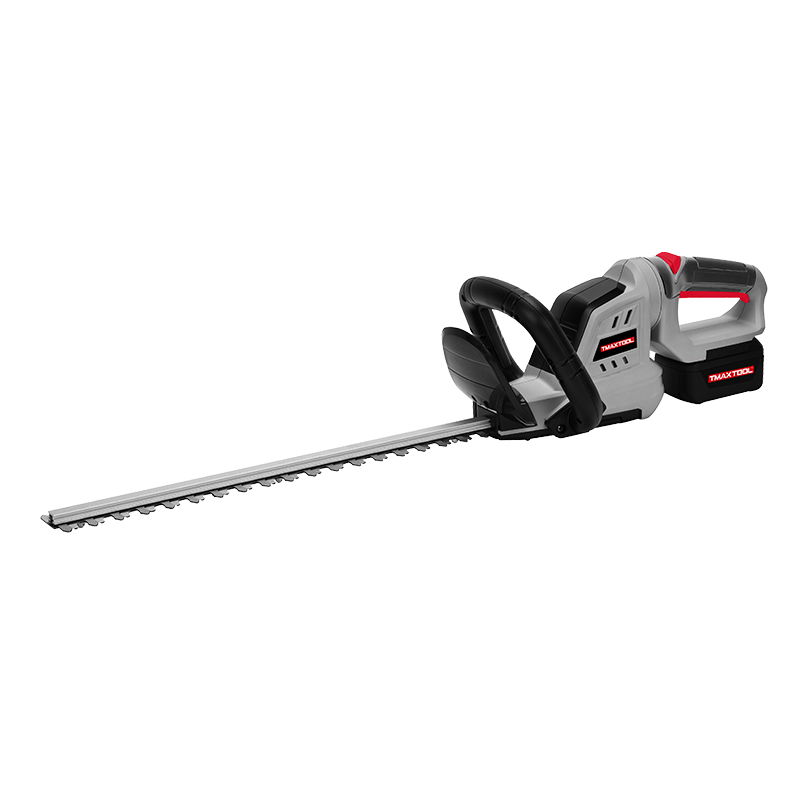 Battery Hedge Trimmer
 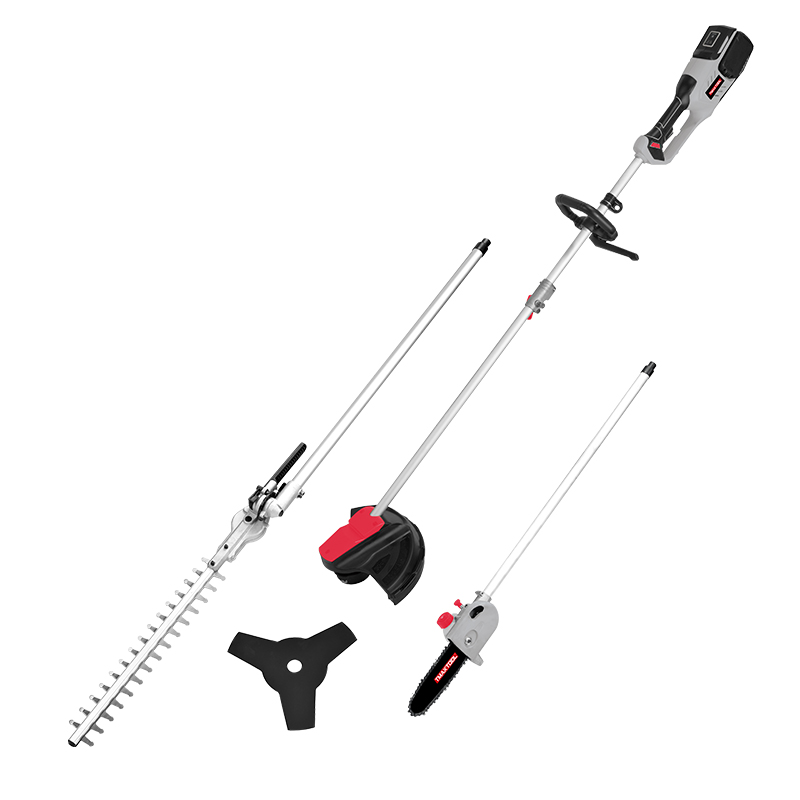 Battery Multi Tool
 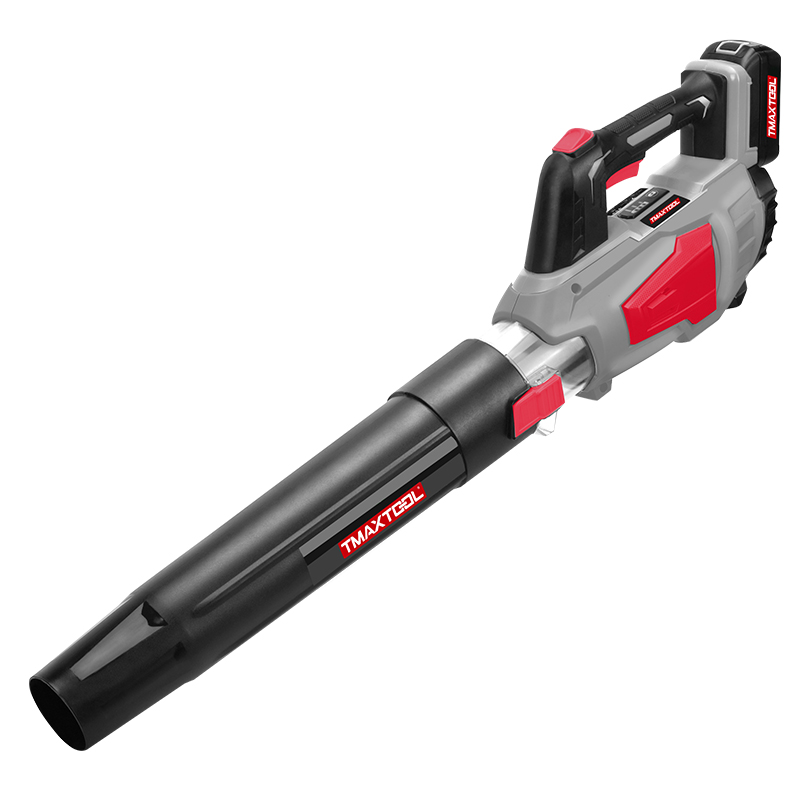 Battery Blower
 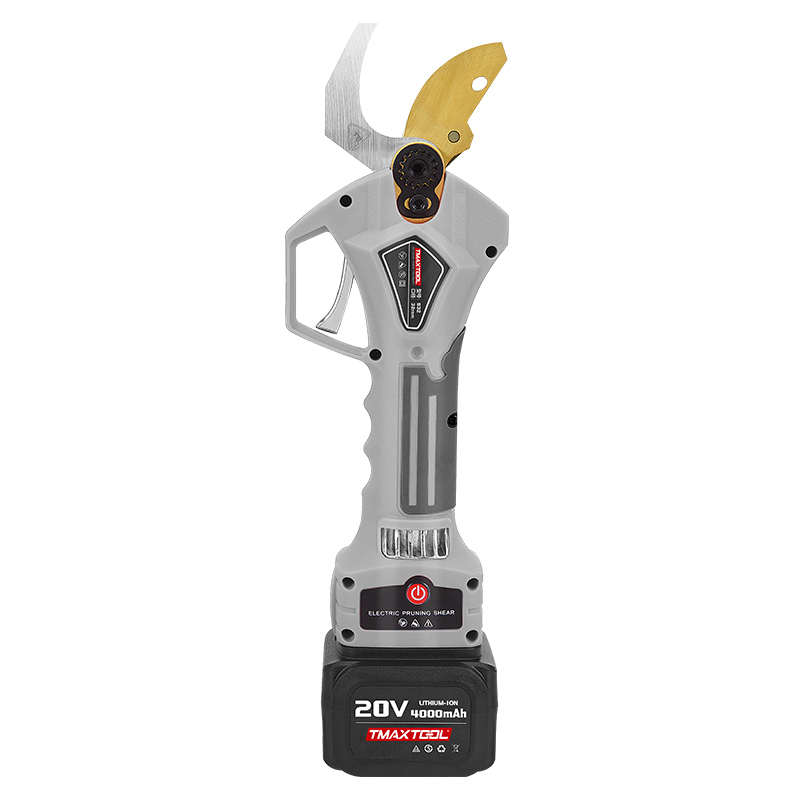 Batter Pruning Shears
 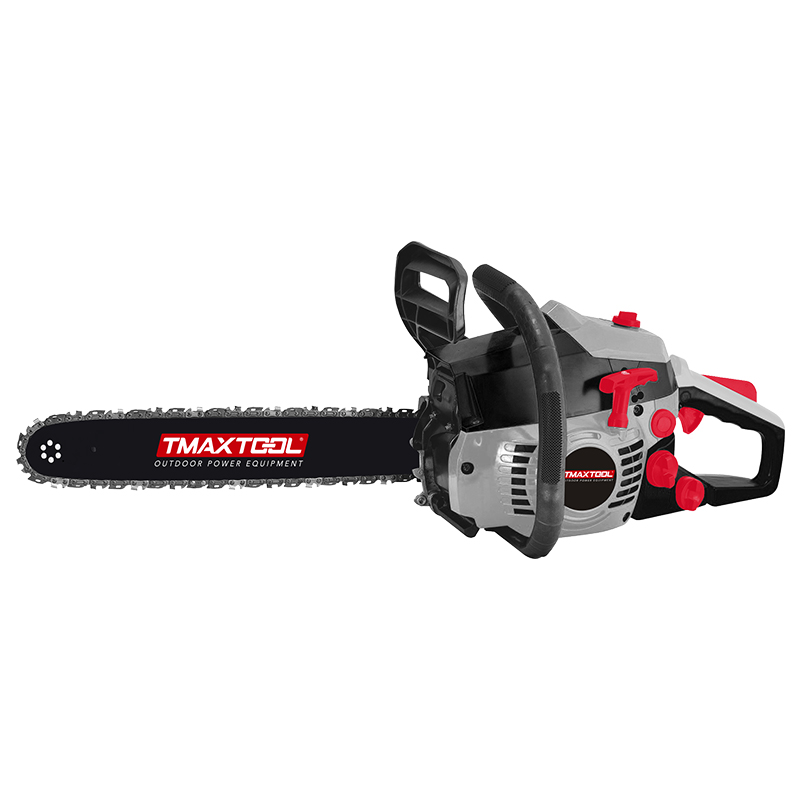 Chain Saw
 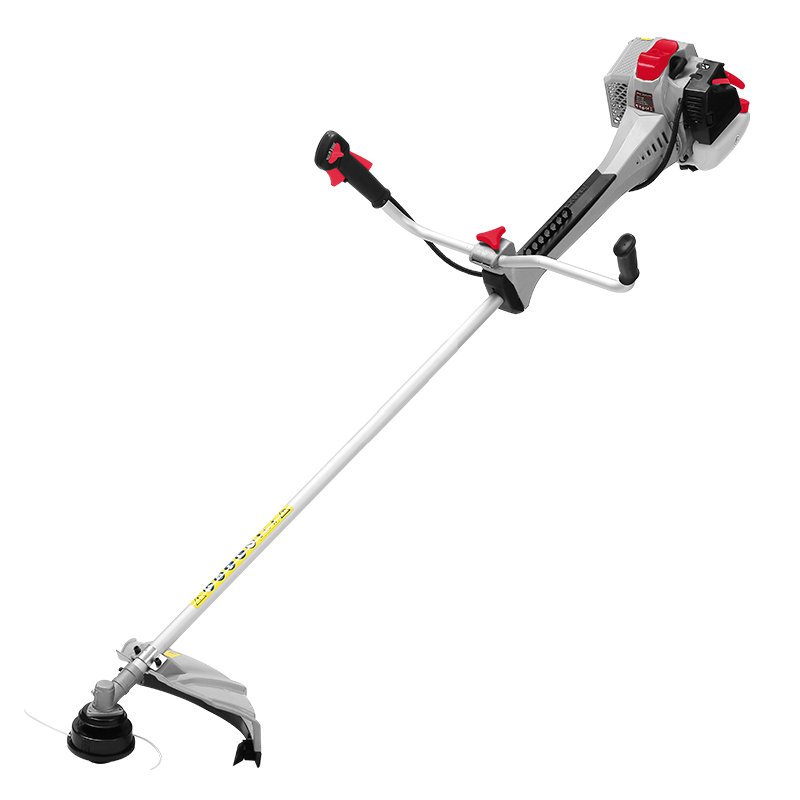 Brush Cutter
 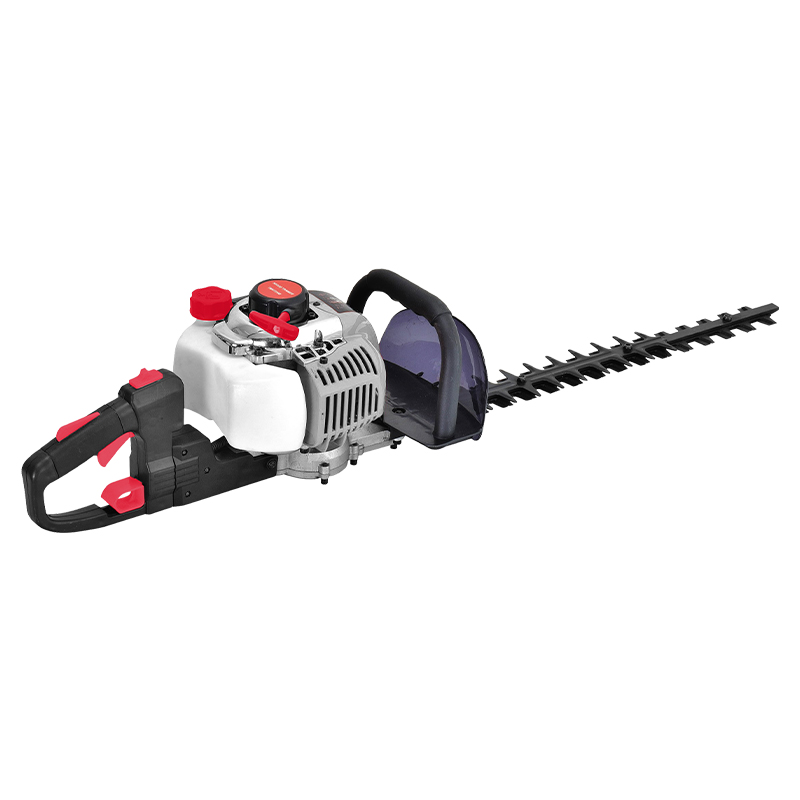 Hedge Trimmer
 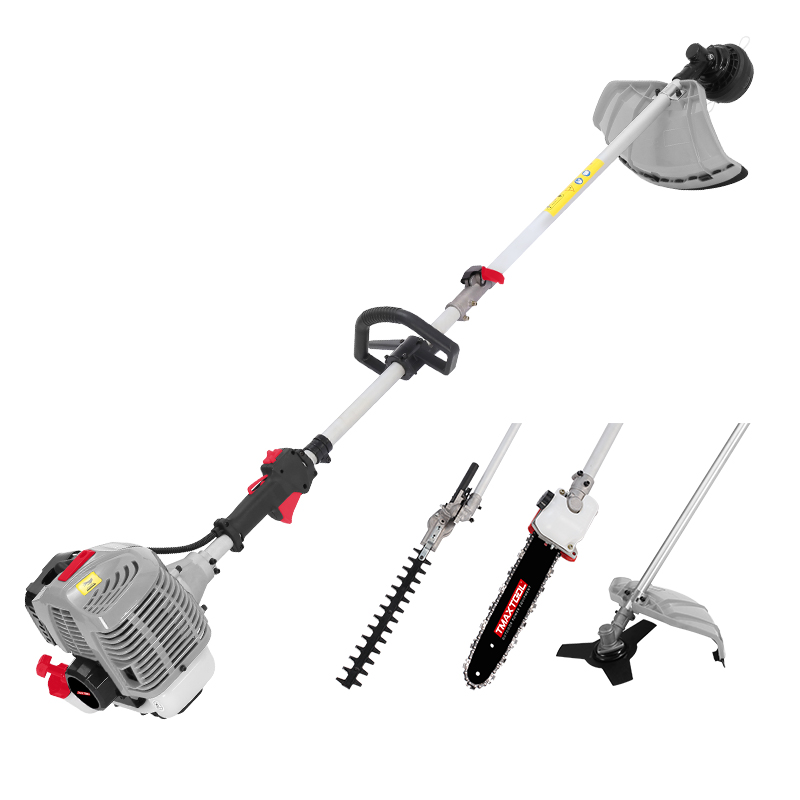 Multi Tool
 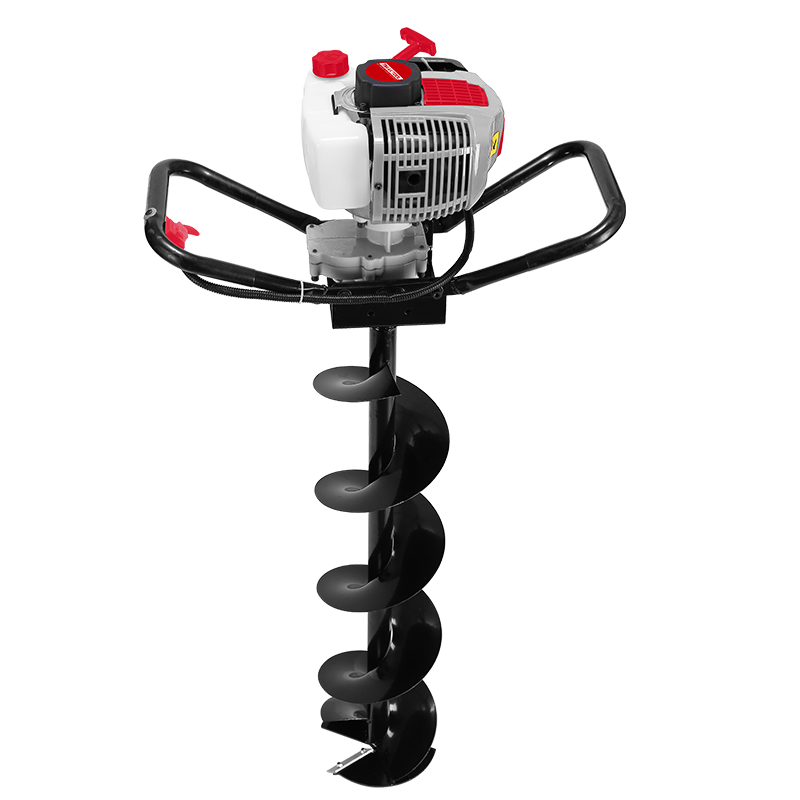 Earth Auger
 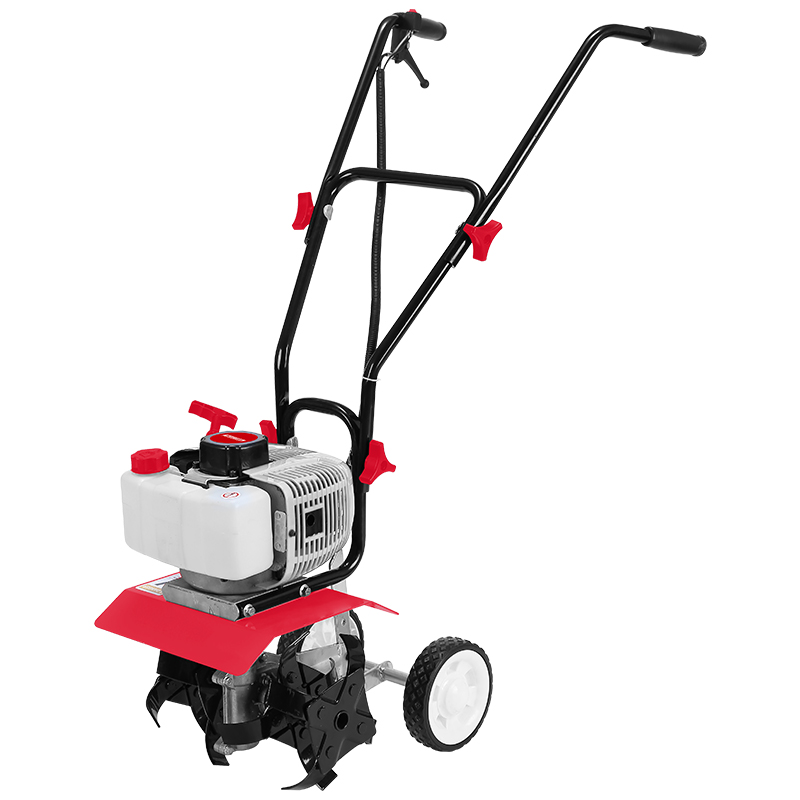 Tiller
 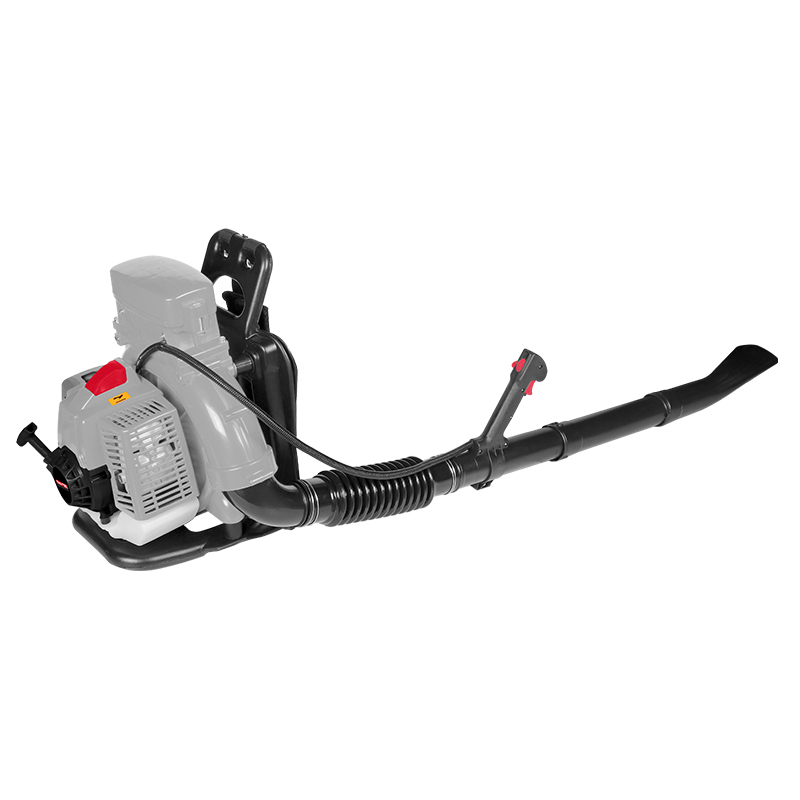 Blower
 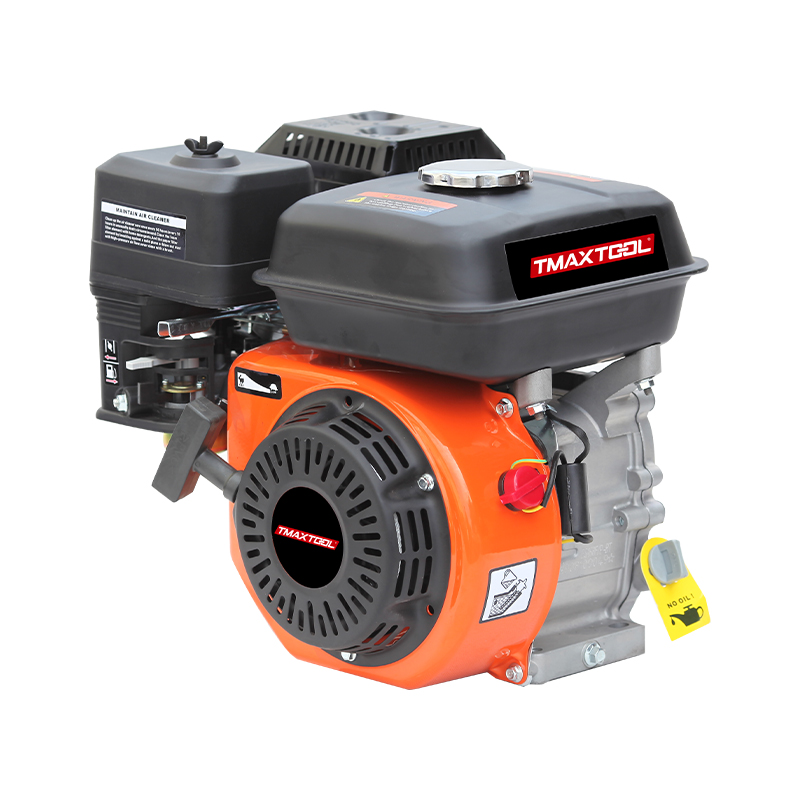 4 Stroke Gasoline Engine
 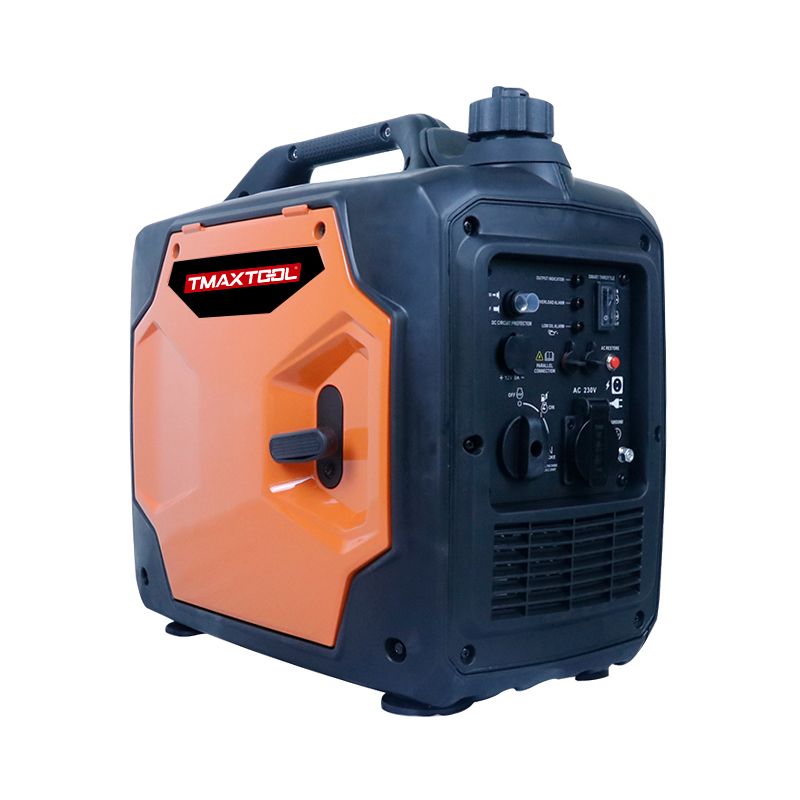 Generator
 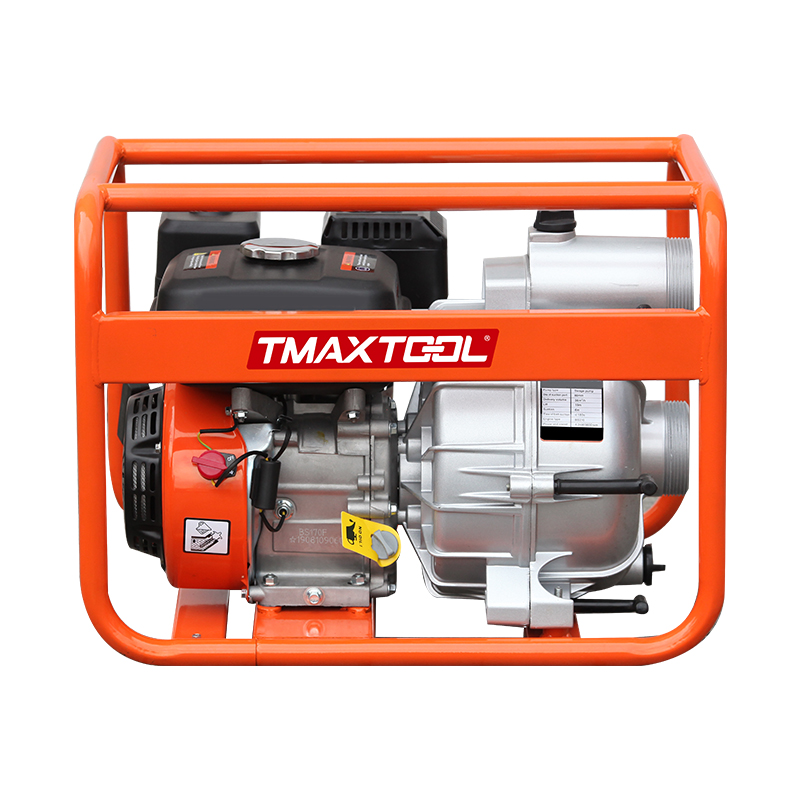 Water Pump
 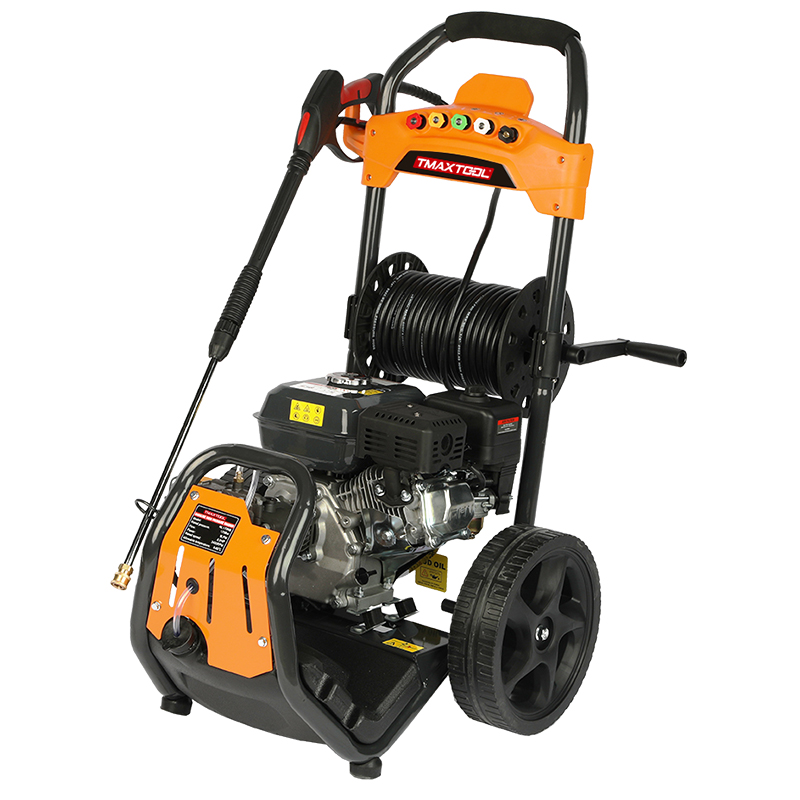 High Pressure Washer
 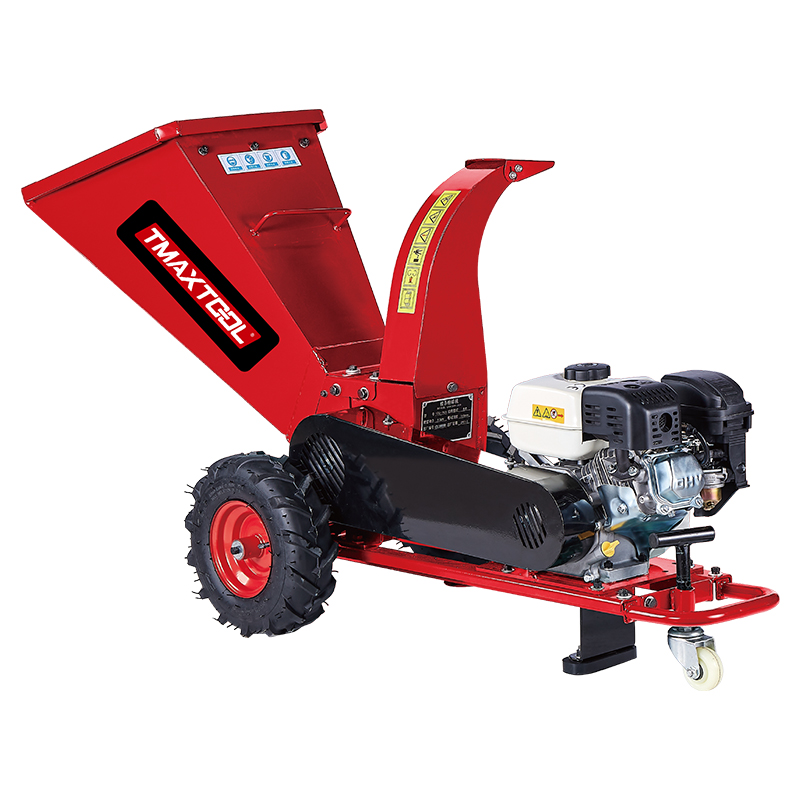 Wood Cutter
 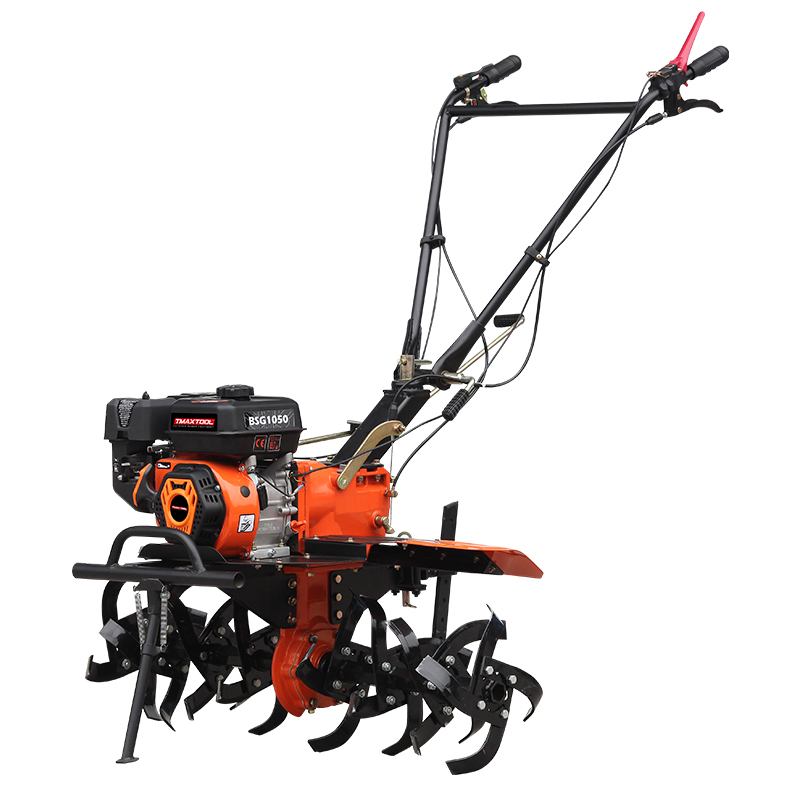 4 Stroke Tiller
 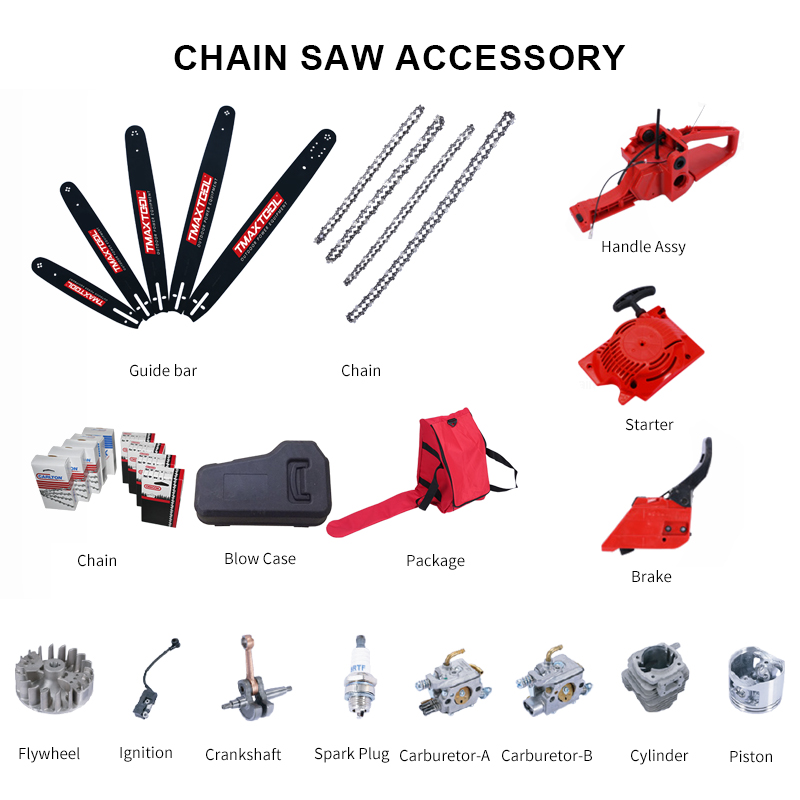 Chain Saw Accessory
 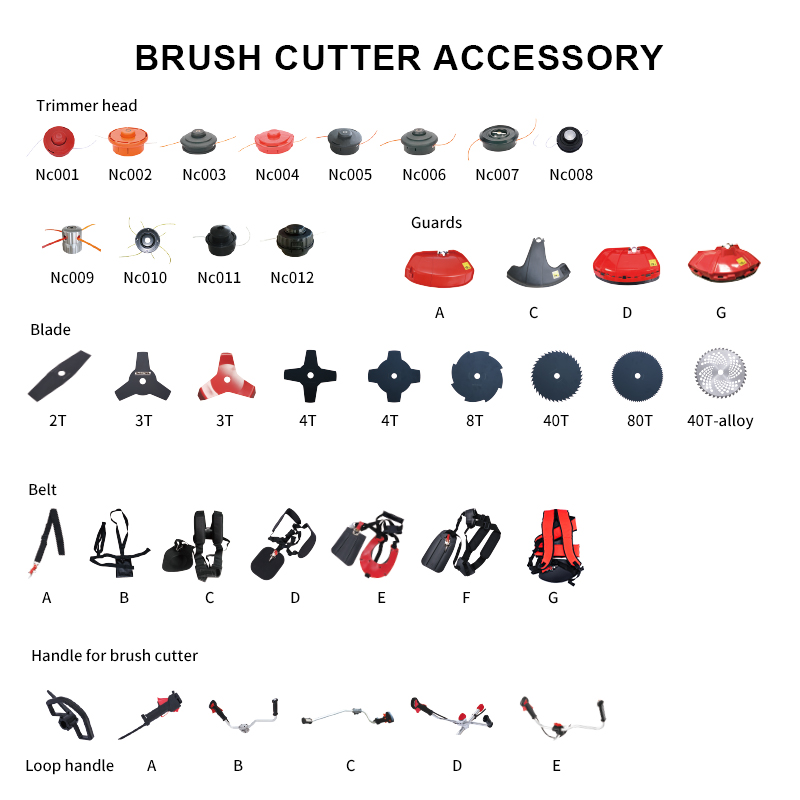 Brush Cutter Accessory
 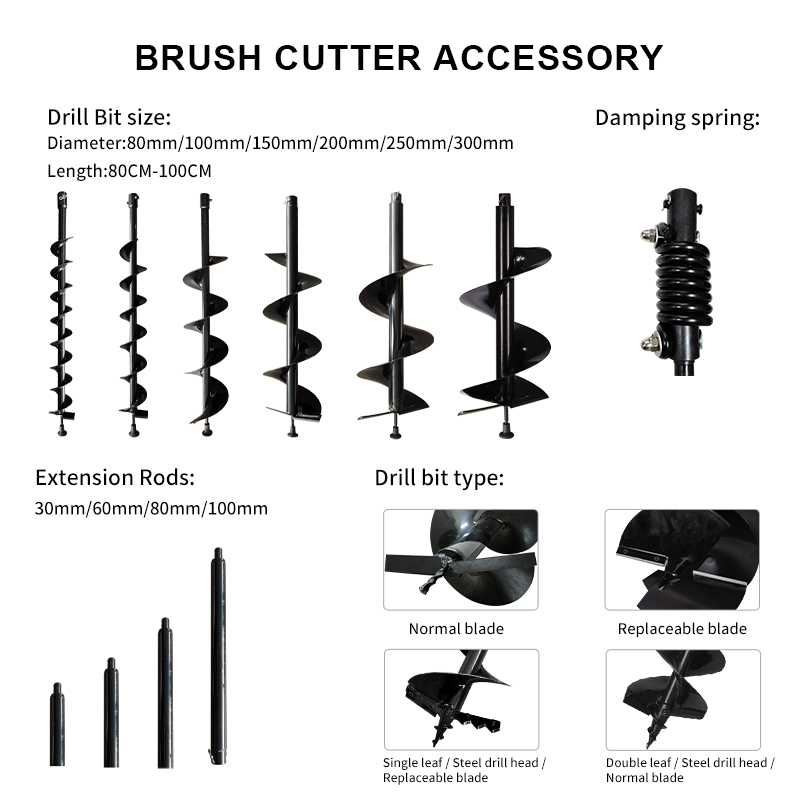 Earth Auger Accessory
 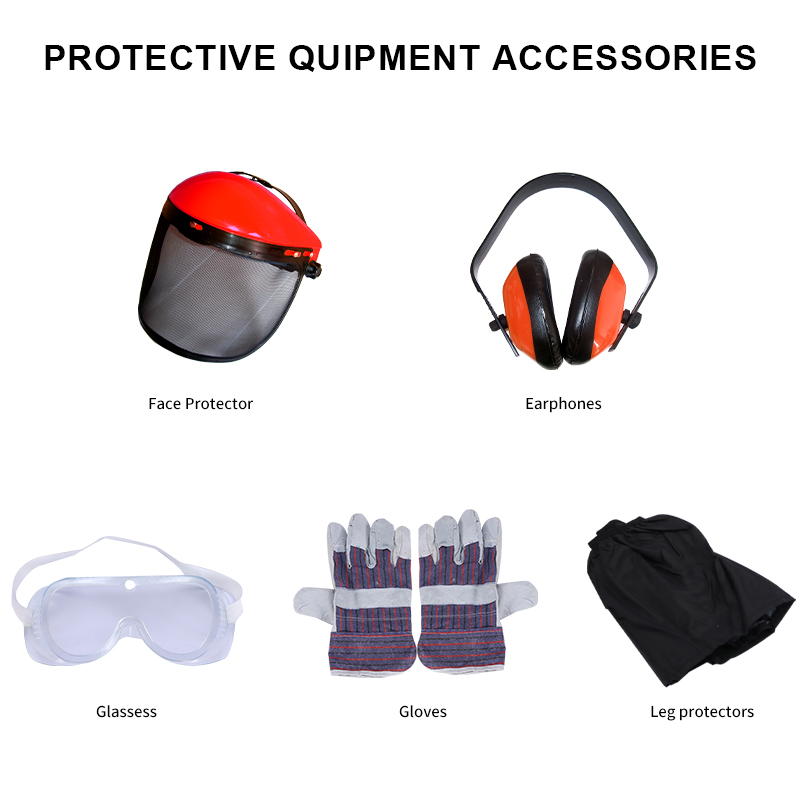 Protective Equipment Accessories
Leave Your Message


Six Core Factors Driving Power Tool Demand Growth in the Asia-Pacific Region
Six Core Factors Driving Power Tool Demand Growth in the Asia-Pacific Region
1. Infrastructure and Urbanization Boom: Explosive Demand for Engineering Construction in Emerging Markets
2. Industrial Automation Upgrade: Smart Manufacturing Drives Iteration of Professional Tools
3. Rise of DIY Consumption: Release of Improvement Demand from Middle-Class Families
4. Expansion of the New Energy Industry: Specialized Tools Open Up New Growth Tracks
5. Technological Innovation: Cordless and Intelligent Technologies Reshape Product Power
6. Policy and Standards Driven: Environmental Compliance Accelerates Market Reshuffling
I. Infrastructure and Urbanization Boom: Explosive Demand for Engineering Construction in Emerging Markets
The Asia-Pacific region is currently in a golden period of infrastructure investment, especially the engineering construction boom in Southeast and South Asia, which has become the core engine of power tool demand. According to industry data, the construction project of Indonesia's new capital city directly boosted the demand for professional tools such as Electric Drills and cutting machines by 35%, while India's "Smart City" plan promoted investment in highway and railway infrastructure, causing the country'spower tool imports to surge by 23.7% year-on-year in 2023.
During the urbanization process, for every 1 percentage point increase in the urbanization rate in the Asia-Pacific region, the demand for power tools in the construction and decoration sector grows by approximately 4.2%. This segment is projected to reach $48 billion in 2025, accounting for 35% of global demand. Port expansion and airport upgrade projects in countries like Vietnam and Malaysia, as well as the upgrading of mining facilities in Australia, have further expanded the application scenarios for heavy-duty tools such as Angle Grinders and concrete drilling machines, driving an annual increase of 7.2 percentage points in the penetration rate of professional-grade power tools in emerging markets.

II. Industrial Automation Upgrade: Smart Manufacturing Drives the Iteration of Professional Tools
The Industry 4.0 wave is driving the transformation of Asia-Pacific manufacturing towards automation and precision, directly boosting the demand for high-end industrial-grade power tools. The global market size for power tools in the industrial manufacturing sector is projected to exceed $35 billion in 2025, with the Asia-Pacific region contributing over 50% of the incremental growth. The 31.5% growth rate of China's smart manufacturing equipment industry, the automation upgrade of South Korea's automotive manufacturing, and the expansion of Thailand's electronics industry cluster are the core driving forces.
In automotive assembly plants, electric tightening tools, with their ±3% torque accuracy, have replaced 60% of traditional pneumatic tools, while demand for six-axis precision dispensing equipment in the aerospace field is growing by over 40% annually. The adoption of smart tools is particularly significant; devices integrating sensors and IoT technology can achieve torque data traceability and fault warnings. The application of smart drills from brands like Bosch and Makita in their Asia-Pacific factories has reduced the error rate by 30%, and the penetration rate of these high-end products in industrial settings is expected to exceed 65% by 2030.
III. The Rise of DIY Consumption: Release of Demand from Middle-Class Families
The expansion of the middle class and the increase in disposable income in the Asia-Pacific region are driving explosive growth in the home DIY (home repair and renovation) market. A LinkedIn report shows that the CAGR of the Asia-Pacific cordless home power tool market will remain high from 2024 to 2033, with cordless penetration rates for products such as light drills and electric screwdrivers reaching 72%, and home DIY penetration rates exceeding 60% in Japan and Australia.
The widespread adoption of e-commerce platforms has further lowered the barriers to consumption. Southeast Asian live-streaming e-commerce channels have generated tens of millions of yuan in tool sales in a single day, while young families in India and Indonesia are more inclined to complete small renovation projects themselves, driving an 18% annual increase in sales of portable power tools. This shift in consumer preferences has also driven product upgrades. Tools with lightweight construction (magnesium alloy bodies accounting for 40%) and ergonomic designs command a 15-20% premium, becoming a profit growth point for manufacturers.
IV. Expansion of the New Energy Industry: Specialized Tools Open Up New Growth Tracks
The explosion of new energy vehicles and renewable energy projects has created new growth points for the Asia-Pacific power tool market. The global market size for specialized tools for new energy vehicle repair is projected to reach $21 billion by 2025. China's 40 million new energy vehicles, the expansion of battery factories in South Korea, and Thailand's photovoltaic module processing industry have spurred the emergence of new categories such as battery pack disassembly tools and high-voltage insulation testing equipment, with a compound annual growth rate of 42%.
In the photovoltaic and wind power sectors, power plant construction projects in Vietnam and Malaysia are driving increased demand for installation-type power tools. The market size for related specialized tools is projected to reach $5.8 billion by 2025, with professional equipment with insulation levels above 1000V accounting for over 64%. These scenarios place higher demands on the safety and precision of tools, boosting the market share of high-end brands and providing differentiated competitive opportunities for technology-driven manufacturers.

V. Technological Innovation: Cordless and Intelligent Technologies Reshape Product Competitiveness
Breakthroughs in lithium battery technology and intelligent upgrades have become key drivers of demand growth for power tools in the Asia-Pacific region. By 2025, the global market share of lithium-ion battery power tools will exceed 65%, with cordless penetration reaching 59%. The Asia-Pacific region, leveraging its local lithium battery supply chain advantages, is leading the global growth rate (annual growth of 7.2 percentage points).
The core technological advancements are reflected in two aspects: First, improved energy density. The energy density of lithium batteries has increased from 200Wh/kg in 2019 to 320Wh/kg in 2025, extending the working time on a single charge by 2.3 times. Fast charging technology reduces charging time to less than 15 minutes. Second, reduced costs. The price of lithium battery packs has decreased by 42%, narrowing the price difference between lithium-ion tools and corded tools to 1.2-1.5 times, thus activating the price-sensitive market. Intelligent integration is equally crucial. In 2024, smart tools equipped with Bluetooth/WiFi modules accounted for 28% of the market, enabling remote control, energy consumption optimization, and other functions, driving up the average order value by 30-40%. The penetration rate of smart tools is projected to exceed 65% by 2030.
VI. Policy and Standards Driven: Environmental Compliance Accelerates Market Reshuffling
The upgrading of global environmental regulations and safety standards is forcing structural adjustments in the Asia-Pacific power tool market, while simultaneously creating growth opportunities for compliant products. The EU's Sustainable Product Ecodesign Regulation (ESPRE) requires the quantification of a tool's carbon footprint throughout its entire lifecycle, while North America's OSHA standards restrict the use of cables on construction sites, indirectly accelerating the replacement of old tools with cordless and low-power products in the Asia-Pacific region. Guided by carbon peaking policies, China and South Korea are pushing for low-power power tools to account for 35% of their product mix, with a target of 45% recycling by 2030. Southeast Asian countries, in order to attract manufacturing investment, are also gradually aligning with international energy efficiency standards, promoting the replacement of outdated tools.
While policy compliance raises the bar for industry entry, it also eliminates inefficient and outdated production capacity, providing market expansion opportunities for brands with technological reserves (such as manufacturers with low-noise and low-vibration technologies). The market share of compliant products is projected to increase to 78% between 2025 and 2030.
Website:https://www.tmax-tool.com/
Email:info@tmaxtool.com
WhatsApp:+8613655793577