
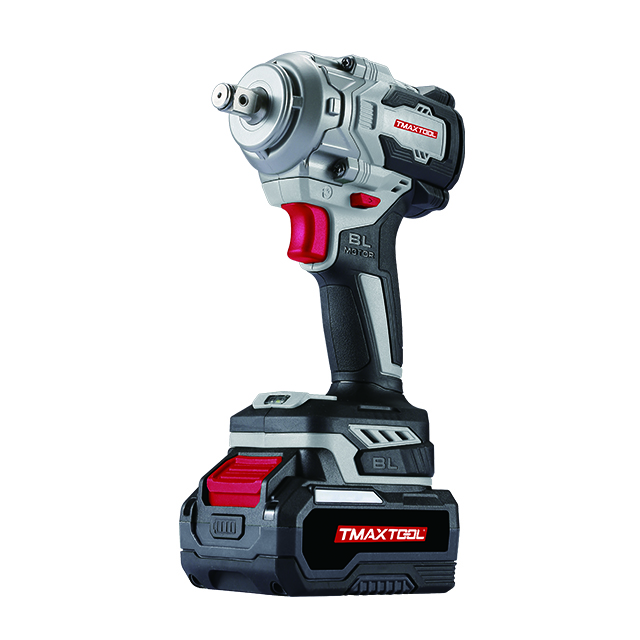
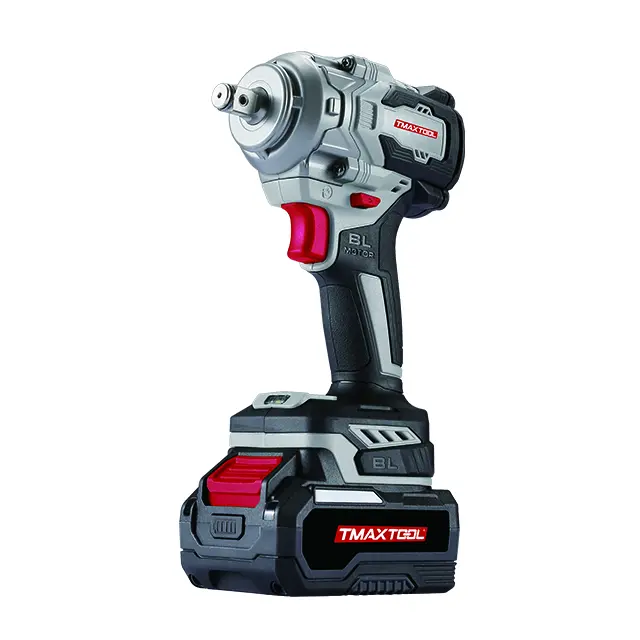
 Impact Wrench
 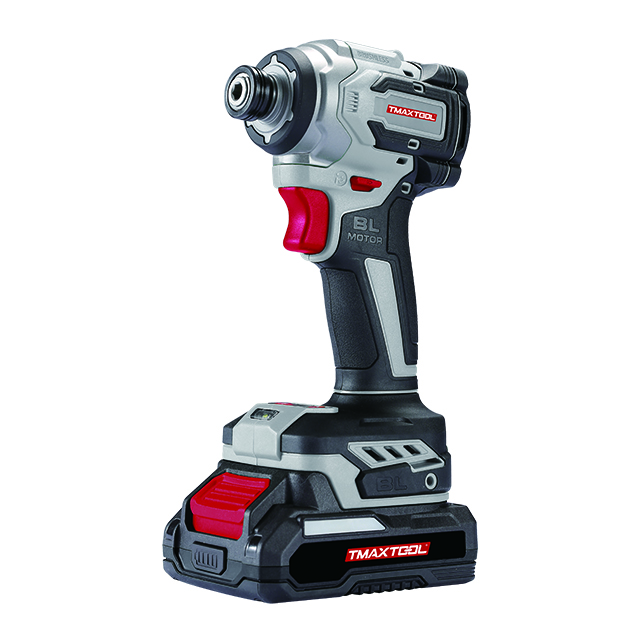 Screwdriver
 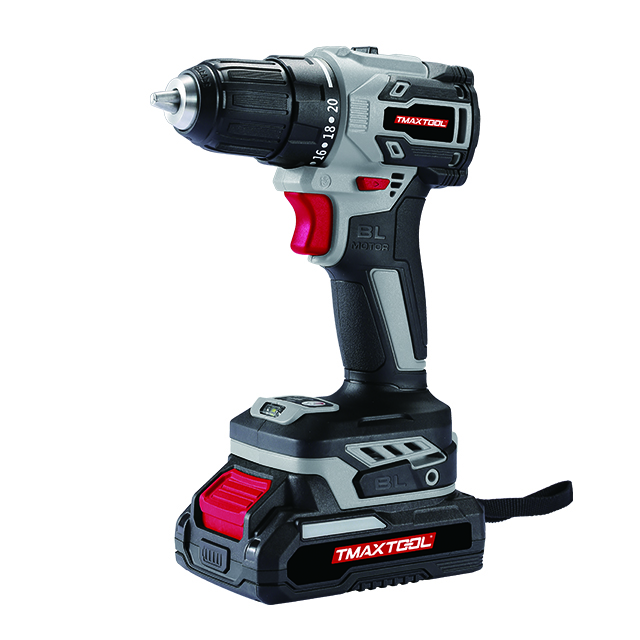 Cordless Drill
 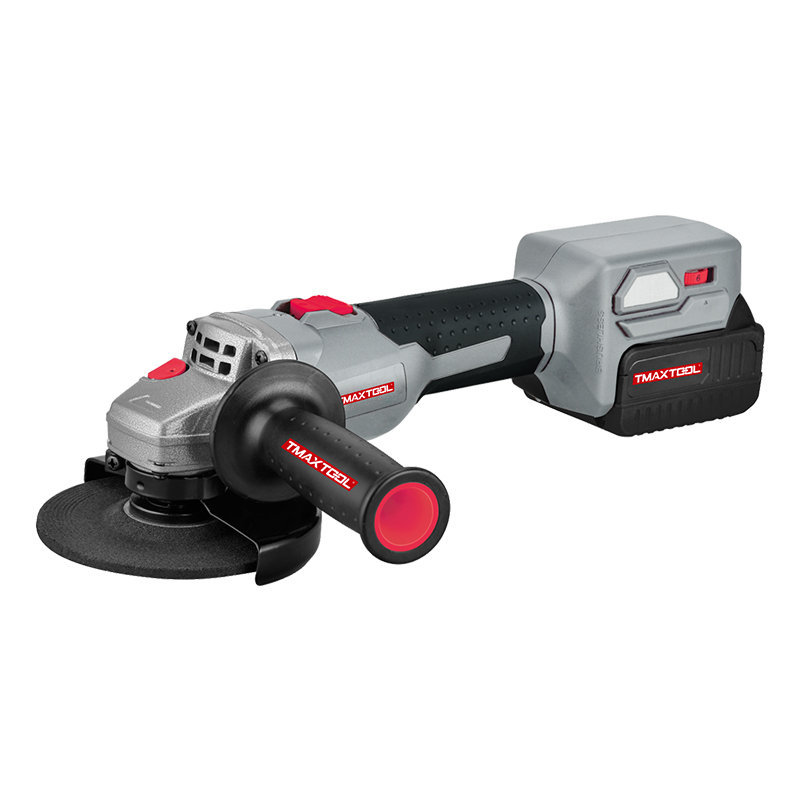 Angle Grinder
 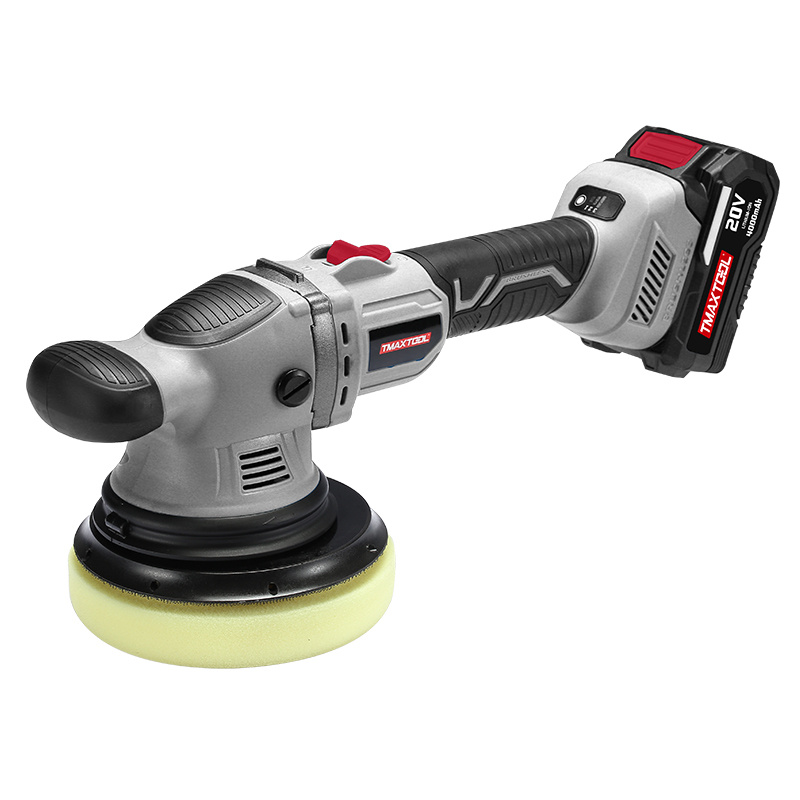 Polisher
 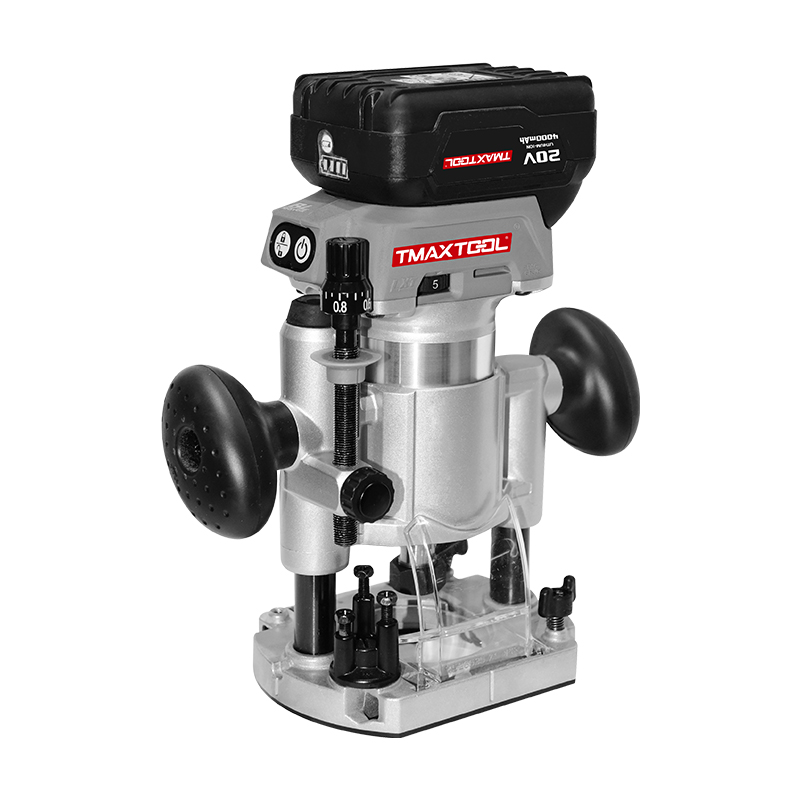 Wood Router
 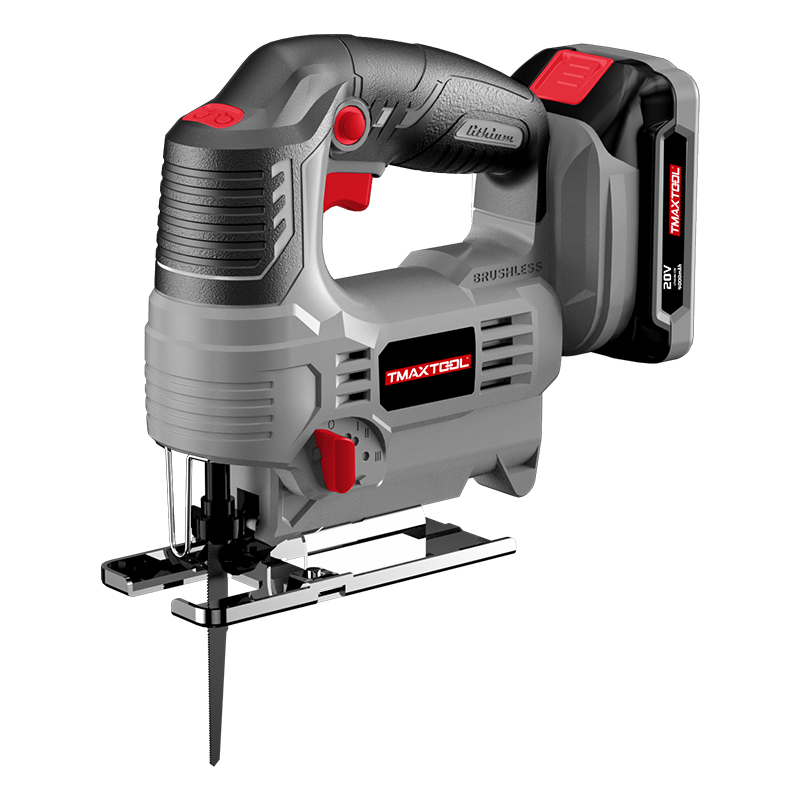 Jig Saw
 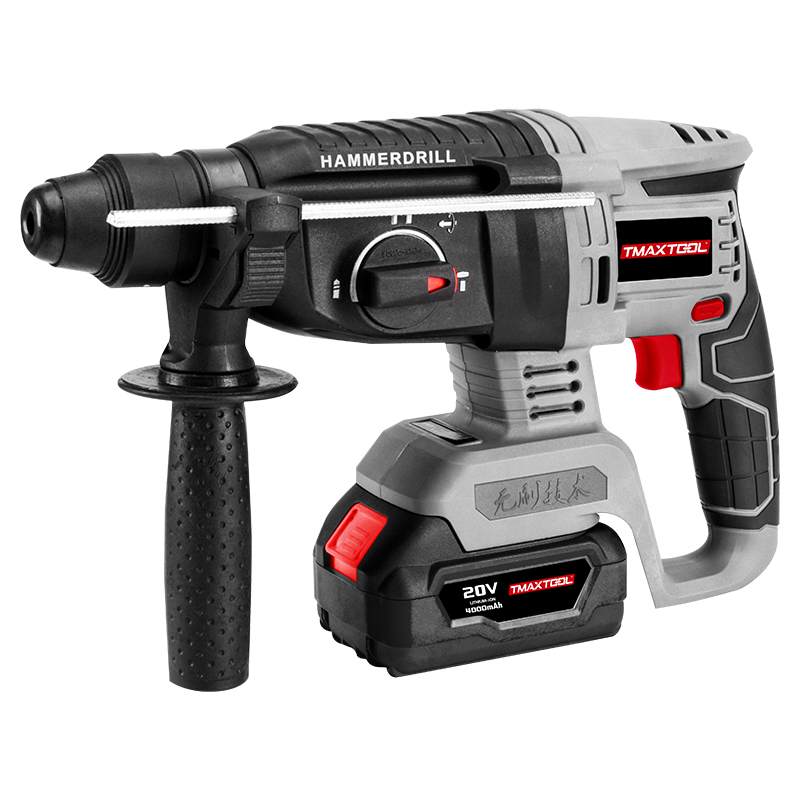 Hammer Drill
 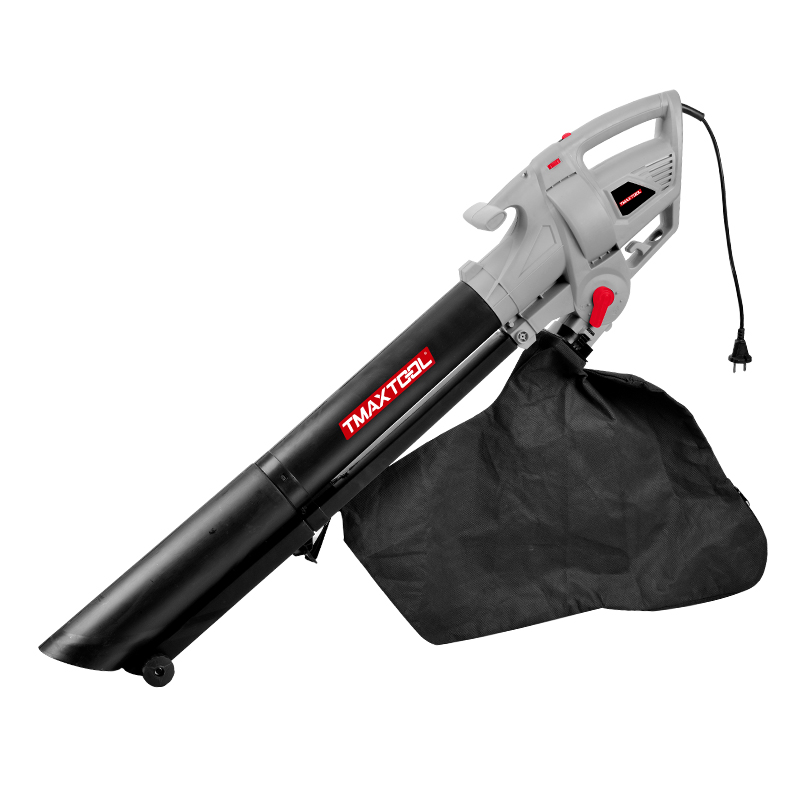 Portable Blower
 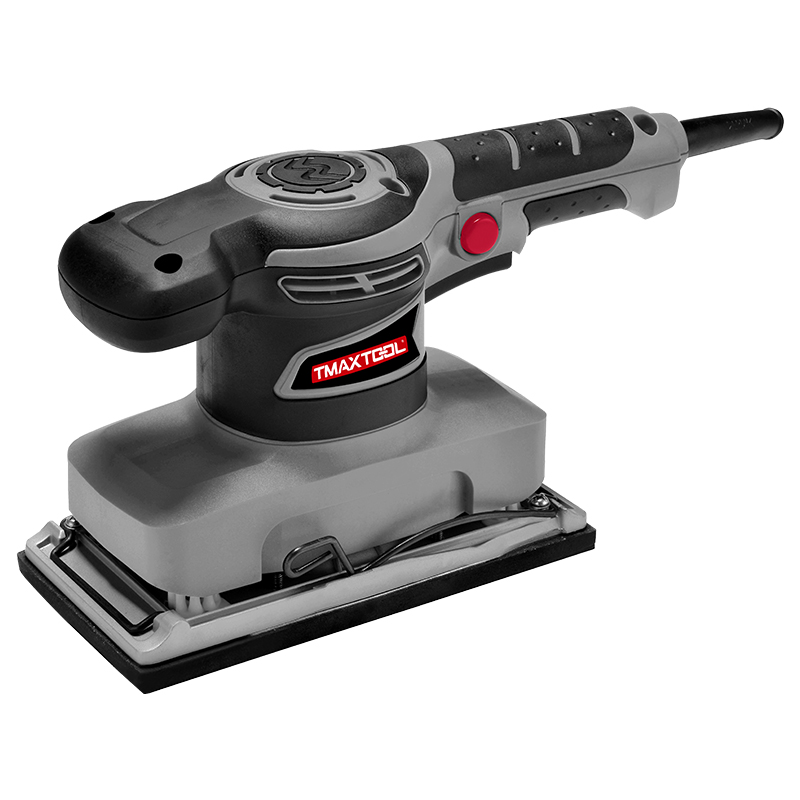 Orbital Sander
 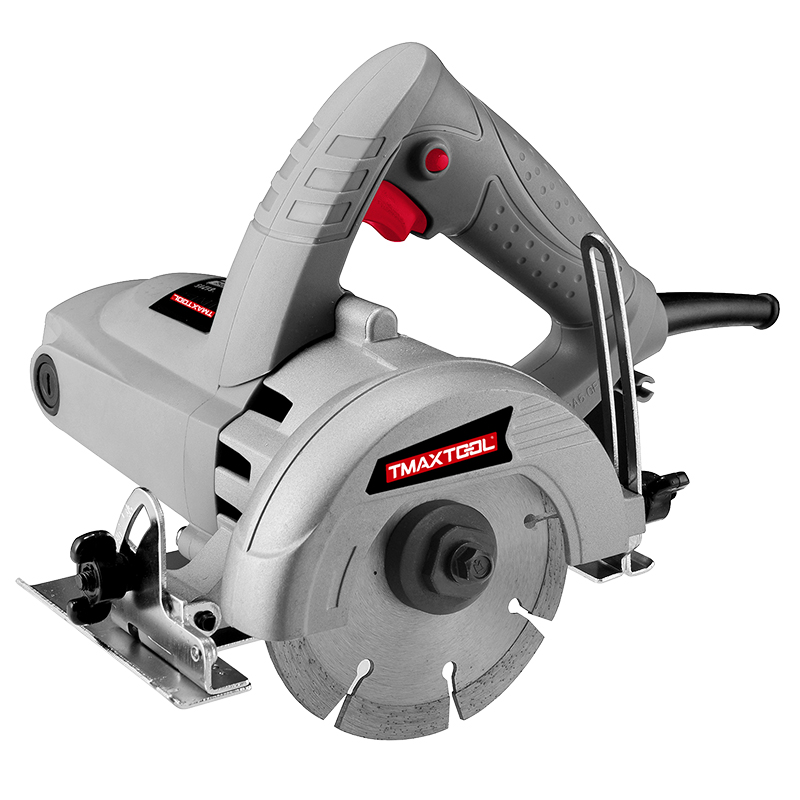 Marble Cutter
  GARDEN TOOLS
 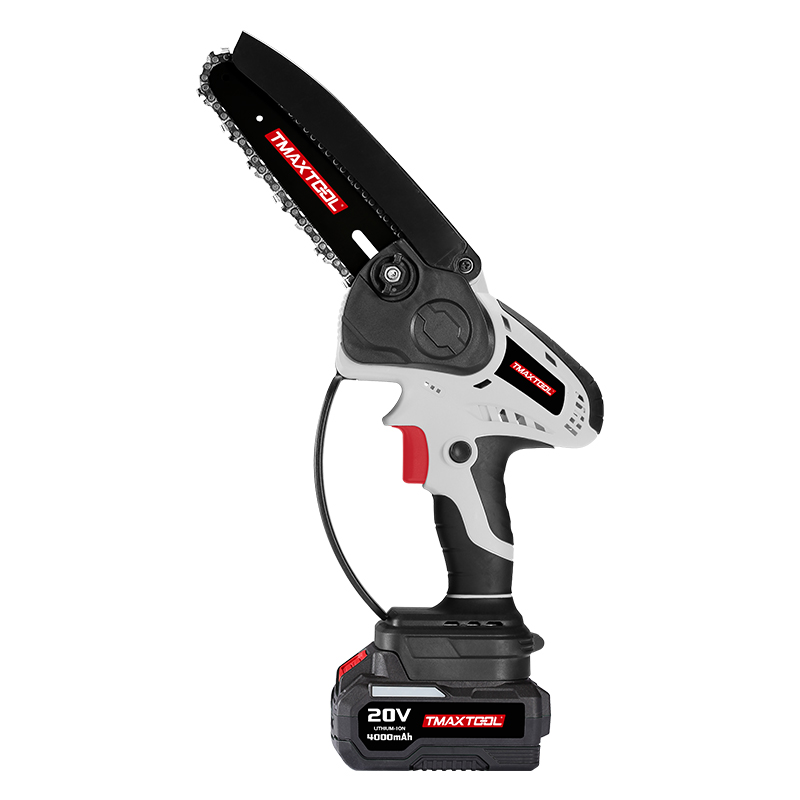 Battery Chain Saw
 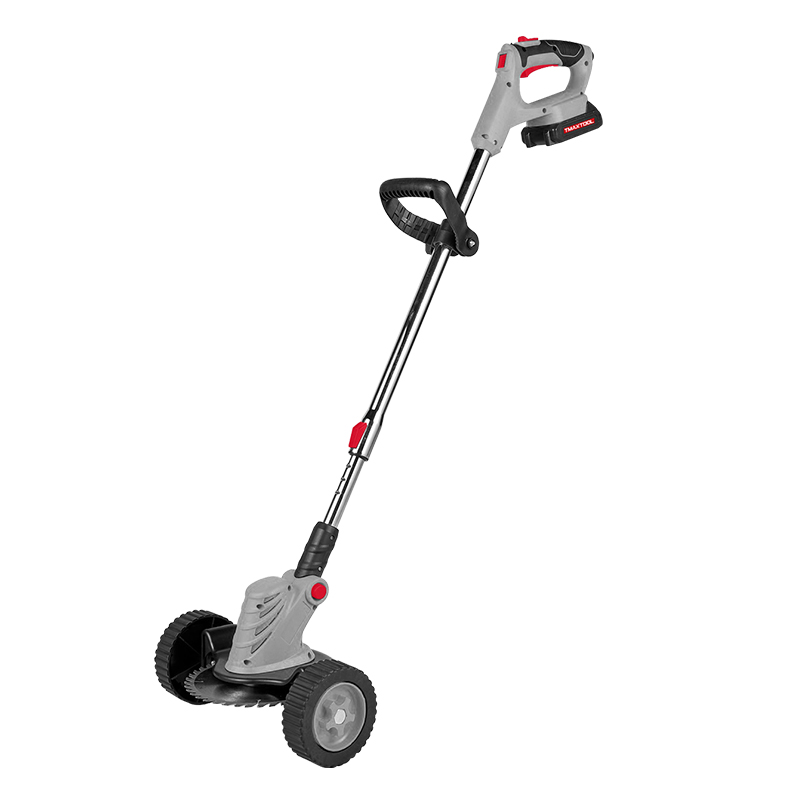 Battery Brush Cutter
 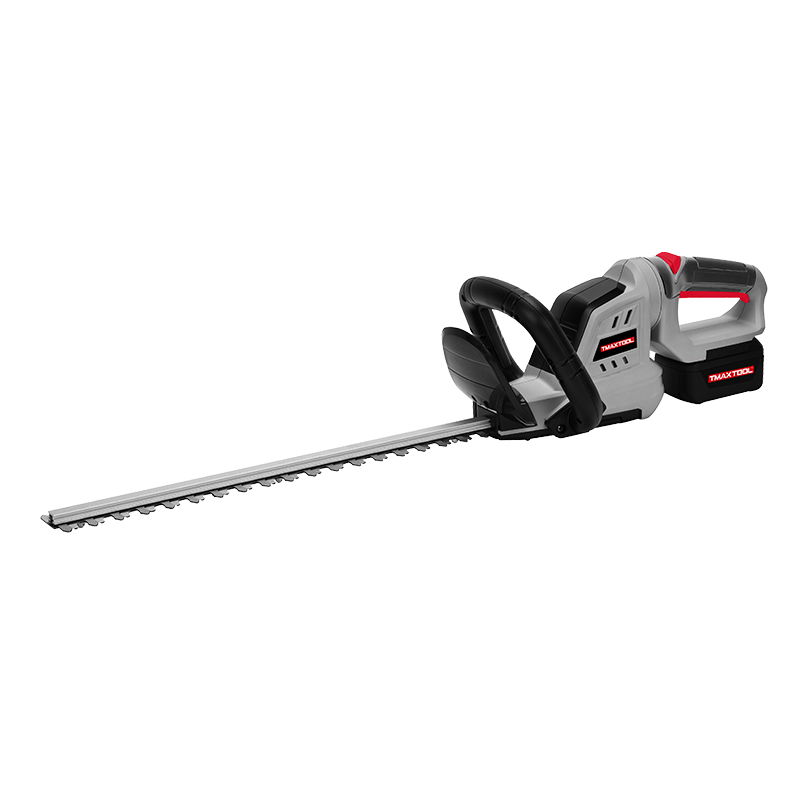 Battery Hedge Trimmer
 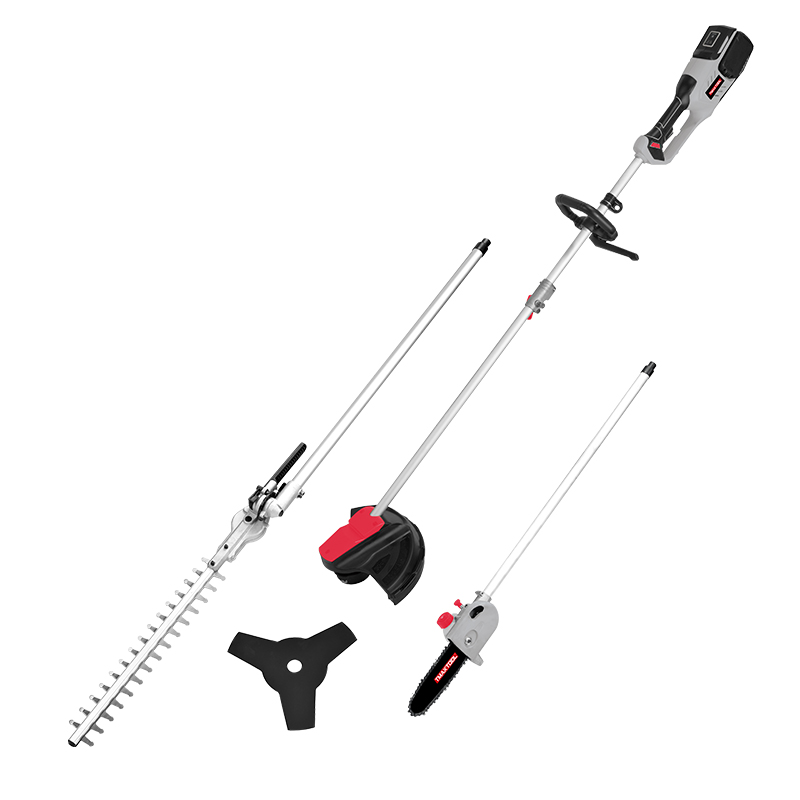 Battery Multi Tool
 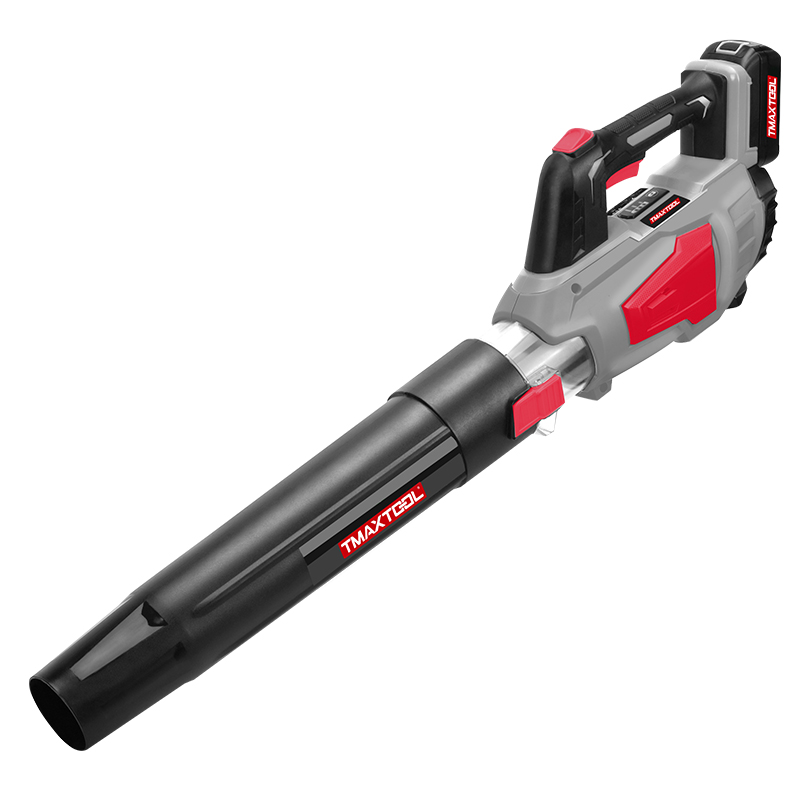 Battery Blower
 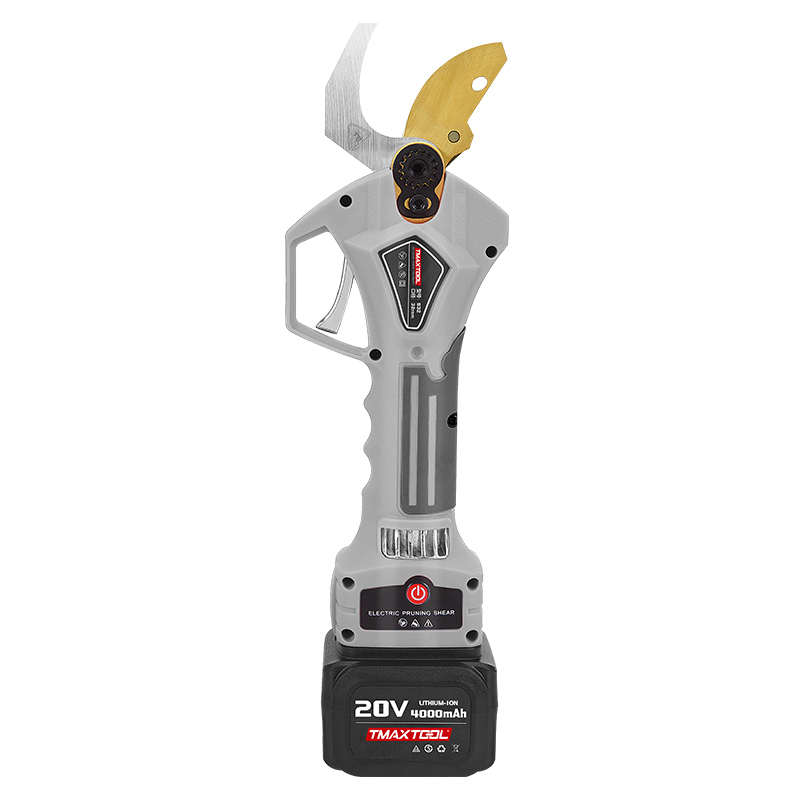 Batter Pruning Shears
 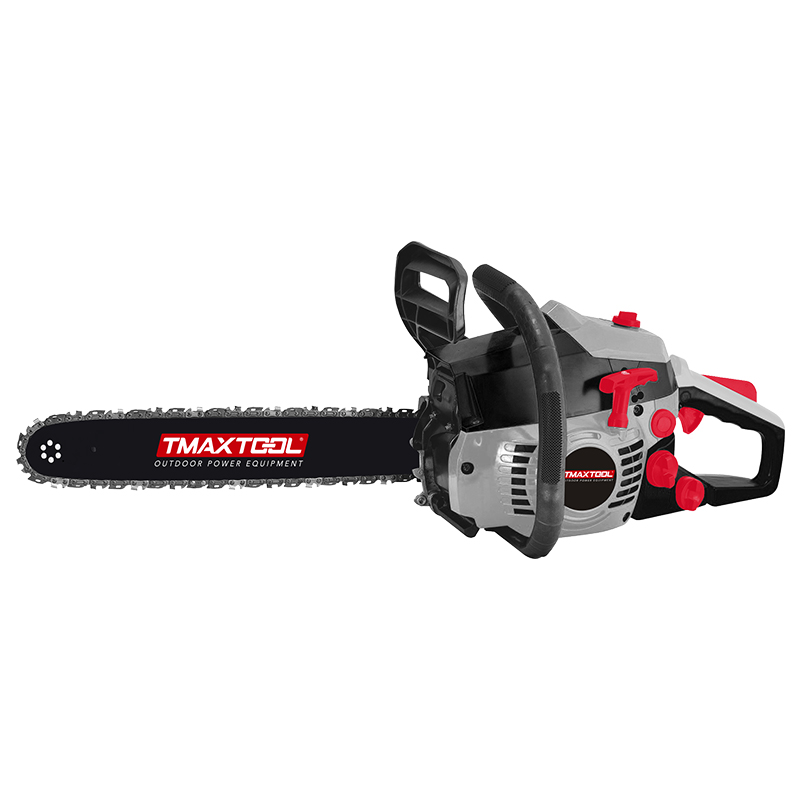 Chain Saw
 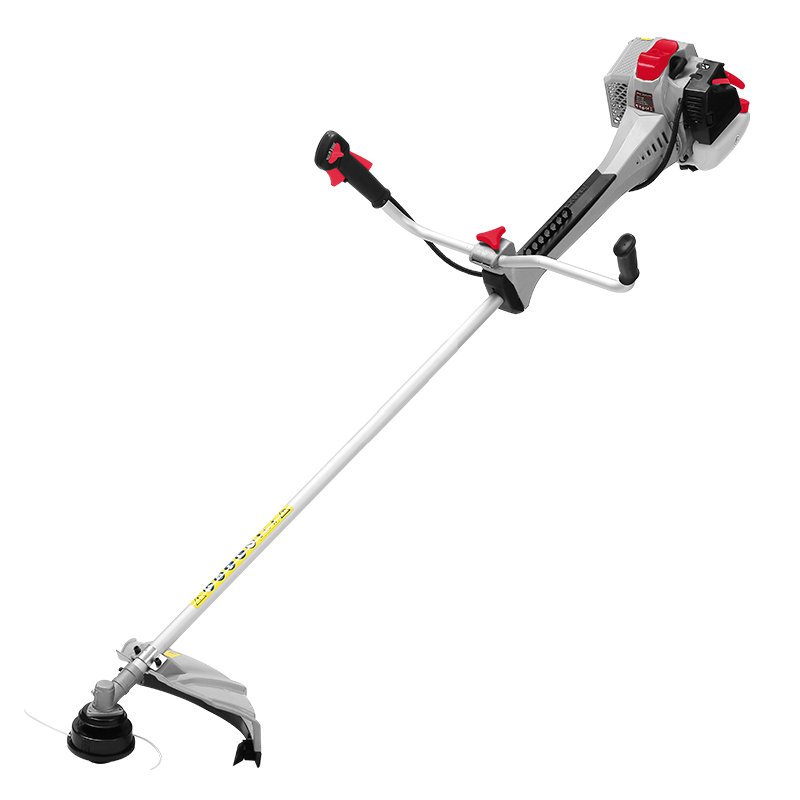 Brush Cutter
 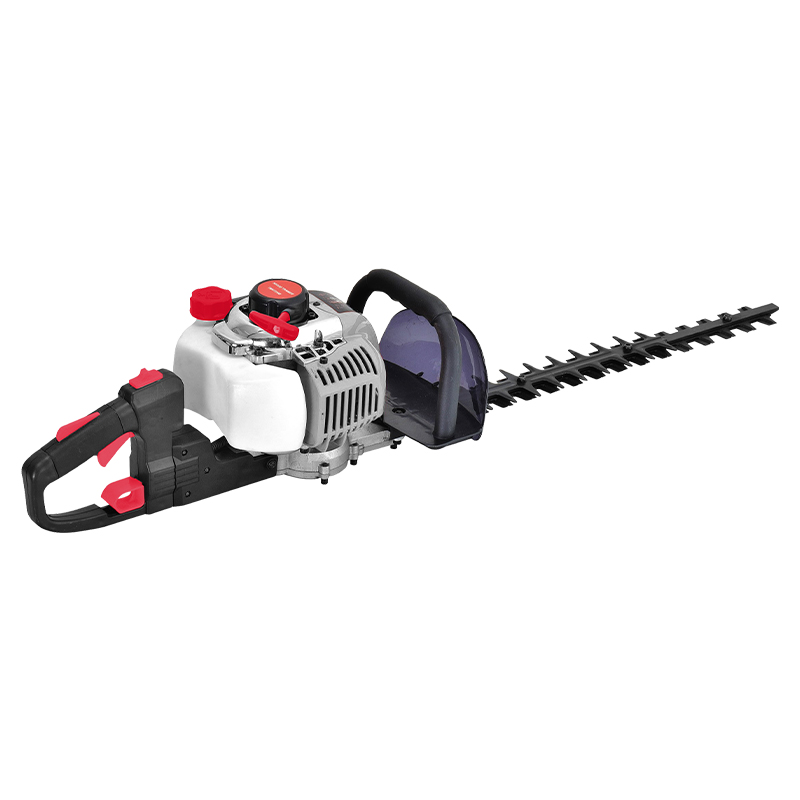 Hedge Trimmer
 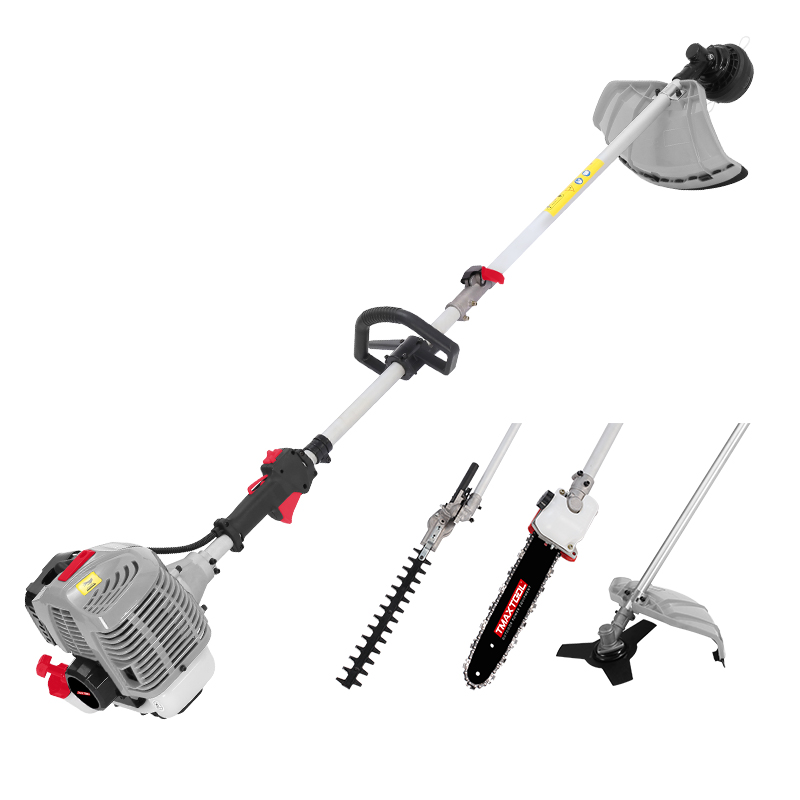 Multi Tool
 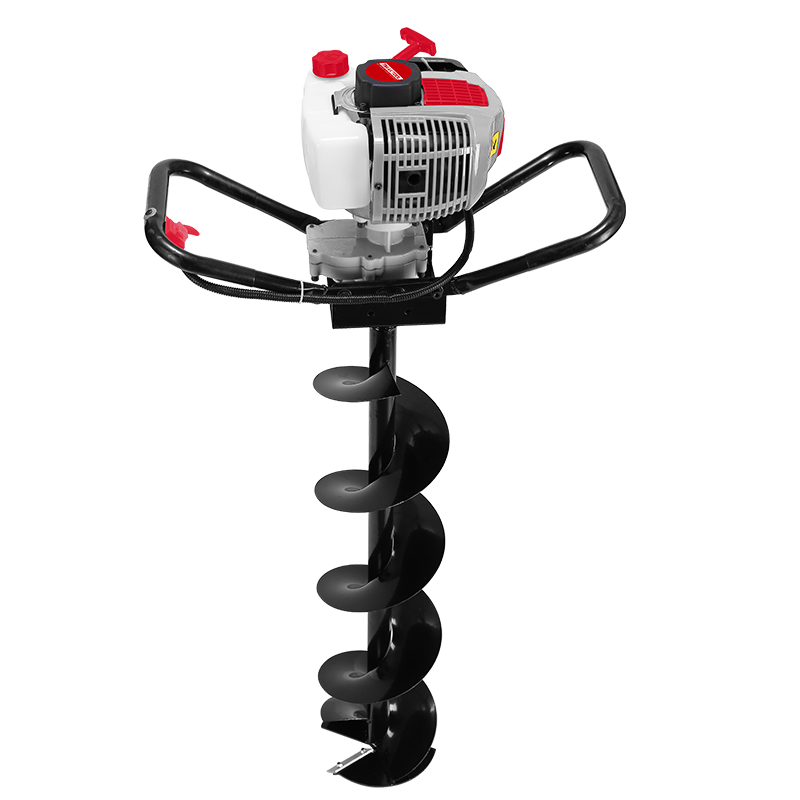 Earth Auger
 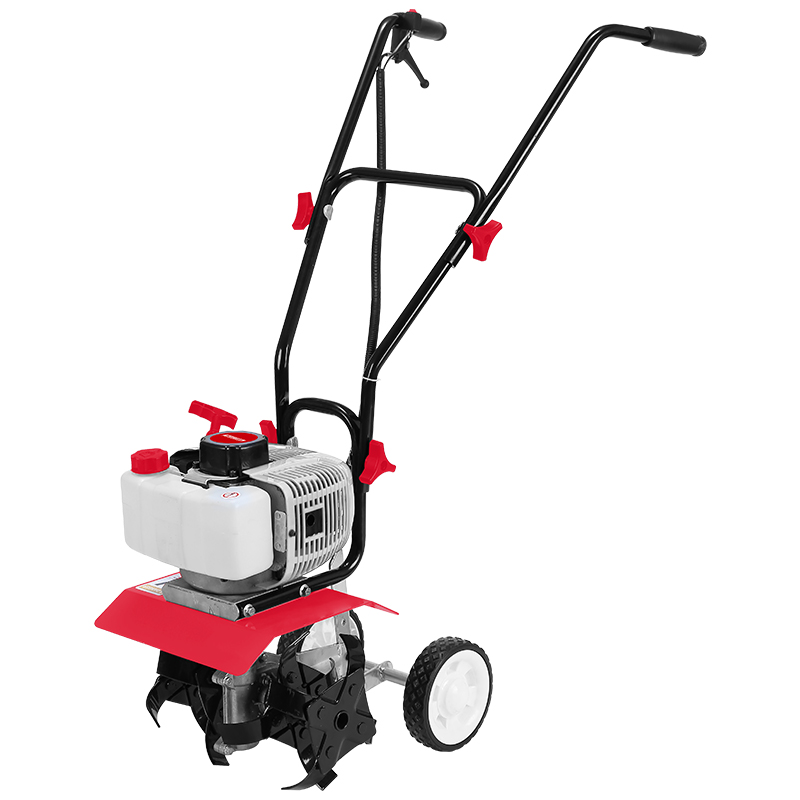 Tiller
 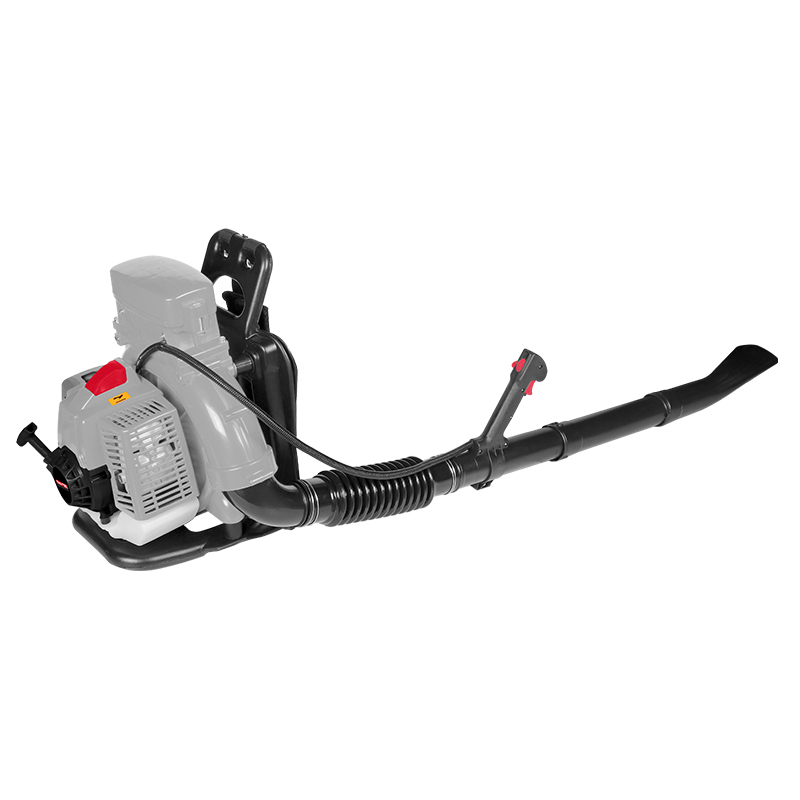 Blower
 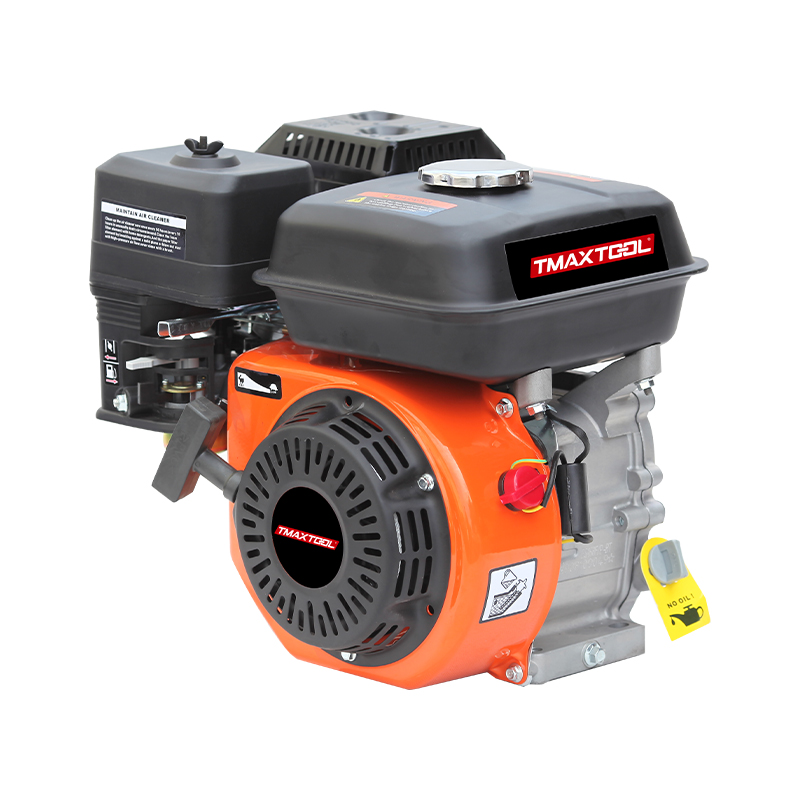 4 Stroke Gasoline Engine
 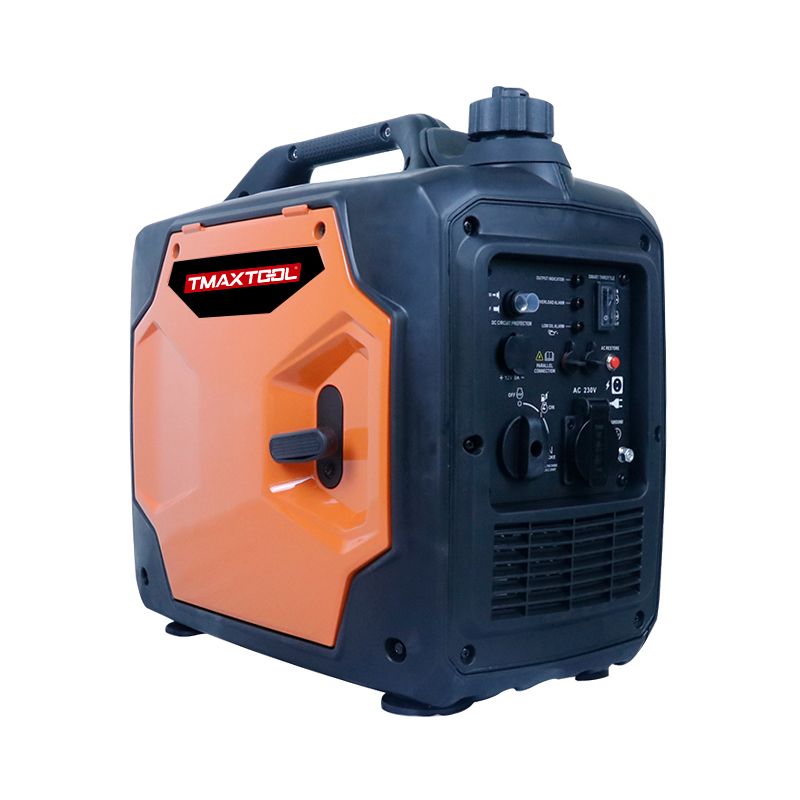 Generator
 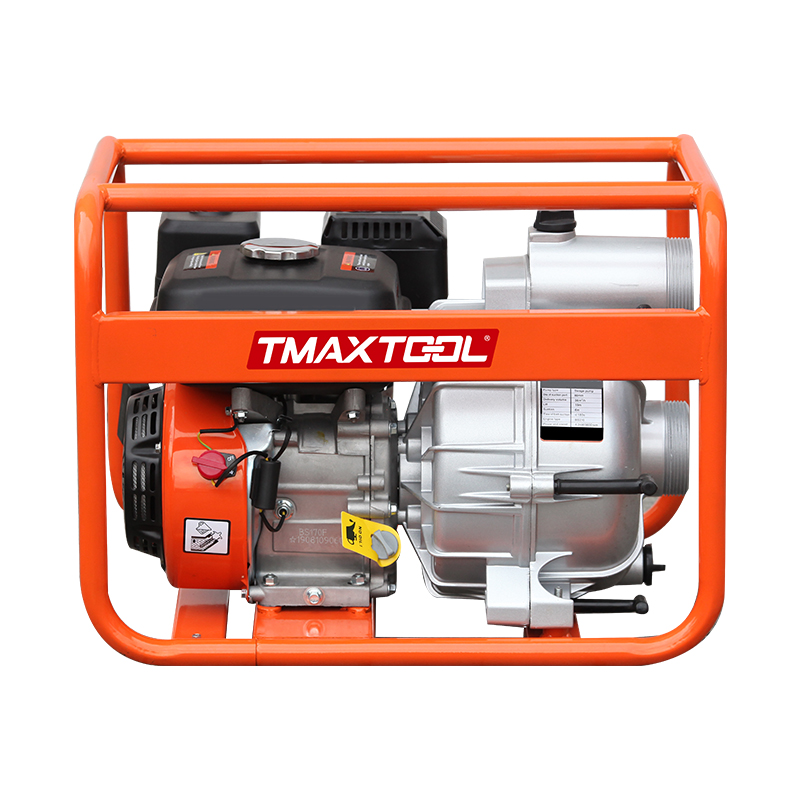 Water Pump
 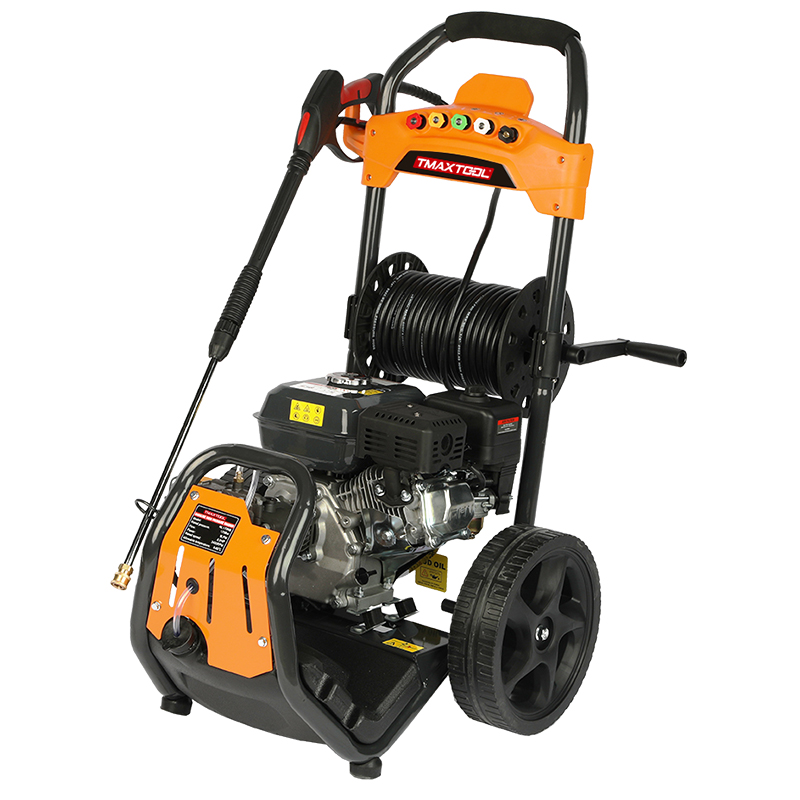 High Pressure Washer
 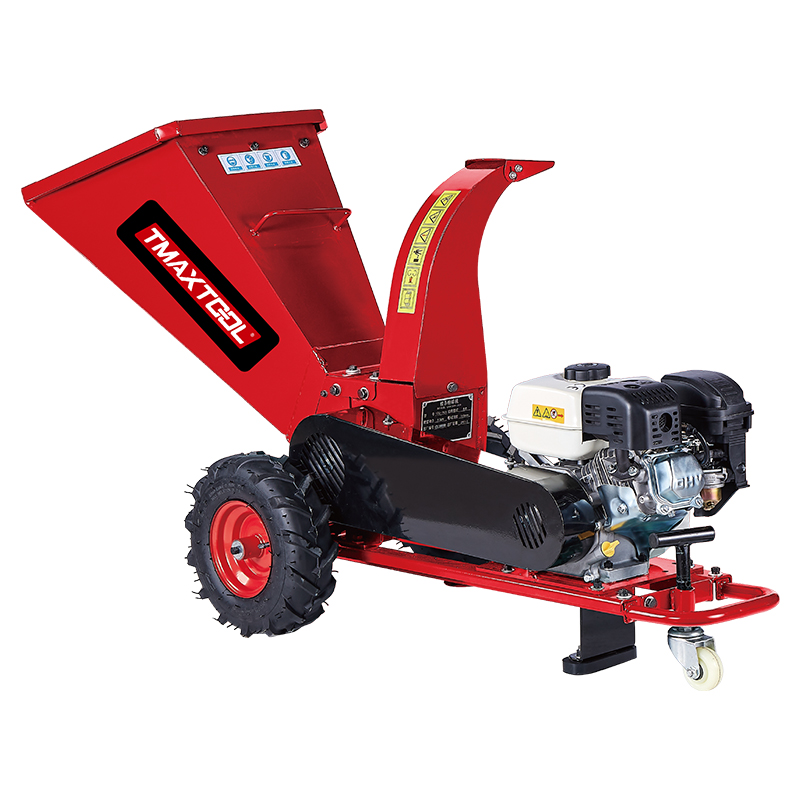 Wood Cutter
 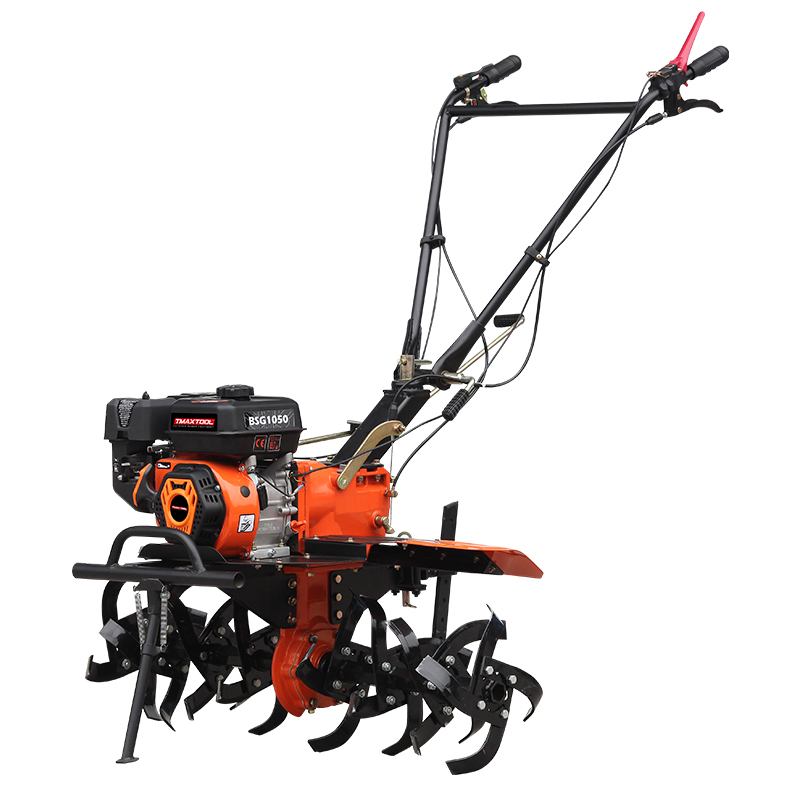 4 Stroke Tiller
 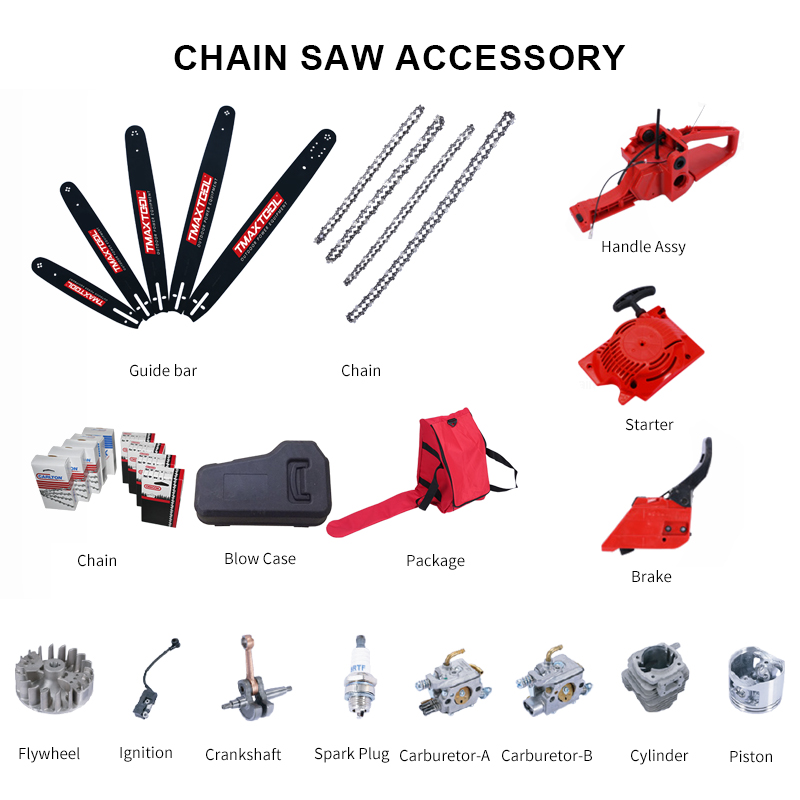 Chain Saw Accessory
 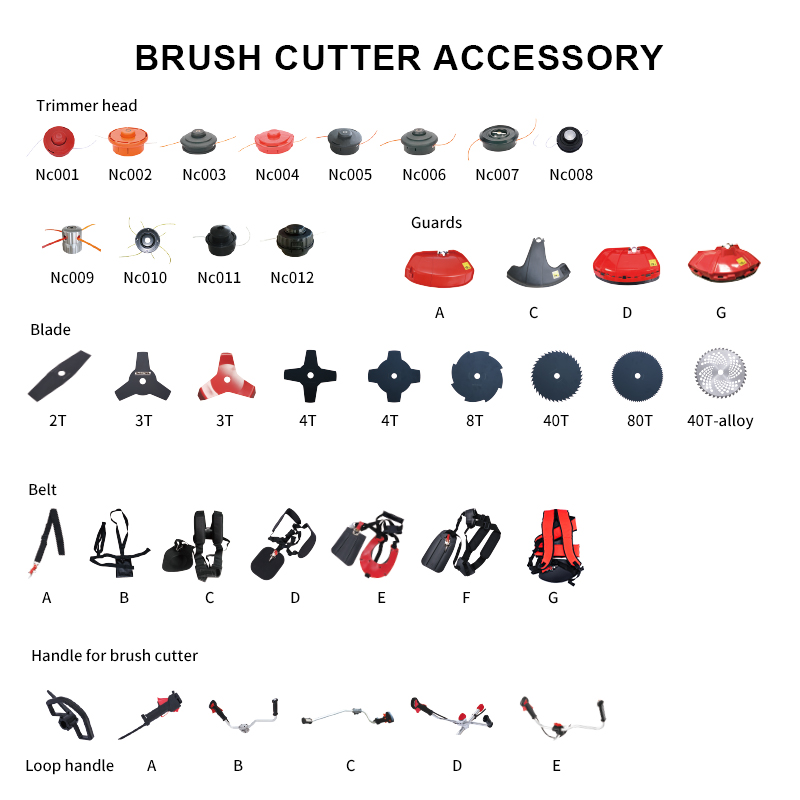 Brush Cutter Accessory
 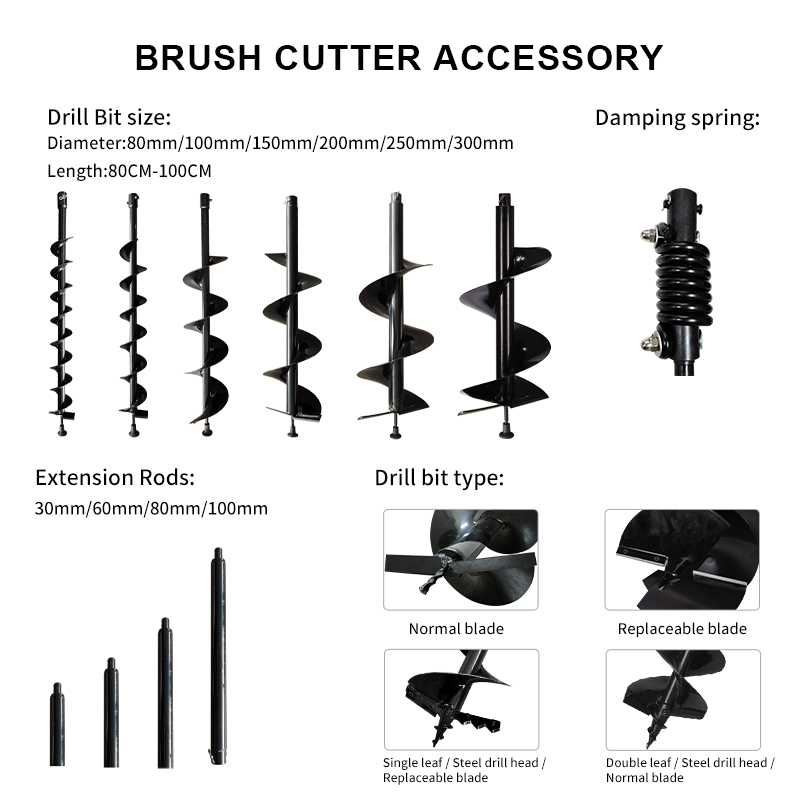 Earth Auger Accessory
 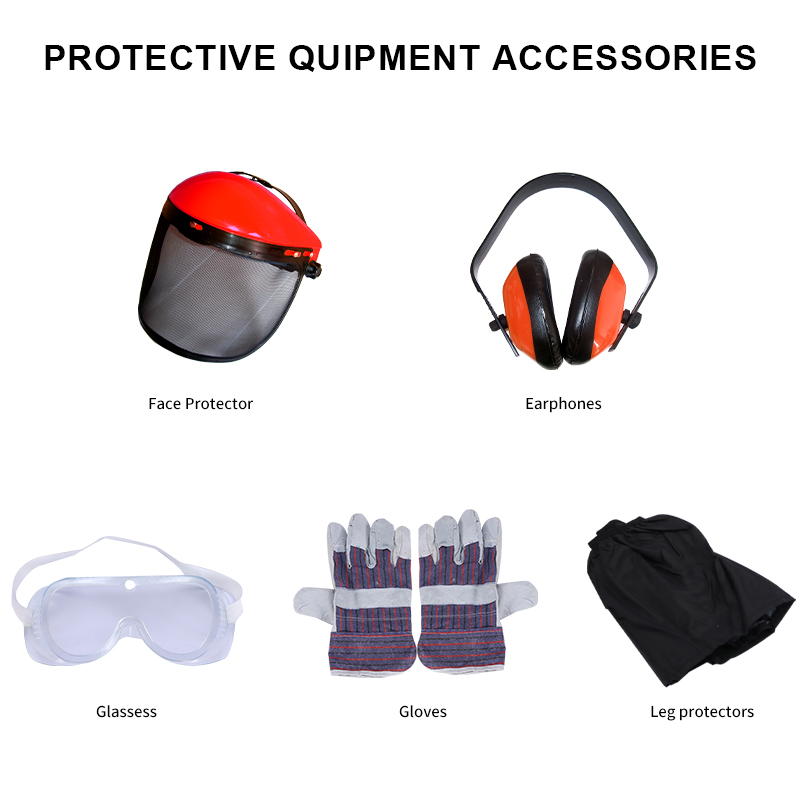 Protective Equipment Accessories
Leave Your Message


Southeast Asia's power tool demand explodes: Key points for wholesale market access in Vietnam and Indonesia
Southeast Asia's Power Tool Demand Explodes: Key Points for Entering the Wholesale Markets of Vietnam and Indonesia
While global power tool market growth is gradually slowing to an average of 4.6%, the Southeast Asian market is emerging as a new golden opportunity, far outpacing global growth. Vietnam and Indonesia, driven by a triple threat of infrastructure expansion, a rising manufacturing sector, and accelerated urbanization, are the core drivers of this demand surge. For international professional buyers, understanding the logic behind entering these two markets will not only help them seize incremental growth but also build long-term competitive advantages. This article will systematically analyze the key points and practical strategies for entering the wholesale markets of these two countries, focusing on market opportunities.

I. On the Eve of the Explosion: The Growth Logic and Demand Characteristics of the Vietnamese and Indonesian Markets
The explosion of the Southeast Asian power tool market is not accidental; it is the inevitable result of reaching a certain stage of economic development. Although both Vietnam and Indonesia are experiencing rapid growth, their demand structures and market characteristics differ significantly. Accurately understanding these differences is a prerequisite for successful entry.
(I) Vietnam: A Blue Ocean of Industrial-Grade Demand Created by Manufacturing Relocation
Vietnam has become a core destination for global manufacturing relocation. The rapid expansion of the Northern Industrial Cluster and the Red River Delta Economic Zone has driven demand for industrial-grade power tools to an average annual growth rate exceeding 18%. Its market exhibits two distinct characteristics:
High import dependence: Domestic production capacity can only meet 40% of demand for household tools, while industrial-grade tools are almost entirely imported. In 2024, electromechanical products accounted for 55% of Vietnam's imports from China, of which power tools accounted for 15%. Leveraging its cost advantages, China held a 58% market share, becoming Vietnam's largest source of imports.
Clear demand structure: High-pressure cleaners, drills, screwdrivers, and accessories consistently rank at the top of the best-selling lists on e-commerce platforms. In high-end residential construction projects in Ho Chi Minh City, procurement of supporting power tools has increased by 30% annually. The industrial-grade market is still dominated by brands such as Bosch and Makita, but Chinese products with outstanding value for money are rapidly penetrating.
(II) Indonesia: A market driven by a boom in infrastructure construction, experiencing growth across all product categories
As Southeast Asia's most populous country, Indonesia's infrastructure development plans and demand for manufacturing upgrades are driving the continued expansion of the power tool market. Its market characteristics are also notable:
Strong Growth Momentum: From the Jakarta-Bandung High-Speed Railway to the construction of the new capital, large-scale infrastructure projects have led to a surge in demand for electric welding tools, cutting machines, and other engineering tools. High-pressure washers have become a popular category for both home and commercial use. While demand for lithium-ion tools remains strong, technological limitations have slowed their transition.
High Channel Concentration: Over 90% of wholesale transactions are concentrated in specialized markets. LTC Glodok in Jakarta, Southeast Asia's largest hardware and electrical equipment distribution center, accounts for 70% of the country's industrial procurement demand. Leading distributors such as PT. Indah Jaya control core distribution channels through a network spanning 25 cities.
II. Access Core: Compliance Thresholds and Practical Key Points for the Vietnamese Market
Vietnam's market access system is centered around CR certification. Combined with RCEP tariff preferences and localized channel deployment, it forms a multi-tiered access framework. For international buyers, overcoming three key hurdles: certification, tariffs, and channels is crucial.
(I) Compulsory Certification: The CR Mark is a "Passport" for Customs Clearance
Since the implementation of the new QCVN 4:2023 standard in 2024, CR certification (Certification Regulation) has become mandatory for power tools to enter the market. Uncertified products face the risk of customs clearance obstacles and market bans. Its core requirements include:
Certification Scope and Standards: Covers all handheld power tools and industrial-grade equipment. Testing is conducted in accordance with the TCVN national standard (equivalent to the IEC 60745 series). Electromagnetic compatibility (EMC) limits are 15dB stricter than those for household appliances. Wireless charging tools must also meet the new magnetic field exposure limits.
Application Process and Cost: Applications must be made through Vietnamese accredited organizations such as QUACERT and SGS. The process includes submission of technical documents (including a list of key components and ISO 9001 certification), sample testing (2-4 weeks), and a factory inspection (for high-risk products). The total cost is approximately US$5,000-15,000, and the certificate is valid for three years.
Key Notes: Non-Vietnamese companies must designate a local agent to assist with the application. All technical documents must be provided in both Vietnamese and English, and product warning labels must include Vietnamese. Failure to pass the test requires re-inspection after rectification. A two-month grace period is recommended.
(II) Tariffs and Customs Clearance: Cost Optimization Opportunities under the RCEP Framework
Vietnam has implemented significant tariff reductions on power tools under the RCEP framework, providing cost optimization opportunities for international buyers:
Tariff Rates: The most-favored-nation rate for handheld power tools (HS code 8467299000) is 8%, and the standard rate is 30%. RCEP member countries can enjoy further reductions and exemptions with certificates of origin, and some categories have already achieved zero tariffs.
Tax Composition: In addition to tariffs, a 10% value-added tax (VAT) is payable, and no consumption tax is required. Customs clearance requires submission of documents such as a certificate of origin, commercial invoice, and packing list. All documents must be authenticated by a Vietnamese notary public.
Customs Clearance Tips: Lithium battery tools must be declared separately, and a UN3481/UN3171 classification certificate and a dangerous goods packaging certificate must be provided. It is recommended to choose hub ports such as Ho Chi Minh Port or Hai Phong Port to shorten customs clearance times to 3-5 business days.
(3) Distribution Channels: Focus on Core Markets and Professional Platforms
Vietnam's wholesale market is characterized by a "strong south, prosperous north" structure, requiring precise channel positioning:
Core Wholesale Markets: Ho Chi Minh City accounts for 60% of the country's wholesale transactions. Its hardware and small appliance wholesale market boasts hundreds of vendors, offering a full range of products, from household tools to industrial equipment. Hanoi's Lao Miao Market is the core distribution center in the north, focusing on welding equipment and metalworking tools.
Efficient Matchmaking: Participating in the Vietnam International Industrial Manufacturing and Materials Technology Exhibition (VINAMAC) is a key way to access high-quality distributors. The exhibition attracts over 200 international exhibitors and tens of thousands of professional buyers annually. Partnering with local Chinese distributors can reduce communication costs; these distributors account for approximately 30% of the market.
Online and Offline Integration: Leading distributors have generally established online channels. Initial connections can be established through local B2B platforms, and then in-person factory visits can deepen cooperative trust.

III. Key Market Access: Compliance Barriers and Breakthrough Strategies in the Indonesian Market
The Indonesian market is characterized by a strict SNI certification system and a complex channel ecosystem. The entry process requires a balance between technical compliance and localized operational capabilities.
(I) Dual Certification: The Technical Barrier Created by SNI and K3L
Indonesia implements dual mandatory certification for power tools. Both are essential, and the certification cycle and technical requirements are among the highest in Southeast Asia:
Core Requirements of SNI Certification: As a national mandatory standard, based on the IEC 60745 series and incorporating localized supplementary requirements, it focuses on two key areas: mechanical strength and electrical safety. Regarding mechanical strength, handheld tools must pass a 1-meter drop test onto concrete, and the transmission system must withstand several hours of rated load endurance testing. Regarding electrical safety, double insulation is required, and the voltage withstand test requires withstanding 1250V-3750V AC voltage for one minute without breakdown.
K3L Certification Supplementary Requirements: Additional safety certification for handheld power tools, focusing on testing indicators such as insulation resistance and withstand voltage. Uncertified products such as Electric Drills and angle grinders are prohibited from entering the wholesale market.
Practical Certification Key Points: Testing must be conducted by an accredited Indonesian laboratory such as Sucofindo, and detailed technical documentation such as circuit diagrams and exploded diagrams must be submitted. Some product categories will also require factory inspections. The new SNI 6189-1 standard, which will be implemented in 2024, will add testing requirements for lithium battery tools. The certification process will be extended to 6-8 weeks, with costs estimated at approximately US$8,000-20,000.
(II) Tariffs and Logistics: Optimization Solutions for High Costs
Indonesia's tariffs and logistics costs are significantly higher than the Southeast Asian average. Reasonable planning can effectively reduce overall costs:
Tax Structure: The average tariff for power tools is 5-10%, and the VAT is 11%. Some high-end products are subject to an additional luxury tax. The most-favored-nation tariff rate for handheld power tools (HS code 8467299000) is 8%, but actual collection must be calculated based on product brand and value.
Logistics Pain Point Solutions: The transportation of lithium battery tools must strictly adhere to the UN3481/UN3171 classification standards. Dangerous Goods Packaging Certificates must be obtained in advance. Choosing the Port of Jakarta as the primary customs clearance port can improve efficiency. For deliveries to remote islands, a seven-day buffer period is required. It is recommended to partner with a local logistics provider to establish a regional distribution center.
Packaging Requirements: Due to the high handling intensity of logistics processes, Indonesia mandates that power tool packaging cartons be at least 5mm thick and must be printed with Indonesian warning labels and the SNI certification mark.
(III) Channel Layout: Relying on Core Distribution Centers and Leading Partners
The high concentration of Indonesia's wholesale market provides a clear direction for channel development. The key lies in leveraging core nodes and high-quality partners:
Core Trading Hub: Jakarta's LTC Glodok Market, located at 127 Hayam Wuruk Street, is a key trading location. It offers a full range of products, including generators, welders, and power tools, and is a key procurement hub for industrial and mining companies. The surrounding warehousing and logistics facilities reduce turnover costs.
Leading Partner Partnership: PT. Indah Jaya Teknik Presisi, Indonesia's largest tool distributor, boasts a network covering 25 cities and experience working with international brands. Partnering with them allows for rapid market penetration. Initially, samples must be provided for a 3-6 month market test. Upon successful completion, products can be included in their chain distribution network.
Trust-Building Strategy: Indonesian distributors value long-term partnerships. For initial collaborations, complete compliance documentation and quality assurance are required. A 1-2 year after-sales service guarantee is recommended. Establishing service outlets in core cities such as Jakarta and Surabaya can significantly increase willingness to collaborate.
IV. Comparison of Core Market Access Differences between Vietnam and Indonesia

V. Practical Strategies: A Comprehensive Process Plan from Compliance to Profitability
(I) Certification Planning: Balancing Efficiency and Cost
Adopting a combined "CB + Target Country Certification" strategy can reduce retesting costs. CB certification results can be directly converted into basic test reports for SNI and CR certification, saving 20% of certification fees and 30% of time. For Vietnam's new QCVN 4:2023 standard, product electromagnetic compatibility optimization should be conducted six months in advance. For Indonesia's SNI certification, suppliers that have passed factory audits should be prioritized to shorten the certification cycle.
(II) Channel Development: A "Trade Show + Local Agent" Dual-Wheel Drive
For the Vietnamese market, connect with potential distributors through the VINAMAC exhibition while relying on local agents to handle customs clearance and after-sales service. For the Indonesian market, it is recommended to first showcase products at the LTC Glodok market before seeking collaboration with leading companies such as Indah Jaya. Regardless of the market, initial collaboration requires a detailed quality assurance agreement and market protection clauses to avoid price wars and channel conflicts.
(III) Product Adaptation: Precisely Responding to Local Needs
To address Indonesia's high voltage fluctuations, optimize the power adapter's voltage range to 180V-240V. For the Vietnamese market, launch more cost-effective basic tools while developing a high-end product line to meet the upgrading needs of the northern industrial region. Regarding packaging, Indonesia requires thicker cartons with an additional moisture barrier, while Vietnam requires bilingual Vietnamese and English instructions printed on the outside of the packaging.
(IV) Risk Control: Dual Assurance of Compliance and Logistics
Establish a compliance document management system to ensure that CR/SNI certificates, certificates of origin, and other documents are valid. For the Indonesian market, additional factory inspection reports must be retained for regulatory spot checks. For logistics, select a freight forwarder certified to transport lithium batteries, and obtain and register dangerous goods packaging certificates and UN numbers in advance. Allow a five-day customs clearance buffer for shipments from Vietnam to Ho Chi Minh City Port, and seven days for shipments from Indonesia to Jakarta Port.