
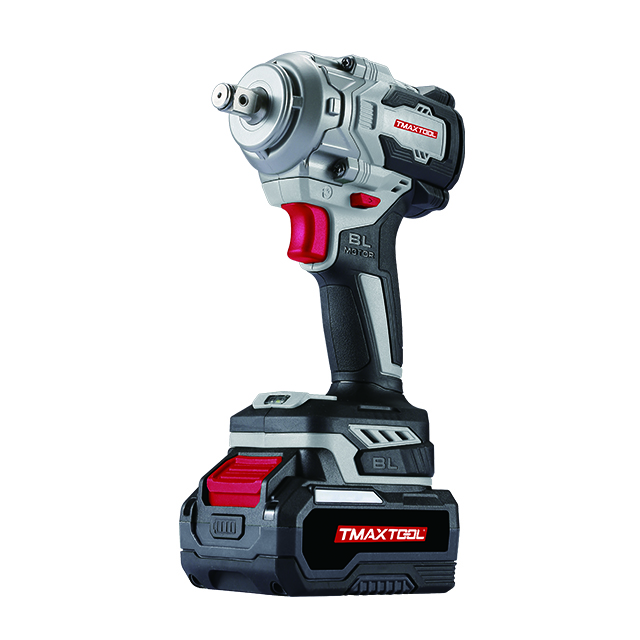
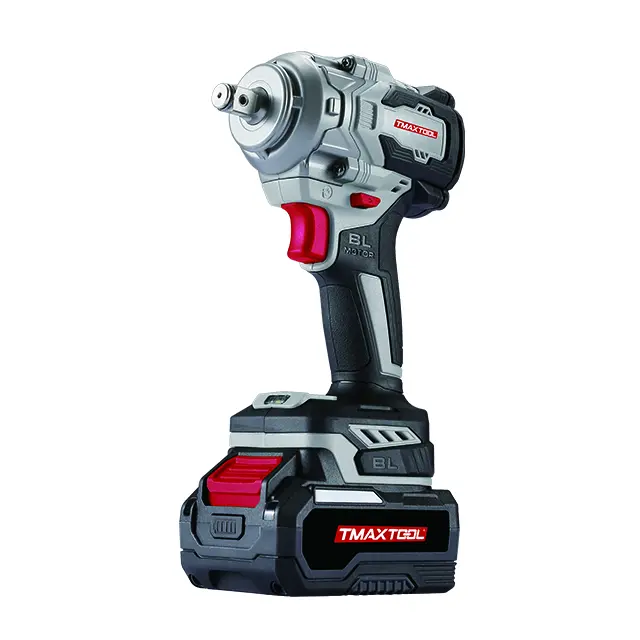
 Impact Wrench
 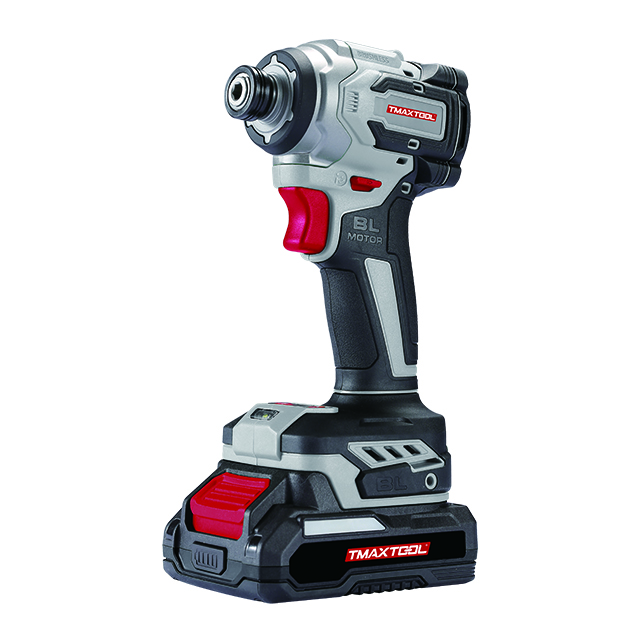 Screwdriver
 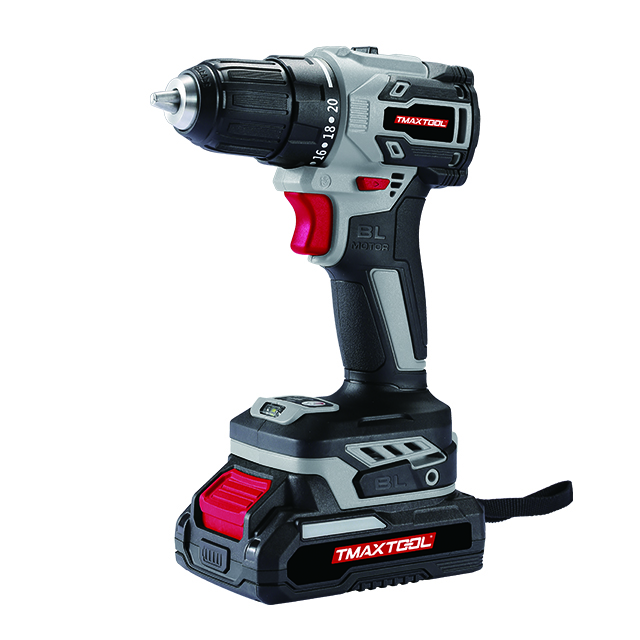 Cordless Drill
 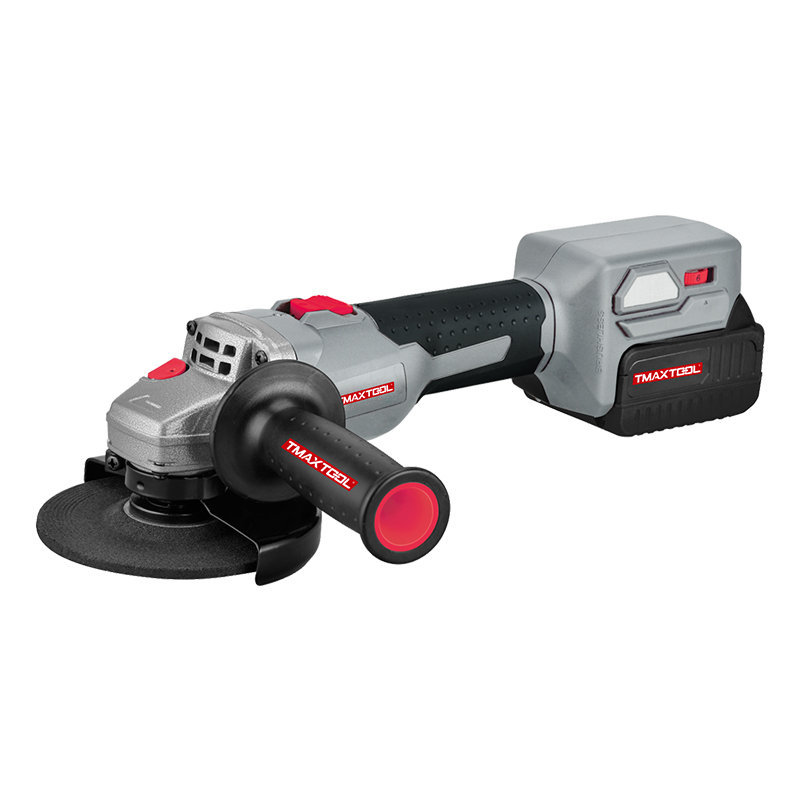 Angle Grinder
  Polisher
 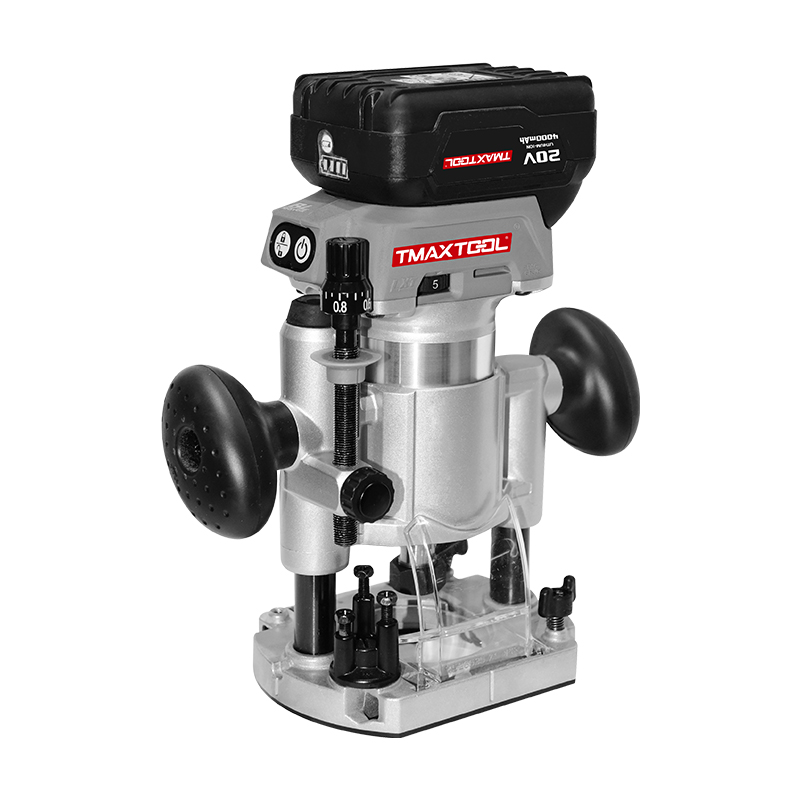 Wood Router
 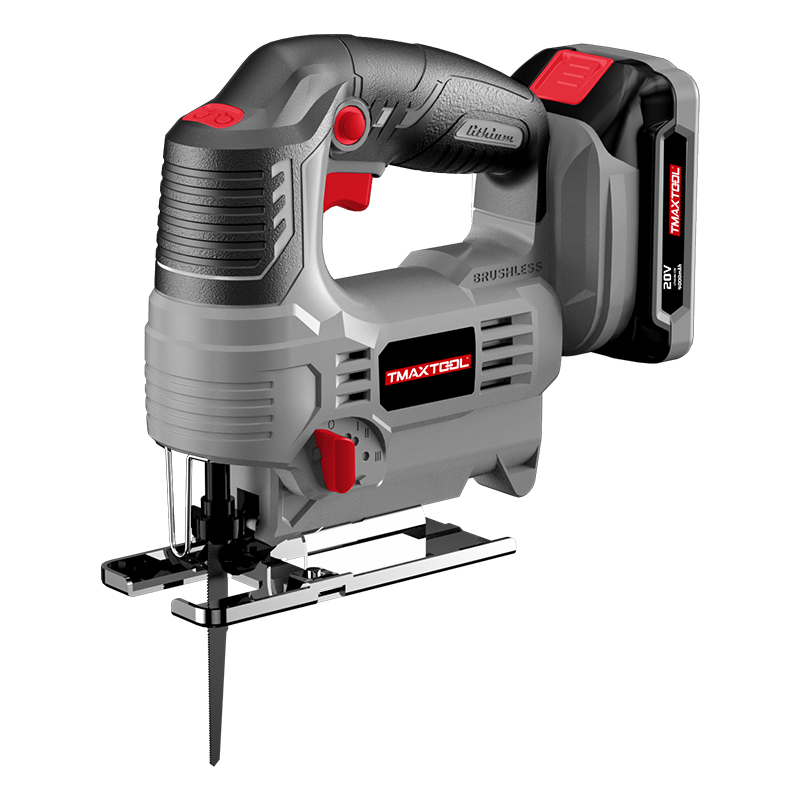 Jig Saw
 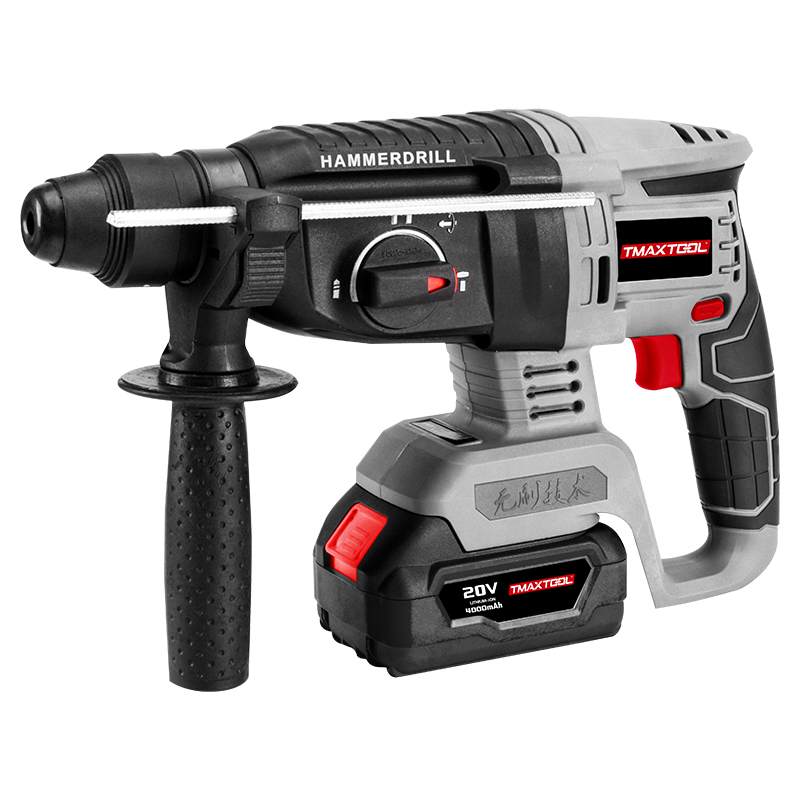 Hammer Drill
 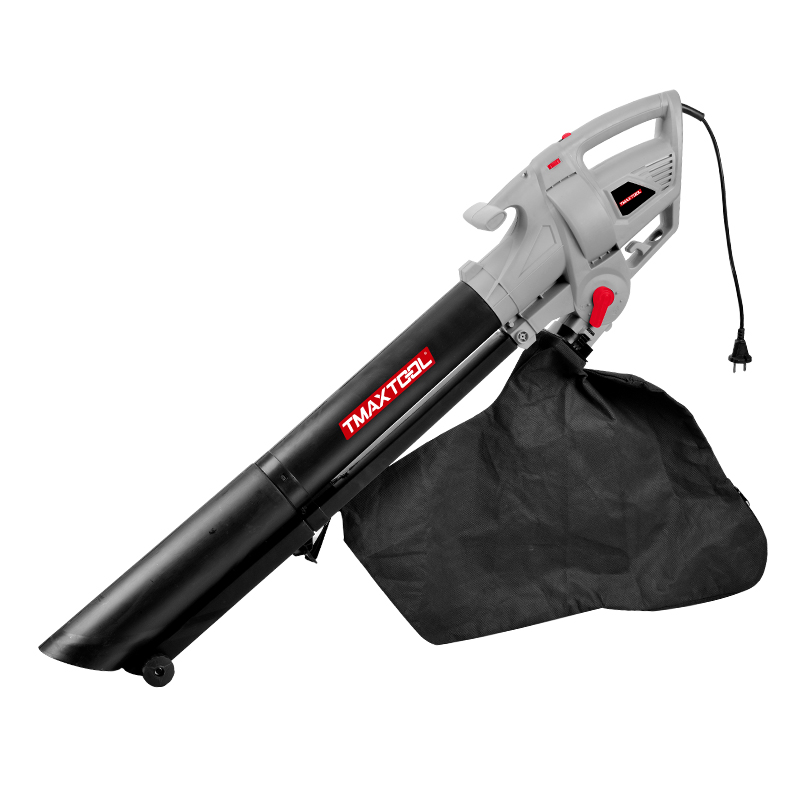 Portable Blower
 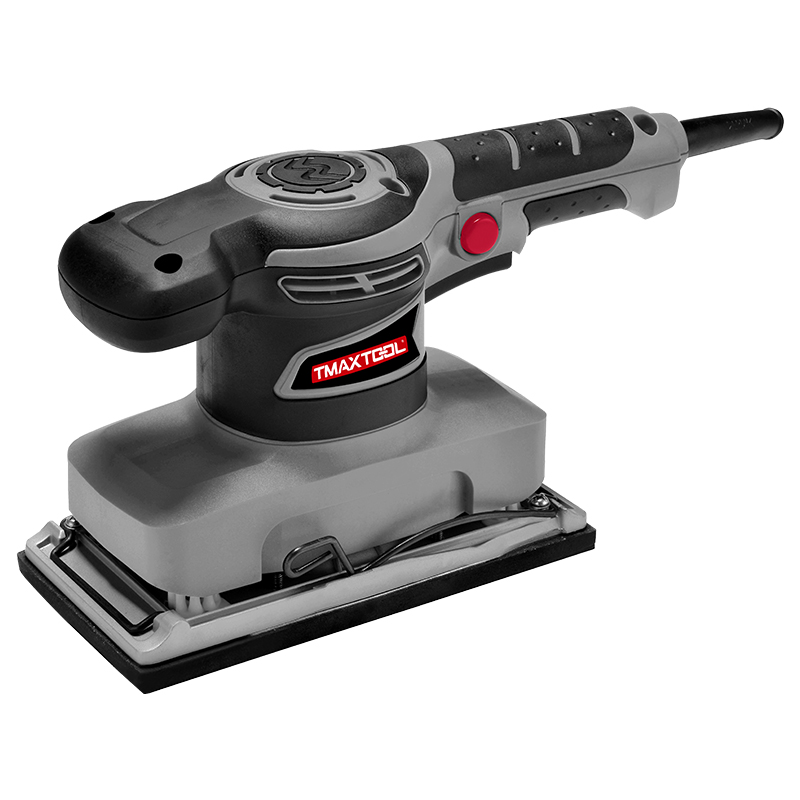 Orbital Sander
 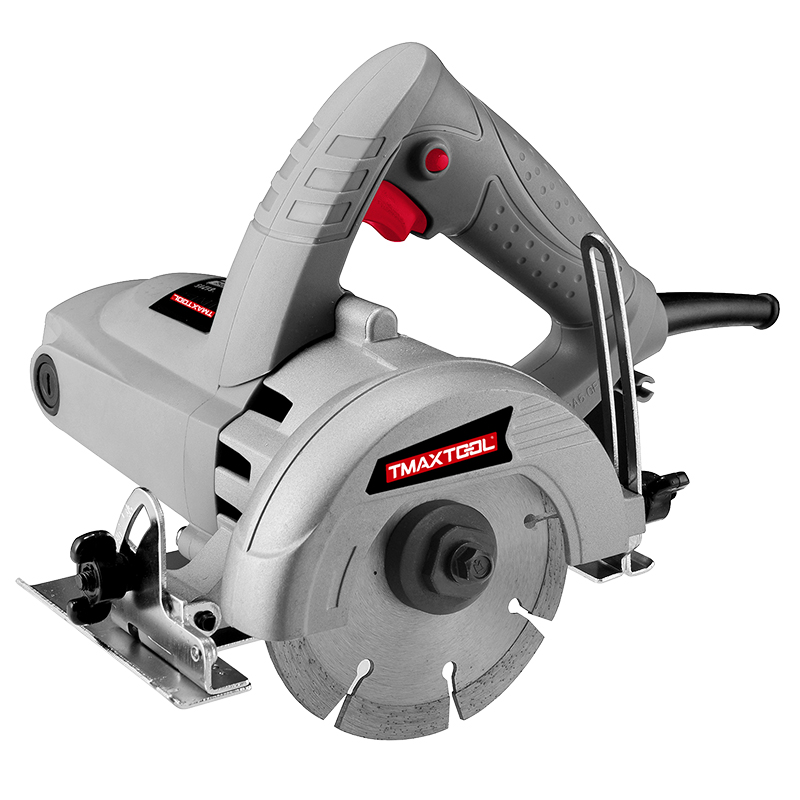 Marble Cutter
  GARDEN TOOLS
 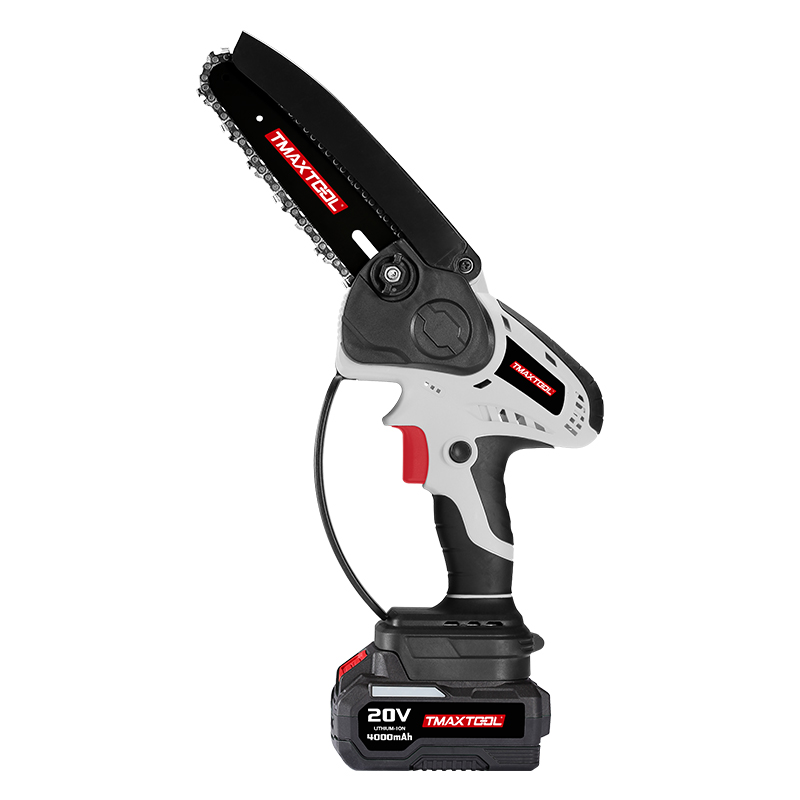 Battery Chain Saw
 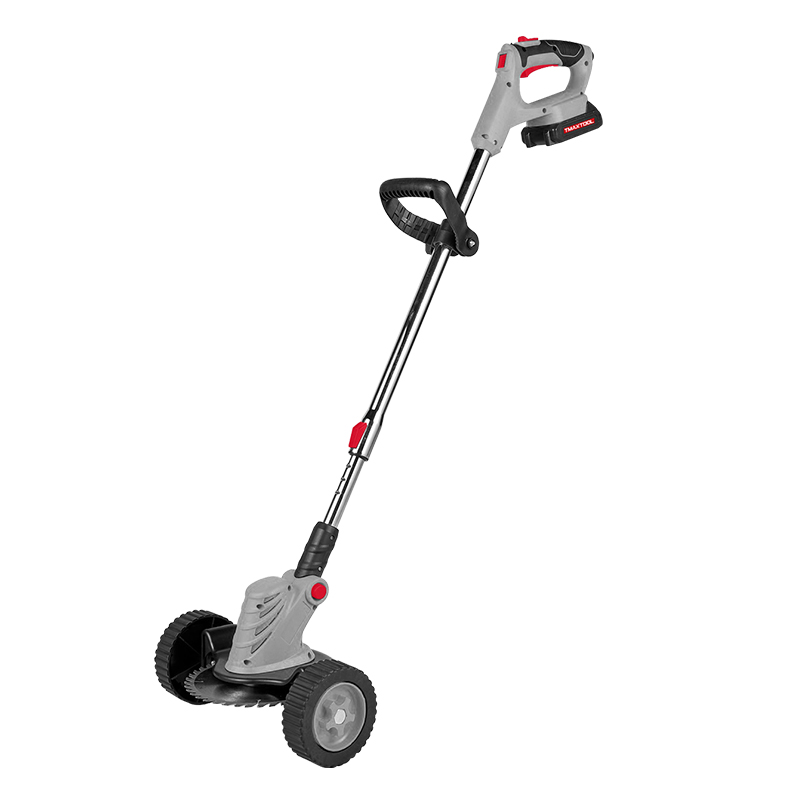 Battery Brush Cutter
 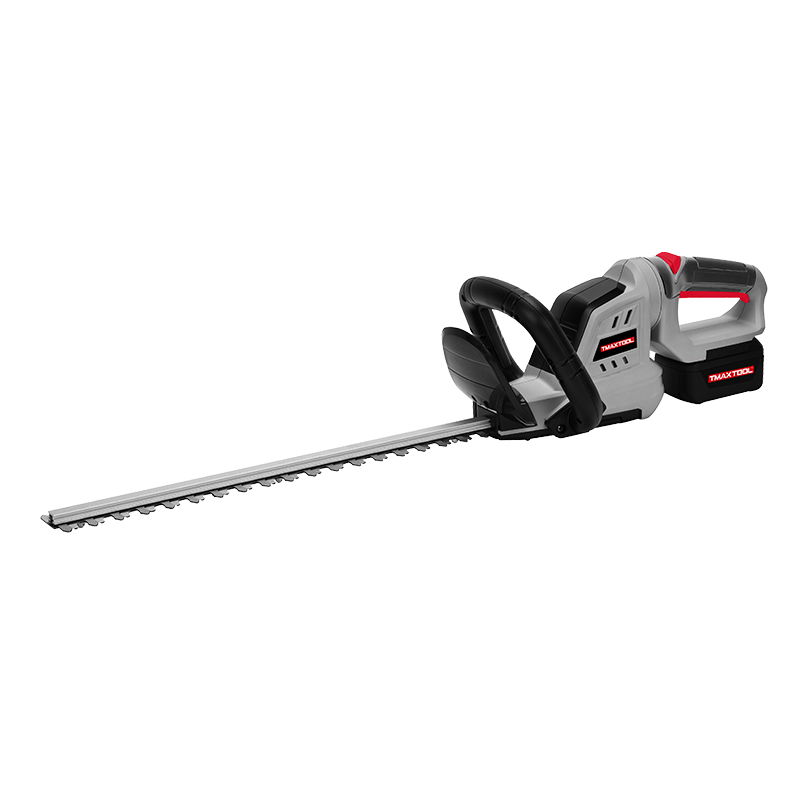 Battery Hedge Trimmer
 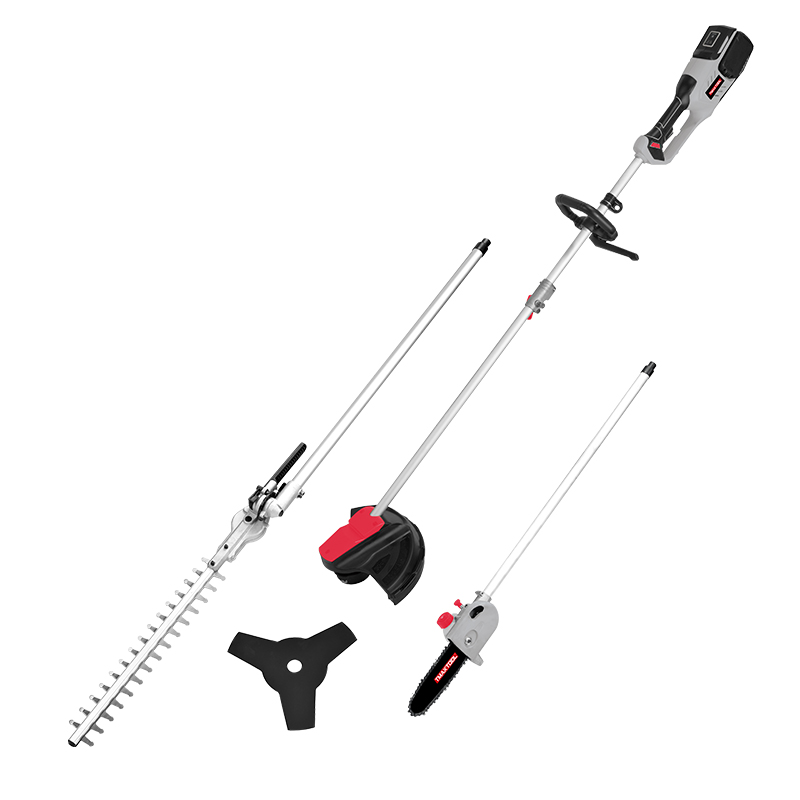 Battery Multi Tool
 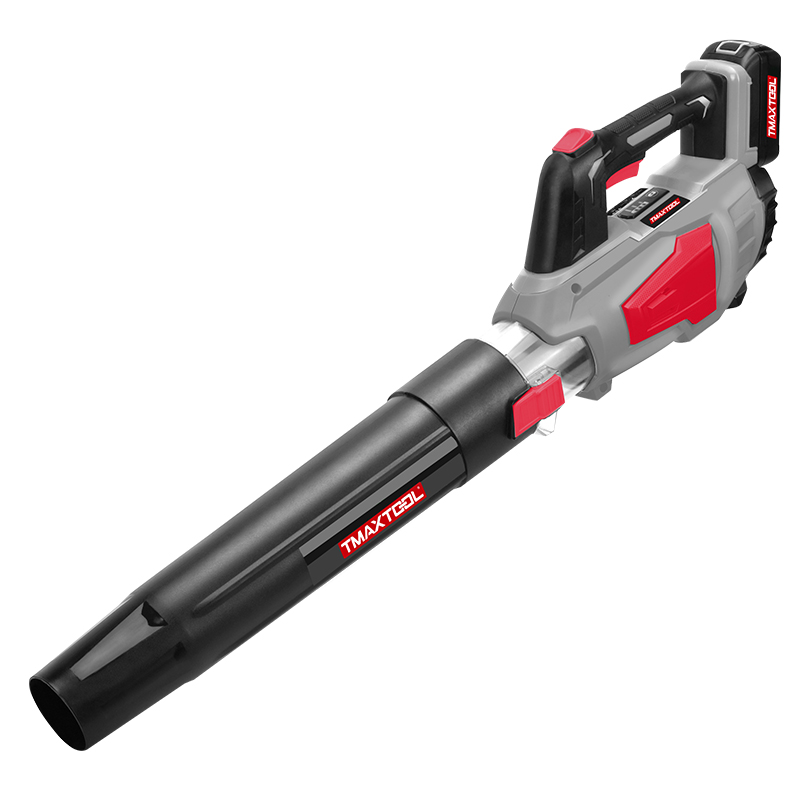 Battery Blower
 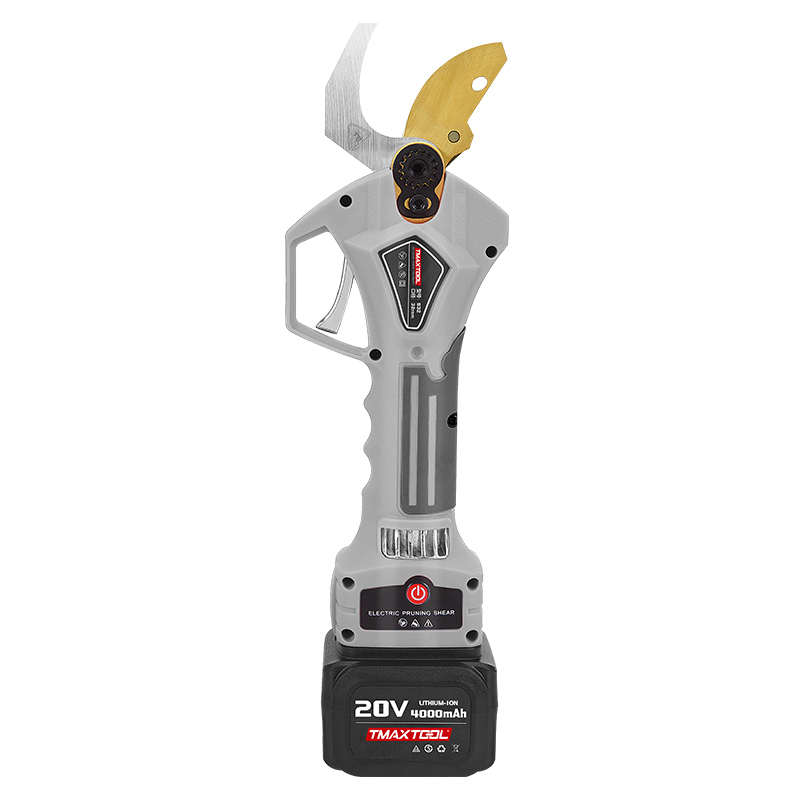 Batter Pruning Shears
 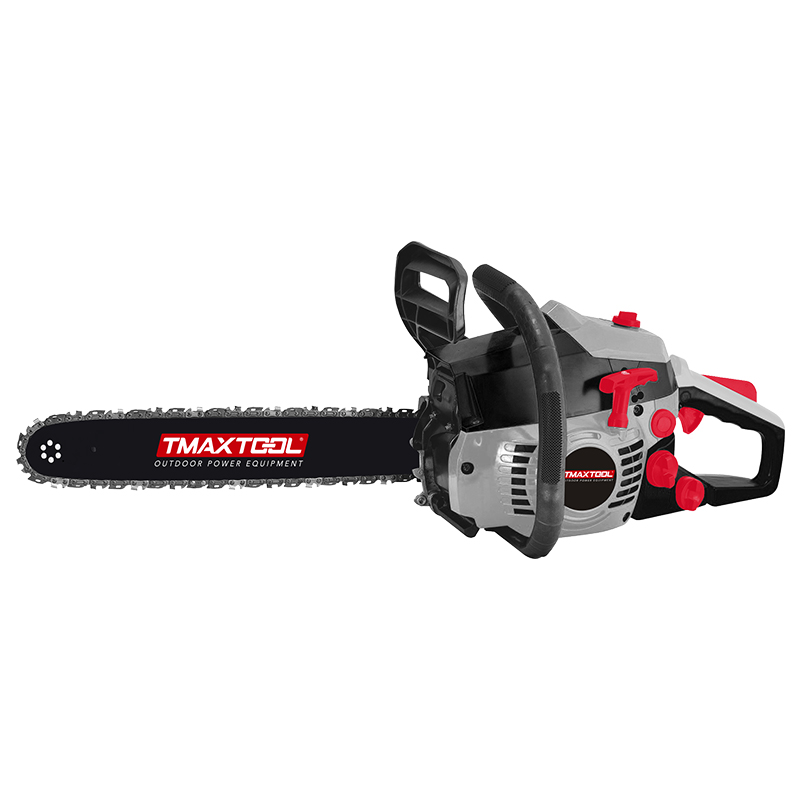 Chain Saw
 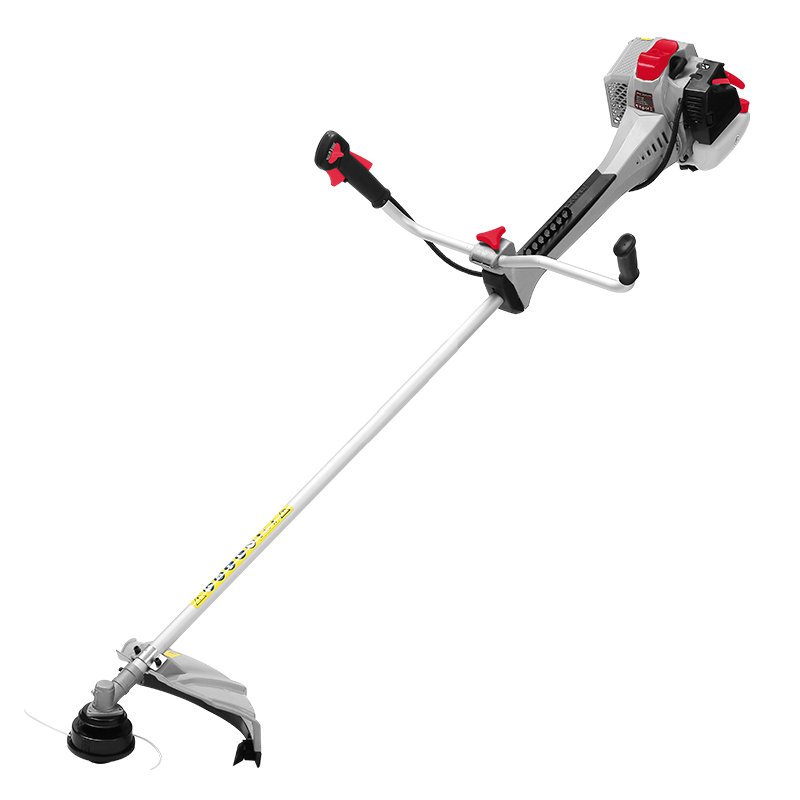 Brush Cutter
 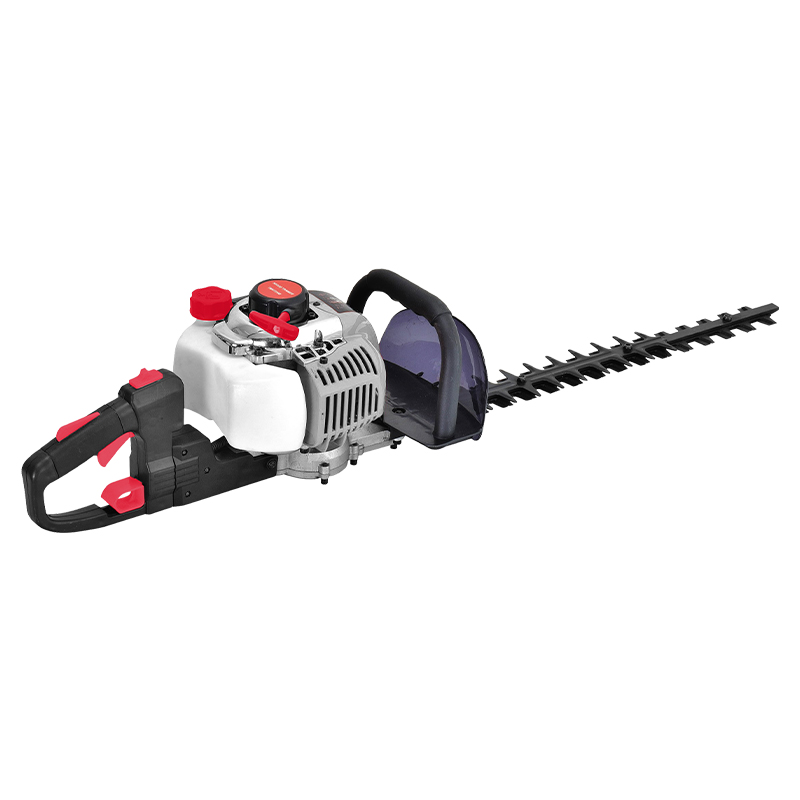 Hedge Trimmer
 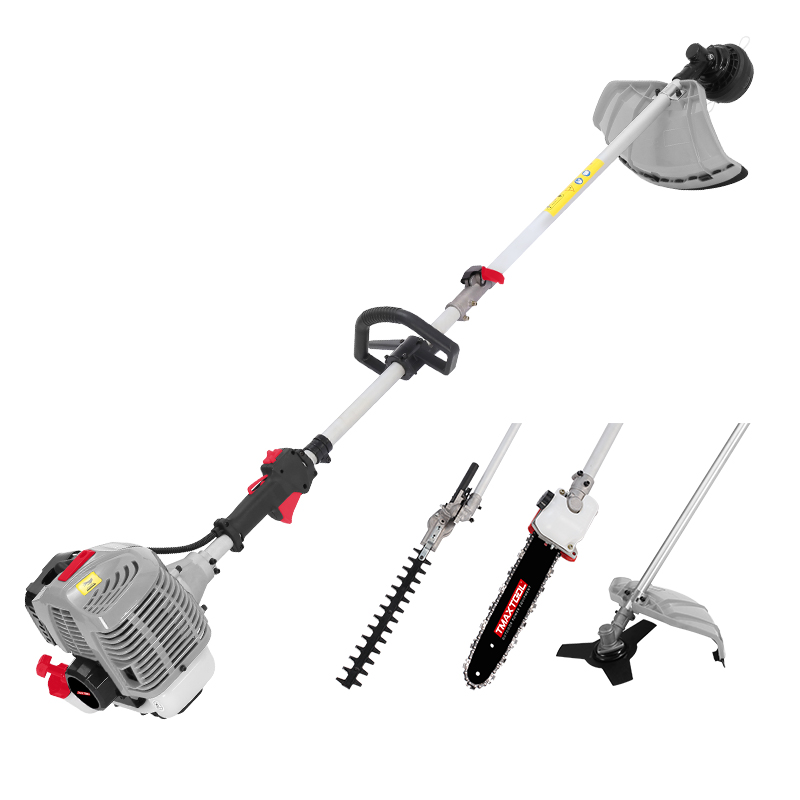 Multi Tool
 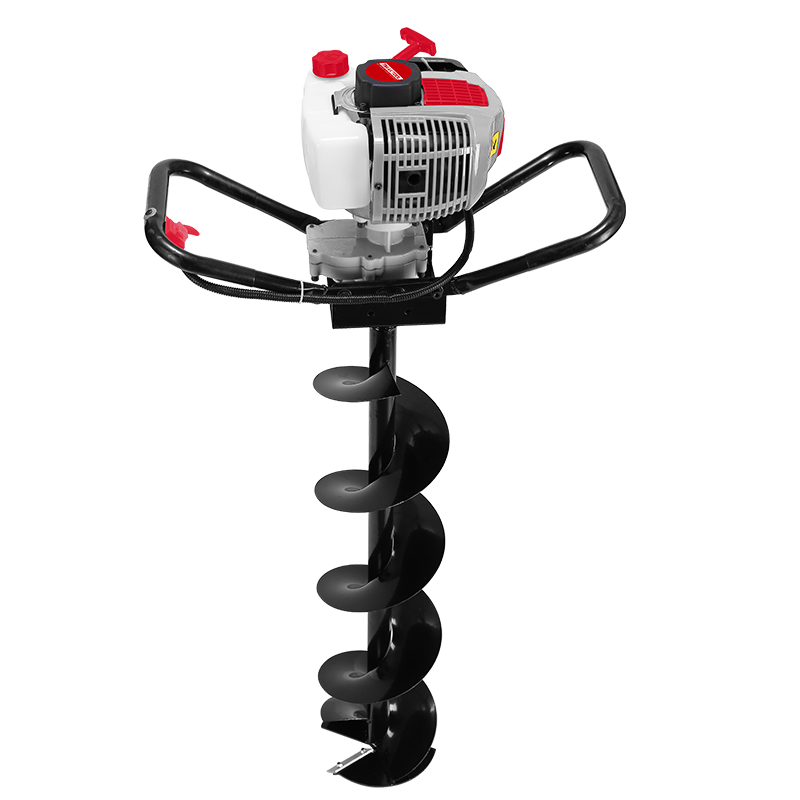 Earth Auger
  Tiller
 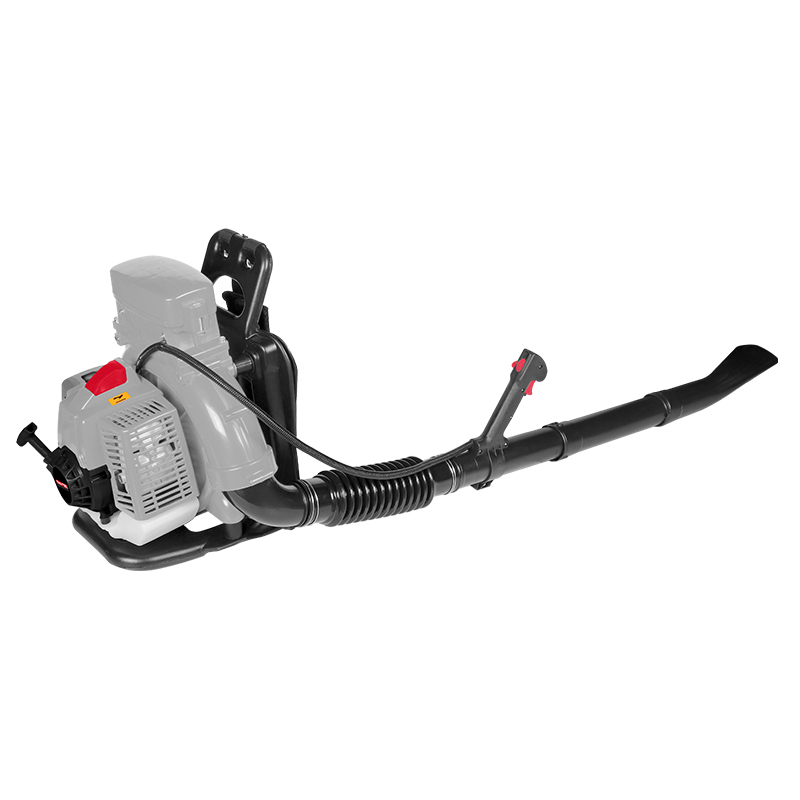 Blower
  4 Stroke Gasoline Engine
 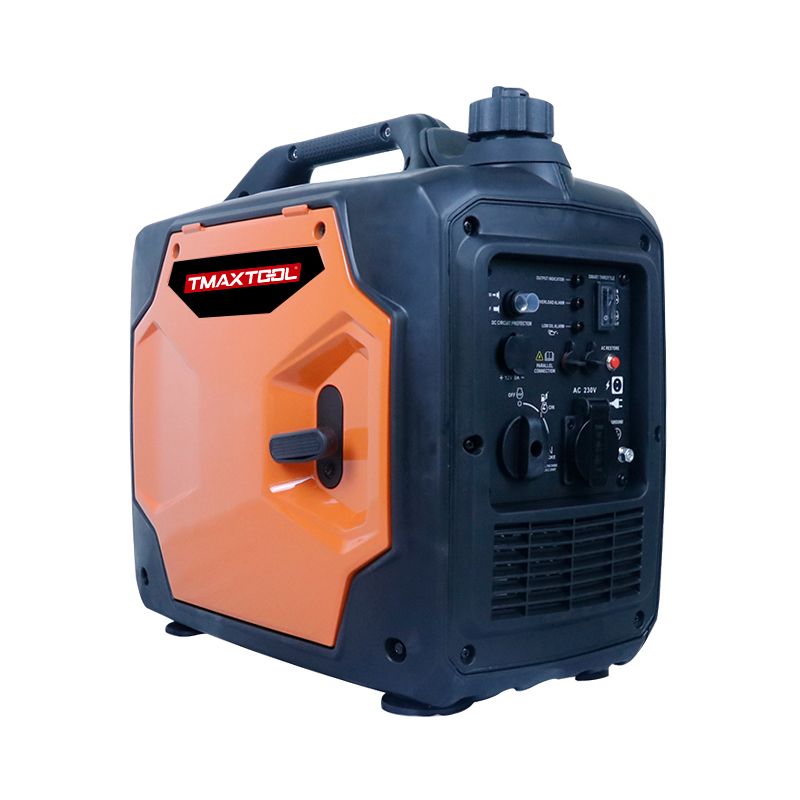 Generator
 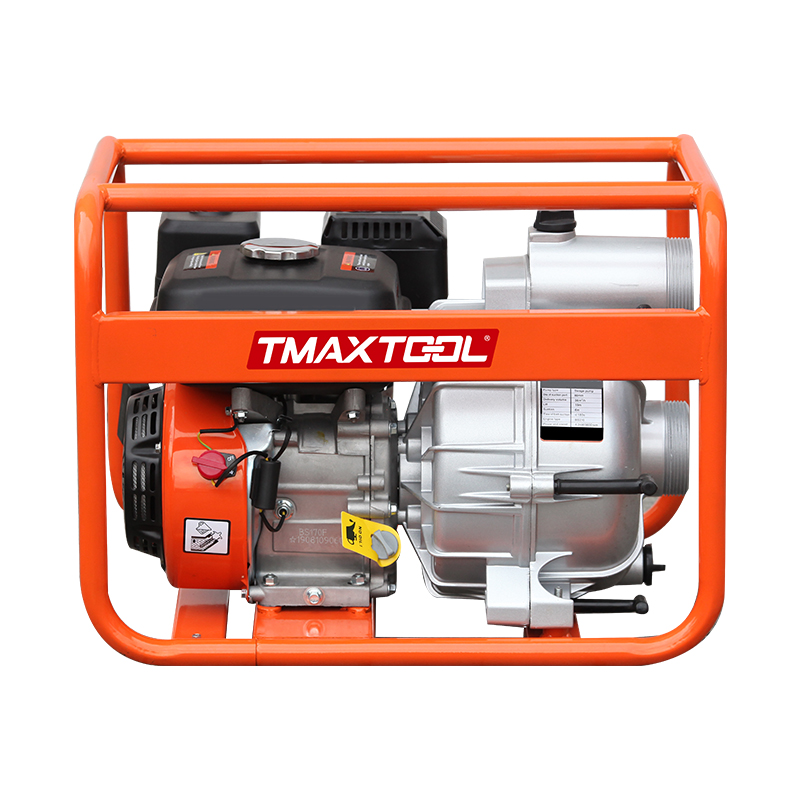 Water Pump
 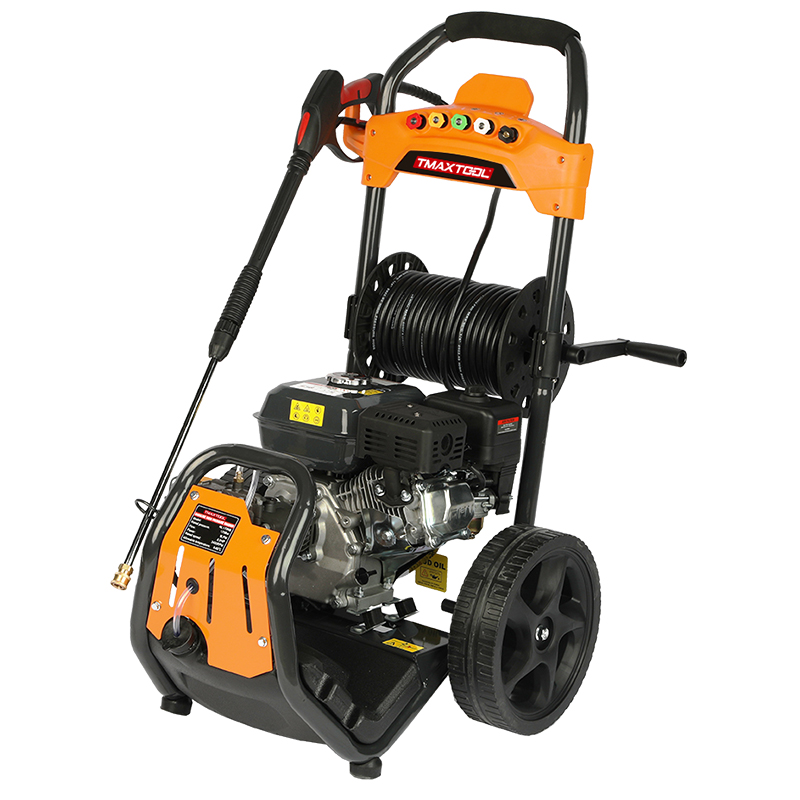 High Pressure Washer
  Wood Cutter
 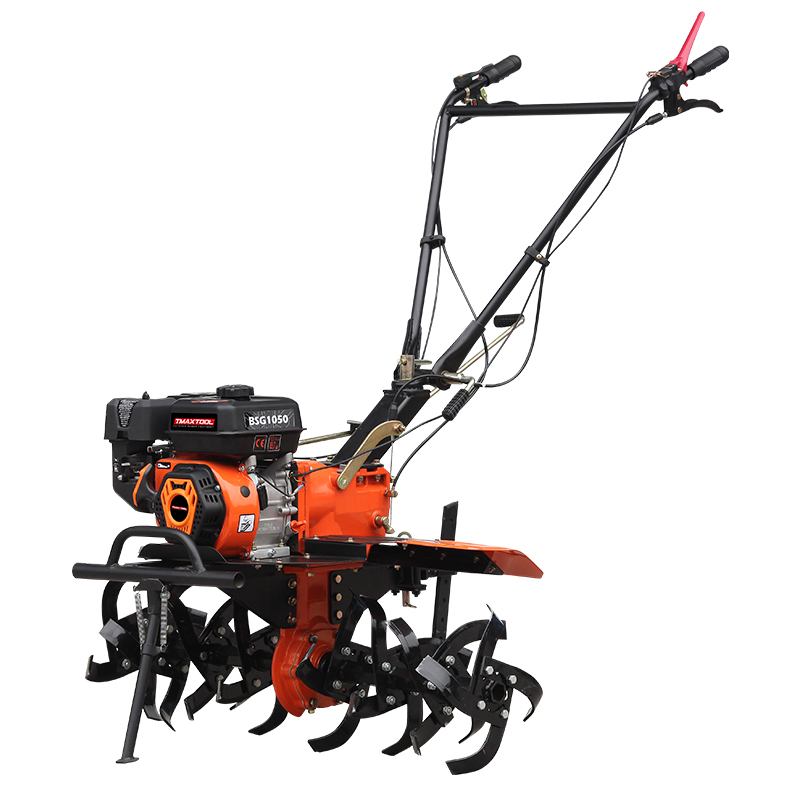 4 Stroke Tiller
 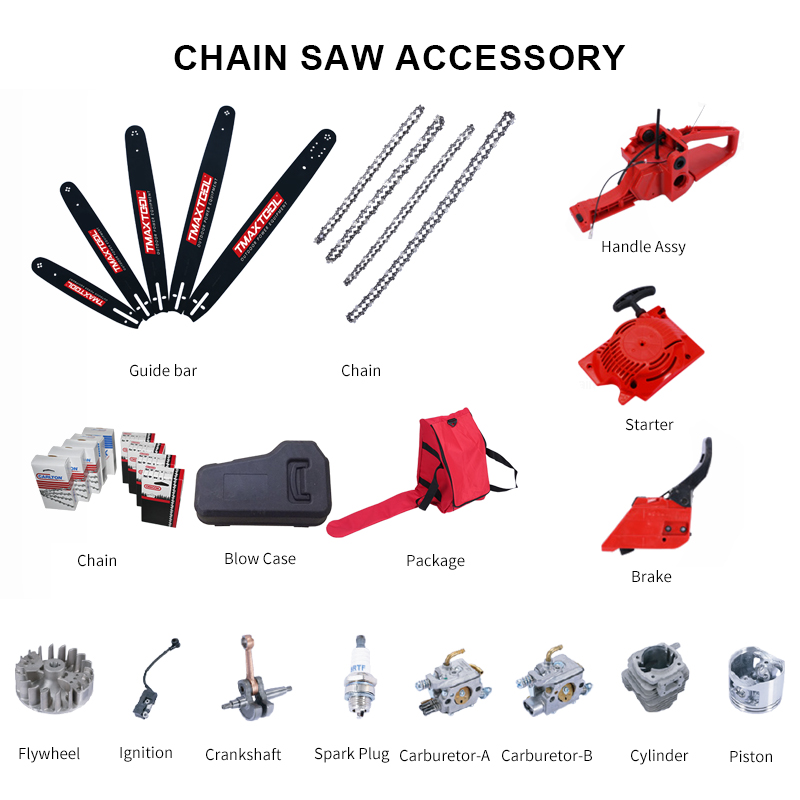 Chain Saw Accessory
 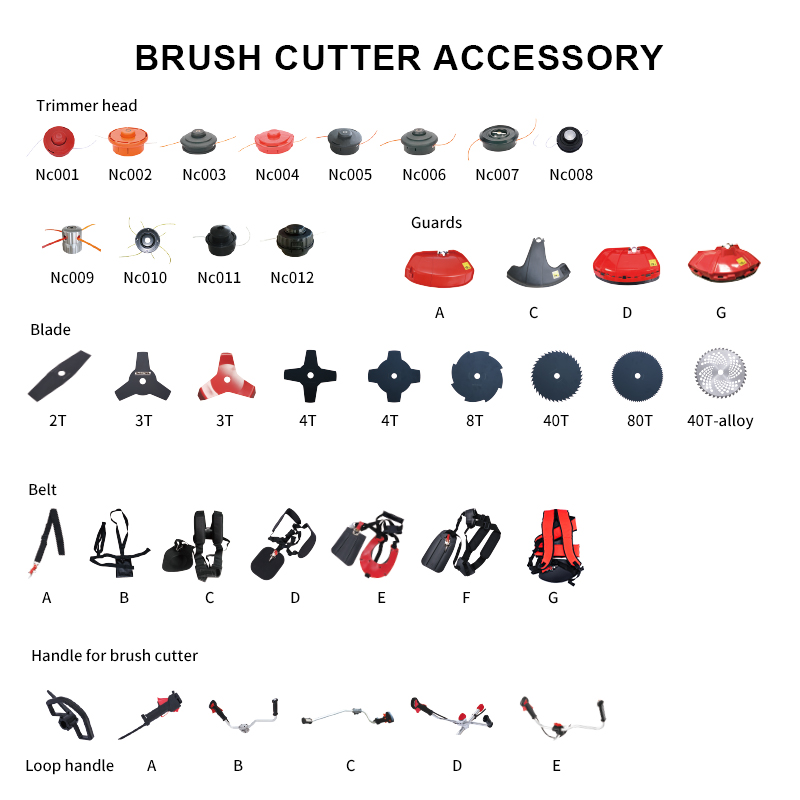 Brush Cutter Accessory
 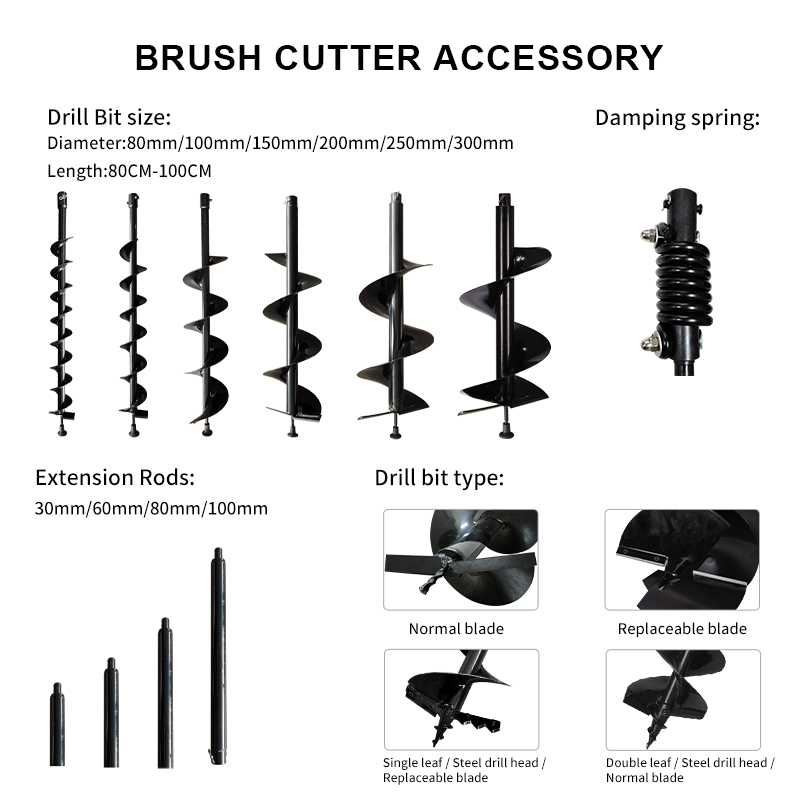 Earth Auger Accessory
  Protective Equipment Accessories
Leave Your Message


The adjustment of power tool procurement strategies under the global supply chain reconstruction
The global supply chain is undergoing profound reconstruction and transformation. Factors such as regional fluctuations, technological iterations, and demand upgrades are intertwined, making the procurement of power tools no longer a simple process of "selecting products and placing orders". From the popularization of lithium battery cordless tools to the differentiated demands in various scenarios, the procurement process requires more flexible and resilient strategies to support it. To maintain stable supply and adapt to market changes in an uncertain environment, the proactive adjustment of procurement strategies is of vital importance.
Supplier Layout: From "Single Reliance" to "Multi-party Collaboration"
Over-reliance on a single region or a single supplier is the most easily exposed risk in the process of supply chain restructuring. The procurement of power tools should first break through this limitation and establish a multi-supplier system of "core + alternative".
The core idea is "geographical dispersion + capability matching". For core components such as motors and batteries, at least 2 to 3 suppliers from different regions should be matched. The main supplier takes on the majority of the order share, while the alternative suppliers each share part of the production capacity. These suppliers should be scattered across different geographical regions to prevent a complete supply disruption due to local emergencies. At the same time, "pseudo-diversification" should be avoided - alternative suppliers need to be consistent with the main suppliers in terms of quality standards and delivery cycles, and should not only pursue quantity while neglecting compatibility.
There are also tricks to maintaining a diverse supply relationship. By placing small-batch orders regularly, the activity of cooperation with alternative suppliers can be maintained to ensure that they can quickly fill in when problems occur with the main suppliers. In addition, a regular supplier evaluation mechanism should be established, with scores given regularly from dimensions such as capacity stability and on-time delivery rate, and order allocation adjusted dynamically to ensure that the supplier system always remains dynamic and reliable.
Demand Prediction: From "Passive Order Acceptance" to "Precise Pre-positioning"
Under the background of supply chain restructuring, fluctuations on the demand side have become more frequent, especially with significant differences in the sub-scenarios of power tools. The demand characteristics in fields such as building decoration, auto repair, and industrial manufacturing are all distinct. Procurement strategies need to shift from passive response to active prediction.
First of all, a cross-departmental demand coordination mechanism should be established. Strengthen the collaboration with the sales and marketing teams, and based on the characteristics of tool usage in different scenarios - for instance, the construction scene has a high demand for cordless tools, while the industrial scene places more emphasis on precision - sort out the demand patterns. At the same time, pay attention to the technological trends in the industry, such as the increasing penetration rate of lithium battery technology and the popularization of intelligent functions. Predict the increase in the purchase of such products in advance to avoid inventory overstock or insufficient supply due to technological iteration.
Inventory management also needs to be optimized accordingly. For general-purpose power tools, a reasonable safety stock can be maintained. For professional-level and customized tools, a procurement model of "small batch and high frequency" is adopted to balance supply stability and capital occupation. Through precise demand prediction, the procurement rhythm can be synchronized with market demand, reducing the risk of supply and demand mismatch.

Compliance and Compatibility: Embedded throughout the entire procurement process
The global supply chain reconstruction is accompanied by adjustments to policies and standards in various regions. As products that circulate across regions, power tools have made compliance an indispensable prerequisite for procurement. The procurement strategy needs to deeply integrate compliance requirements with product compatibility.
On the one hand, it is necessary to closely monitor the standard upgrades of the target market. Different regions have different requirements for safety certification and energy efficiency standards of power tools. For instance, some markets have clear regulations on the insulation grade and noise control of tools. When purchasing, it is necessary to confirm in advance whether the supplier's products meet these standards to avoid circulation obstruction due to compliance issues.
On the other hand, attention should be paid to the compatibility of the product with the scenarios. For instance, in the maintenance scenarios of new energy vehicles, high-voltage insulating tools are needed, while in the construction scenarios, wear-resistant heavy-duty tools are required. When purchasing, it is not only necessary to review the product parameters but also to confirm whether they can match the actual usage requirements of the terminal scenarios. Incorporate compliance and compatibility into the core indicators of supplier screening and product evaluation to reduce procurement risks from the source.
Technology empowerment: Enhancing Supply Chain transparency
In the complex environment of supply chain reconstruction, information asymmetry is one of the main pain points in procurement. Enhancing the transparency of the supply chain through technological means can make procurement decisions more efficient and precise.
Simple supply chain management tools can be introduced to track order progress, logistics status and inventory levels in real time through digital dashboards. Once any delay or anomaly occurs, it can be detected and responded to immediately. At the same time, use data to sort out the historical performance of suppliers, such as on-time delivery rate, quality pass rate, etc., to provide an objective basis for supplier evaluation and order allocation.
In addition, it is also important to enhance digital collaboration with suppliers. Establish an efficient information transmission channel through instant communication tools, synchronize information such as demand changes and production progress in a timely manner, and reduce mistakes caused by communication delays. Technological empowerment is not about pursuing complex systems, but about using simple tools to break down information barriers, making the supply chain visible and manageable.
While the global supply chain restructuring brings challenges, it also drives the procurement of power tools to upgrade in a more professional and resilient direction. From a multi-supplier layout to lay a solid foundation, to precise demand prediction to grasp the rhythm, and then to compliance management to maintain the bottom line and technology empowerment to enhance efficiency, these strategic adjustments can help the procurement process better adapt to changes. When procurement is no longer confined to "being able to purchase", but pursues "stable supply, accurate matching and low risk", it can provide a solid supply chain support for enterprises in market competition.
