
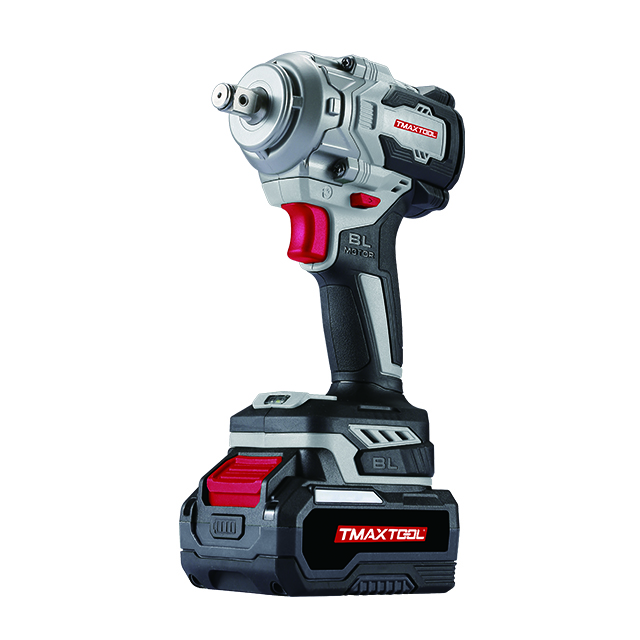
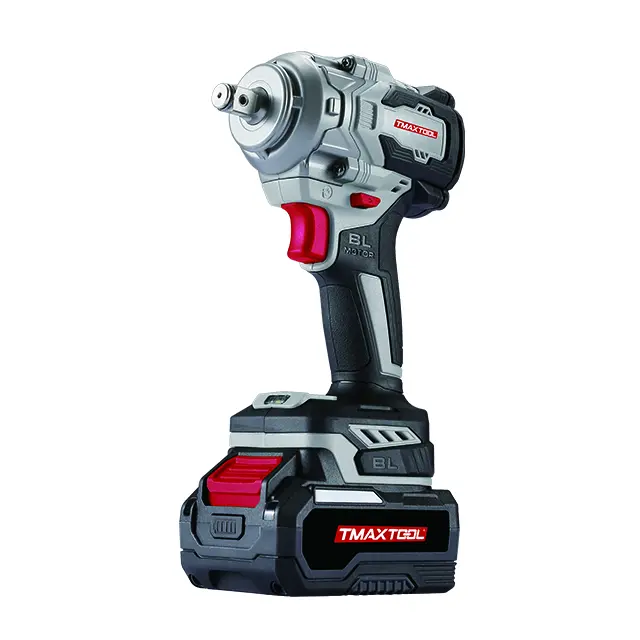
 Impact Wrench
 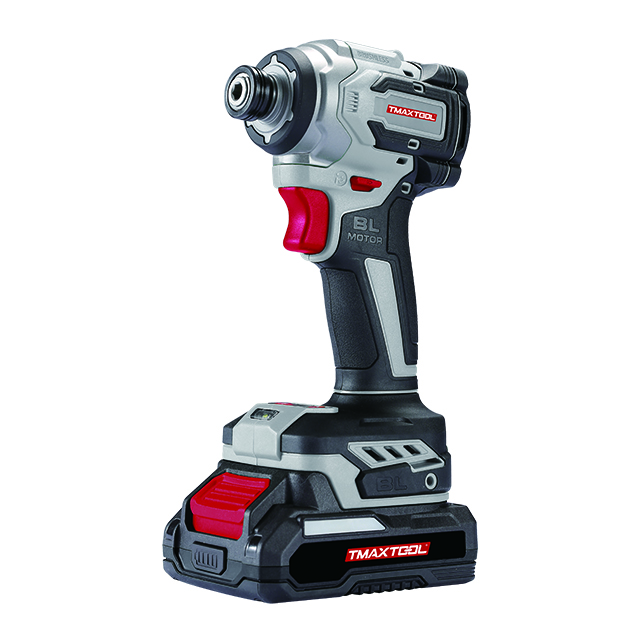 Screwdriver
 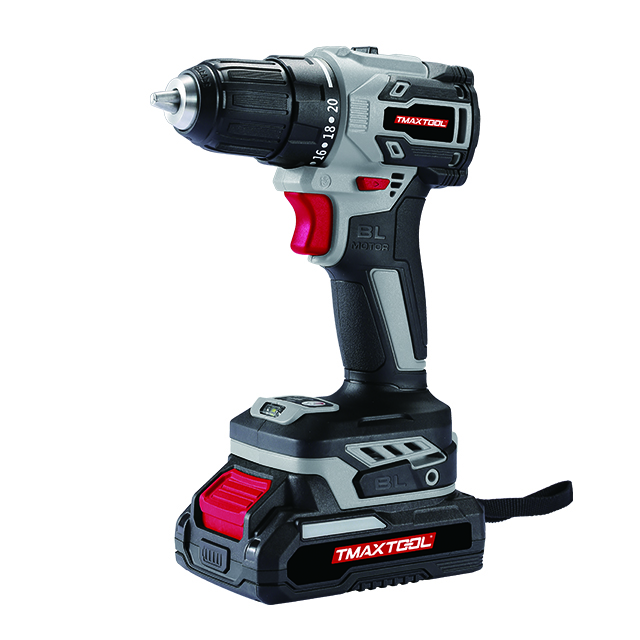 Cordless Drill
 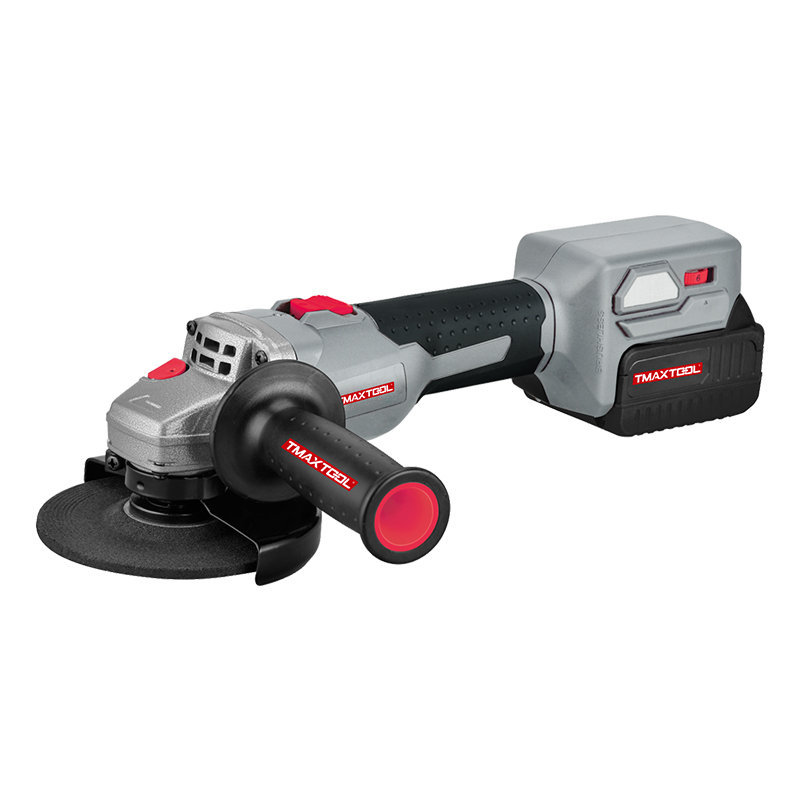 Angle Grinder
 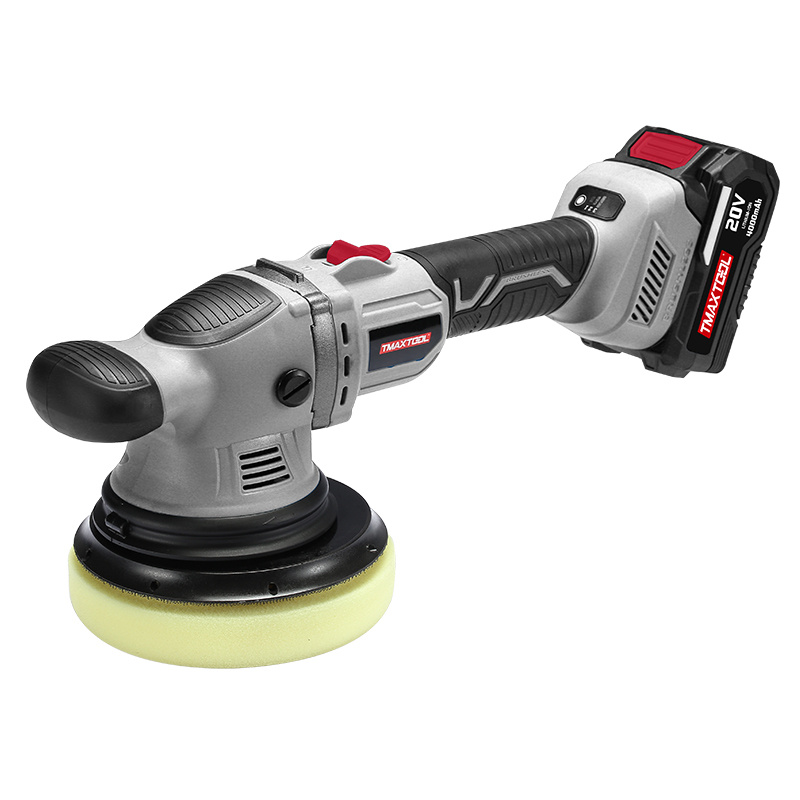 Polisher
 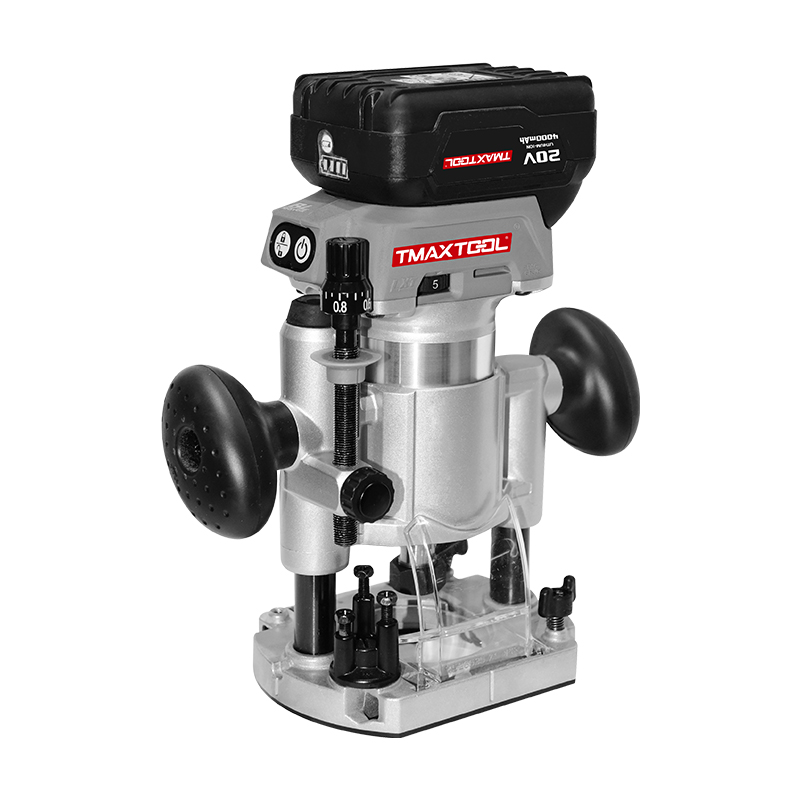 Wood Router
 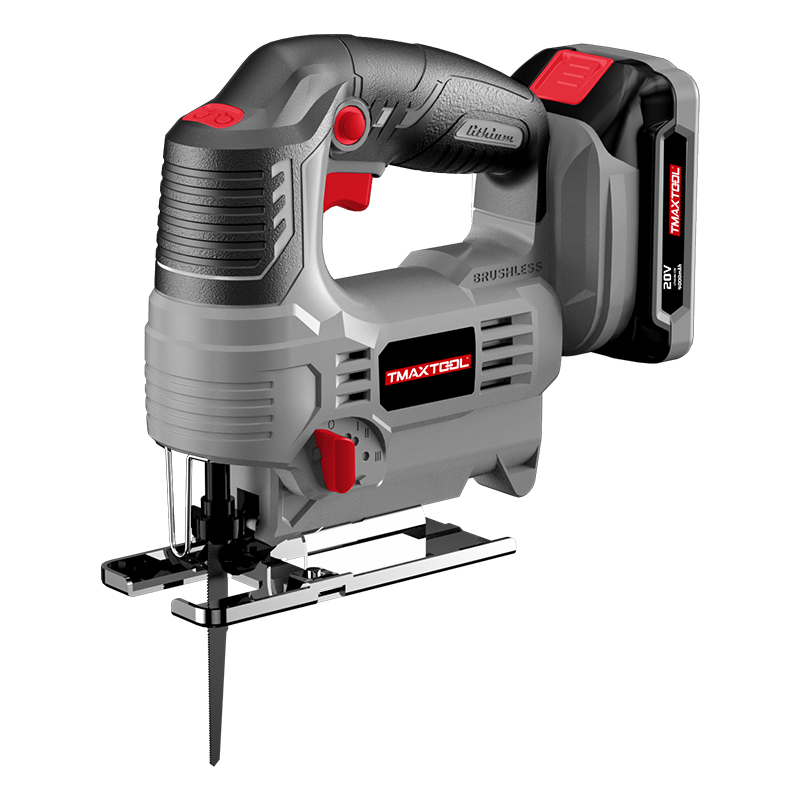 Jig Saw
 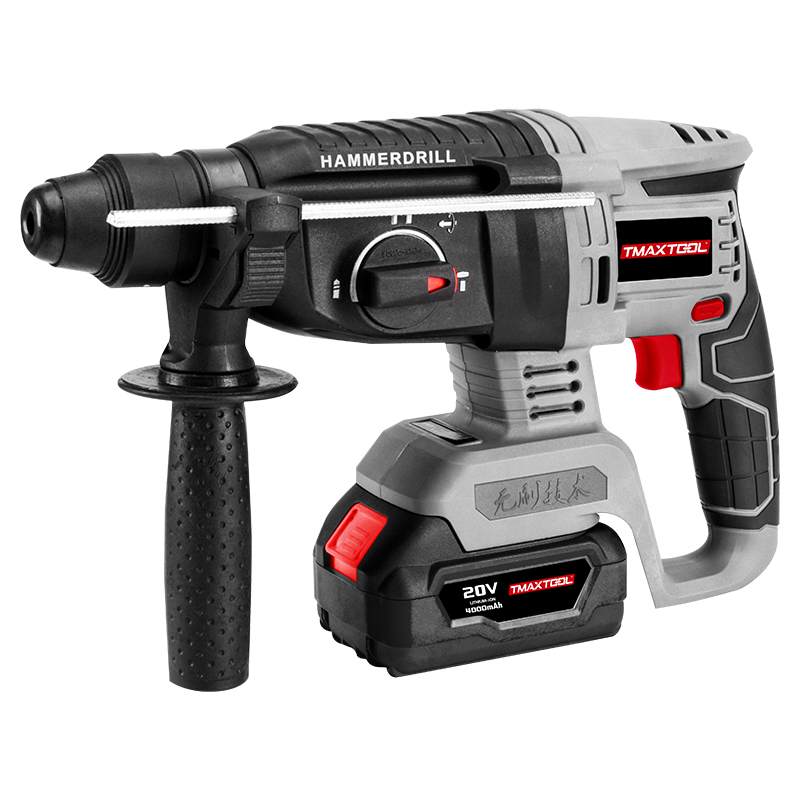 Hammer Drill
 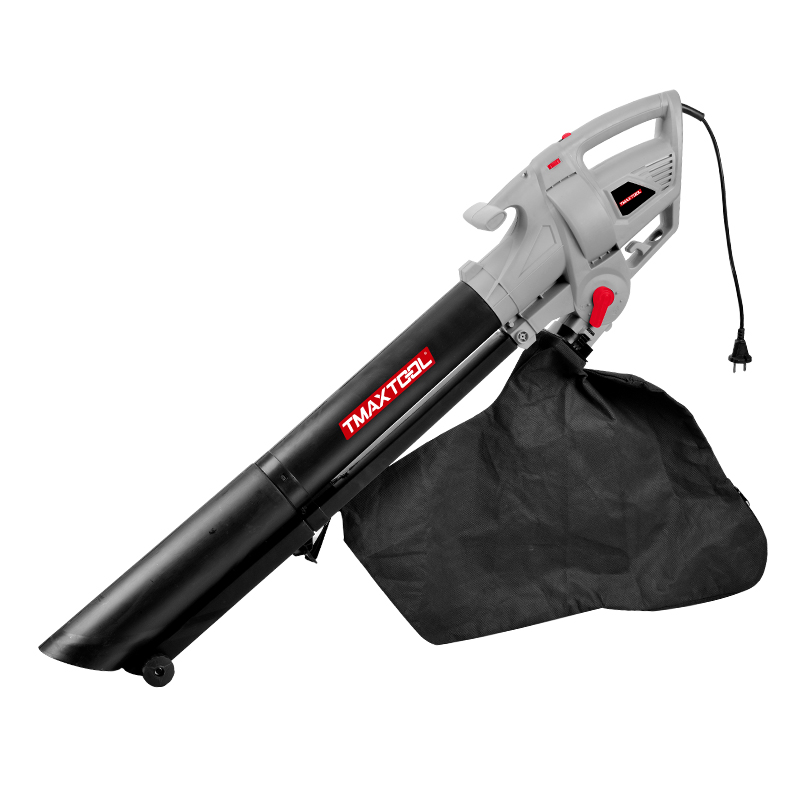 Portable Blower
 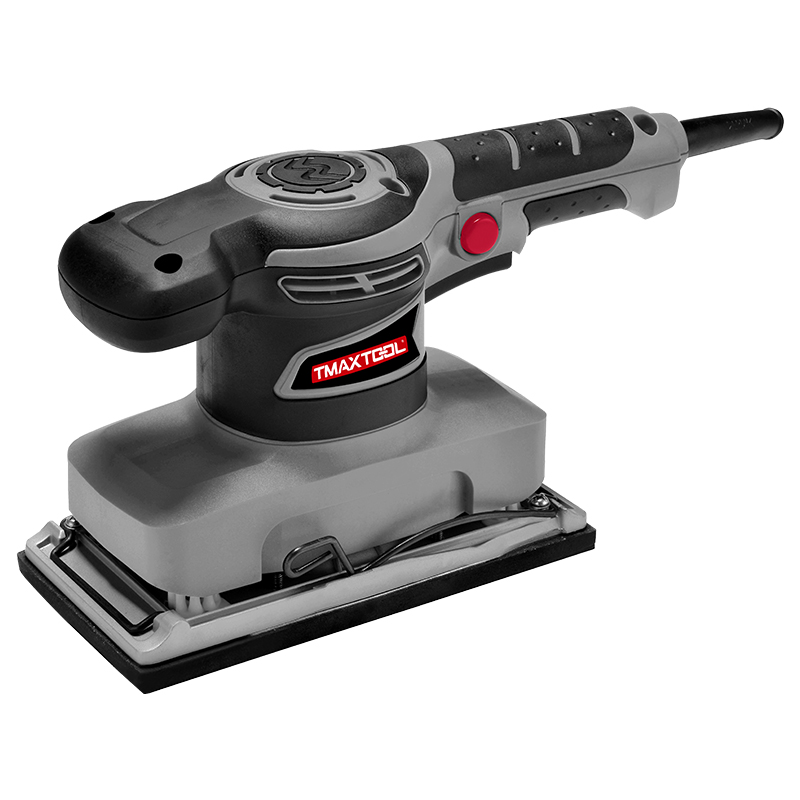 Orbital Sander
 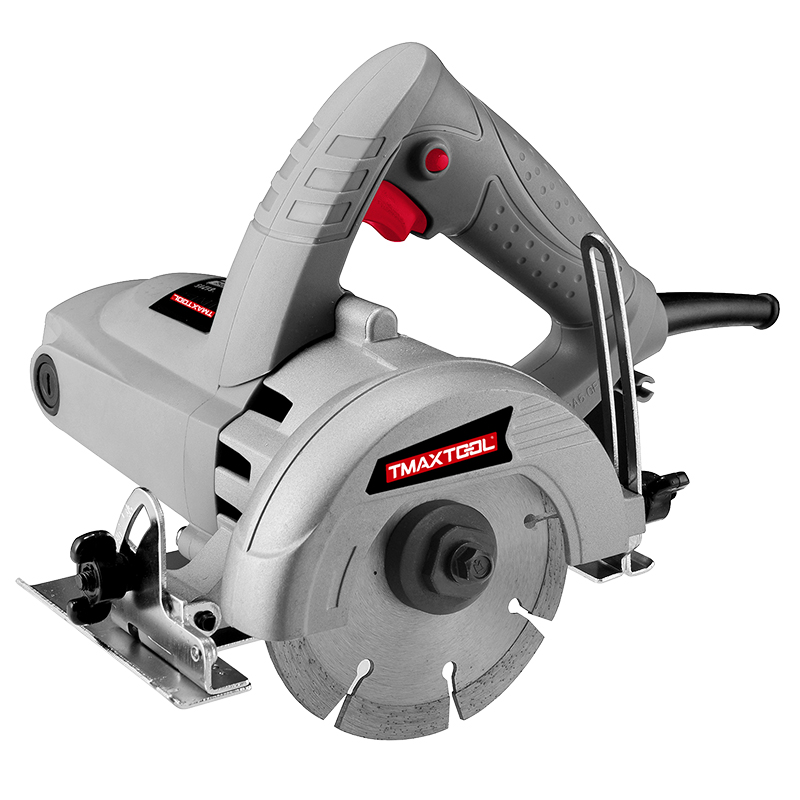 Marble Cutter
  GARDEN TOOLS
 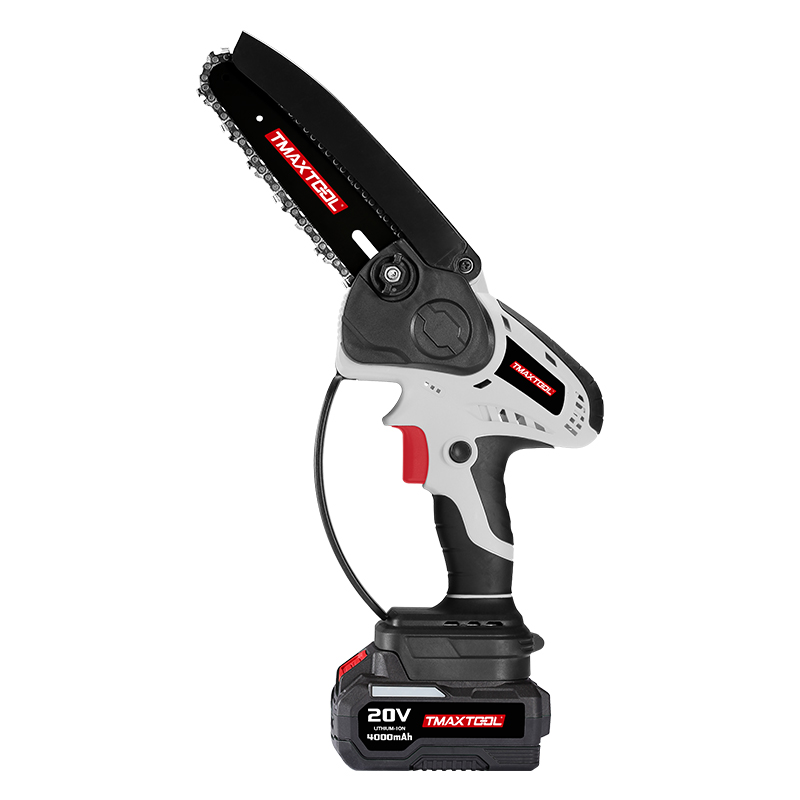 Battery Chain Saw
 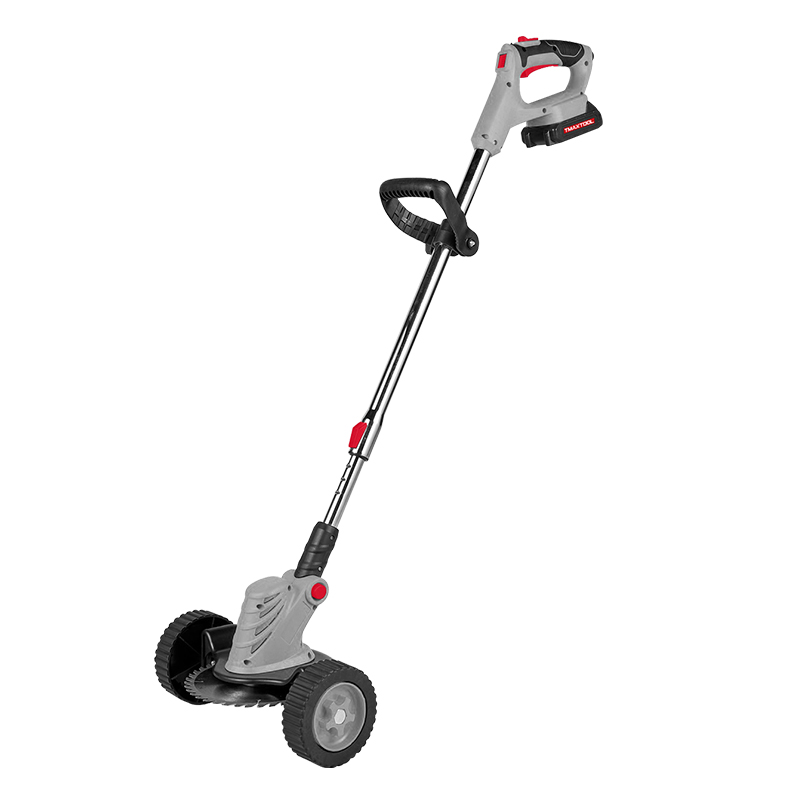 Battery Brush Cutter
 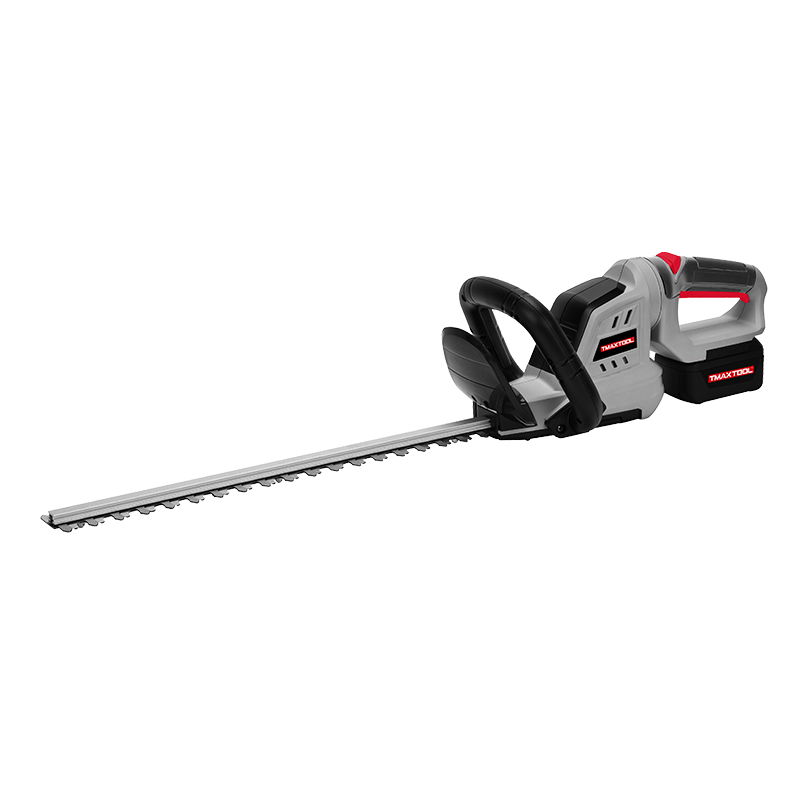 Battery Hedge Trimmer
 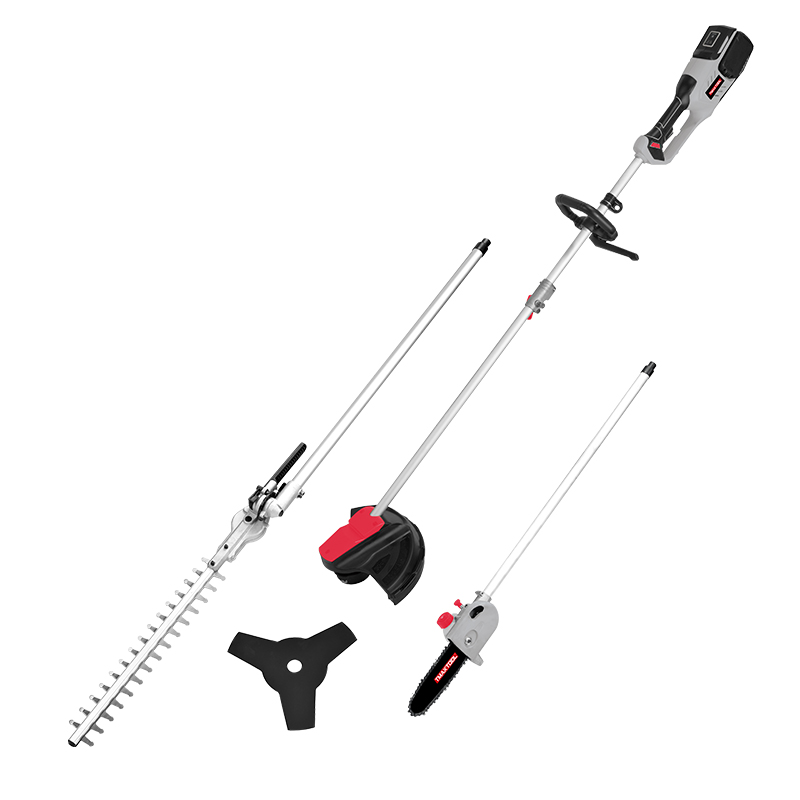 Battery Multi Tool
 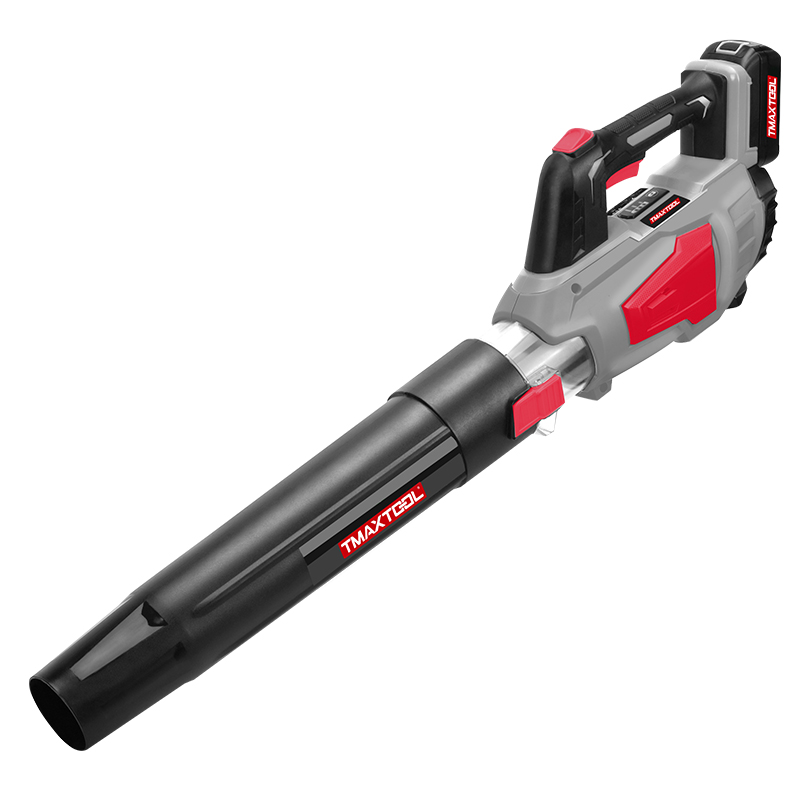 Battery Blower
 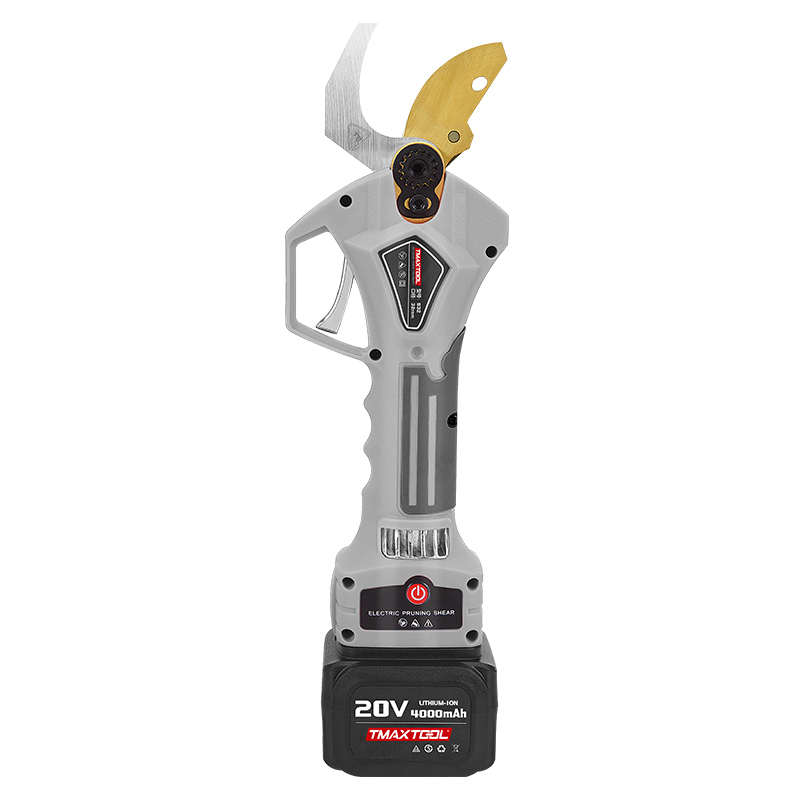 Batter Pruning Shears
 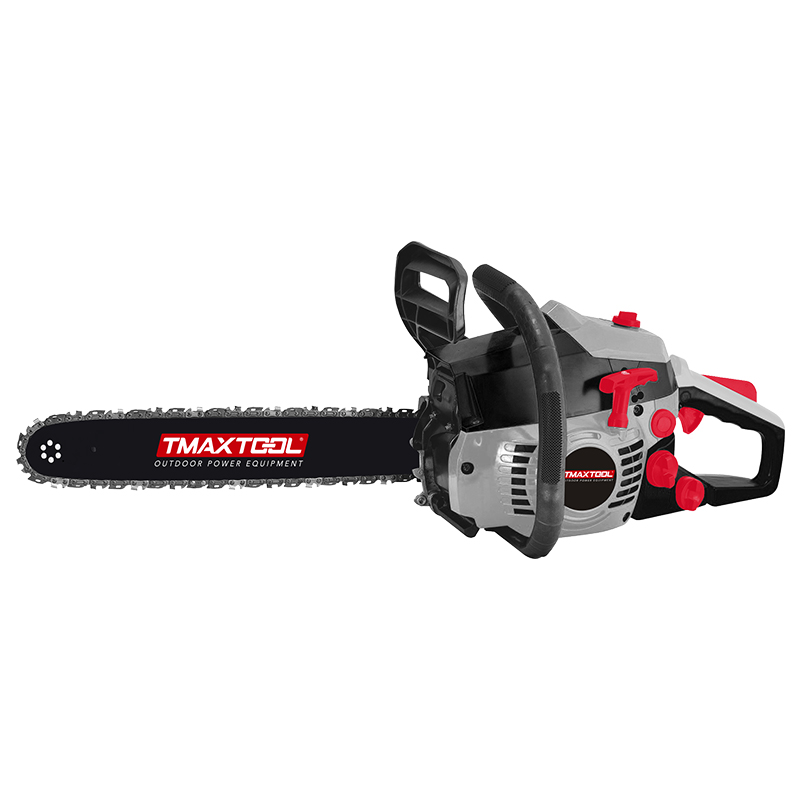 Chain Saw
 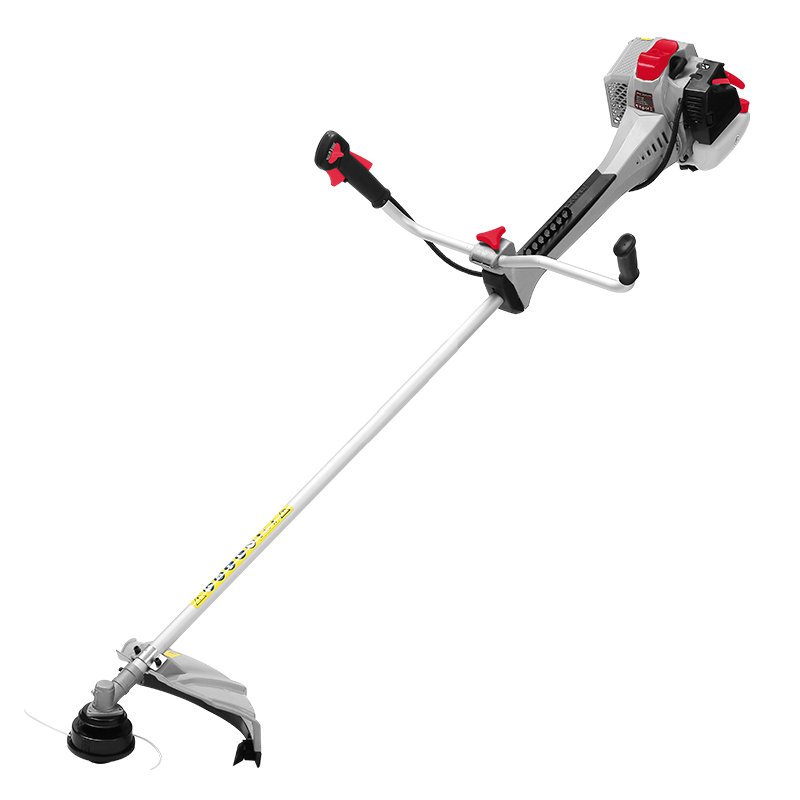 Brush Cutter
 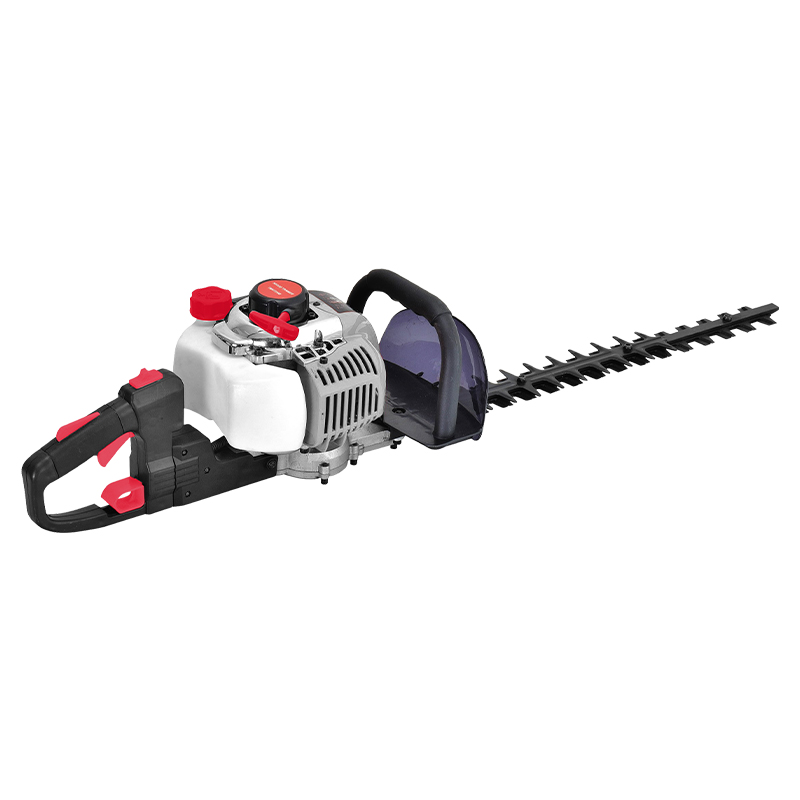 Hedge Trimmer
 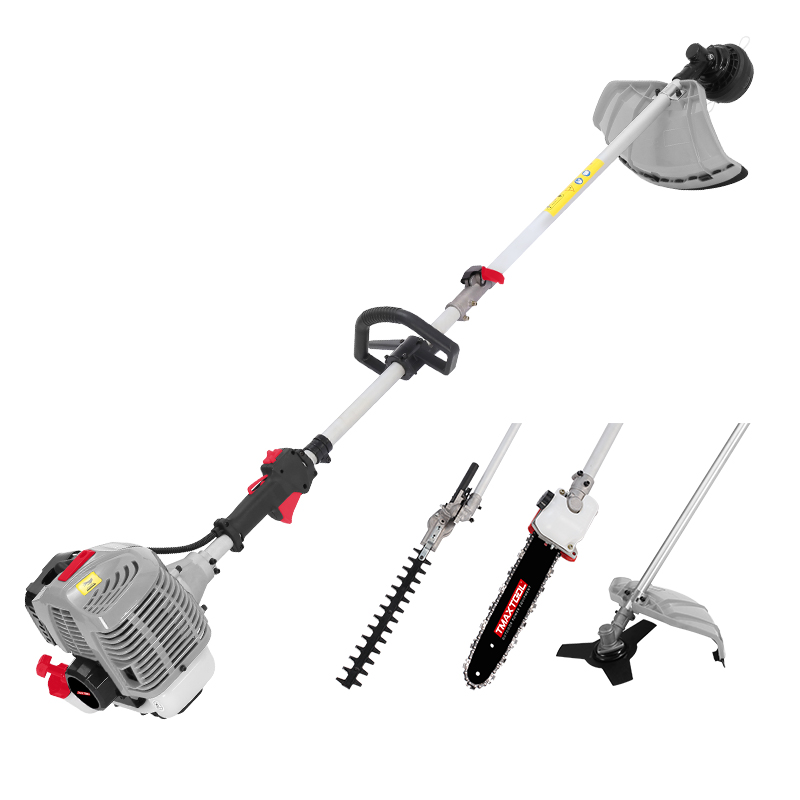 Multi Tool
 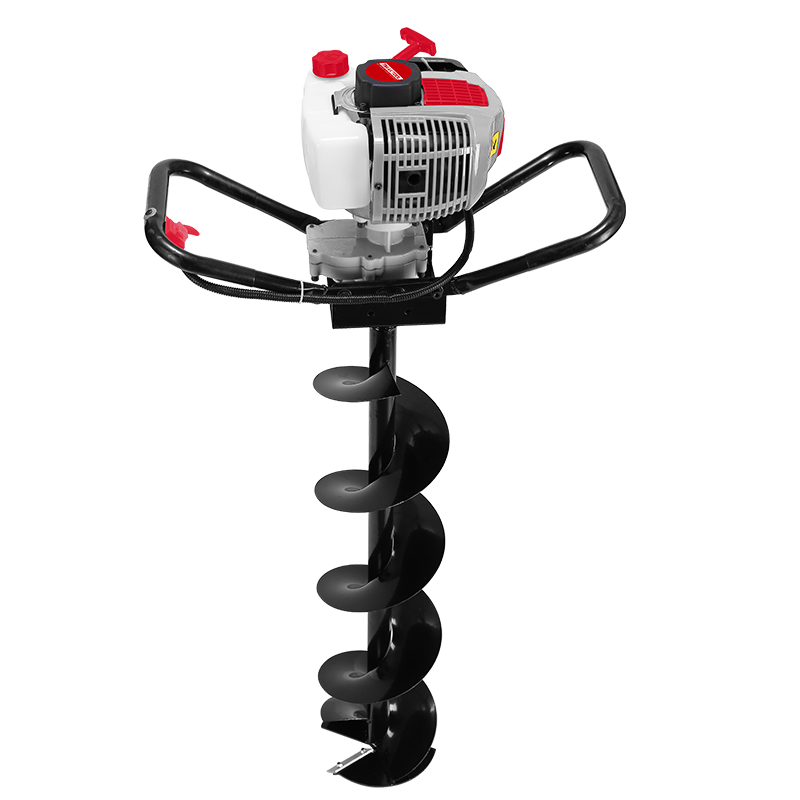 Earth Auger
 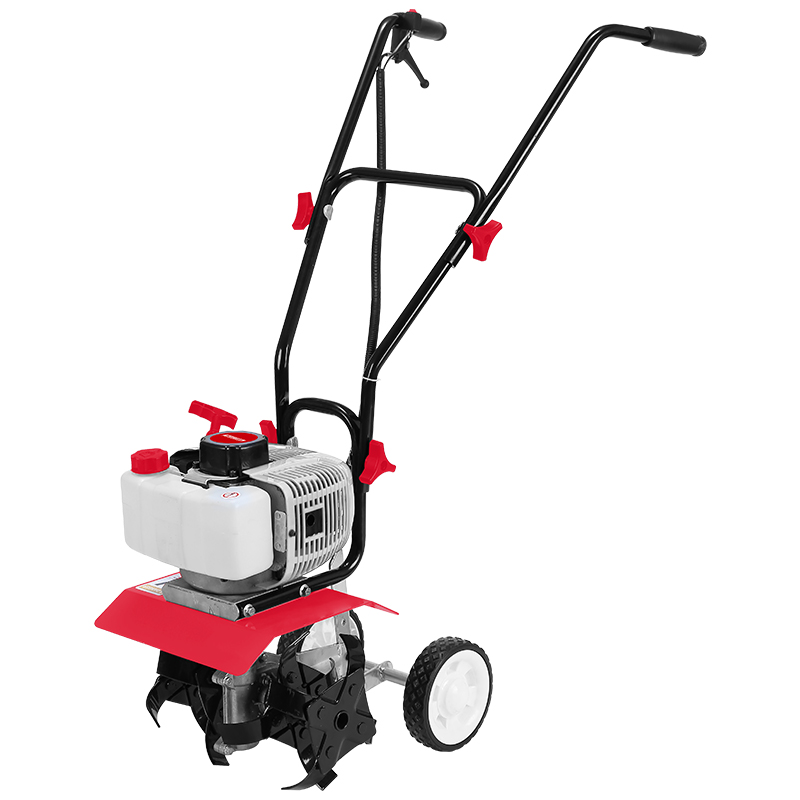 Tiller
 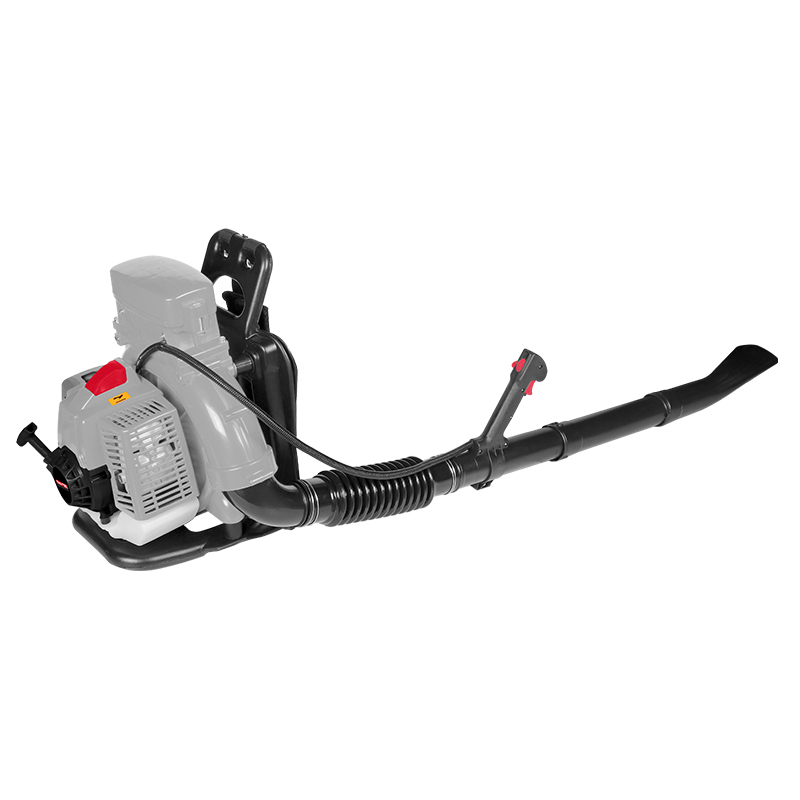 Blower
 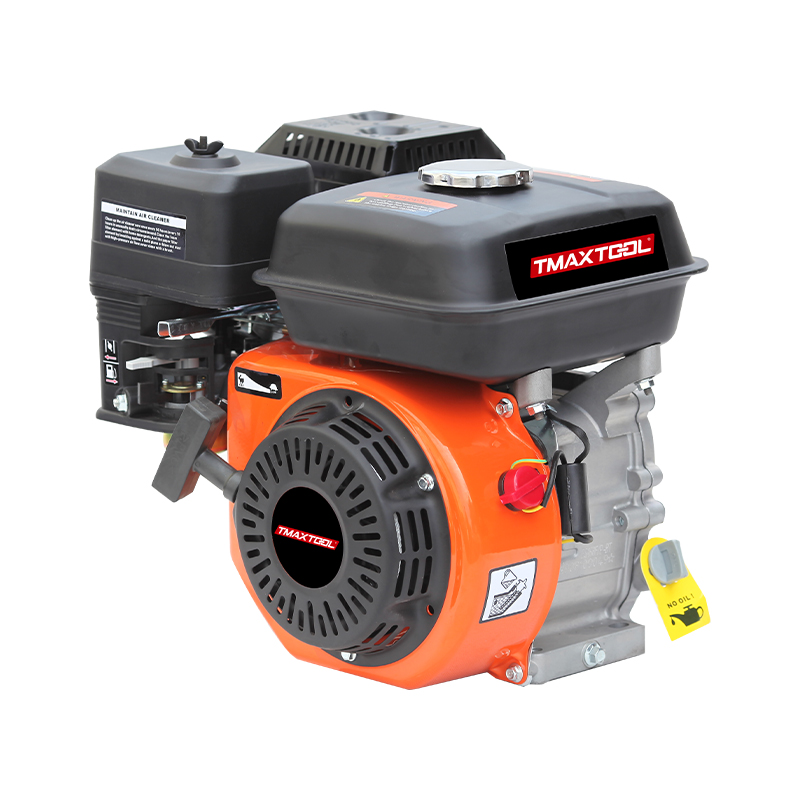 4 Stroke Gasoline Engine
 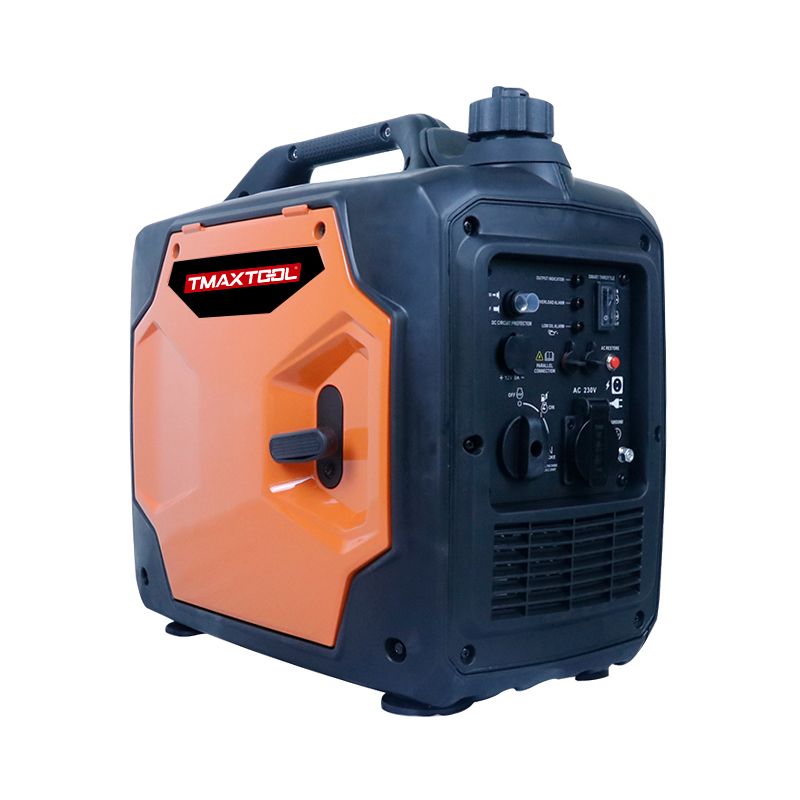 Generator
 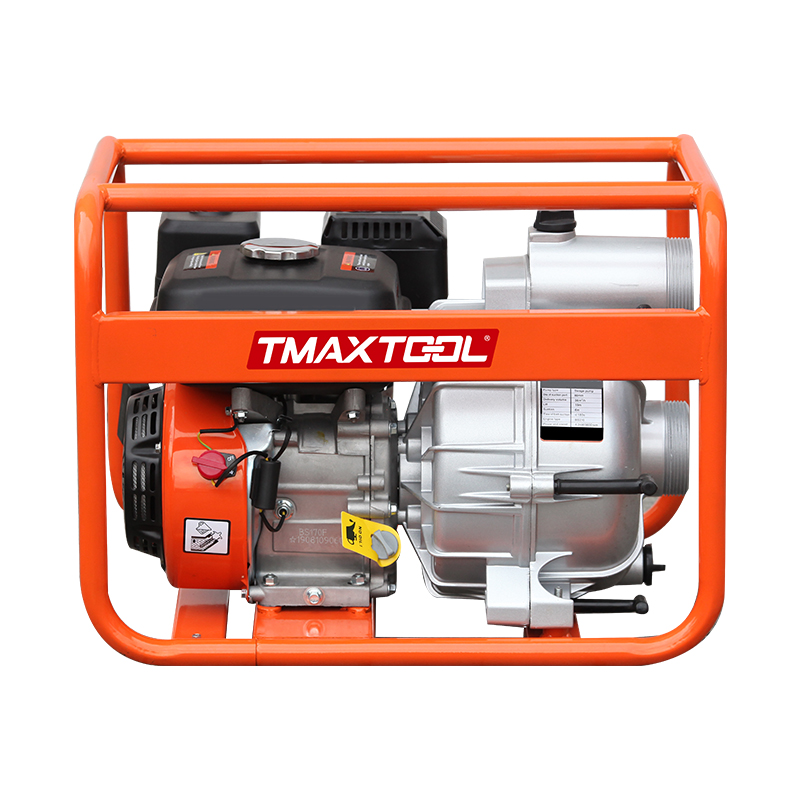 Water Pump
 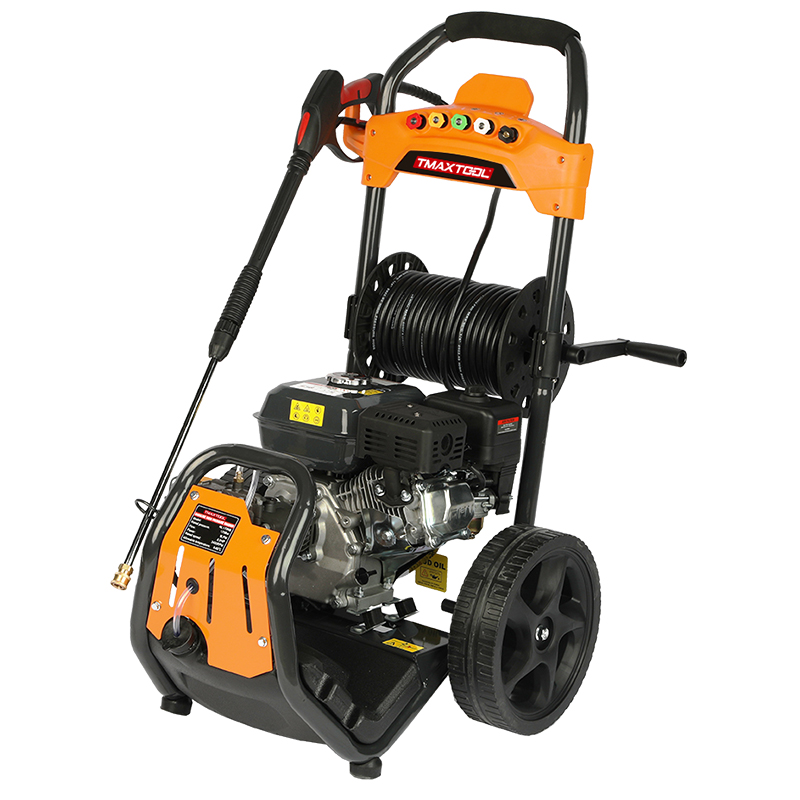 High Pressure Washer
 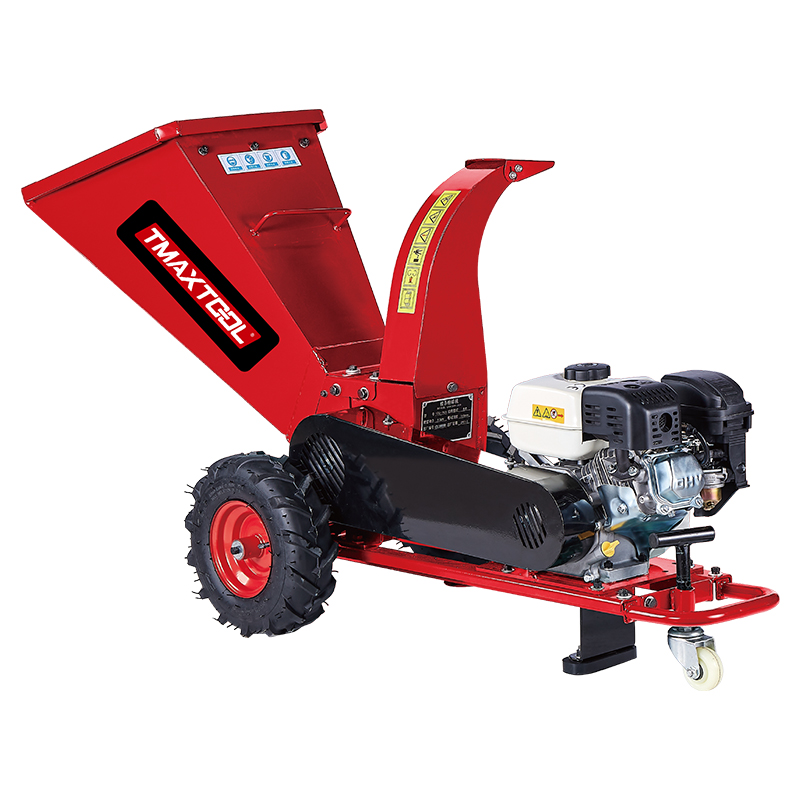 Wood Cutter
 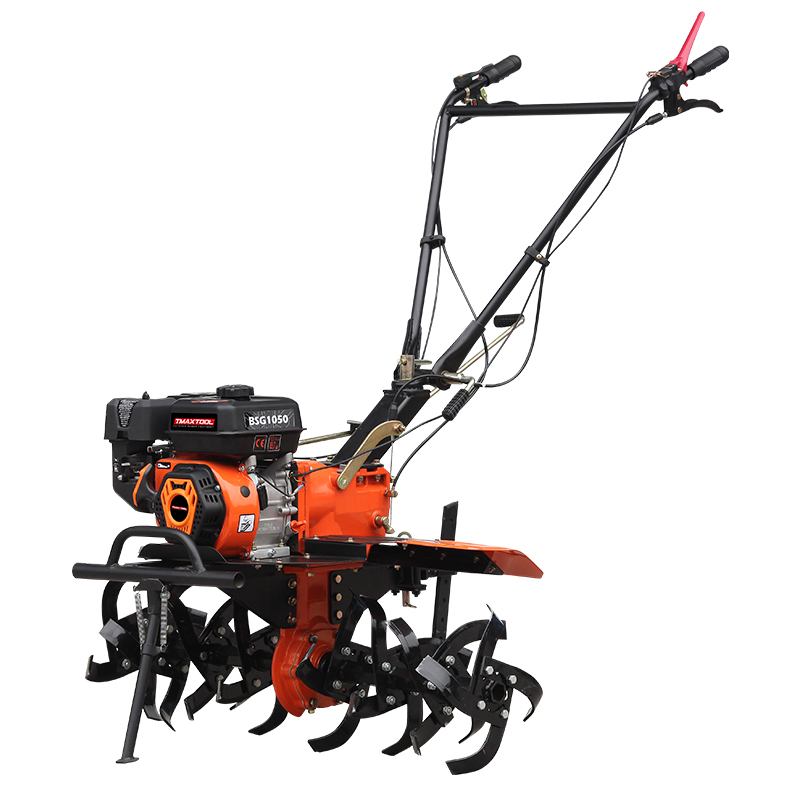 4 Stroke Tiller
 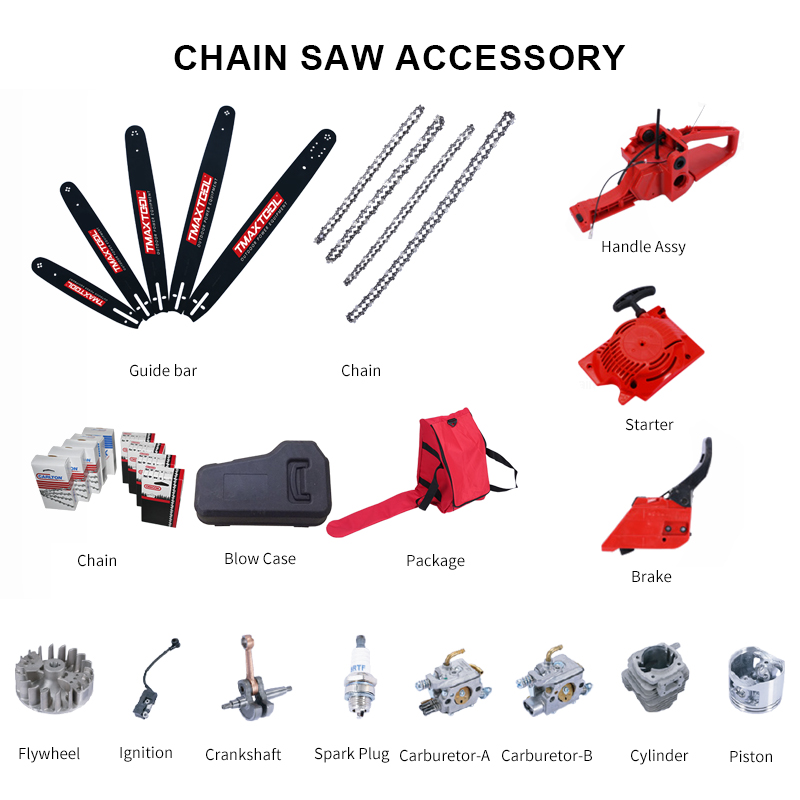 Chain Saw Accessory
 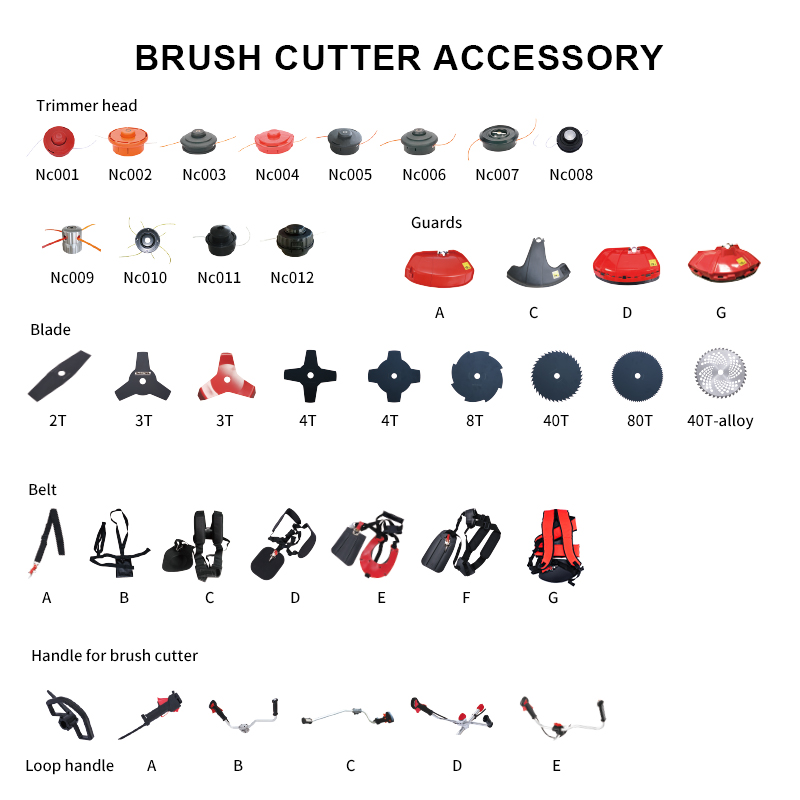 Brush Cutter Accessory
 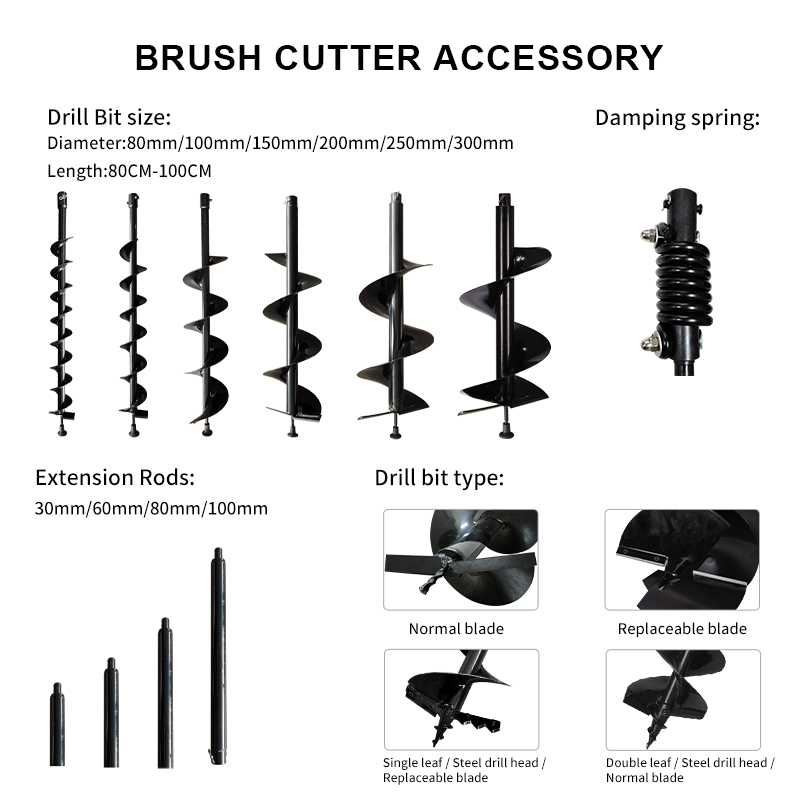 Earth Auger Accessory
 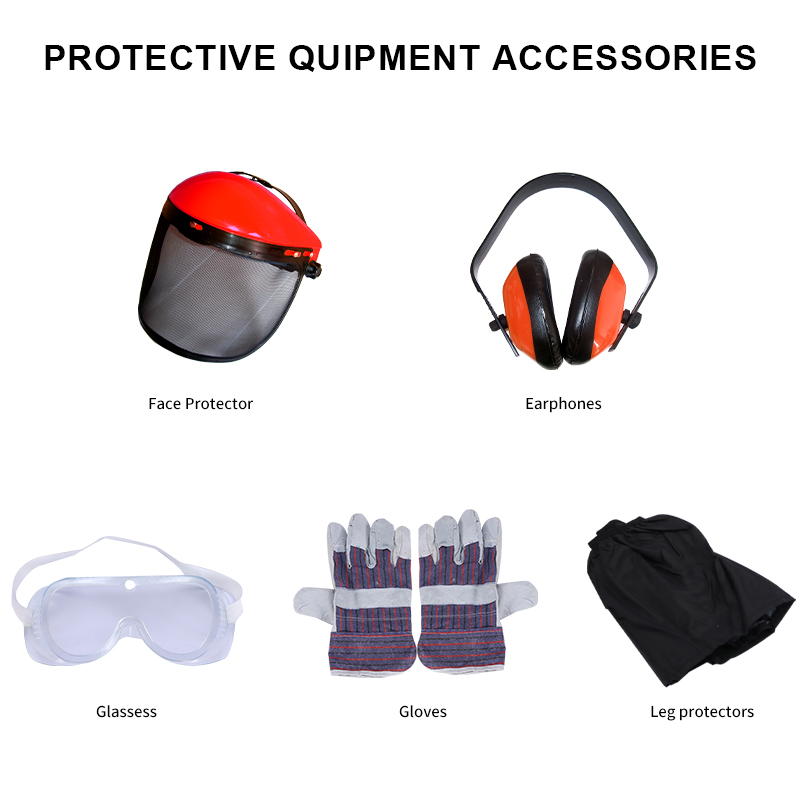 Protective Equipment Accessories
Leave Your Message


The standardization process and international certification of the power tool industry
The standardization process and international certification of the power tool industry
1.Analysis of the Global Electric Tools Standard System: Regional Entry Barriers That Dealers Must Know
2. The market value and implementation logic of mainstream international certifications (such as UL/CE/GS, etc.
3. The impact of the standardization process on dealers' procurement costs and pricing strategies
4. Inventory Management and Supply Chain Compliance Skills under Regional Standard Differences
5. How can certification endorsement enhance the competitiveness of dealers in terminal channels
6. Standard Updates and Layout Suggestions under the Trends of environmental protection and intelligence
1.Analysis of the Global Electric Tools Standard System: Regional Entry Barriers That Dealers Must Know
As an overseas distributor, the core prerequisite for a product to legally enter the target market is to thoroughly understand the underlying logic of the regional standard system. At present, global power tool standards have formed three core camps:
North American market: Centered on UL (Underwriters Laboratories) standards, superimposed with FCC electromagnetic compatibility requirements, EPA engine emission regulations (for fuel tools), and California Proposition 65 mandates the labeling of hazardous substances. It is worth noting that the safety standards for lithium battery tools in the US market have been continuously upgraded. Starting from 2023, new requirements for battery cycle life and thermal runaway protection have been added, which directly affect the product's eligibility for listing.
In the EU market, CE certification serves as the fundamental access certificate, with its core basis being the EN 62841 series of standards. These standards integrate the safety requirements for handheld, portable and garden tools, and add key indicators such as lithium-ion battery system specifications and noise and vibration measurement, replacing the old standards like EN 60745. In addition, the RoHS Directive strictly restricts the use of ten harmful substances including lead and cadmium. The newly added exemption clauses in 2022 have put forward higher requirements for the material selection of power tools.
Asia-pacific and emerging markets: Countries such as New Zealand have recognized some Chinese standards (such as the GB 3883 series) through bilateral agreements, but specific difference detection items need to be supplemented. The Southeast Asian market features "multiple countries and multiple standards". Countries like Malaysia and Thailand not only refer to IEC standards but also have local certification requirements, so targeted compliance is needed.
For dealers, the essence of the standard system is a "market pass" - taking the US market as an example, power tools that have not passed UL certification cannot enter mainstream chain channels such as Home Depot and Lowe's, and e-commerce platforms such as Amazon will directly remove products without compliance certification from the shelves.

2. The market value and implementation logic of mainstream international certifications (such as UL/CE/GS, etc.
International certification is by no means a "cost burden", but rather the "key" for dealers to open up high-value markets. Its core value is reflected in three dimensions:
Channel access value: UL certification is a hard threshold for the North American market. Products that have passed this certification can enter over 90% of professional building materials channels. CE certification is the "common language" of the 27 EU countries and the European Economic Area. Products without this certification will face the risk of customs clearance and detention. GS certification (German Safety Certification), as a voluntary certification, although not mandatory, can significantly enhance the trust of products among professional users in Europe, with a premium space of up to 15% to 20%.
Risk aversion value: American consumers have a strong sense of rights protection. Product defects may trigger class-action lawsuits, and products that have passed UL certification can obtain product liability insurance with lower rates through insurance companies. The penalties for non-compliant products in the EU market include a maximum fine of 100,000 euros and a ban on sales. CE certification can effectively avoid such risks.
Brand empowerment value: In a homogenized competition, the certification mark is the core basis for end customers to judge product quality. All TMAX products have completed core certifications such as UL/CE/GS/RoHS, and have passed the third-party testing and verification by SGS. Dealers can directly take advantage of the certification endorsement to reduce the cost of market education.
At the implementation level, dealers need to pay attention to the "validity" of the certification: Avoid purchasing products that only hold "formal certification". You should ask the supplier to provide a complete certification report and certificate query number. If necessary, verify the certification status through the official website of the certification body. Some small brands have the situation of "still being sold after the certification has expired", which may lead to customs clearance penalties or return losses for dealers.
3. The impact of the standardization process on dealers' procurement costs and pricing strategies
The standardization process directly affects the "profit accounting model" of dealers, and its influence path is mainly reflected in
Procurement cost control: The purchase price of products that have passed international certification is usually 5% to 10% higher than that of non-certified products, but in the long run, it can reduce the overall cost. Taking the EU market as an example, the customs clearance delay rate of non-compliant products can be as high as 30%, and the cost of each batch of goods being detained at the port may exceed the purchase price difference. The customs clearance efficiency of certified products has increased by 40%, and the inventory turnover cycle has been shortened by 20% to 30%.
Pricing strategy optimization: Certified products have a clear premium space. For instance, power tools certified by GS can be priced 10% to 25% higher than similar products in the European market. Professional contractors are more willing to pay a premium for "safety and compliance". Dealers can set differentiated pricing based on certification levels: for DIY user groups, they mainly promote basic CE certified models; for professional user groups, they focus on promoting high-end UL/GS certified models.
Tariff cost optimization: Some certifications can assist in tariff planning. For instance, lithium battery tools that have passed UL certification can optimize HS code classification, and the US Section 301 tariff rate on China can be reduced from 25% to 7.5%. TMAX can provide dealers with tariff planning consultation related to certification and assist in reducing the overall operating costs.
4. Inventory Management and Supply Chain Compliance Skills under Regional Standard Differences
Regional standard differences are the core pain point in dealers' inventory management. A slight mistake may lead to "inventory overstock" or "compliance failure". The following tips can effectively deal with it
Establish a "certified stratified inventory" system: Classify and stock according to the compliance requirements of the target market - the North American warehouse focuses on reserving UL/ FCC-certified products, the European warehouse focuses on CE/GS/RoHS certified models, and for emerging markets, a combination of "basic certification + regional supplementary certification" products can be provided. For instance, in the New Zealand market, TMAX has completed the supplementary testing for CCC certification, allowing dealers to sell in compliance without additional investment.
Dynamic tracking of standard updates: Subscribe to UL and the European Commission's standard update notifications to adjust your inventory structure in advance. If the EU EN 62841 standard will add safety requirements for wireless charging in 2025, dealers can stock up on the new TMAX models that already meet these requirements in advance to avoid compliance risks for the old models.
Choose a "full certification coverage" supplier: Products certified in a single market would restrict channel expansion, while TMAX's full range of products cover the world's mainstream certifications. Dealers can flexibly switch target markets without having to develop separate suppliers for different regions, significantly reducing the complexity of the supply chain.

5. How can certification endorsement enhance the competitiveness of dealers in terminal channels
In the B2B wholesale scenario, certification endorsement is the core bargaining chip for distributors to convince downstream customers (such as retailers and engineering contractors), and its competitiveness is reflected in:
Reduce the cost of cooperative decision-making: When professional contractors make purchases, they will give priority to reviewing product certification qualifications. The complete certification documents provided by TMAX can be directly used as proof of bidding qualifications, helping distributors quickly secure bulk orders. A certain American distributor successfully entered the local construction engineering supplier list with the UL certification of TMAX, and its annual sales increased by 80%.
Enhance terminal bargaining power: When facing retail customers, the certification mark can serve as visual evidence of "quality assurance", reducing the pressure of price negotiation. For instance, in the European market, the repurchase rate of GS-certified TMAX Angle Grinders is 35% higher than that of uncertified products, and downstream retailers are more willing to cooperate for a long time.
Avoid channel complaint risks: Certified products have higher quality stability, and the after-sales complaint rate can be reduced by more than 60%. The electric drill products of TMAX that have passed UL certification have a motor life test of up to 5,000 hours, far exceeding the industry average. This helps dealers reduce after-sales handling costs and enhance their channel reputation.
6. Standard Updates and Layout Suggestions under the Trends of environmental protection and intelligence
The standardization of the power tool industry is accelerating towards "environmental protection and intelligence". Dealers need to make early preparations to seize the initiative
Environmental protection standards upgrade layout: The EU's upcoming "Carbon Border Tax" (CBAM) will cover power tools, and product carbon footprint reports will become a new compliance requirement. California in the United States is also promoting the update of the energy efficiency standards (DOE) for power tools. Products that exceed energy consumption standards will be restricted from sale. TMAX has initiated the carbon footprint calculation of its products and will provide dealers with complete carbon footprint reports in the future, helping them seize the initiative in the low-carbon market.
Intelligent standard adaptation: With the popularization of smart power tools (such as Bluetooth connection and load monitoring functions), international standards have added requirements for critical electronic safety functions (such as Article 18 of EN 62841), stipulating that faults in smart modules must not affect core safety functions. The intelligent series products of TMAX have passed the ISO 13849-1 functional safety certification. Dealers can focus on laying out in this field to meet the demands of professional users for intelligent tools.
Regional customized compliance: In response to the standard differences in emerging markets, it is recommended to collaborate with suppliers to develop "regional customized products". For instance, TMAX can provide Southeast Asian distributors with products that comply with local voltage standards (220V/50Hz) and are IEC certified, balancing compliance and cost-effectiveness.