
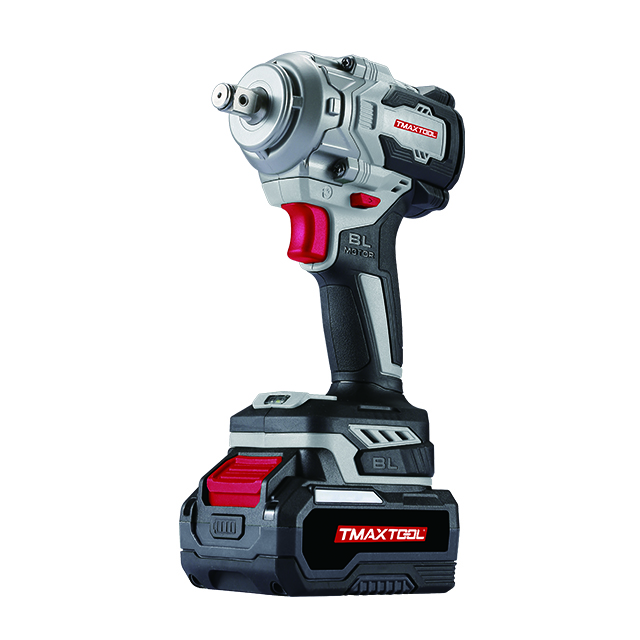
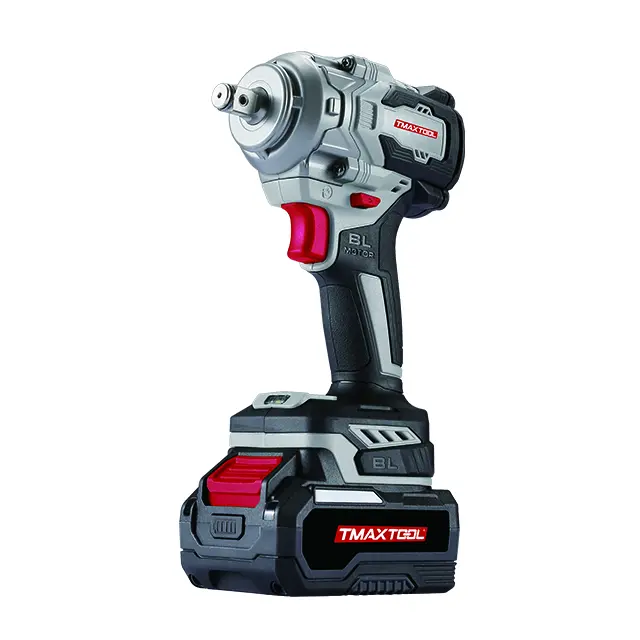
 Impact Wrench
 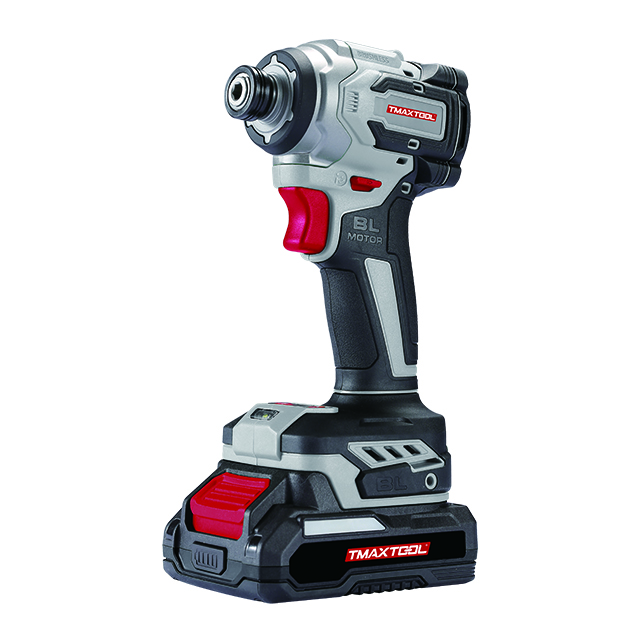 Screwdriver
 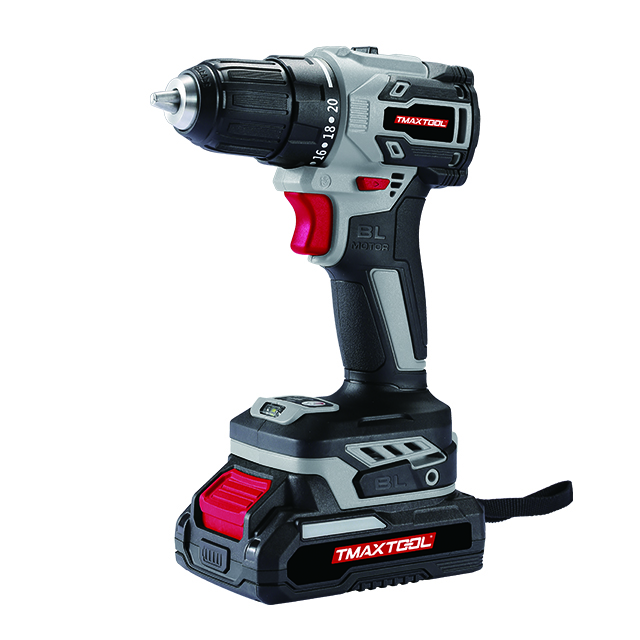 Cordless Drill
 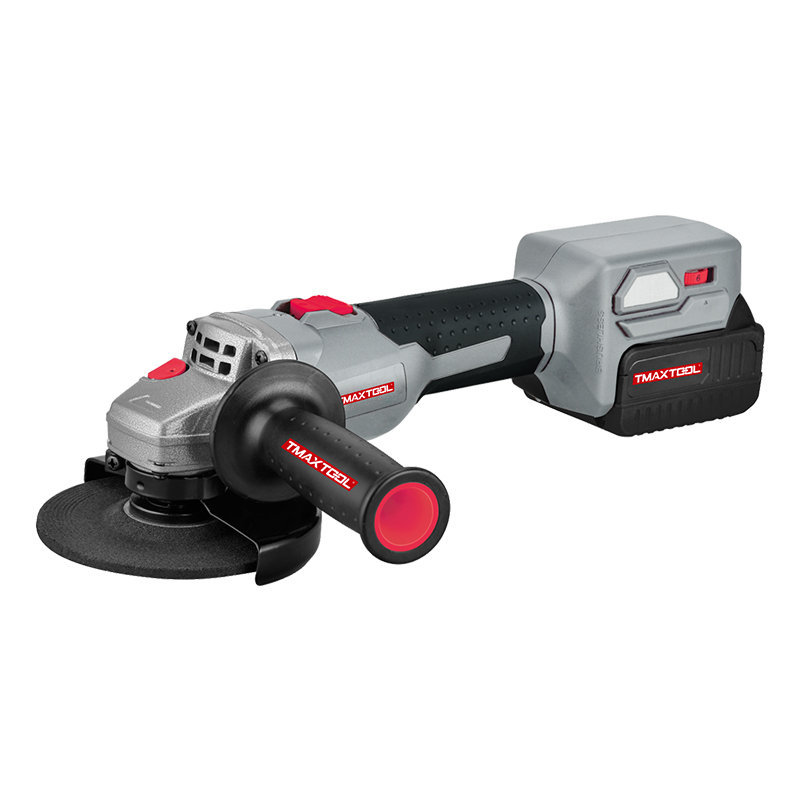 Angle Grinder
 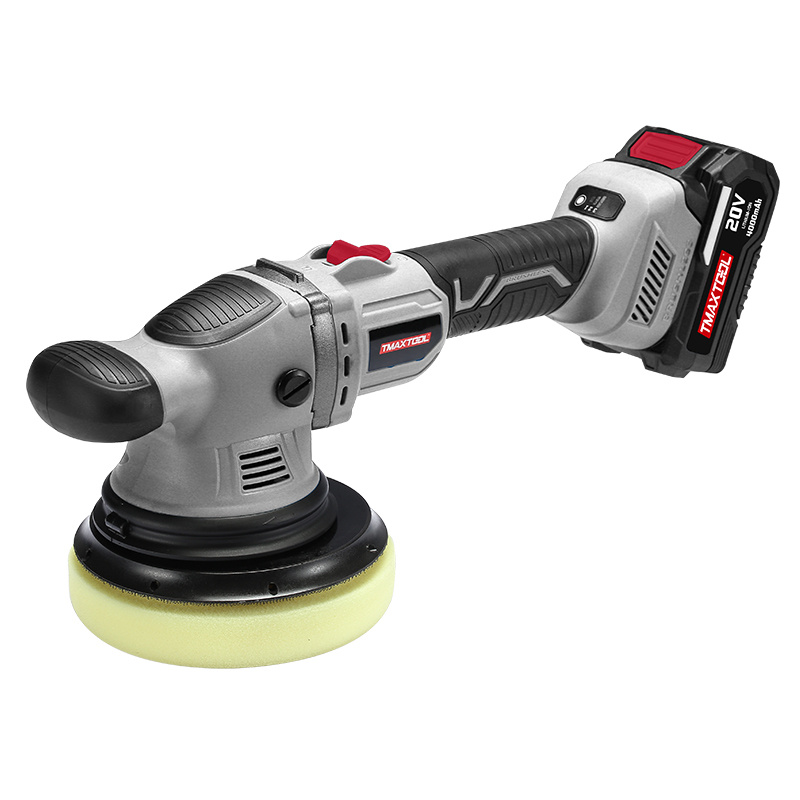 Polisher
 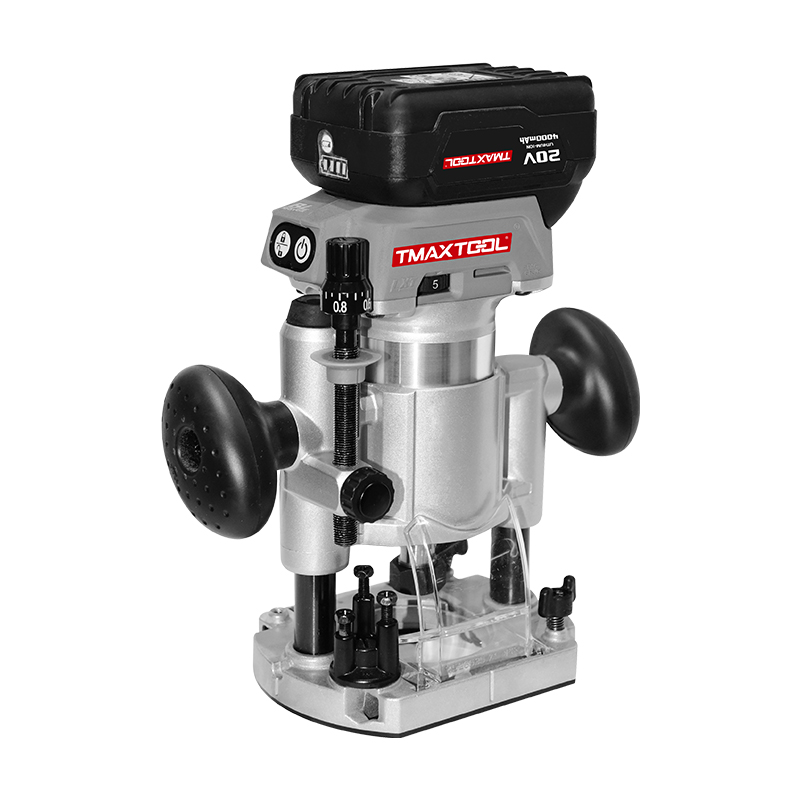 Wood Router
 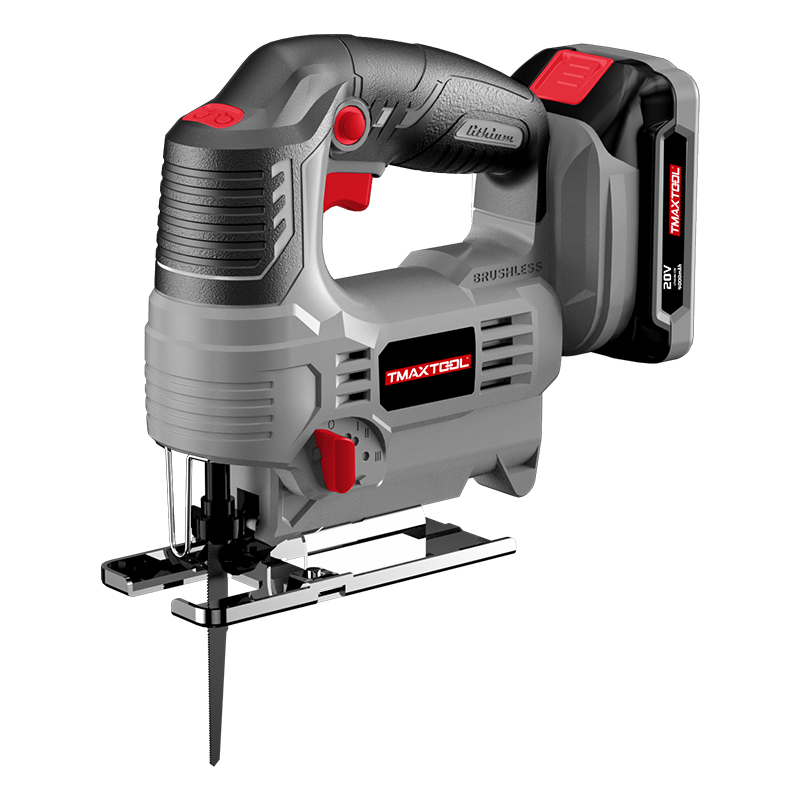 Jig Saw
 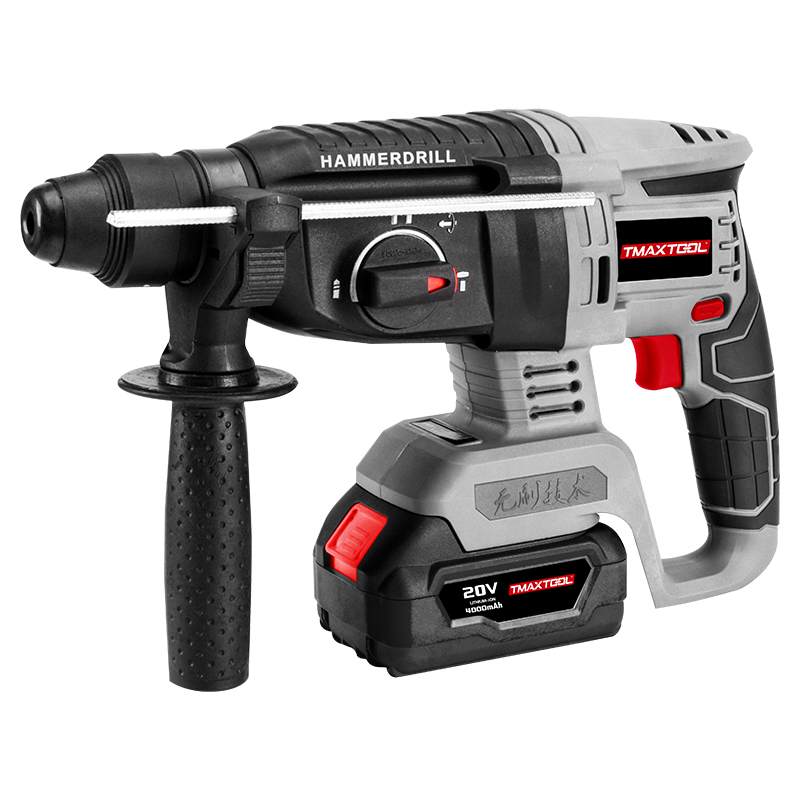 Hammer Drill
 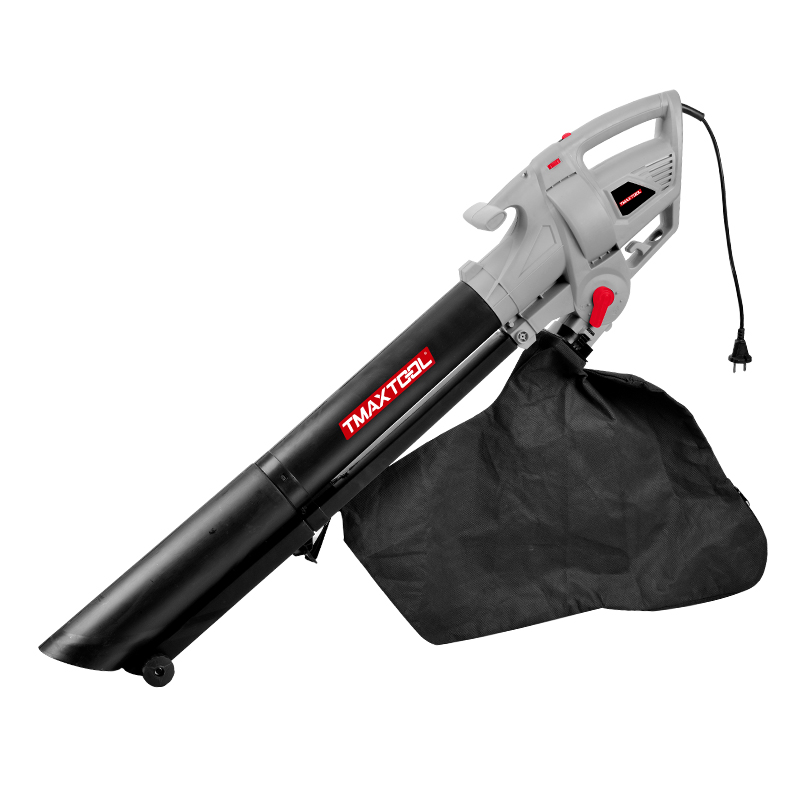 Portable Blower
 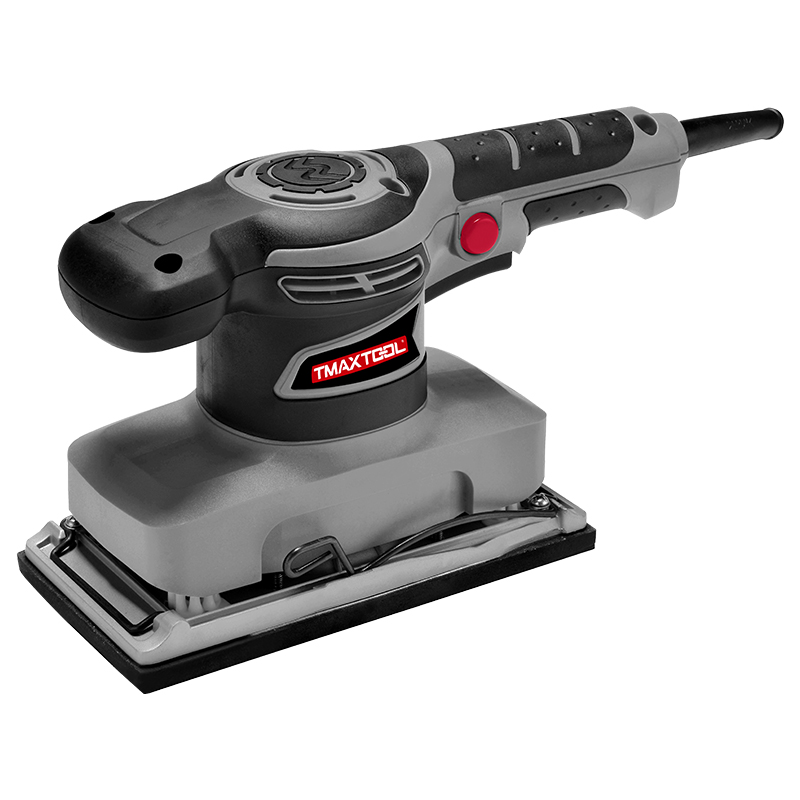 Orbital Sander
 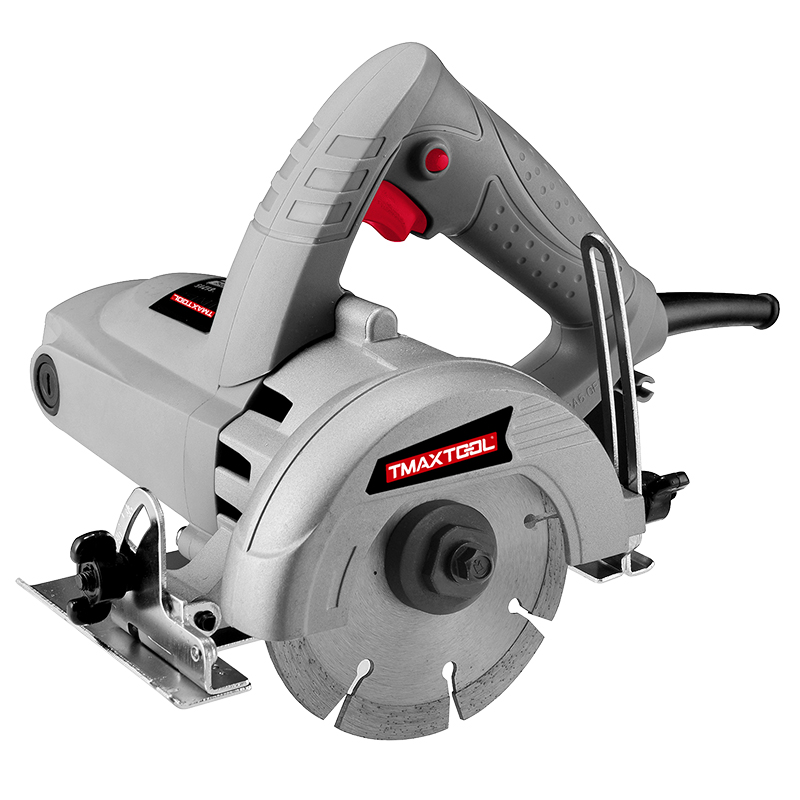 Marble Cutter
  GARDEN TOOLS
 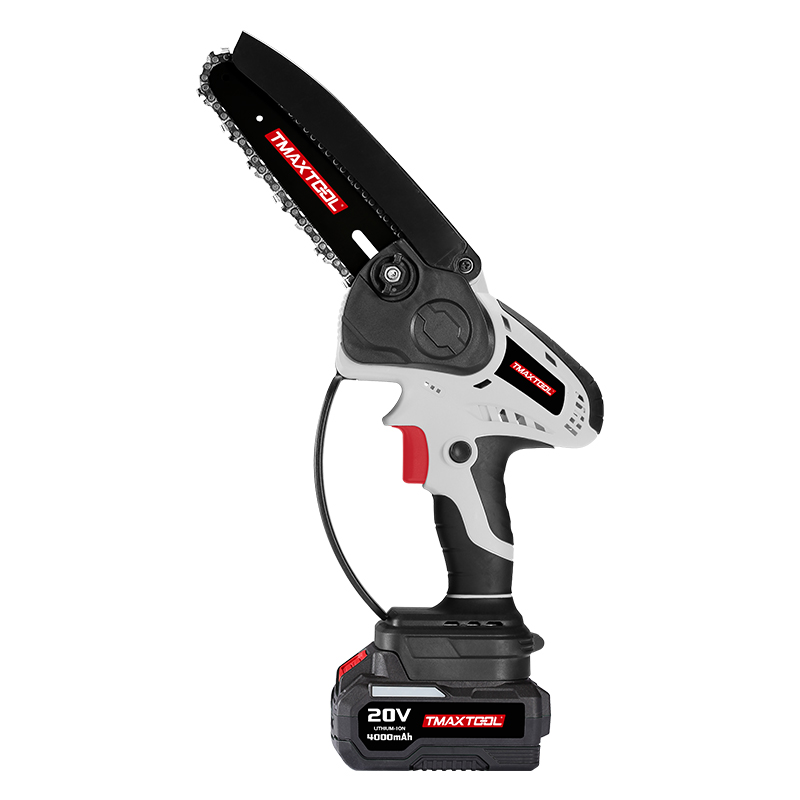 Battery Chain Saw
 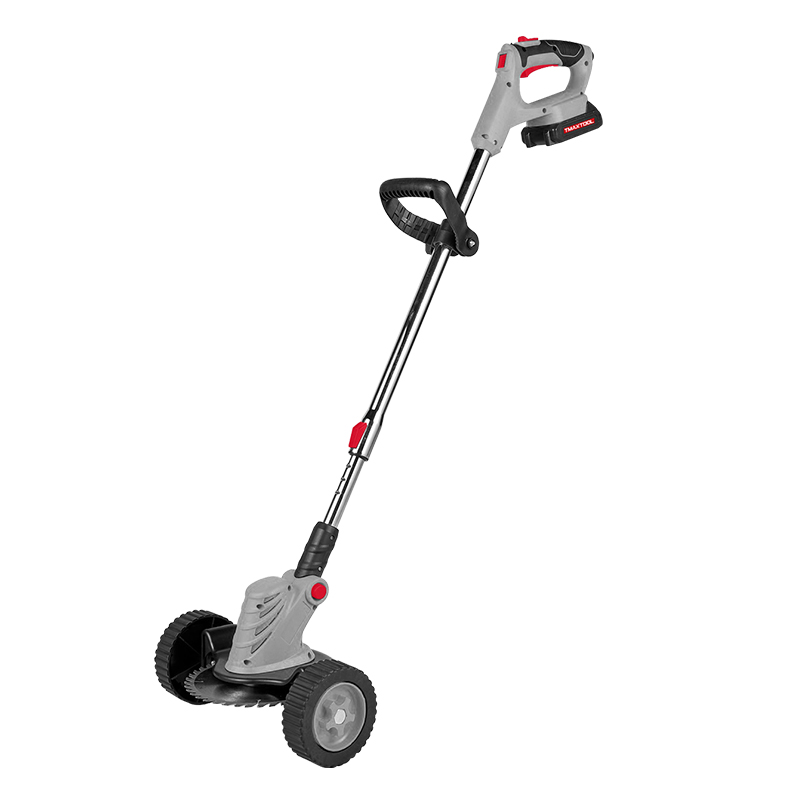 Battery Brush Cutter
 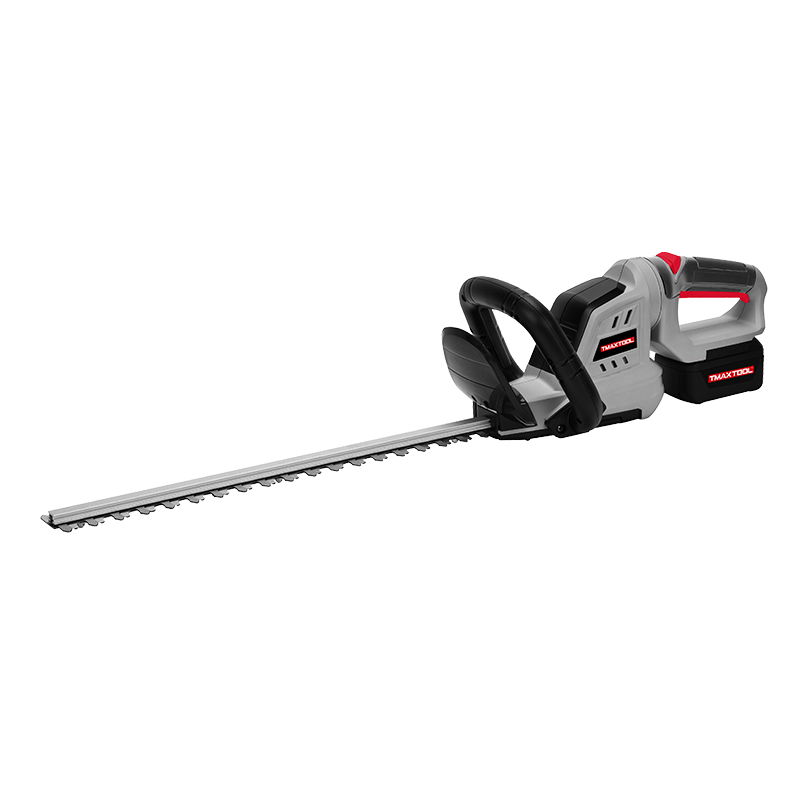 Battery Hedge Trimmer
 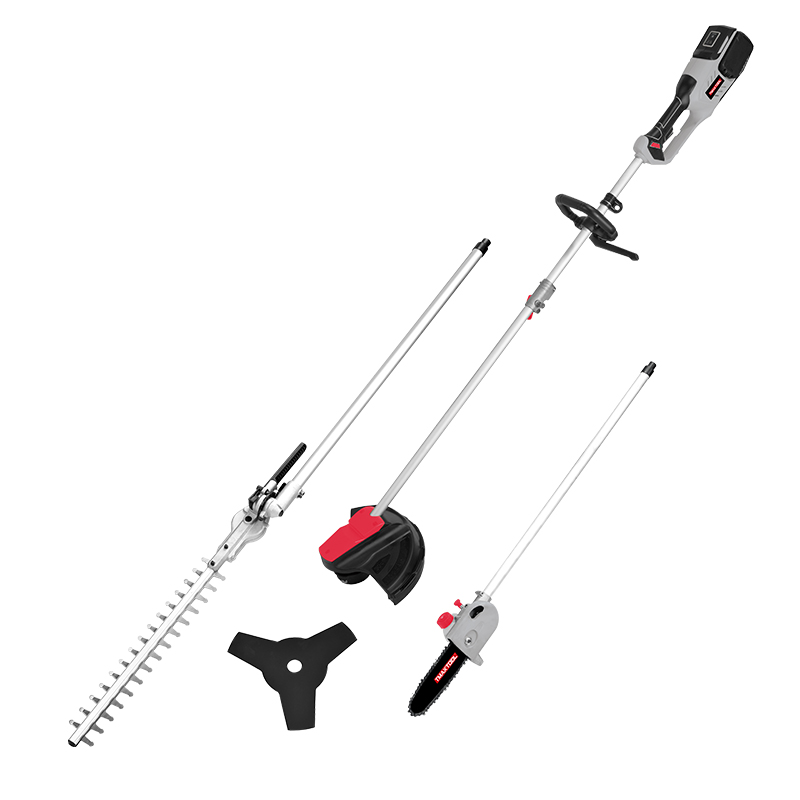 Battery Multi Tool
 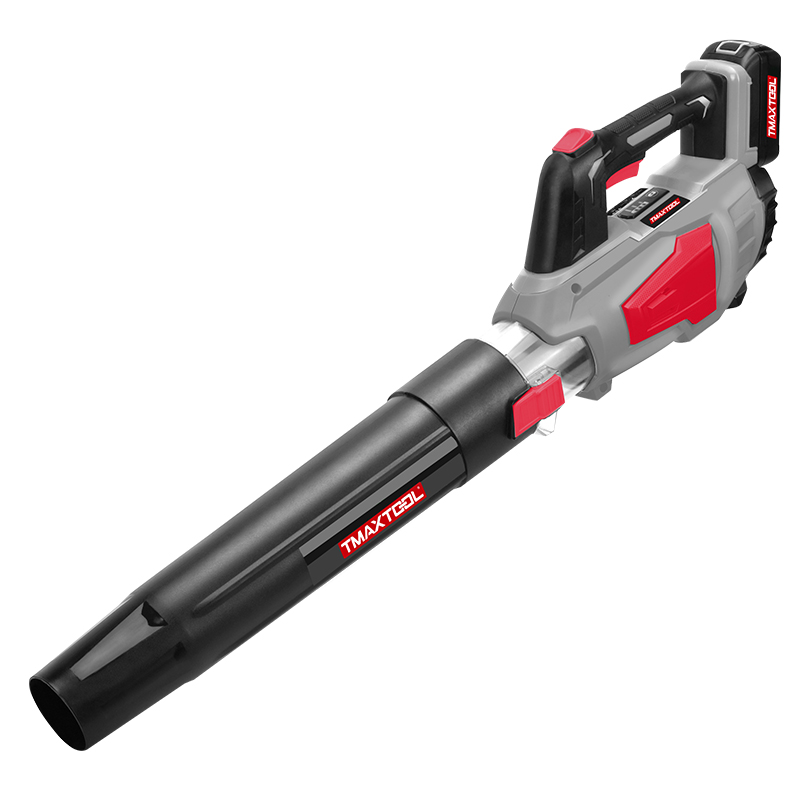 Battery Blower
 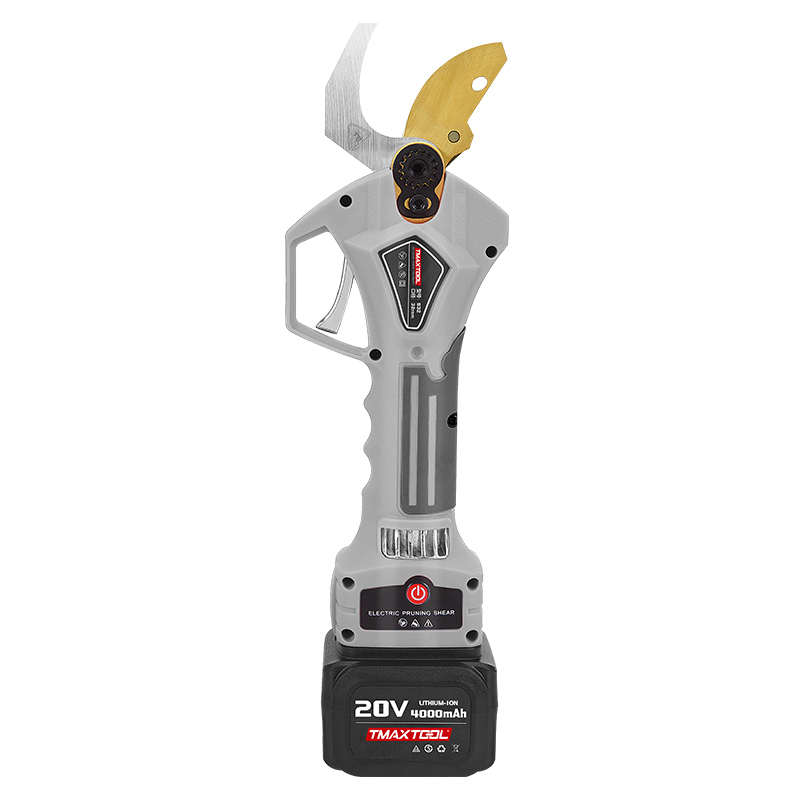 Batter Pruning Shears
 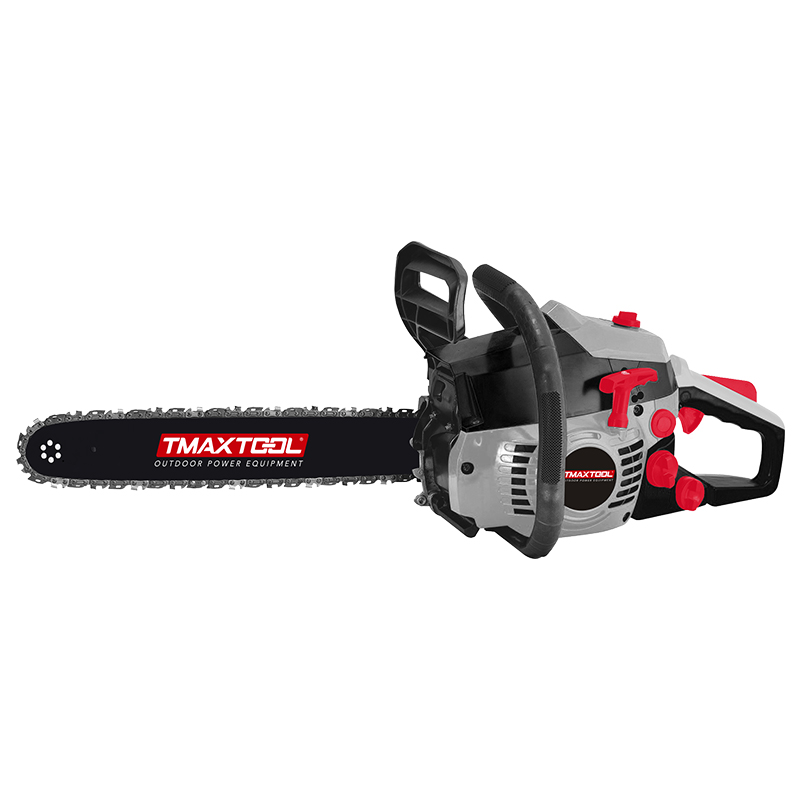 Chain Saw
 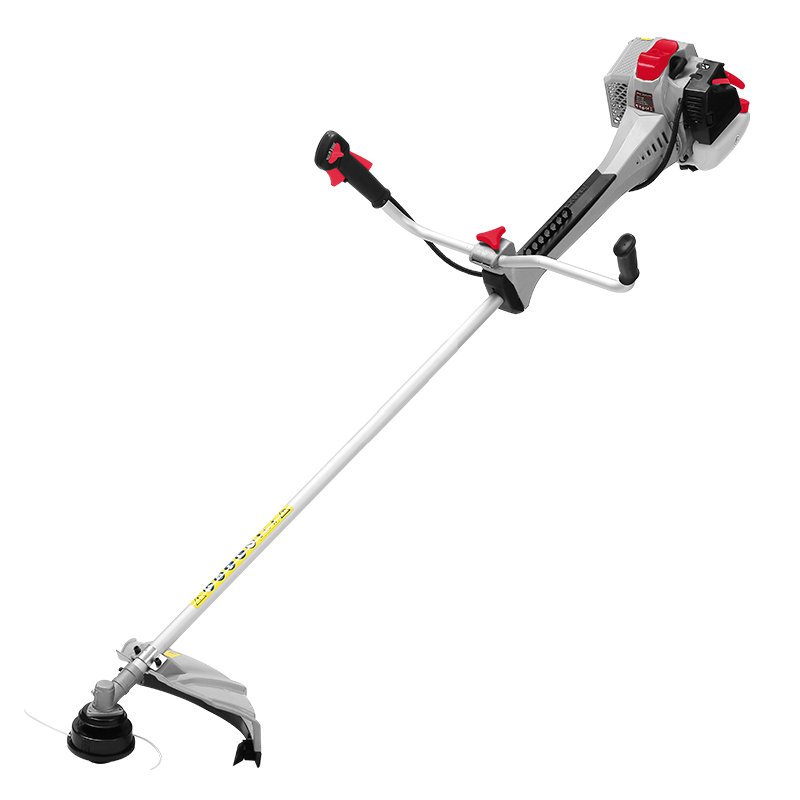 Brush Cutter
 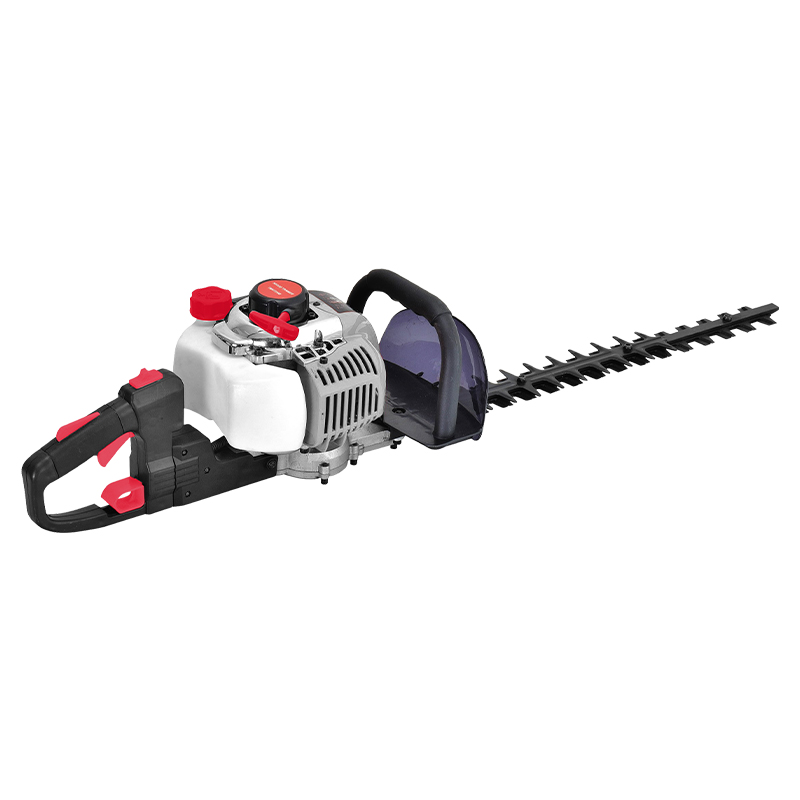 Hedge Trimmer
 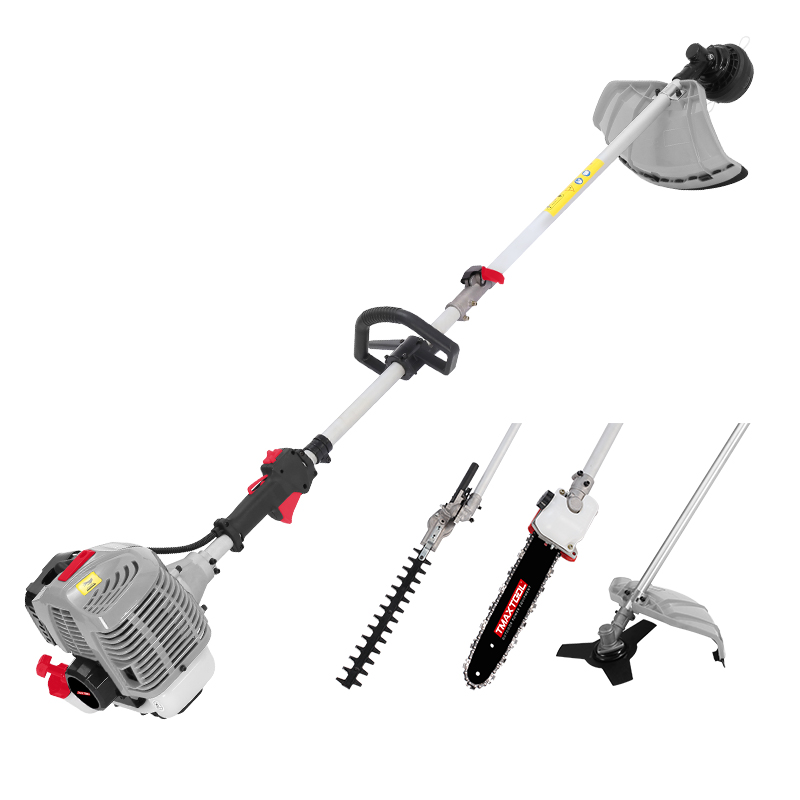 Multi Tool
 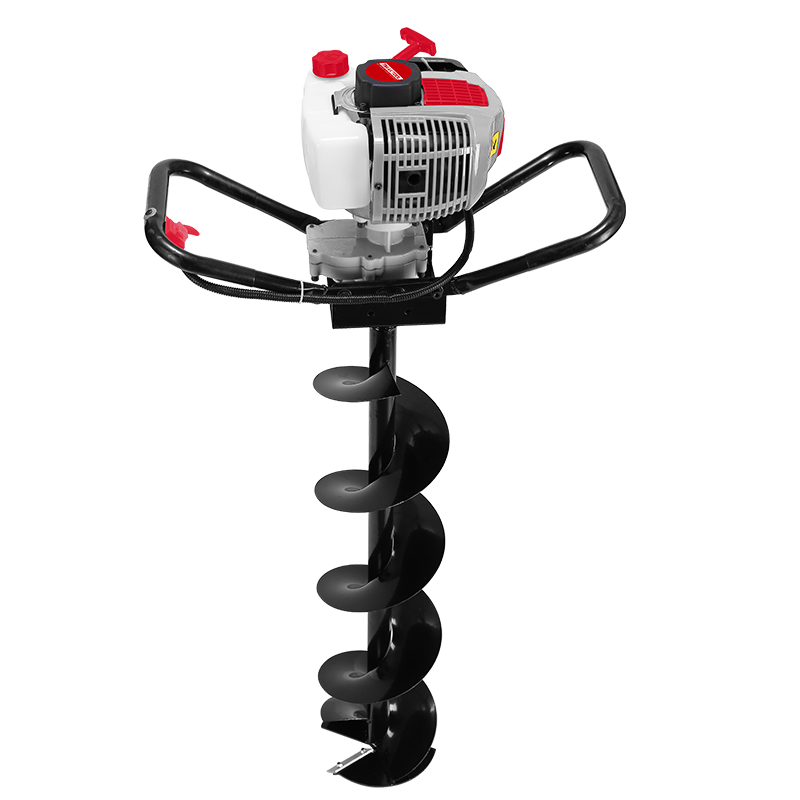 Earth Auger
 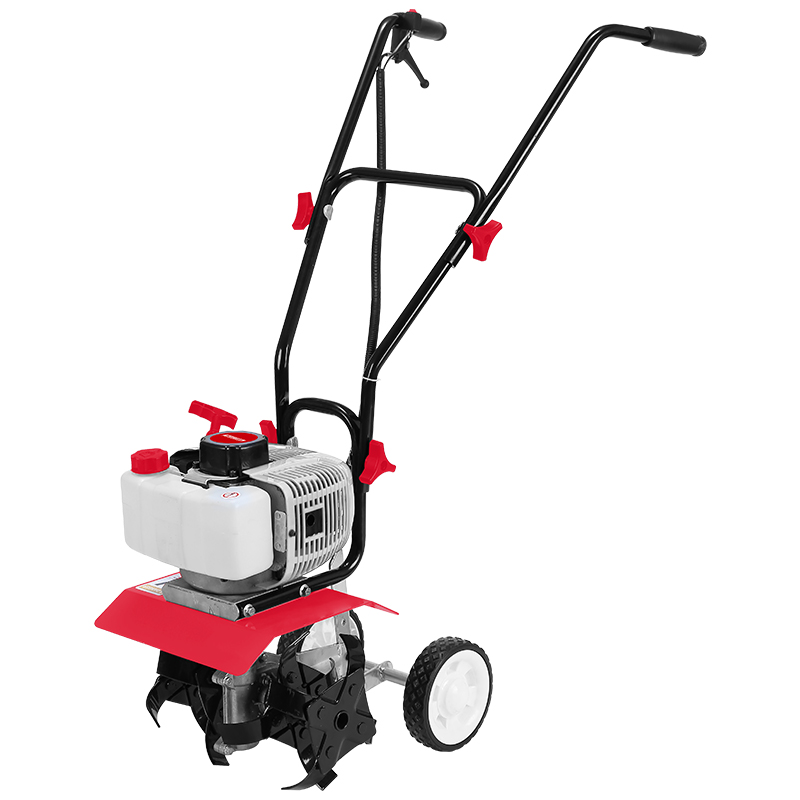 Tiller
 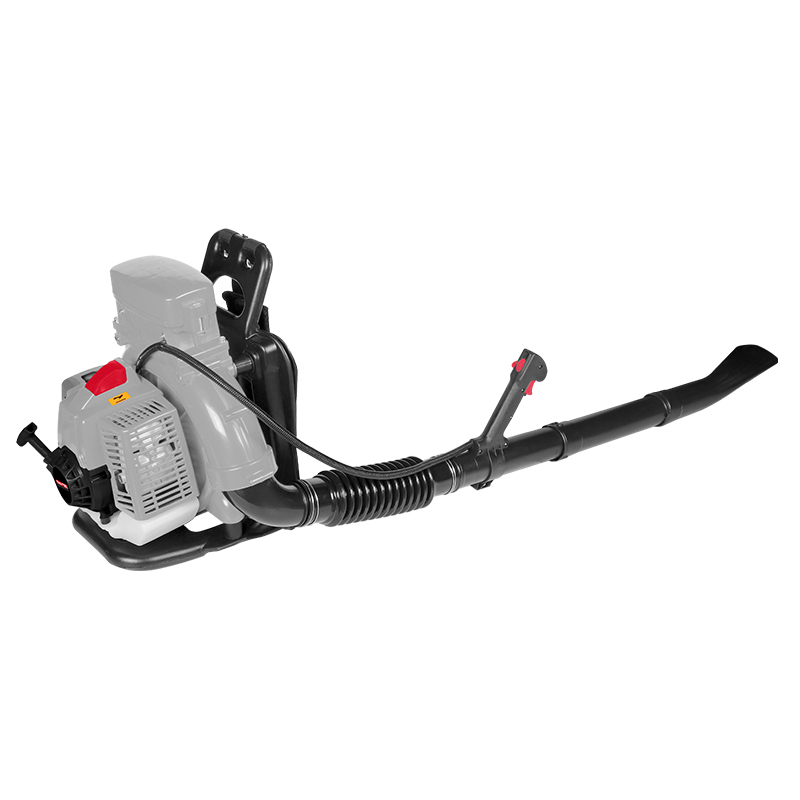 Blower
 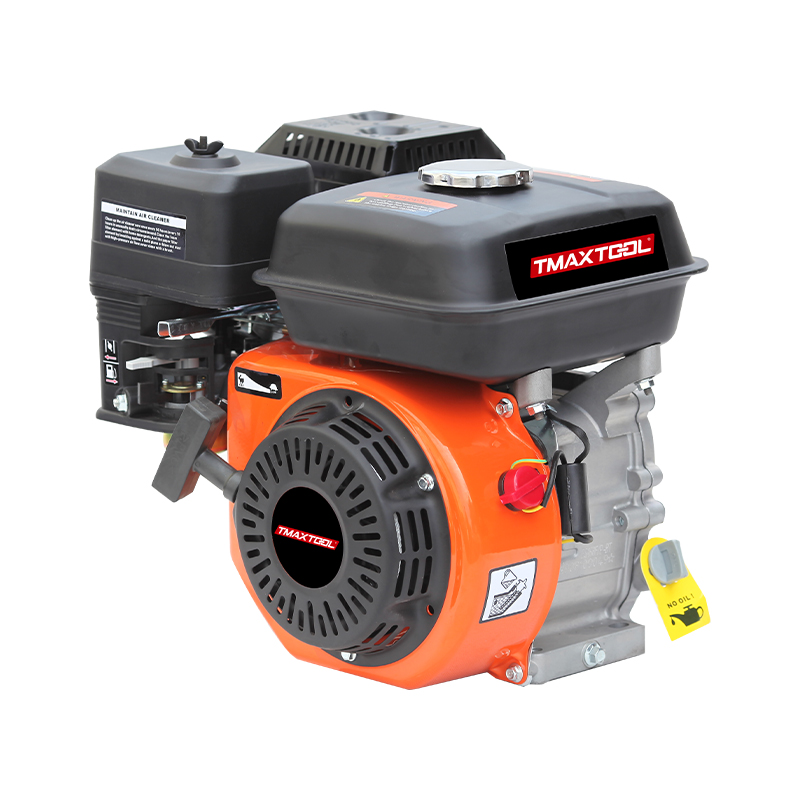 4 Stroke Gasoline Engine
 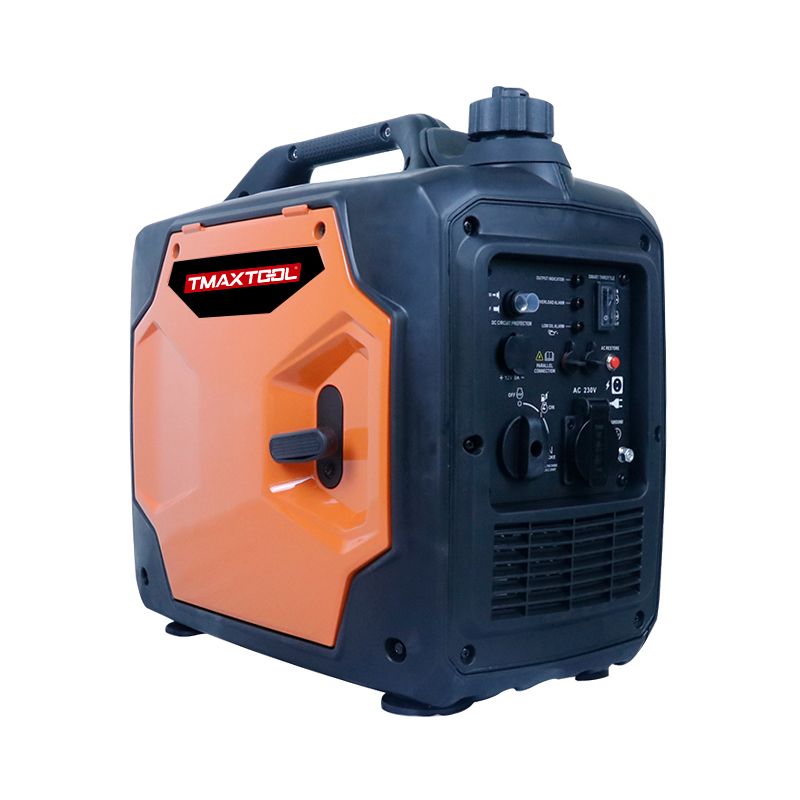 Generator
 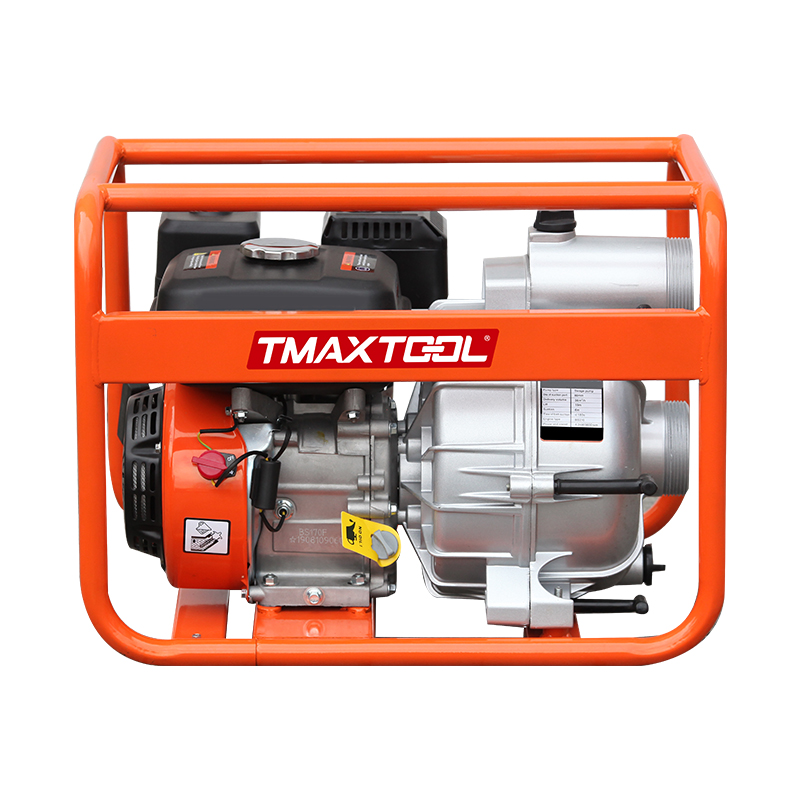 Water Pump
 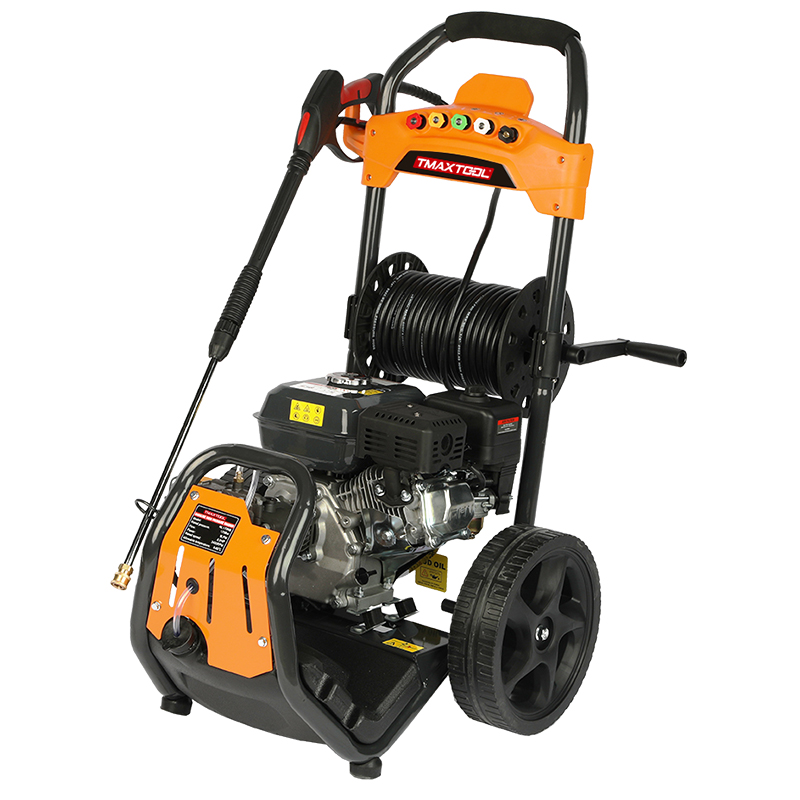 High Pressure Washer
 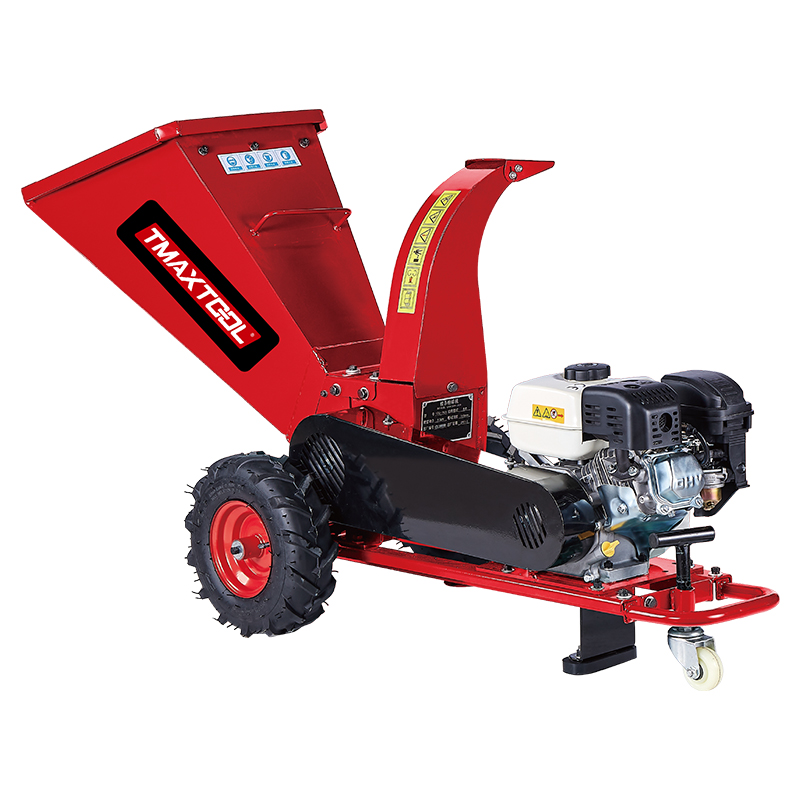 Wood Cutter
 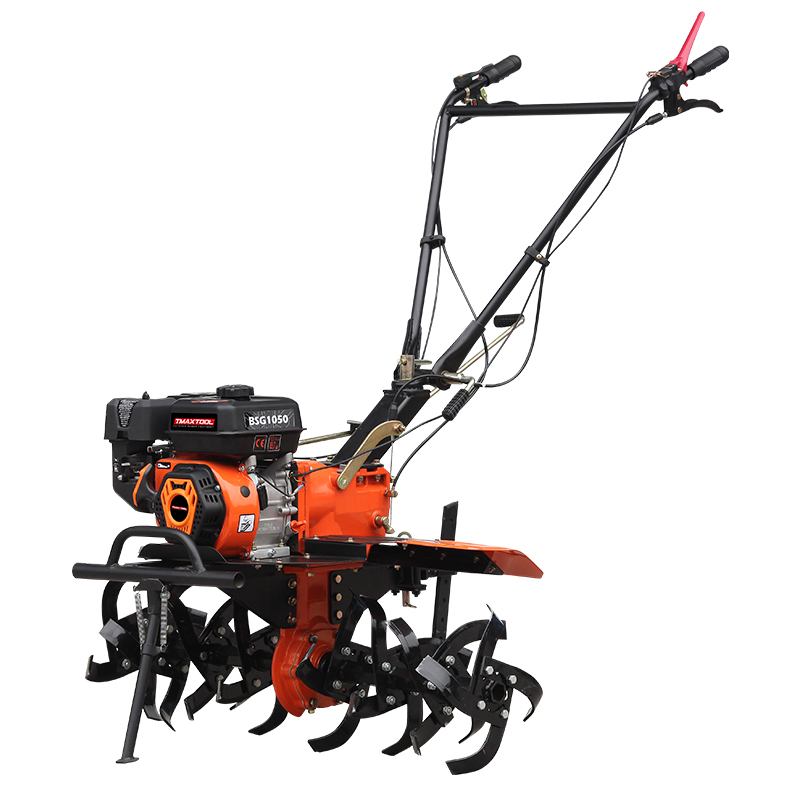 4 Stroke Tiller
 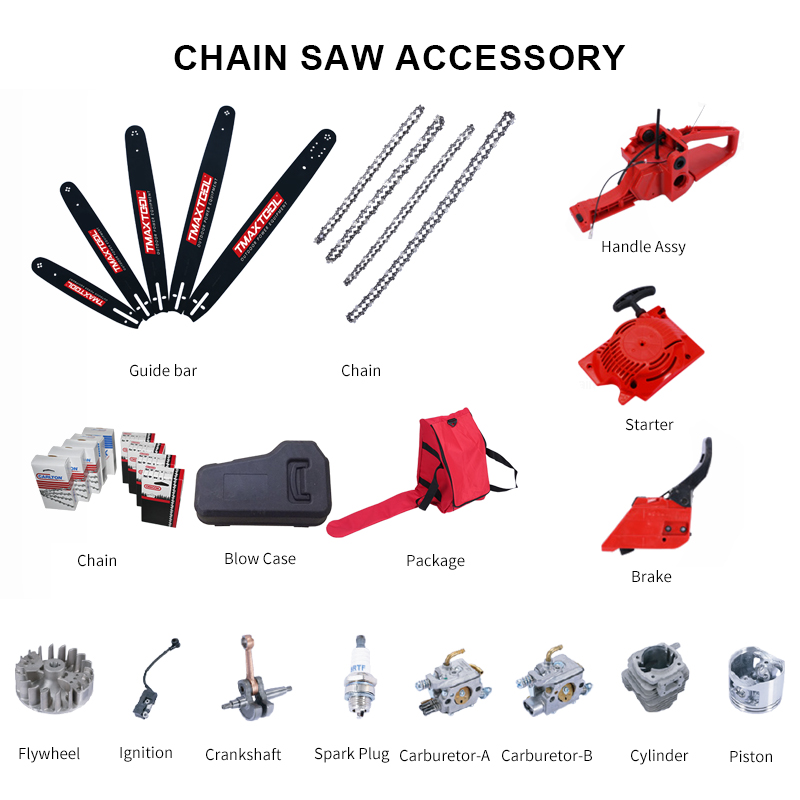 Chain Saw Accessory
 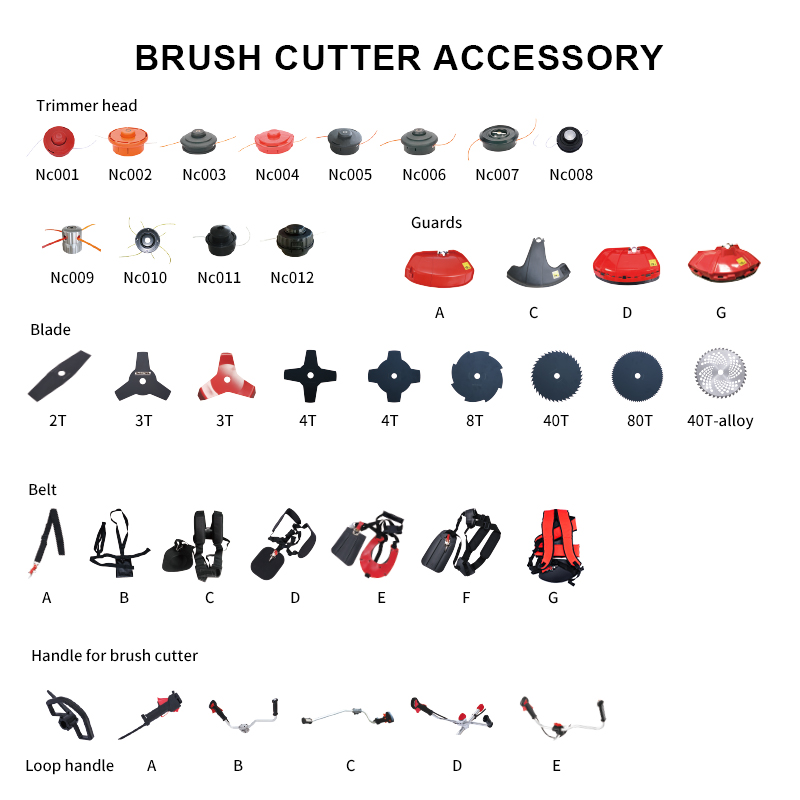 Brush Cutter Accessory
 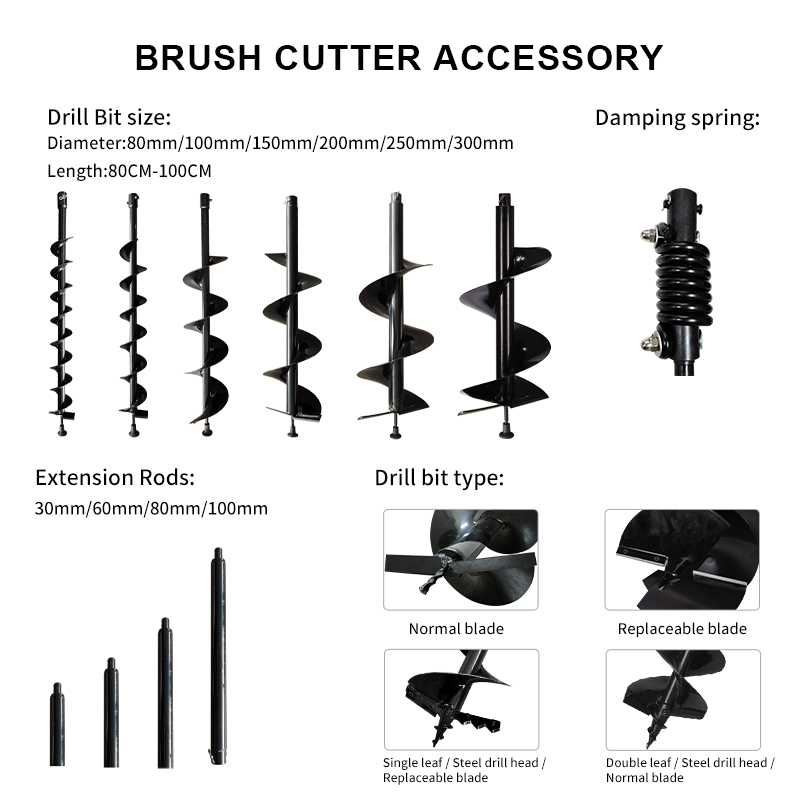 Earth Auger Accessory
  Protective Equipment Accessories
Leave Your Message


Torque control technology and precision improvement of electric screwdrivers
Torque Control Technology and Precision Improvement in Electric Screwdrivers
1. Core Technology Principles of Torque Control: From Mechanical Adjustment to Intelligent Closed-Loop Control
2. Key Components Affecting Precision: Sensors, Transmission System, and Control Module
3. Four Technical Paths to Precision Improvement: Dynamic Response, Steady-State Control, Load Adaptation, and Environmental Compensation
4. Internationally Accepted Torque Precision Standards and Testing Specifications
5. Multi-Scenario Torque Control Optimization Solutions: Industrial Assembly and Professional Operation Practices
I. Core Technology Principles of Torque Control: From Mechanical Adjustment to Intelligent Closed-Loop Control
The torque control technology of electric screwdrivers has evolved from traditional mechanical adjustment to a multi-dimensional intelligent control system. Its core logic is to achieve precise control through a closed-loop mechanism of "command input - real-time monitoring - dynamic correction."
1. Basic Mechanical Control
Early torque control relied on the physical action of a clutch and a torsion spring: when the output torque reaches a preset threshold, the spring compresses, triggering the clutch to slip and cutting off power transmission to avoid overload. This method is simple in structure and suitable for entry-level tools, but its accuracy is greatly affected by spring fatigue, with deviations typically exceeding ±10%.
2. Electronic Control Upgrade Modern tools widely employ electronic control technology, the core of which includes: Current sensing control: Monitoring changes in motor current to determine load torque; automatically reducing speed or cutting off power when a threshold is reached, with a response time of approximately 50ms; PWM pulse width modulation: Achieving stepless speed regulation of torque by adjusting the voltage pulse duty cycle, improving steady-state accuracy to within ±5%; Vector control technology: Decoupling the excitation current (d-axis) and torque current (q-axis) of the AC motor through Clark/Park coordinate transformation, achieving independent and precise control, shortening the dynamic response time to 10-50ms.
3. Intelligent Closed-Loop Control
High-end models integrate torque sensors and AI algorithms to form a complete closed loop:
Real-time Feedback: The screwdriver head has a built-in strain gauge sensor that samples more than 1000 times per second, dynamically capturing torque changes;
Algorithm Correction: Through PID regulation and a load disturbance observer, load changes are predicted and compensated in advance, achieving a repeatability accuracy of ±0.01mm;
Digital Setting: The target torque value (unit selectable N·m or in-lb) can be directly input on the LCD screen, supporting fine-tuning in increments of 0.01 N·m.

II. Key Components Affecting Accuracy: Sensors, Transmission System, and Control Module
Achieving torque accuracy relies on the coordinated optimization of these three core components. Deviations in any环节 will lead to accuracy loss:
1. Torque Sensor: The Core of Accuracy Sensing
Type Selection: Strain gauge sensors offer high sensitivity (accuracy ±0.1% FS), suitable for industrial tools; magnetostrictive sensors have strong anti-interference capabilities and are suitable for harsh environments;
Key Parameters: Range matching must follow the principle of "3 times the range for values below 1 N·m, 5 times the range for values above 1 N·m" to avoid plastic deformation of the elastic body;
Signal Processing: A 24-bit high-precision ADC (Analog-to-Digital Converter) combined with FPGA filtering can suppress noise to below 0.05% FS, capturing minute torque changes.
2. Transmission System: Ensuring Torque Transmission Accuracy
Gearbox Design: Optimizing the gear ratio (gear ratio = number of teeth on the motor gear / number of teeth on the large gear × internal gear ratio) in multi-stage gear matching reduces meshing clearance. One solution reduced transmission error from 0.3° to 0.05° by upgrading gear precision.
Clutch Optimization: Replacing traditional metal plates with ceramic friction plates improves wear resistance; torque attenuation rate ≤2% after 1000 cycles.
Shaft Alignment: Laser alignment ensures radial/axial/angular deviations ≤0.05mm, avoiding torque distortion caused by installation errors.
3. Control Module: Intelligent Control Hub
Chip Selection: 32-bit ARM processor with a processing speed ≥100MHz, supporting complex vector control algorithms;
Power Management: Wide voltage input (100-240V AC) with voltage regulation circuit, torque deviation ≤±0.5% when voltage fluctuation is ±10%;
Electromagnetic Compatibility: Complies with EN 55014-1 standard, shielding against motor interference and ensuring stable sensor signals.
III. Four Technical Paths to Improve Accuracy: Dynamic Response, Steady-State Control, Load Adaptation, and Environmental Compensation
Through systematic technical optimization, torque control accuracy can be comprehensively improved from four dimensions:
1. Dynamic Response Optimization: Reducing Hysteresis Error
Independent Torque and Current Adjustment: Vector control directly regulates the q-axis current, reducing the dynamic response time from 100-200ms in traditional V/F control to 10-50ms, with servo-level tools achieving <10ms;
Preloading Strategy: For high-frequency start-stop scenarios, initial current is injected in advance, reducing the start-up torque build-up time by 60%.
2. Enhanced Steady-State Control: Suppressing Fluctuation Deviation
Dual Closed-Loop PI Regulation: Speed loop + current loop work together, even if the load increases from 5N·m to 8N·m, speed fluctuation is still controlled within ±5rpm (1000rpm rated speed);
Torque Pulse Compensation: The algorithm predicts cogging torque and adjusts the current in the opposite direction to cancel pulsation, resulting in no jitter at low speeds (0.5rpm).
3. Load Adaptation Upgrade: Handling Complex Operating Conditions
* Disturbance Observer: Real-time estimation of load torque, pre-compensation for current during sudden load changes to avoid insufficient torque or overshoot;
* Adaptive Mode: Automatically identifies screw material (metal/plastic/wood) and dynamically adjusts the torque curve to prevent over-tightening or under-tightening.
4. Environmental Compensation Mechanism: Reducing External Influence
* Temperature Compensation: Built-in NTC thermistor automatically corrects torque values in environments ranging from -10℃ to 60℃, with an error ≤±1%;
* Enhanced Protection: IP67 protection rating isolates from dust and liquids, maintaining torque stability above 98% at 85% RH.

IV. Internationally Accepted Torque Accuracy Standards and Testing Specifications
The global mainstream market's certification standards for electric screwdriver torque accuracy are based on the EU standard EN 60745-1 and the International Electrotechnical Commission (IEC) standard 60745:
1. Core Accuracy Requirements
Static Torque Deviation: Actual value deviation from nominal value ≤ ±15% (EN 60745-1:2023 version), high-end tools must achieve an industry-leading level of ±8%;
Dynamic Torque Stability: After 100 consecutive tightening cycles, torque attenuation ≤ 5%;
Repeatability: Servo-grade tools must achieve ±0.01~±0.05mm.
2. Standard Testing Procedure
* **No-load Test:** Confirm speed fluctuation ≤ ±1% under no-load conditions;
* **Step Load Test:** Gradually increase torque from 20% to 120%, recording fluctuation values at each stage;
* **Endurance Test:** Simulate 100 cycles of continuous operation to detect torque decay;
* **Environmental Test:** Conducted in a standard environment of 23±5℃ and 50%±10% RH to avoid temperature interference.
3. Key Certification Points
* **Test samples must be randomly selected from mass production batches, providing a complete calibration certificate traceability chain;
* **New requirement for real-time Bluetooth data monitoring, supporting cloud-based torque data traceability (EN 60745-1:2023 revision);
* **Enclosure must be marked with the CE mark and the warning "Professional Use Only".
** V. Multi-Scenario Torque Control Optimization Scheme: Practical Application in Industrial Assembly and Professional Operations
Different application scenarios have significantly different requirements for torque accuracy, necessitating targeted optimization based on tool characteristics:
1. Industrial Assembly Scenarios
Automotive Manufacturing: Engine cylinder head bolts require precise control of 20-30 N·m, employing a vector control + dual-sensor solution to ensure sealing performance and prevent oil leakage and deformation;
Electronic Product Assembly: M1.2 micro screws require low torque of 0.05-0.1 N·m, enabling a "soft torque" mode that gradually reduces speed as the set value approaches, preventing circuit board damage;
Automated Production Lines: Adapting to PLC control systems, remote torque parameter setting is achieved via the Modbus protocol, with a repeatability accuracy of ±0.03 mm.
2. Professional Operating Scenarios
* Furniture Assembly: For MDF materials, a torque of 0.3-0.8 N·m is used, with overload protection to prevent sawdust breakage.
* Appliance Repair: For disassembling air conditioner casing screws, a low torque mode of 0.5-1.0 N·m is used to prevent stripping.
* High-Altitude Operations: Cordless models feature a torque locking function, ensuring torque deviation ≤ ±2% during one-handed operation, improving safety.
3. Adaptability to Special Environments
* Humid Environments (Bathroom Installation): Waterproof tools are used, and the torque sensor is sealed, maintaining accuracy at 90% humidity.
* Low-Temperature Environments (Outdoor Operations): A low-temperature compensation algorithm is activated, ensuring torque output deviation ≤ ±3% at -10℃.
* High-Frequency Operations (Assembly Lines): A brushless motor is used, with torque attenuation ≤ 3% after 8 hours of continuous operation, extending service life.
Technical Summary
Improving the torque control accuracy of electric screwdrivers is a systematic engineering project involving "sensor perception - algorithm control - mechanical execution". By integrating vector control, high-precision sensing, and environmental compensation technologies, a steady-state accuracy of ±0.1% and a dynamic response of <10ms can be achieved, meeting the needs of all scenarios from precision electronic assembly to heavy industrial fastening. Adhering to international standards such as EN 60745-1, combined with scenario-based optimization strategies, is the core path to improving operational quality and efficiency.