
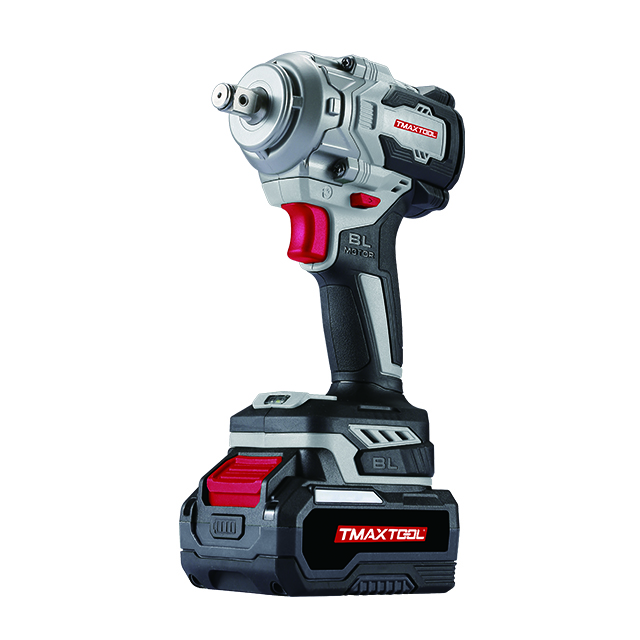
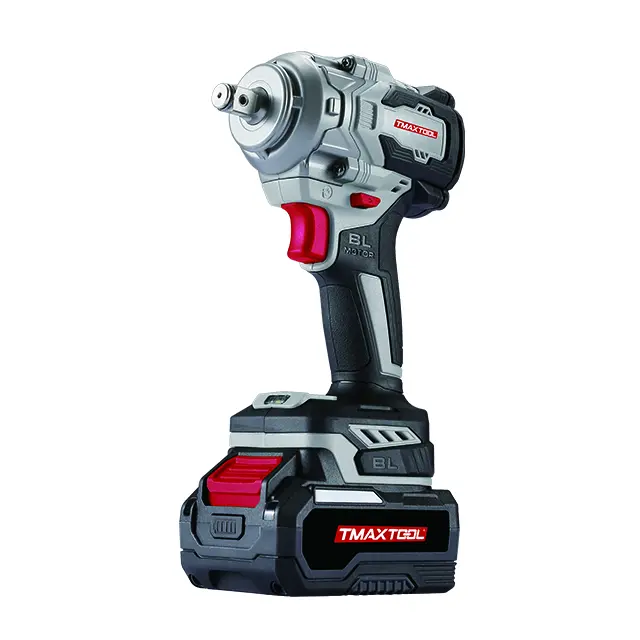
 Impact Wrench
 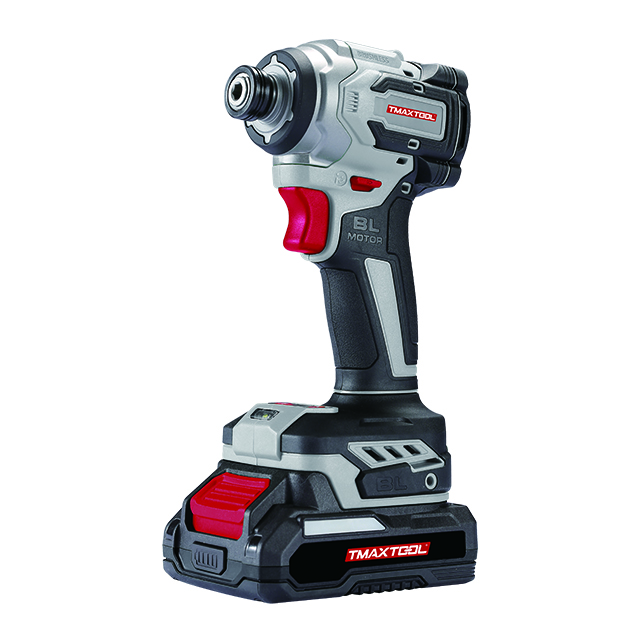 Screwdriver
 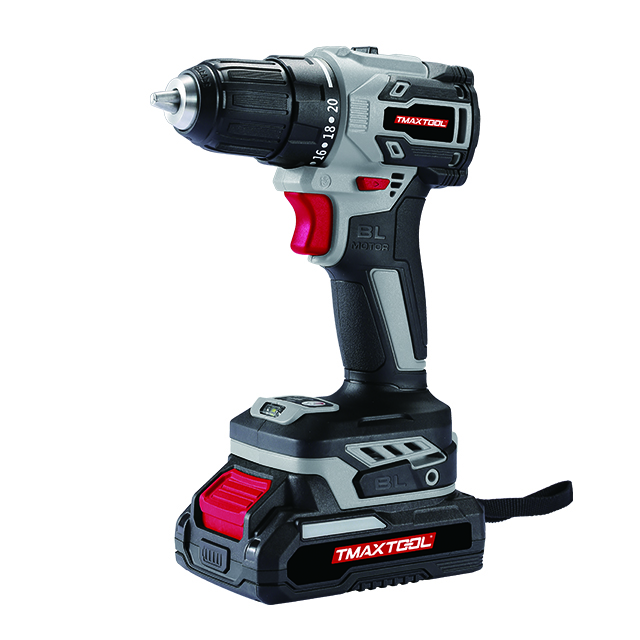 Cordless Drill
 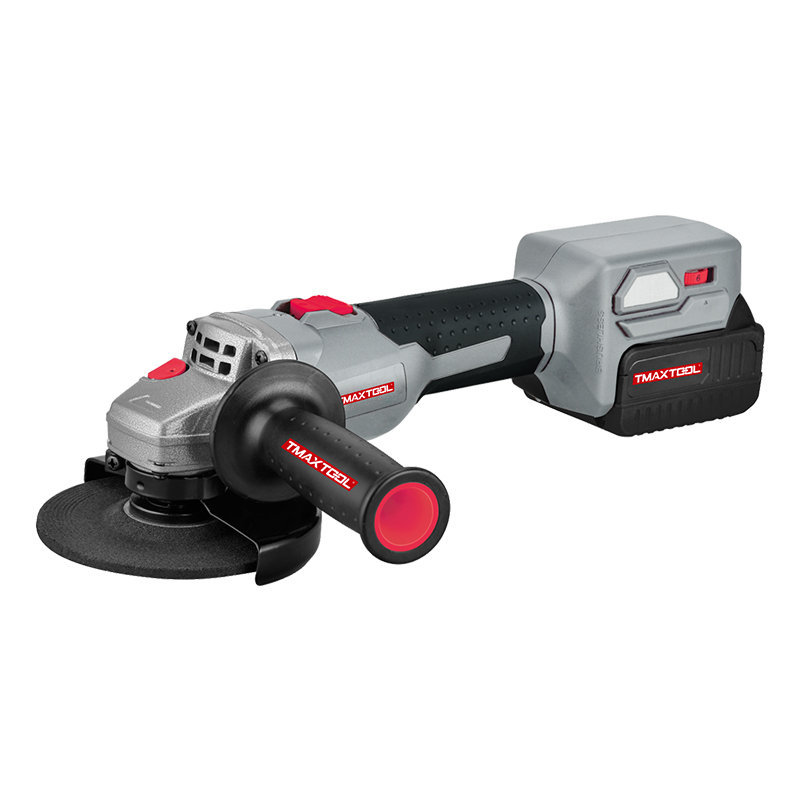 Angle Grinder
 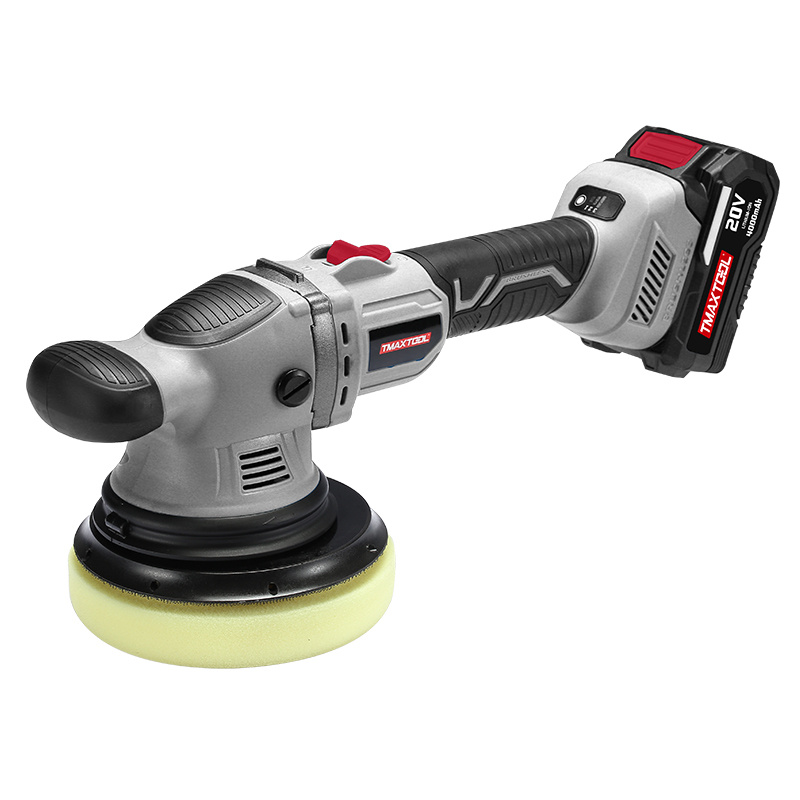 Polisher
 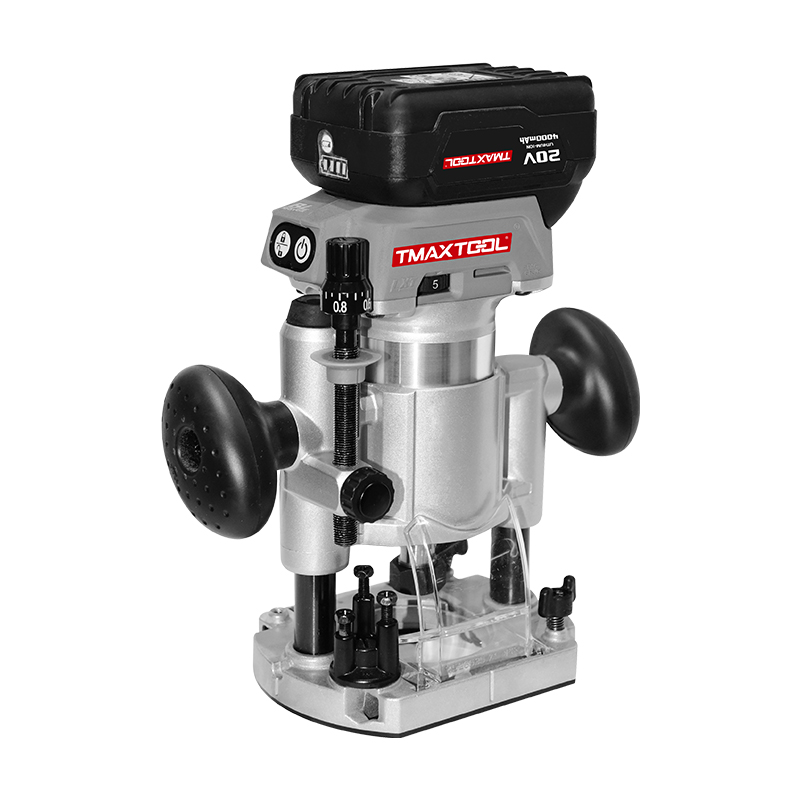 Wood Router
 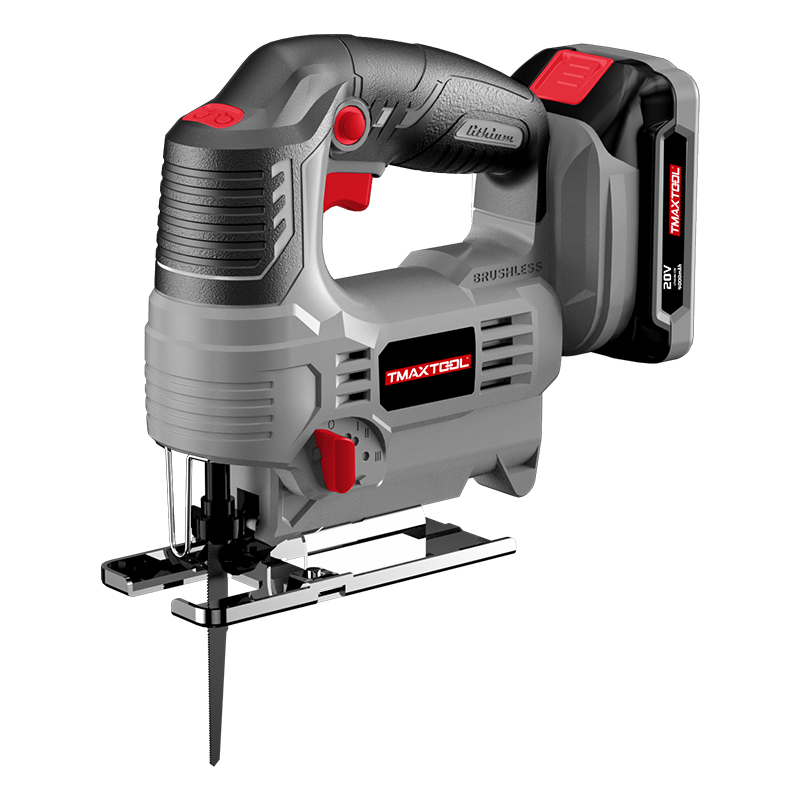 Jig Saw
 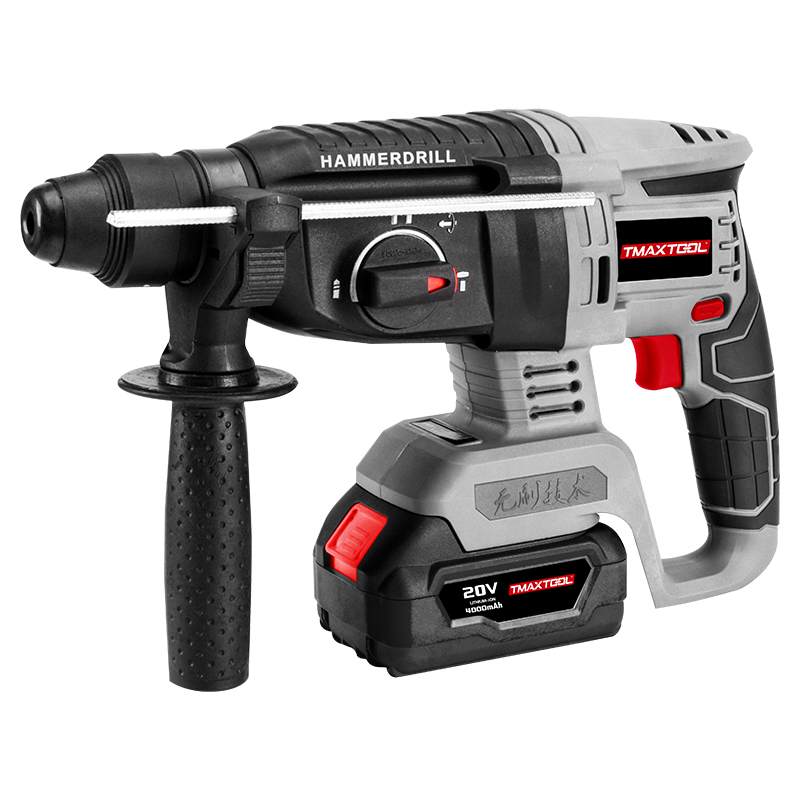 Hammer Drill
 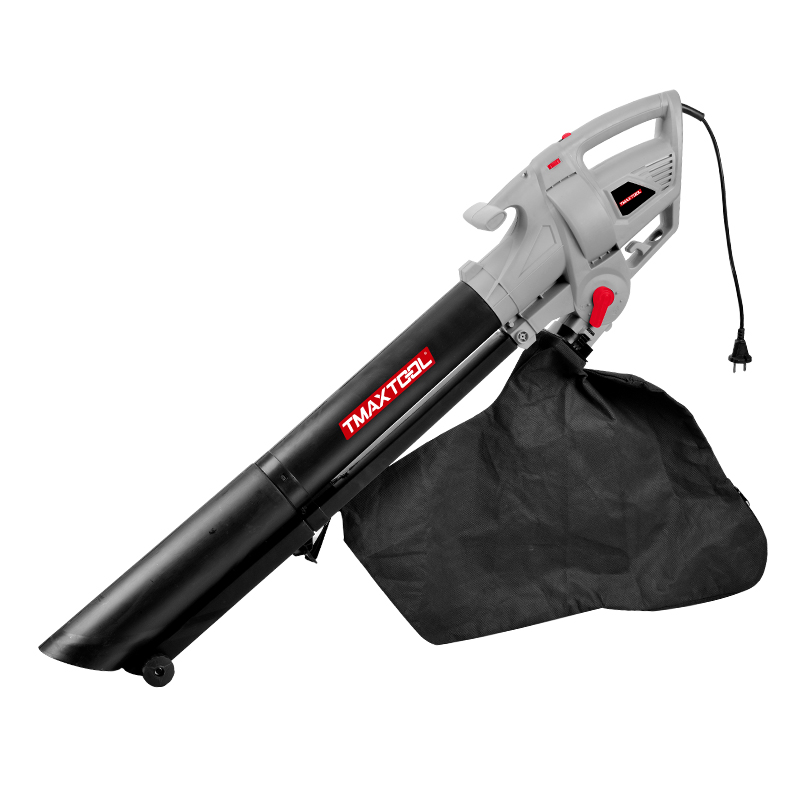 Portable Blower
 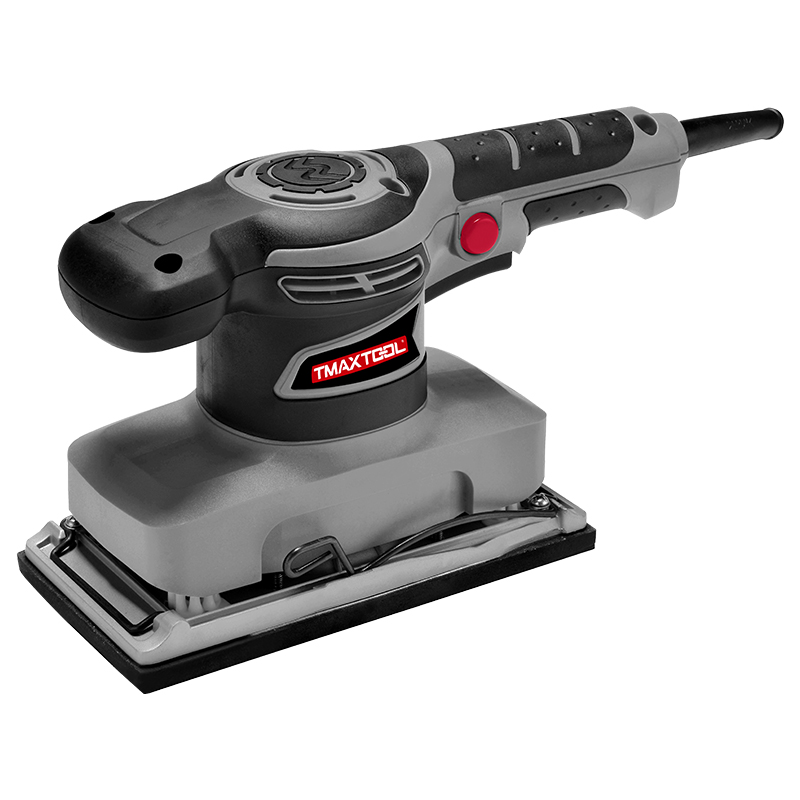 Orbital Sander
 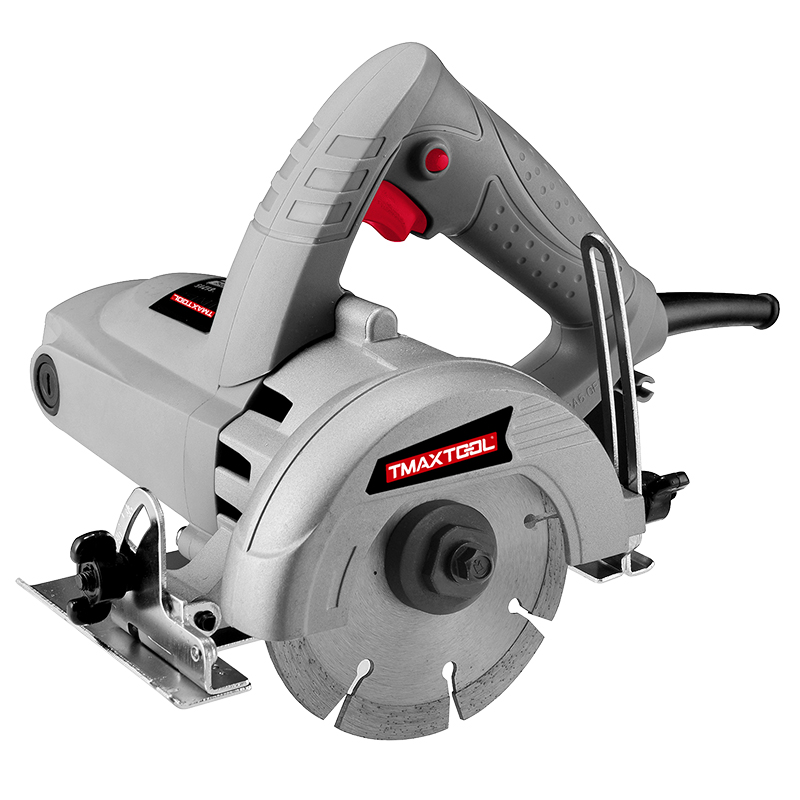 Marble Cutter
  GARDEN TOOLS
 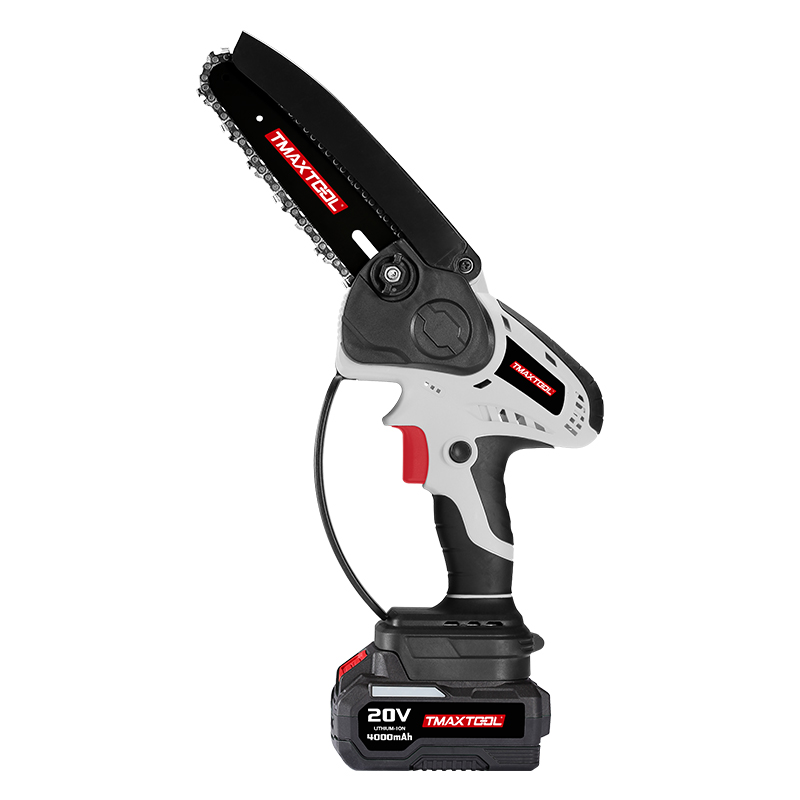 Battery Chain Saw
 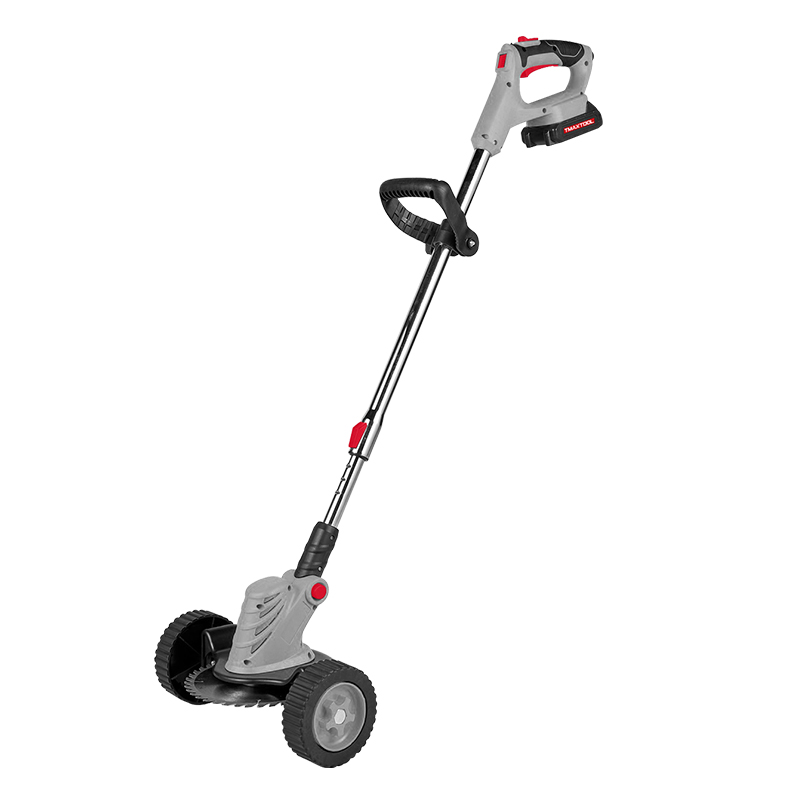 Battery Brush Cutter
 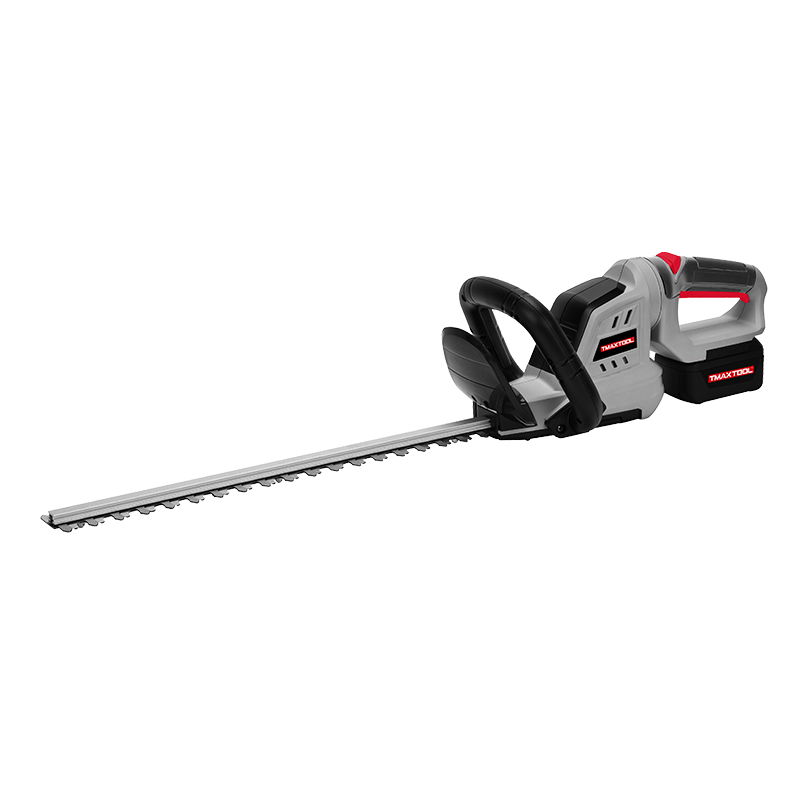 Battery Hedge Trimmer
 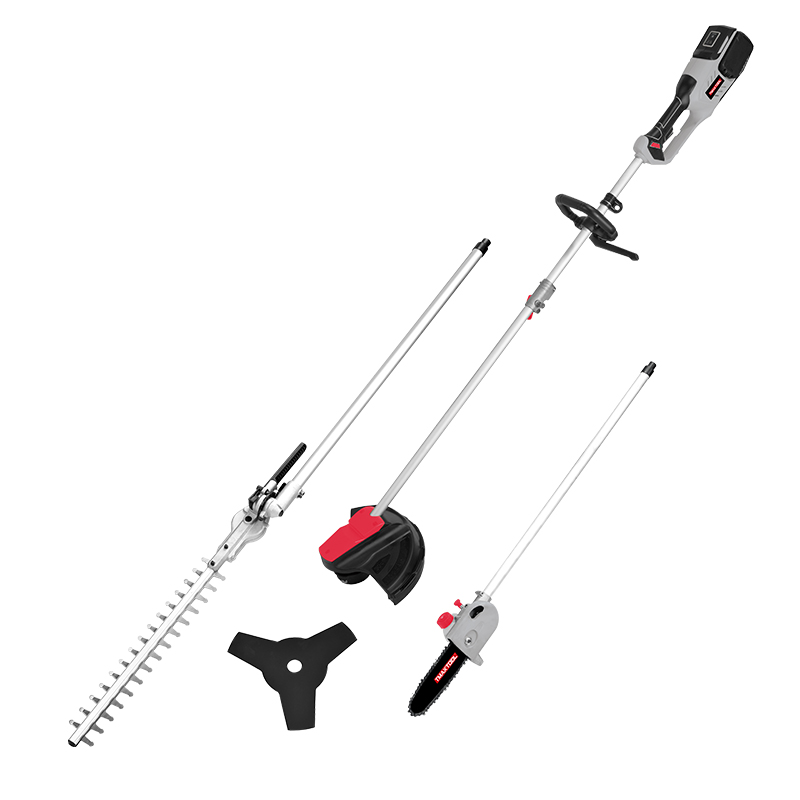 Battery Multi Tool
 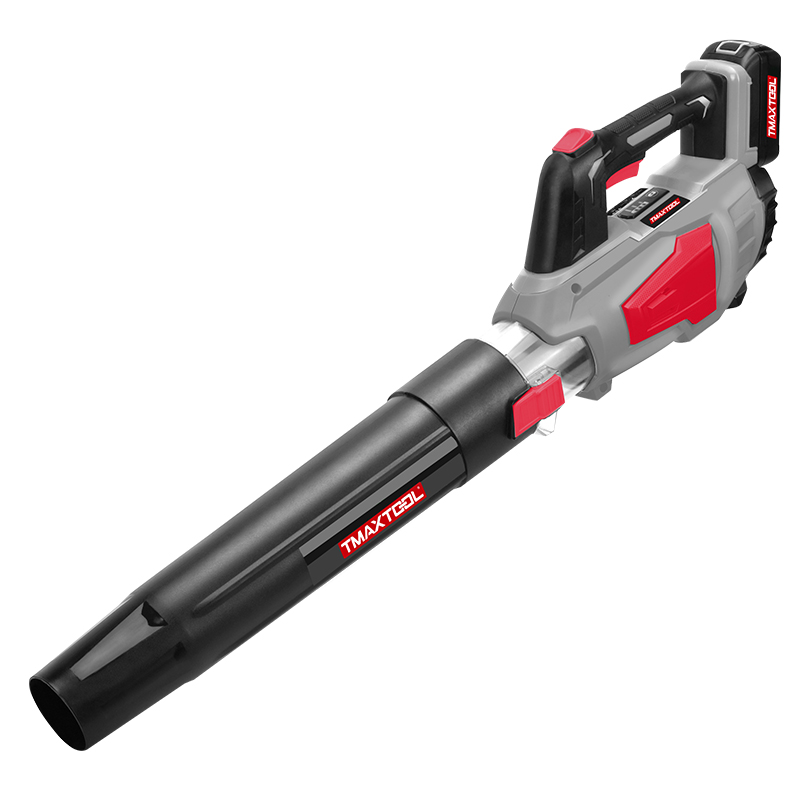 Battery Blower
 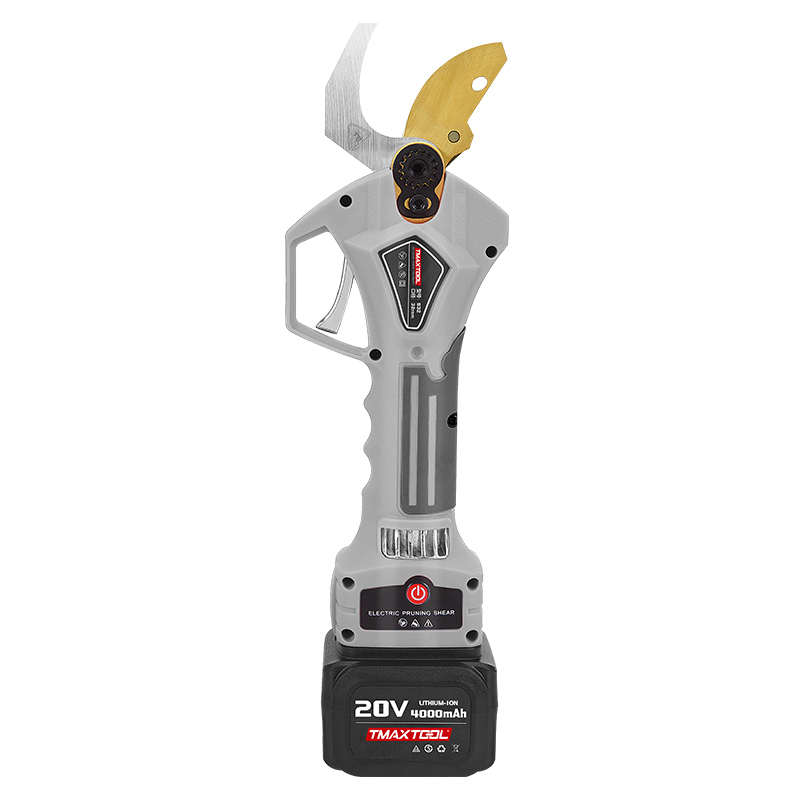 Batter Pruning Shears
 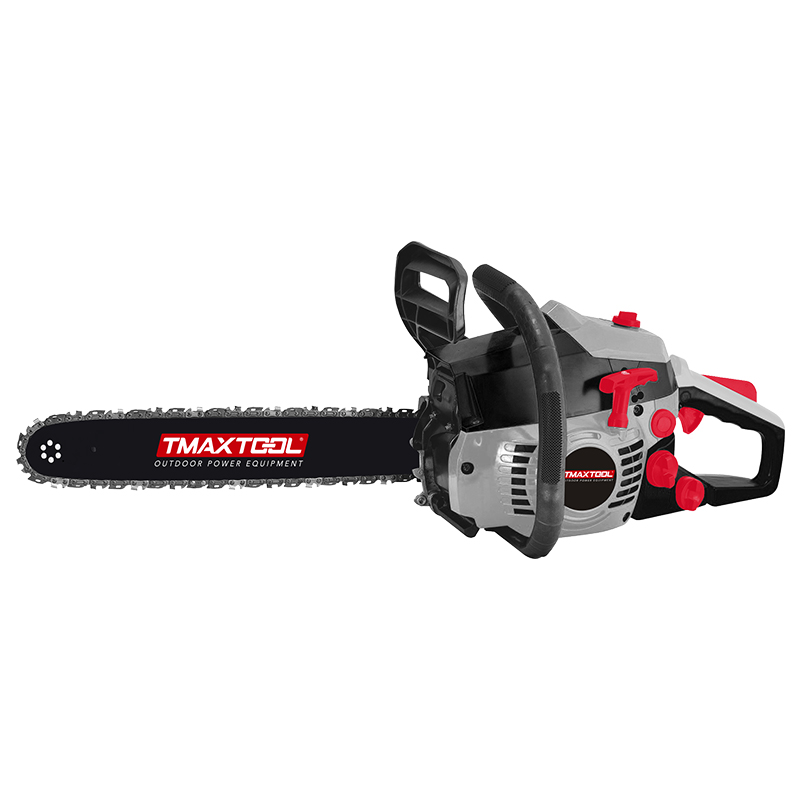 Chain Saw
 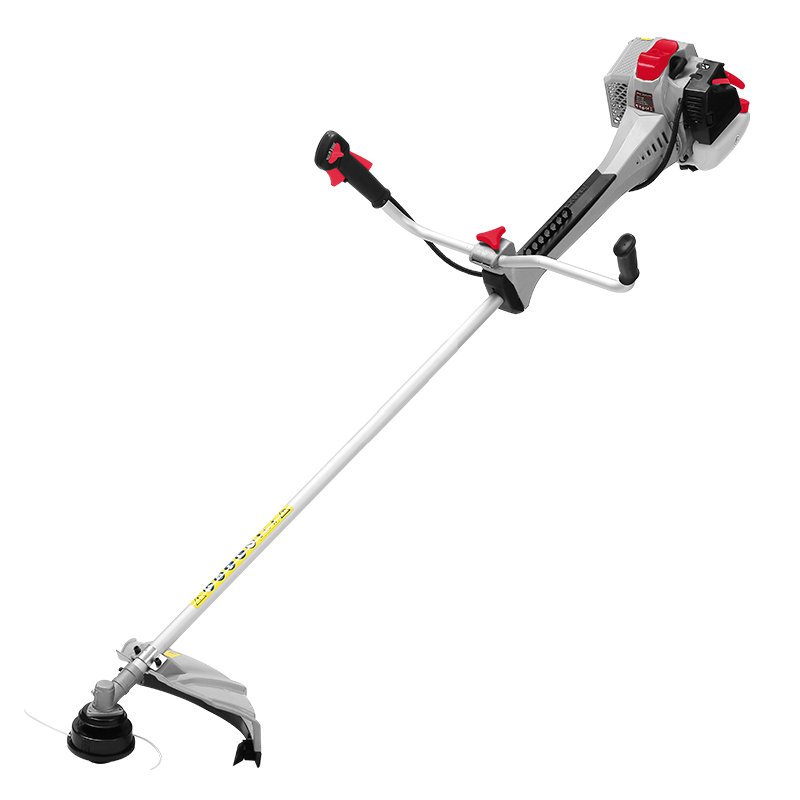 Brush Cutter
 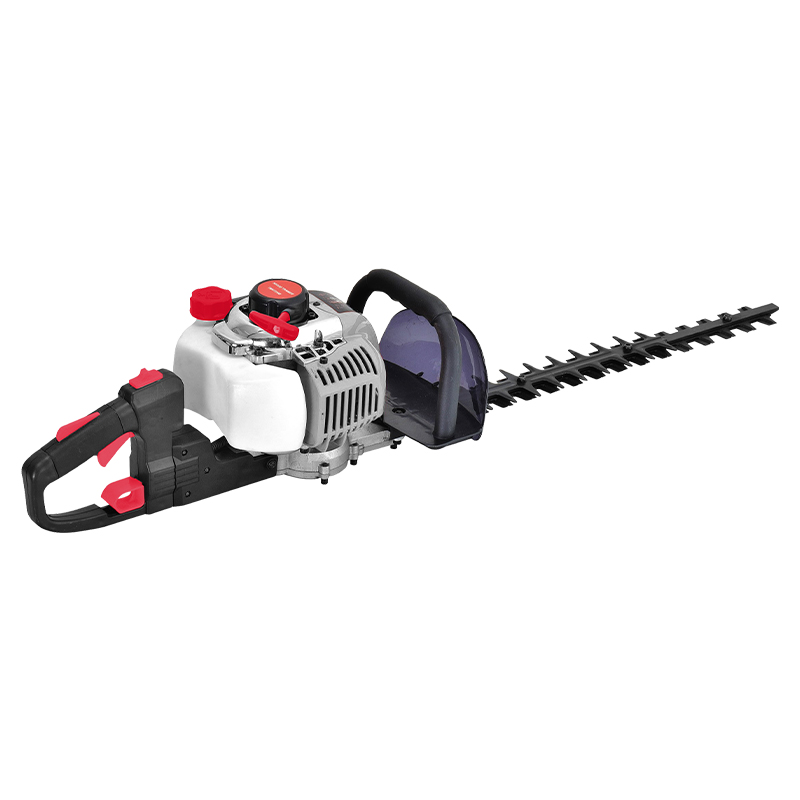 Hedge Trimmer
 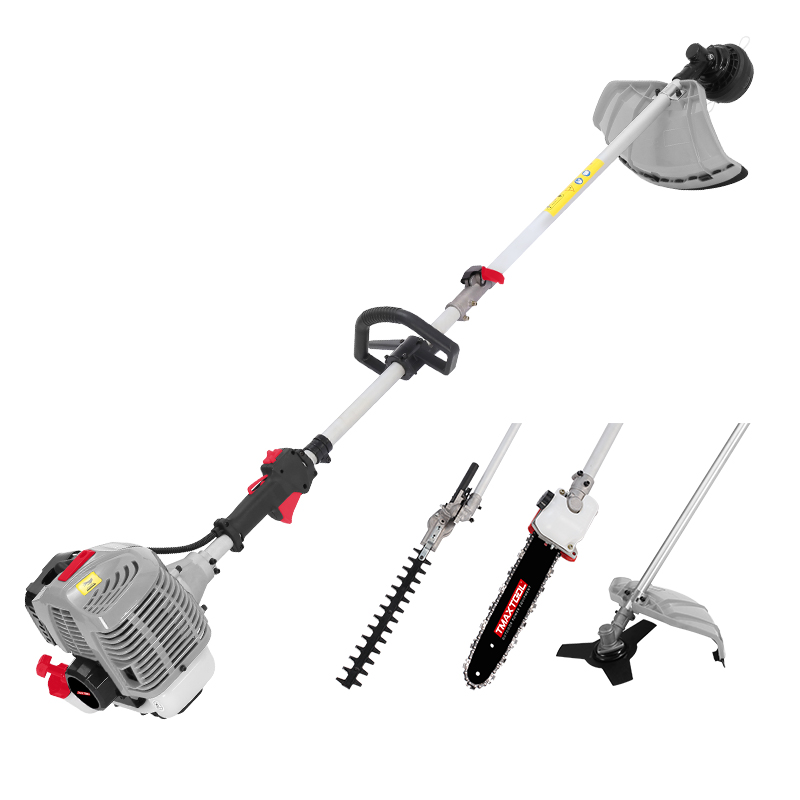 Multi Tool
 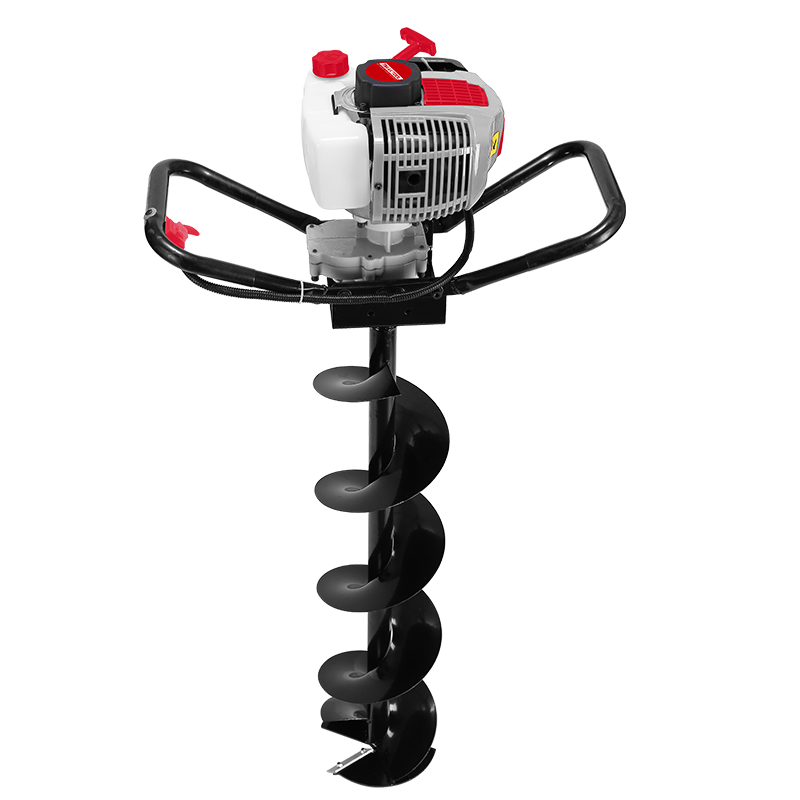 Earth Auger
 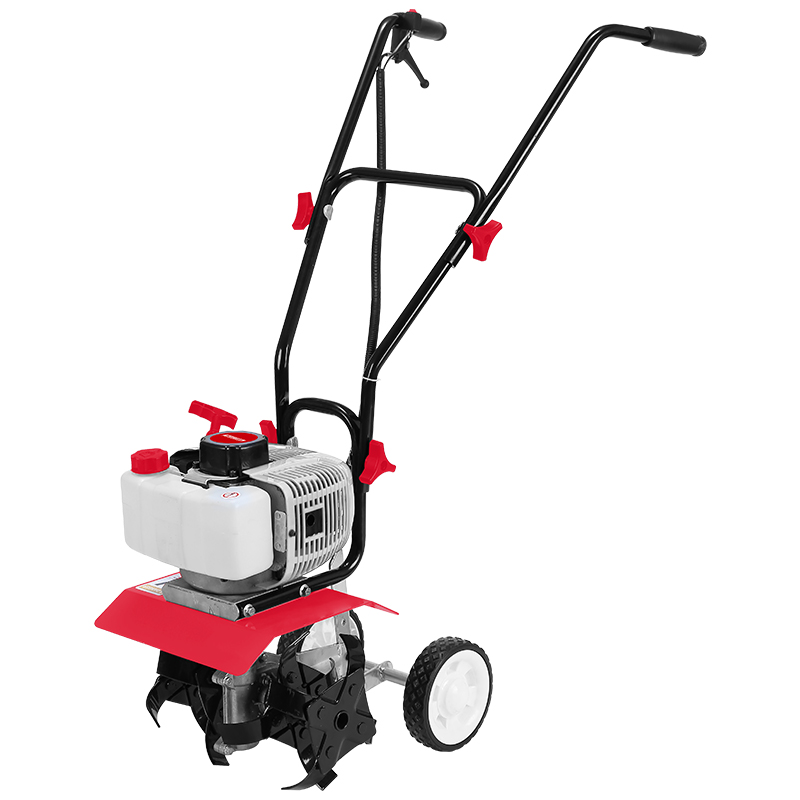 Tiller
 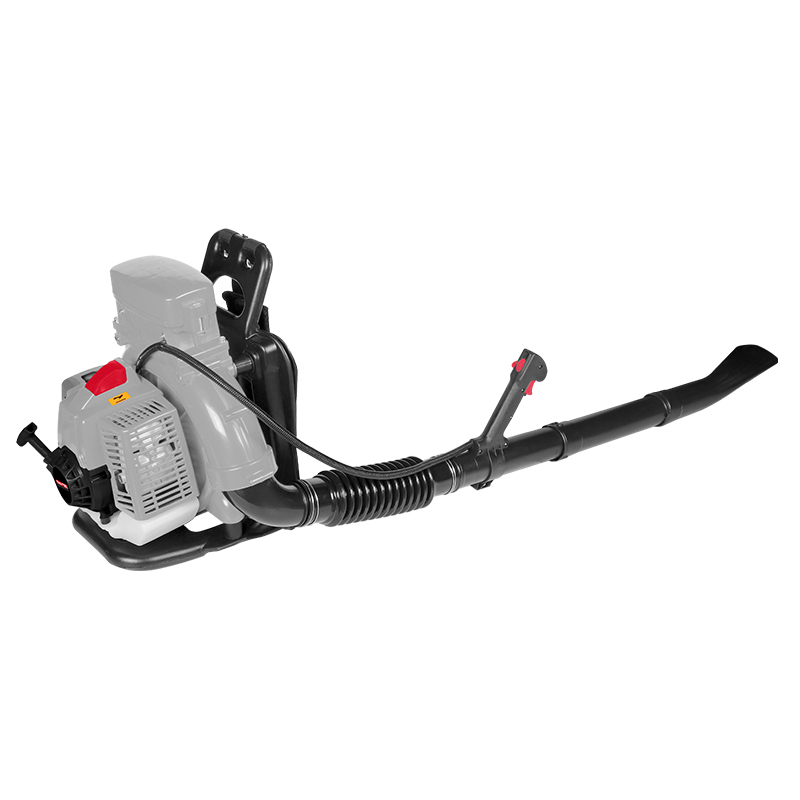 Blower
 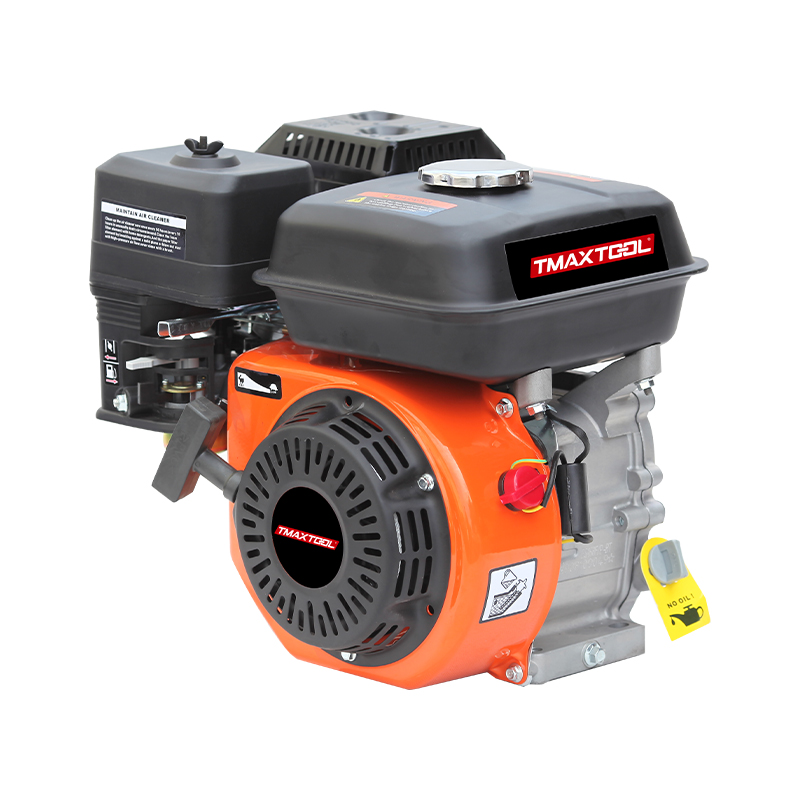 4 Stroke Gasoline Engine
 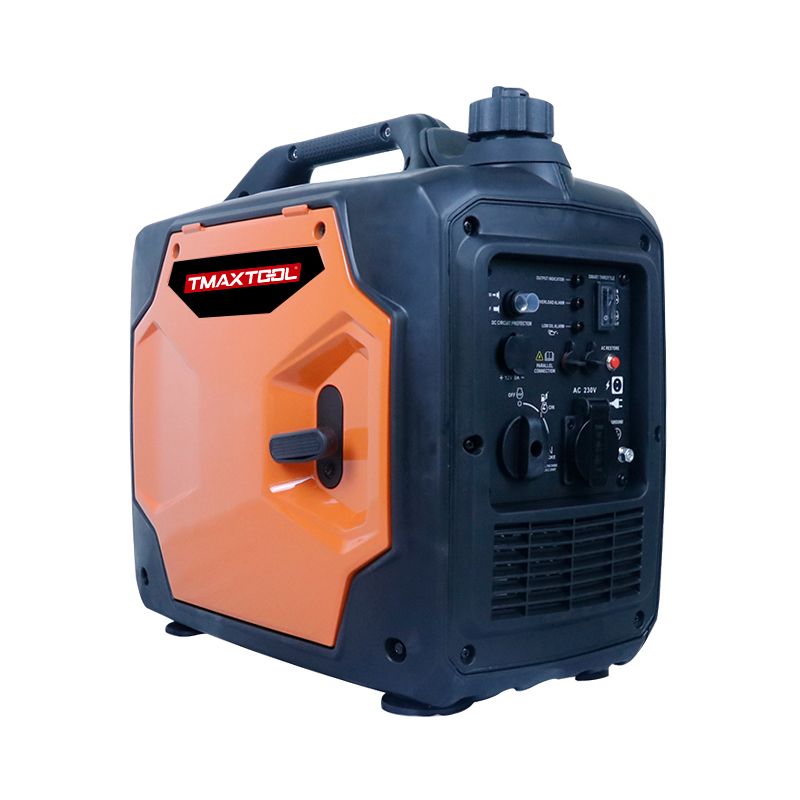 Generator
 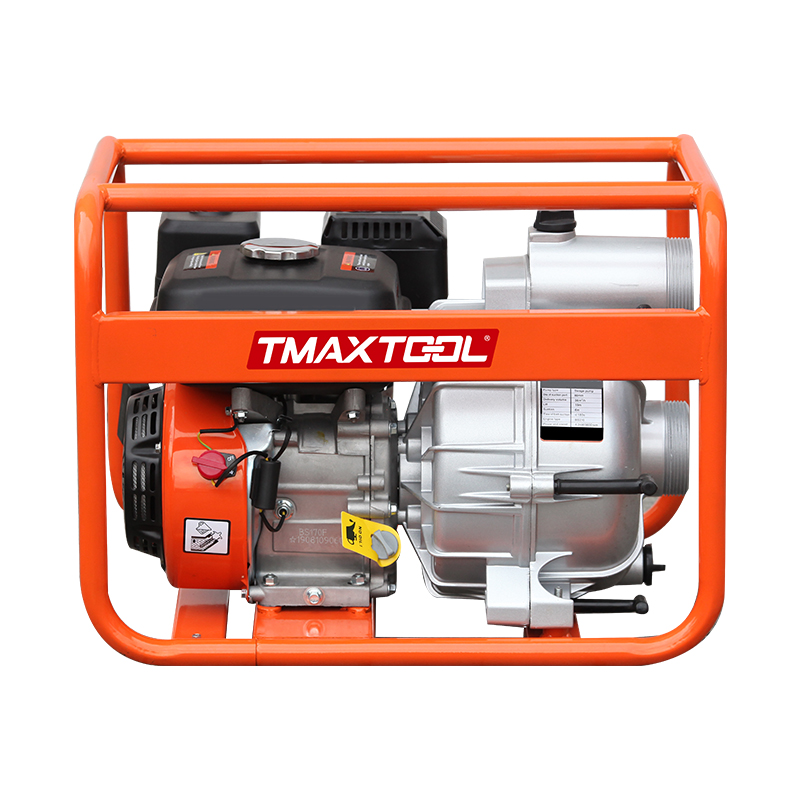 Water Pump
 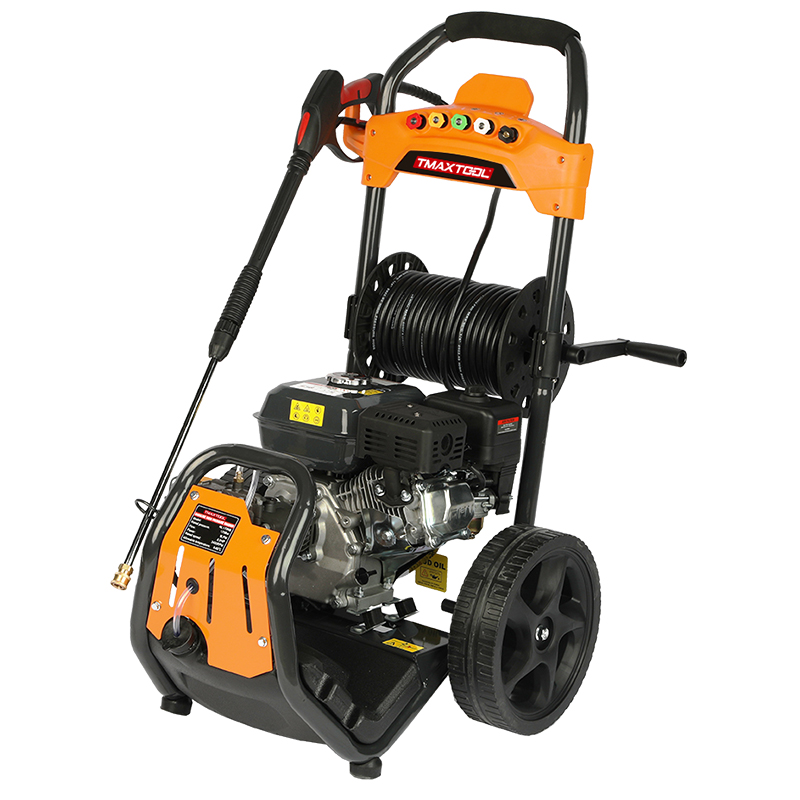 High Pressure Washer
 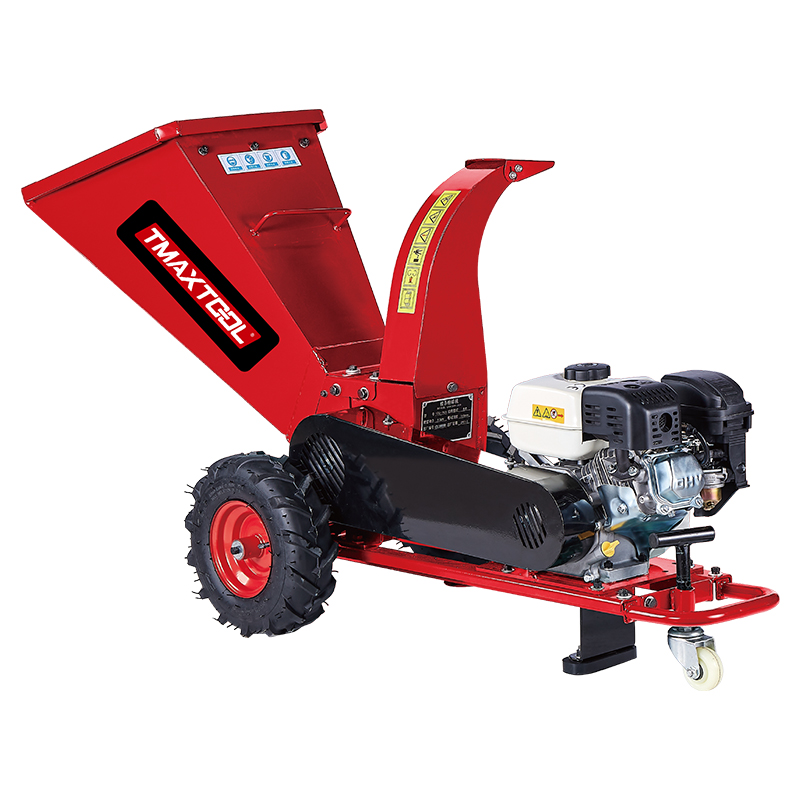 Wood Cutter
 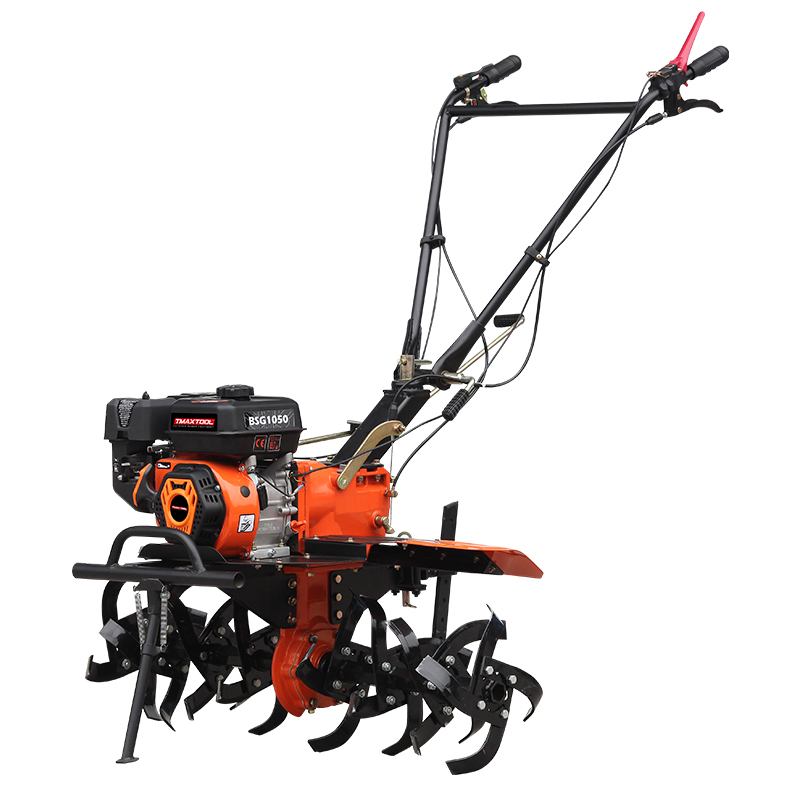 4 Stroke Tiller
 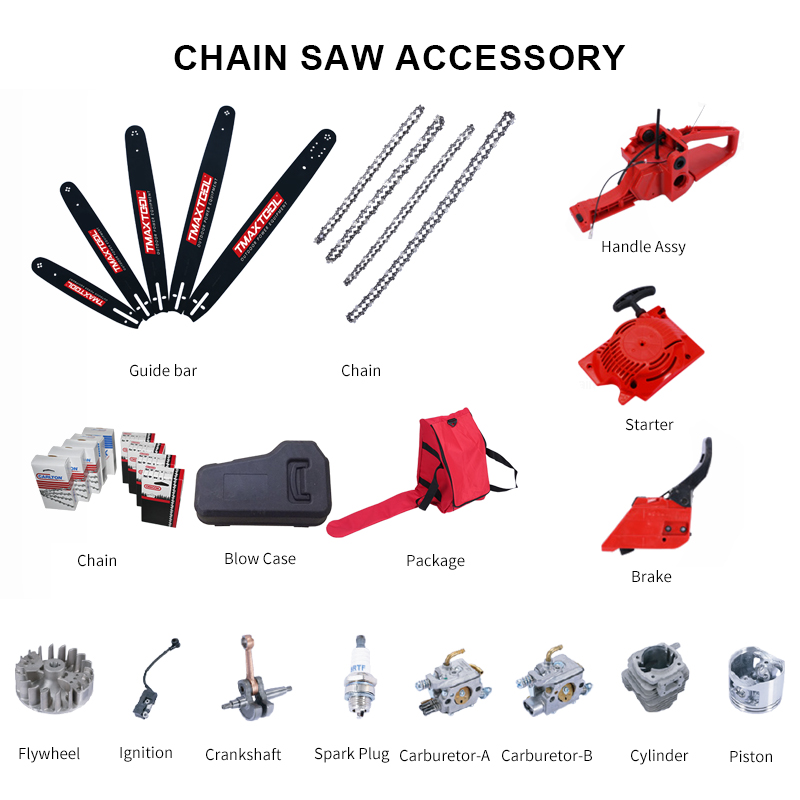 Chain Saw Accessory
 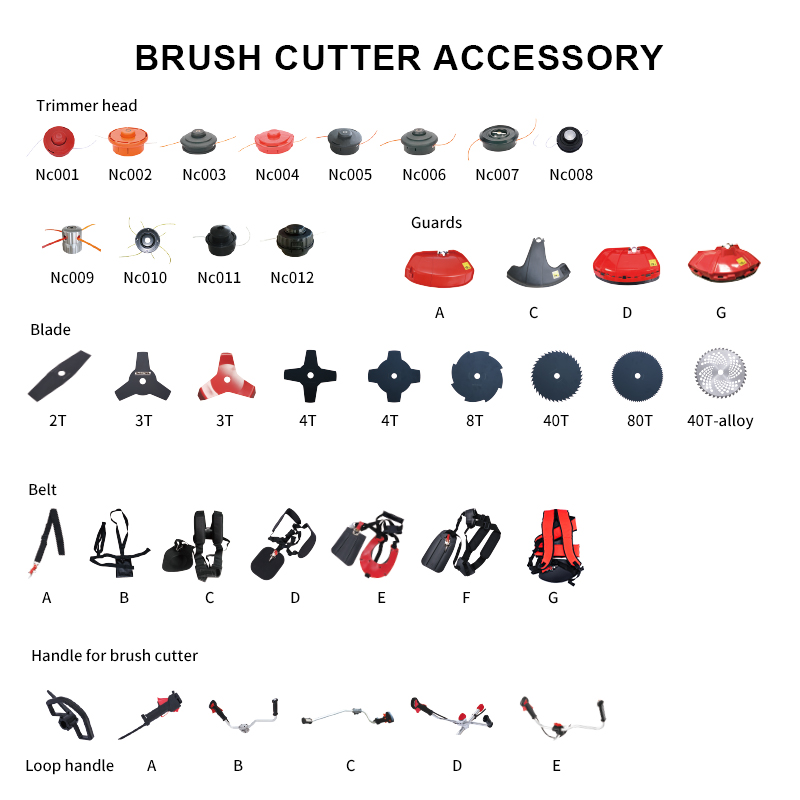 Brush Cutter Accessory
 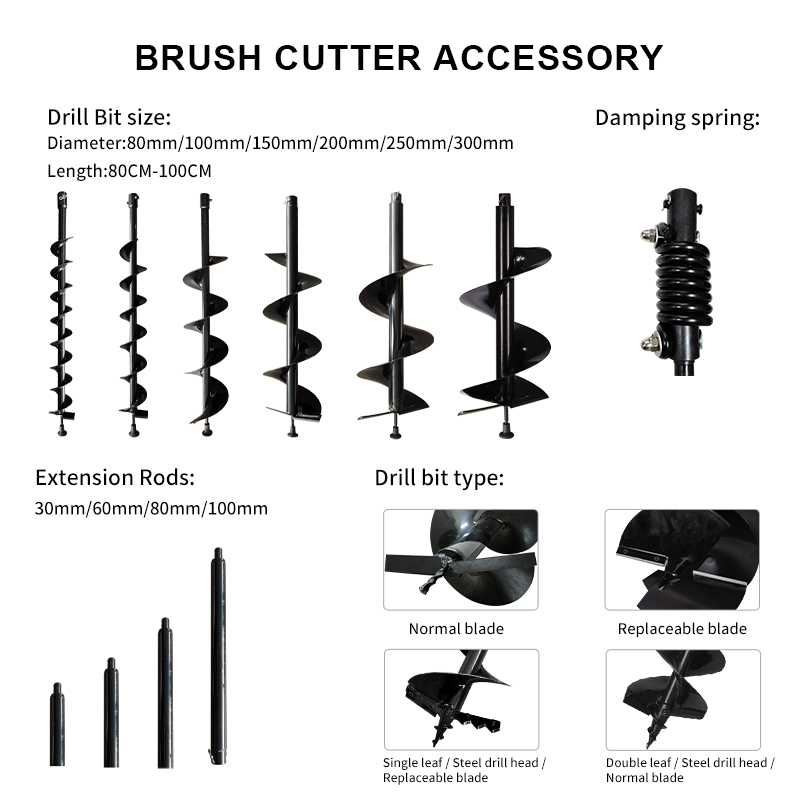 Earth Auger Accessory
  Protective Equipment Accessories
Leave Your Message


What are the differences between a grinder and a sanding machine, and how to choose one?
When dealing with the surfaces of various materials, both grinders and sanding machines are commonly used power tools, but many people tend to confuse their functions and applicable scenarios. Although they can all improve the texture of the material surface, there are obvious differences in their working principles, application scopes and operational effects. Understanding these differences can help you make an appropriate choice based on your actual needs.
From the perspective of basic functions, the core role of a sanding machine is to remove the excess parts on the material surface and make it smooth. It usually grinds materials such as wood, metal or plastic by rubbing them with abrasive materials like sandpaper or sandpaper. Whether it's removing old paint, grinding burrs, or making rough surfaces smooth, a sanding machine can handle it all. When in use, it pays more attention to the "finishing" of the material surface. By gradually replacing finer abrasives, it achieves the transition from coarse grinding to fine grinding.
Grinders, on the other hand, focus more on enhancing the glossiness and fineness of the surface. It is usually paired with tools such as grinding wheels and polishing wheels. Through the frictional force generated by high-speed rotation, the surface of the material forms a smooth mirror-like effect or a soft luster. Unlike sanding machines, grinders are rarely used to remove large amounts of material. Instead, they are more often used for fine processing on the basis of already relatively smooth surfaces, making the surface of objects present a more ideal visual effect and touch.

In terms of applicable materials, the two also have their own emphases. Sanding machines are widely used in wood processing. Whether it is solid wood or boards, a smooth surface can be obtained through the treatment of sanding machines. In metal processing, it can remove rust and oxide layers, preparing for subsequent treatments. Polishers are more commonly used for hard materials such as metal and stone, for instance, to give metal parts a shiny texture or to make the surface of stone smoother and more delicate. Of course, some grinders can also be used for the final polishing of wood, but this is usually a step after the sanding machine has completed the basic grinding.
The differences in operation methods are also worth noting. When using a sanding machine, different thicknesses of sandpaper should be selected based on the hardness of the material and the processing requirements. The operation rhythm should be relatively stable, with more emphasis on uniform grinding to avoid leaving uneven marks on the surface. The rotational speed of a grinder is usually higher, and a more stable technique is required during operation to avoid overheating or scratches on the surface due to prolonged local stay. Especially when dealing with hard materials such as metals, the operating force and Angle of the grinder will directly affect the final effect.
When choosing between these two tools, you should first clarify your main needs. If your job focus is to make the surface smooth and you need to remove defects, burrs or excess parts on the material surface, then a sanding machine is a more suitable choice. For instance, in woodworking, scenarios such as sanding the edges of wooden boards and removing nodules on the wood surface all rely on sanding machines.
If your requirement is to enhance the glossiness of the surface and make the object present a smooth and lustrous effect, then a grinder would be more in line with your expectations. For instance, when doing the final polishing of metal products or making stone countertops brighter, all these tasks require the use of grinders.
Sometimes, these two tools need to be used in combination. For instance, when dealing with a metal product, it might be necessary to first use a sanding machine to remove rust and unevenness on the surface, and then use a grinding machine for fine polishing to achieve the desired effect. In this case, understanding the differences between the two and their respective advantages can make the entire processing procedure more efficient.
In conclusion, although sanding machines and grinders have similar names, they have different functional positioning. Sanding machines focus on "smoothing and flattening", while grinding machines focus on "enhancing luster". Based on specific work requirements, combined with material properties and expected effects, the selection should be made to enable the tools to play their maximum role and easily complete surface treatment work.
