
 Impact Wrench
  Screwdriver
  Cordless Drill
  Angle Grinder
  Polisher
 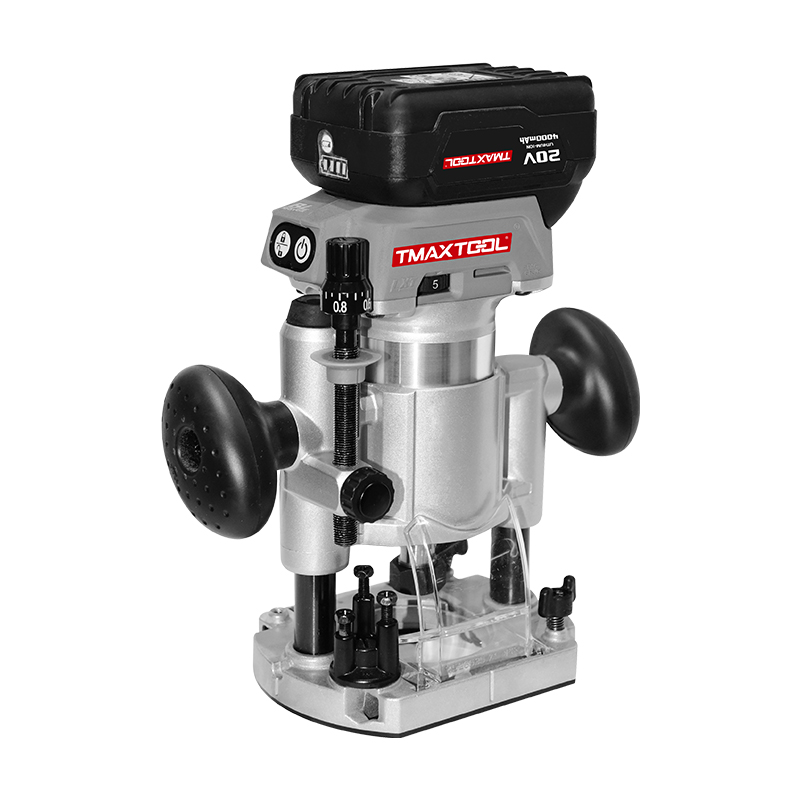 Wood Router
  Jig Saw
  Hammer Drill
  Portable Blower
  Orbital Sander
  Marble Cutter
  GARDEN TOOLS
  Battery Chain Saw
  Battery Brush Cutter
  Battery Hedge Trimmer
  Battery Multi Tool
 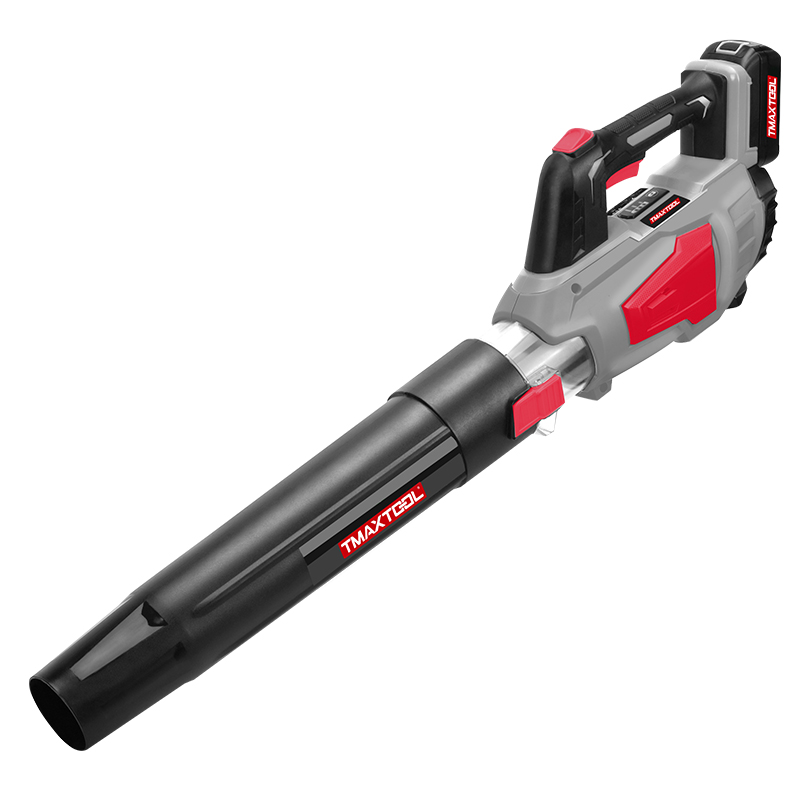 Battery Blower
  Batter Pruning Shears
  Chain Saw
  Brush Cutter
  Hedge Trimmer
  Multi Tool
 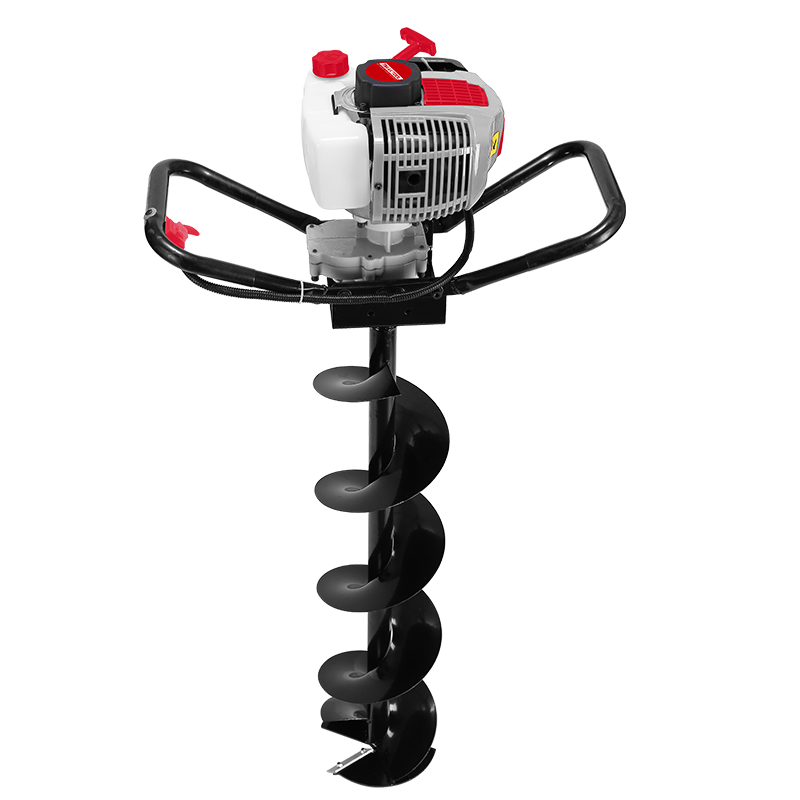 Earth Auger
  Tiller
  Blower
 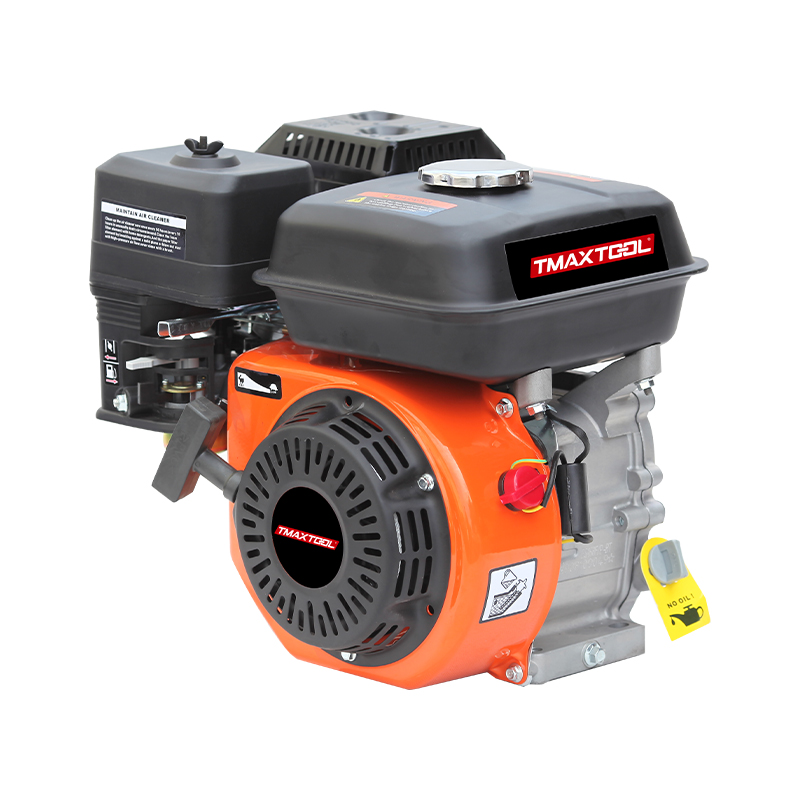 4 Stroke Gasoline Engine
 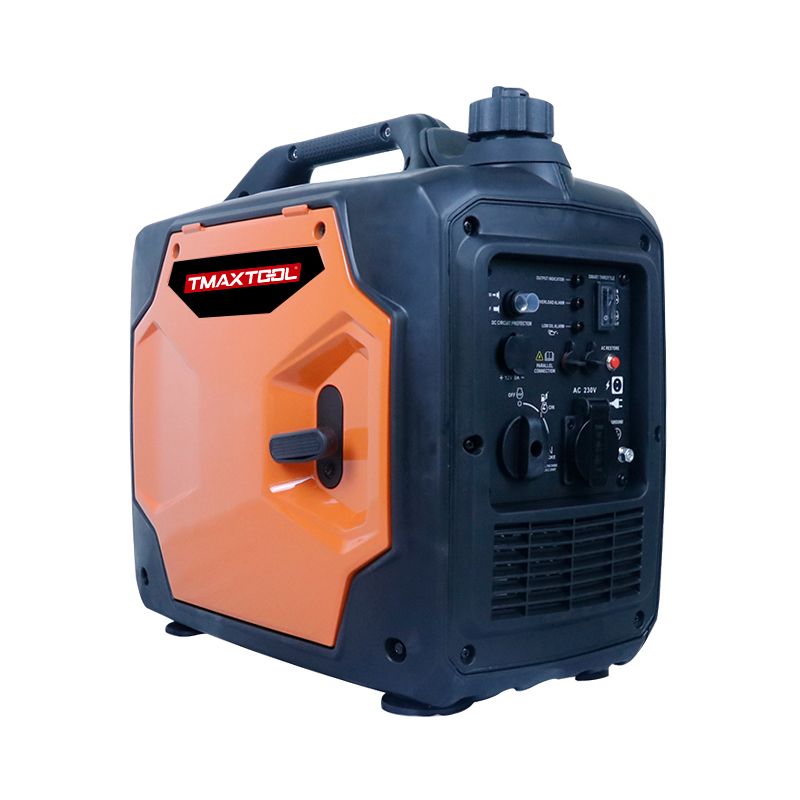 Generator
 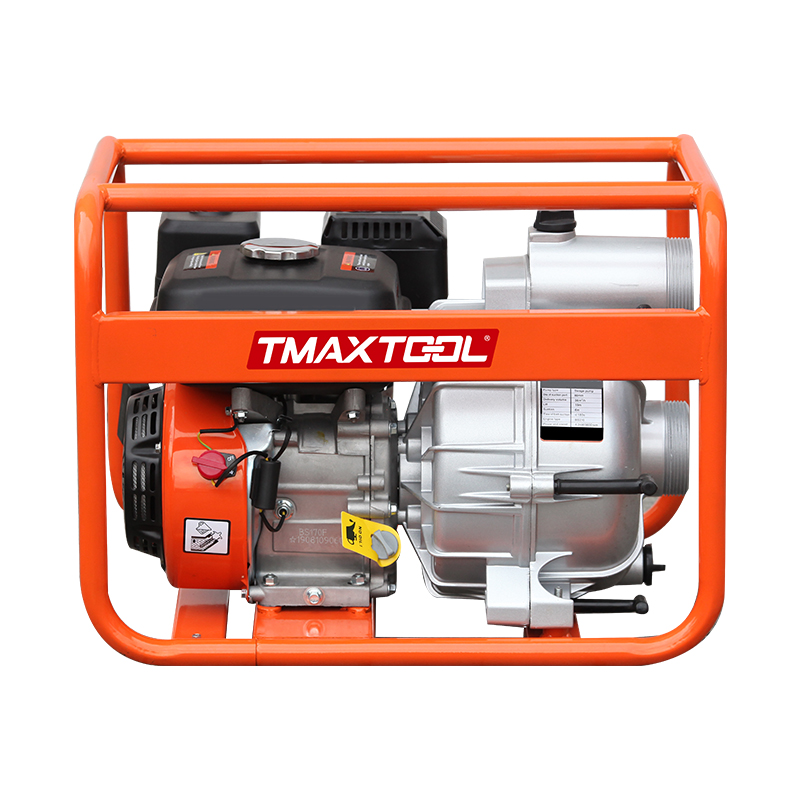 Water Pump
 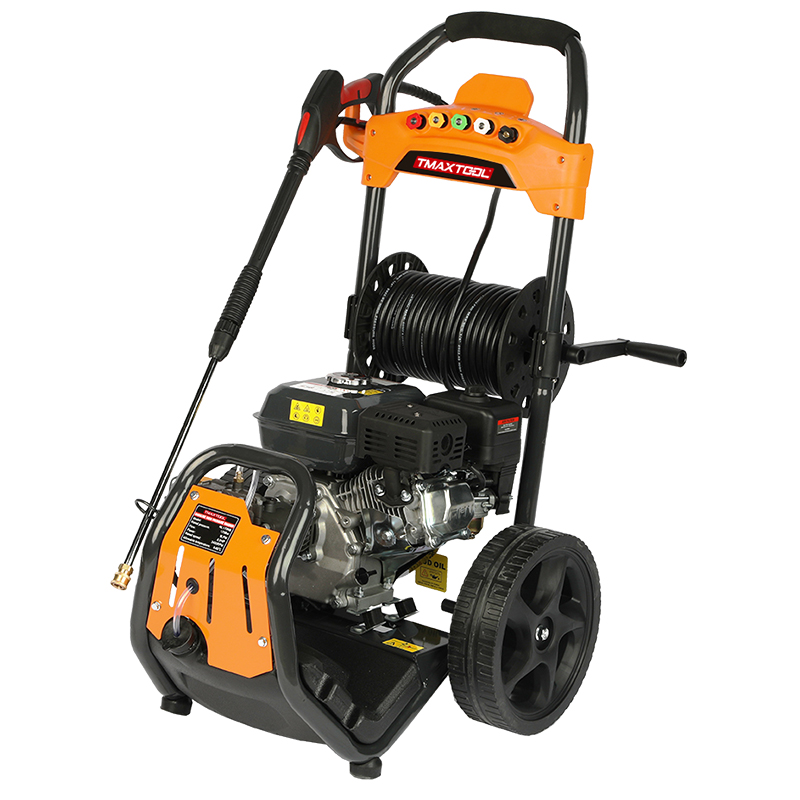 High Pressure Washer
  Wood Cutter
  4 Stroke Tiller
  Chain Saw Accessory
  Brush Cutter Accessory
  Earth Auger Accessory
  Protective Equipment Accessories
Leave Your Message


What should be noted when using gasoline generators on construction sites
In the complex and changeable working environment of construction sites, the DC portable silent gasoline generator, with its advantages of flexible power supply and low noise, has become an important equipment to ensure the construction progress. However, if not used properly, it will not only affect the performance and lifespan of the equipment, but also may bring potential safety hazards. For international wholesale purchasers, understanding the correct usage norms of Generators on construction sites can help provide professional guidance to customers and enhance product trust. The following key points to note are the core considerations for ensuring the efficient and safe operation of generators.
First, venue selection and safety layout
Choosing a suitable site to place the generator is the first step for safe use. The generator should be placed in a well-ventilated area and avoid operating in a closed or semi-closed space to prevent the accumulation of carbon monoxide. Construction sites usually have a lot of dust and debris. Generators should be kept away from flammable materials, chemical materials and areas with water accumulation, maintaining a safety distance of at least 2 meters to reduce the risk of fire and short circuit. Meanwhile, the generator should be placed on a level and solid ground to prevent it from tilting or overturning due to vibration during operation. If it needs to be used outdoors, a rain cover must be equipped, but make sure that the cover body is kept at an appropriate distance from the generator to avoid affecting heat dissipation. In addition, clear warning signs should be set up around the generator to remind construction workers to pay attention to safety and prevent irrelevant personnel from approaching the operating equipment.
Second, fuel management and correct refueling
Gasoline, as the power source of generators, its quality and refueling method directly affect the performance of the equipment. Be sure to use clean, impure and standard-compliant gasoline to avoid engine failure caused by using inferior fuel. Before refueling, the generator must be turned off first and wait for it to cool down completely to prevent the fuel vapor from heating up and causing a fire. When refueling, use a dedicated refueling container and pour in slowly to avoid fuel overflow. In case of accidental overflow, the site should be cleared immediately. Wait until the fuel has completely evaporated before starting the generator. At the same time, fuel storage should also be carried out with caution. Reserve fuel should be kept in dedicated explosion-proof containers and kept away from generators and open flame areas to ensure the safe and orderly management of fuel on the construction site.
Third, equipment startup and operation monitoring
A comprehensive inspection is required before starting the generator. Confirm that the fuel and engine oil levels are within the normal range, and check whether the circuit connections are firm without any looseness or damage. For generators that are started for the first time or have not been used for a long time, they should be run without load for 5 to 10 minutes to observe whether the equipment operates smoothly and if there are any abnormal noises or vibrations. During the operation of the generator, various parameters such as voltage, current and frequency should be monitored in real time to ensure stable output. At the same time, pay attention to the working condition of the generator. If smoke, strange smell, abnormal noise or other situations are found, the machine should be stopped immediately for inspection. In addition, to prevent the generator from operating at full load for a long time, the load can be reasonably distributed according to the actual electricity demand, generally controlled within 80% of the rated power, so as to extend the service life of the equipment.
Fourth, load connection and electrical safety
When connecting the load, operations must be carried out strictly in accordance with the rated parameters of the generator. First, turn off all electrical equipment, then correctly connect the load cable to the generator output port, ensuring a firm connection and correct polarity. For situations where multiple devices are using electricity simultaneously, it is necessary to plan the circuit reasonably to avoid the concentrated connection of high-power devices, which may cause excessive instantaneous current, damage the generator or lead to safety accidents. During the process of using electricity, it is strictly forbidden to operate electrical equipment with wet hands. Regularly check whether cables, sockets, etc. are damaged or aged, and replace faulty parts in a timely manner. If the generator is equipped with a leakage protection device, it should be tested regularly to ensure its normal operation and guarantee the electrical safety of the construction personnel.
Fifth, maintenance and shutdown handling
Regular maintenance and upkeep are the key to ensuring the stable performance of generators. After each use, clean the dust and debris on the surface of the generator in time and keep the ventilation holes unobstructed. In accordance with the requirements of the equipment user manual, regularly change the engine oil, air filter and fuel filter to ensure the interior of the engine is clean. If the generator needs to be out of use for a long time, the fuel in the fuel tank should be drained first to prevent the fuel from deteriorating and corroding the oil circuit system. At the same time, a comprehensive inspection and maintenance of the equipment should be carried out, and it should be stored in a dry and cool environment. When the generator needs to be shut down, gradually reduce the load first. Wait for the equipment to run unloaded for 3 to 5 minutes, then turn off the engine and let it cool down smoothly to avoid damage to internal components due to sudden shutdown.
When using a DC portable silent gasoline generator on a construction site, the standardized operation of every link is of vital importance. From site selection to maintenance and upkeep, strictly adhering to these precautions can not only ensure the efficient operation of the equipment but also guarantee the safety of construction on the site. For international wholesale purchasers, mastering these professional knowledge and passing it on to customers will help enhance the product reputation and market competitiveness, and gain an advantage in the fierce industry competition.
