
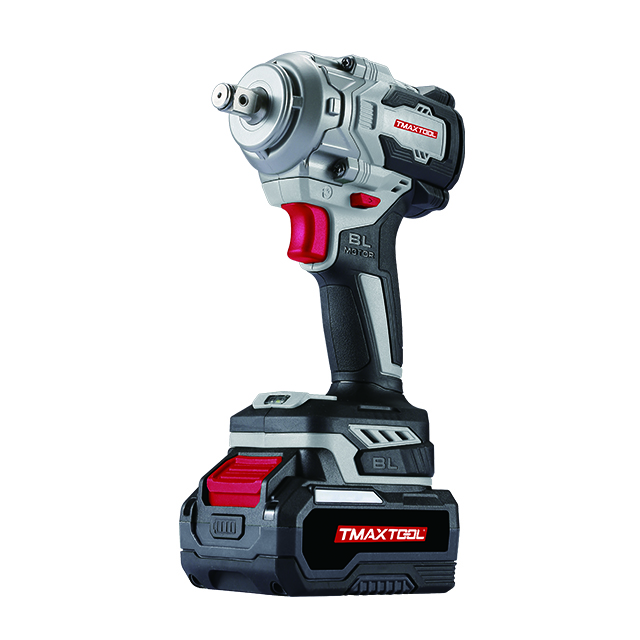
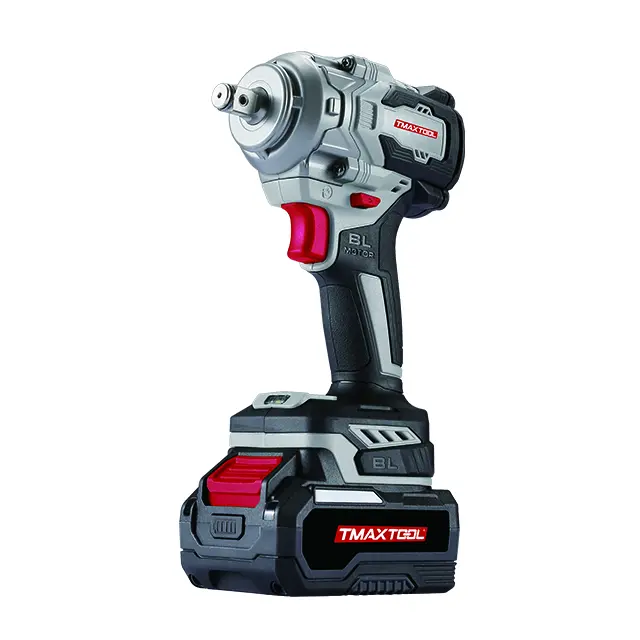
 Impact Wrench
 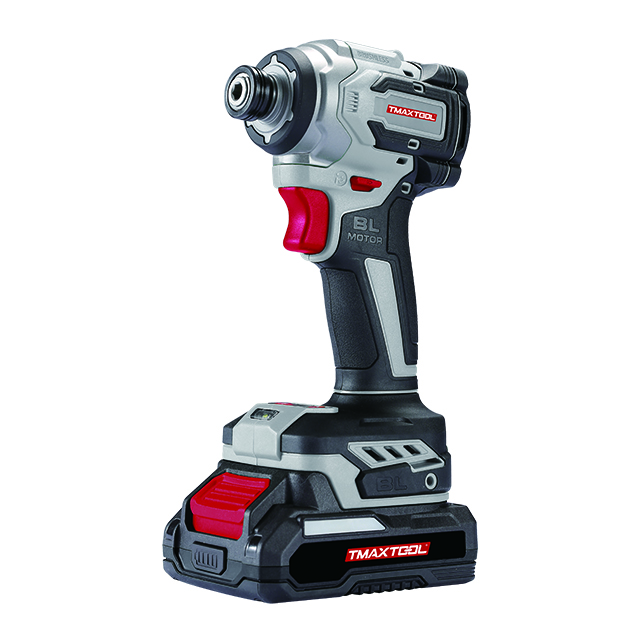 Screwdriver
 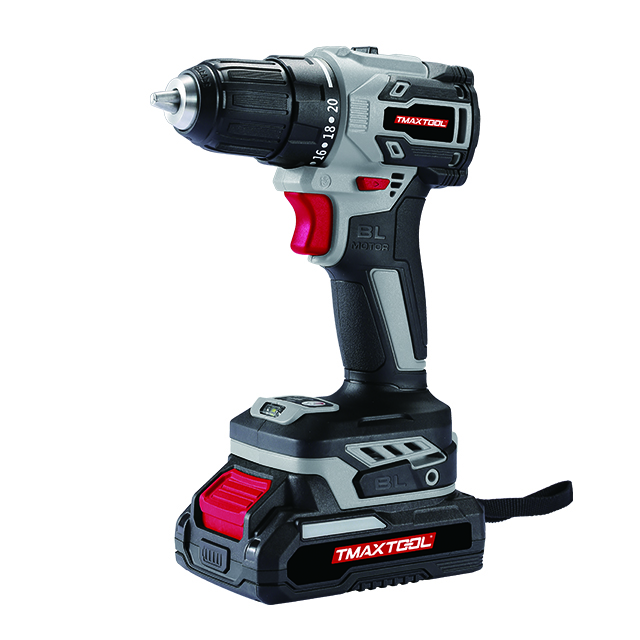 Cordless Drill
 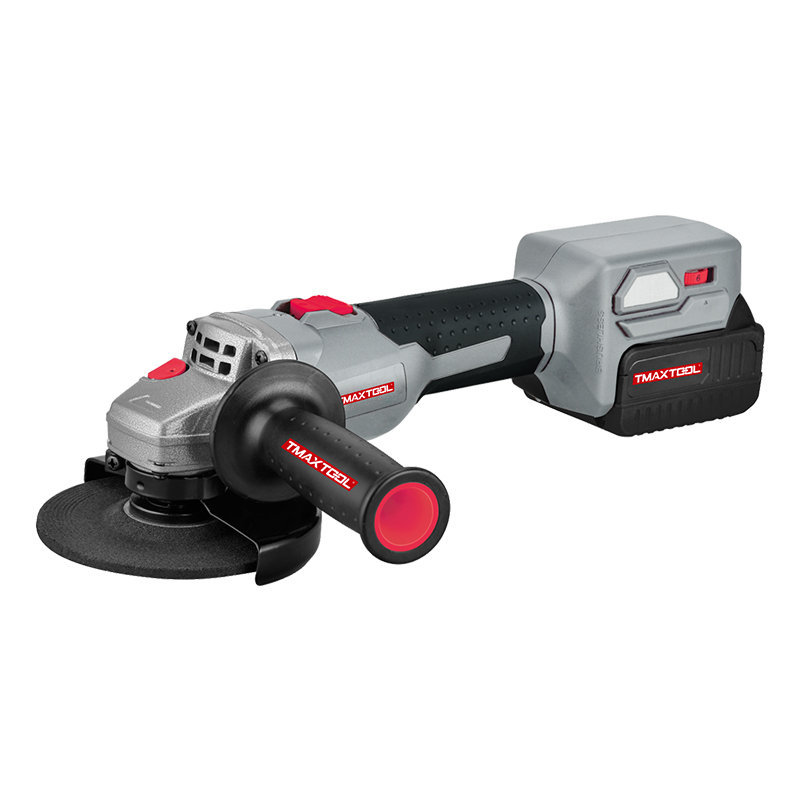 Angle Grinder
 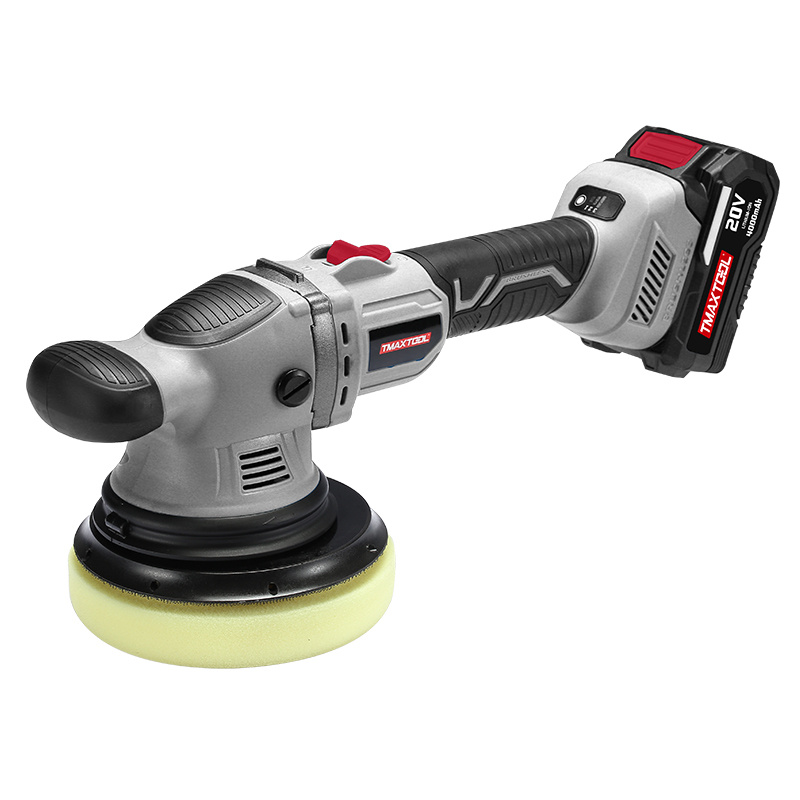 Polisher
 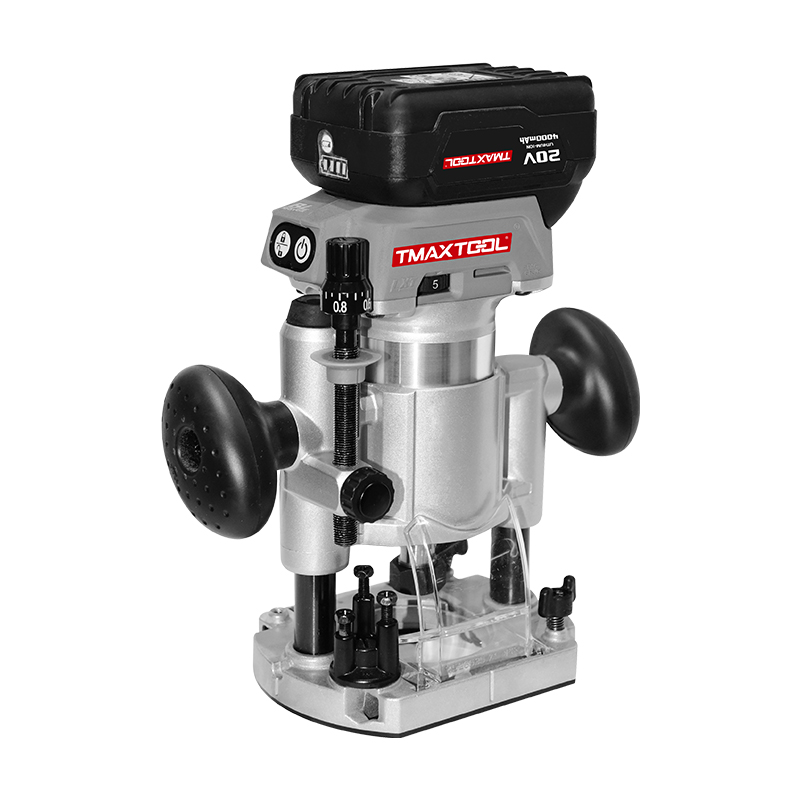 Wood Router
 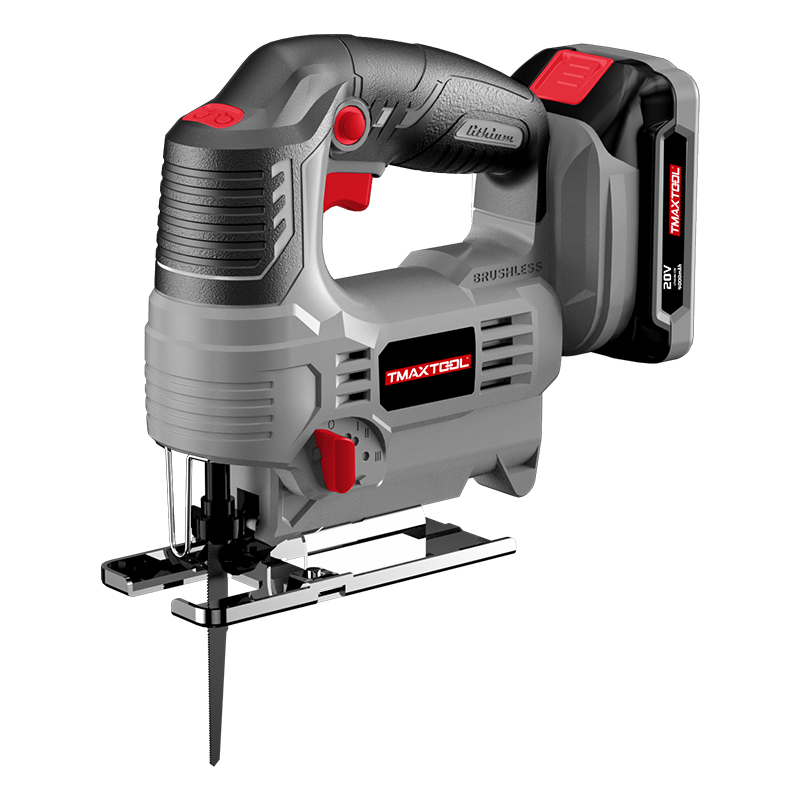 Jig Saw
 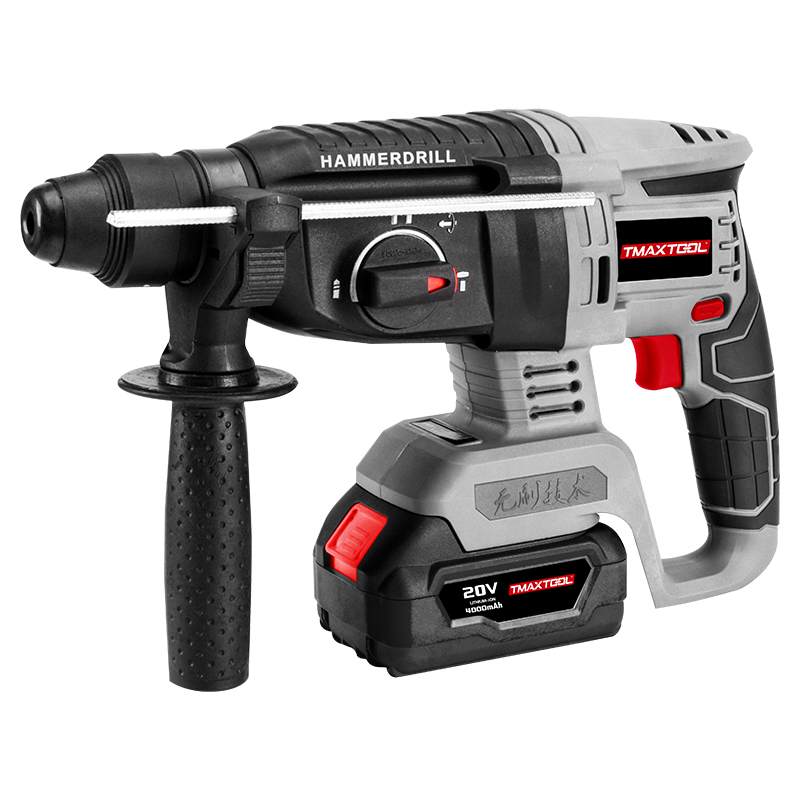 Hammer Drill
 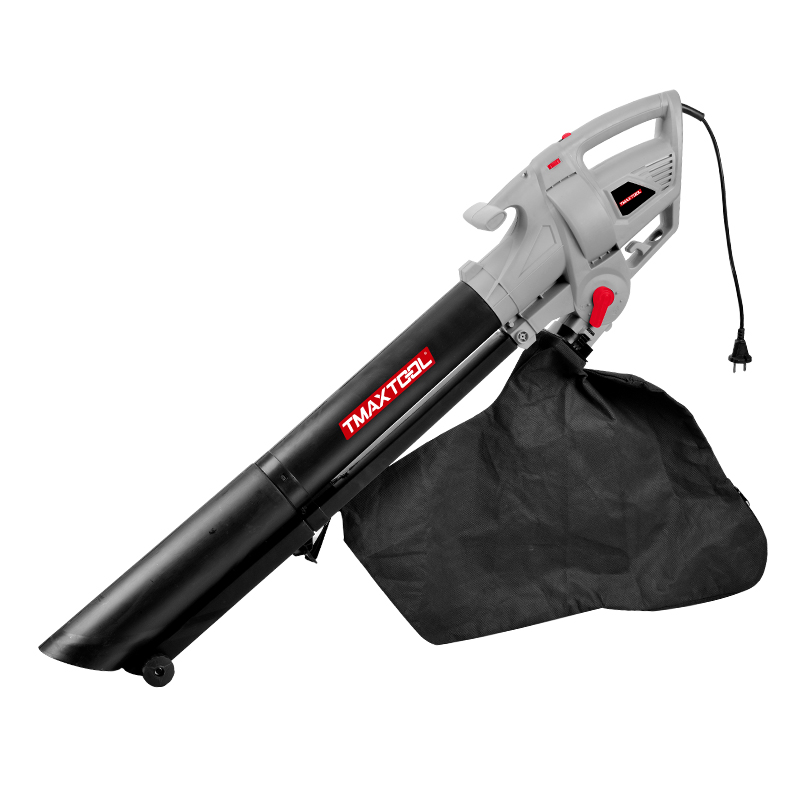 Portable Blower
 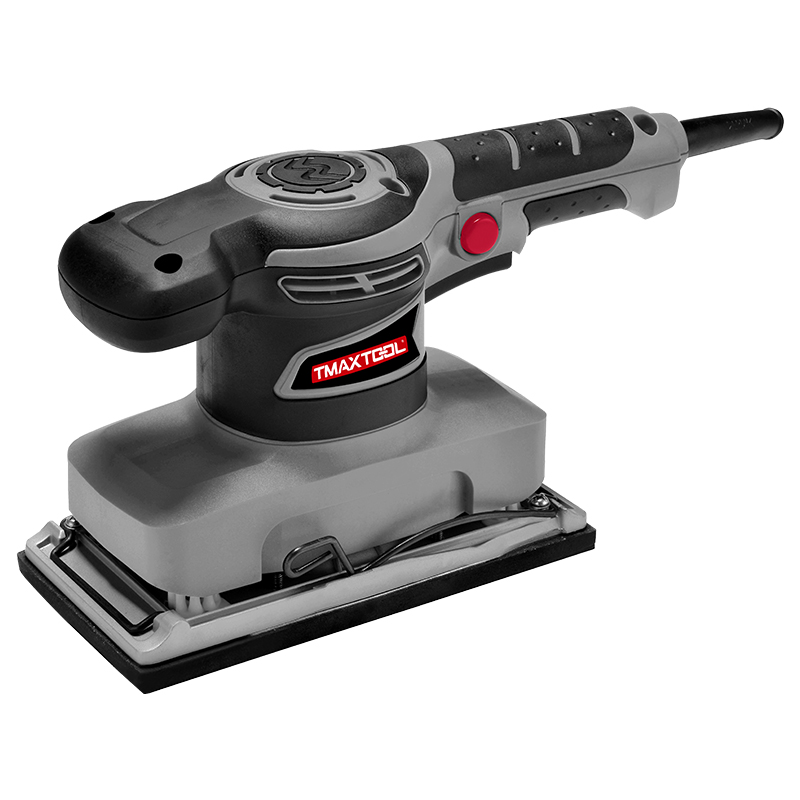 Orbital Sander
 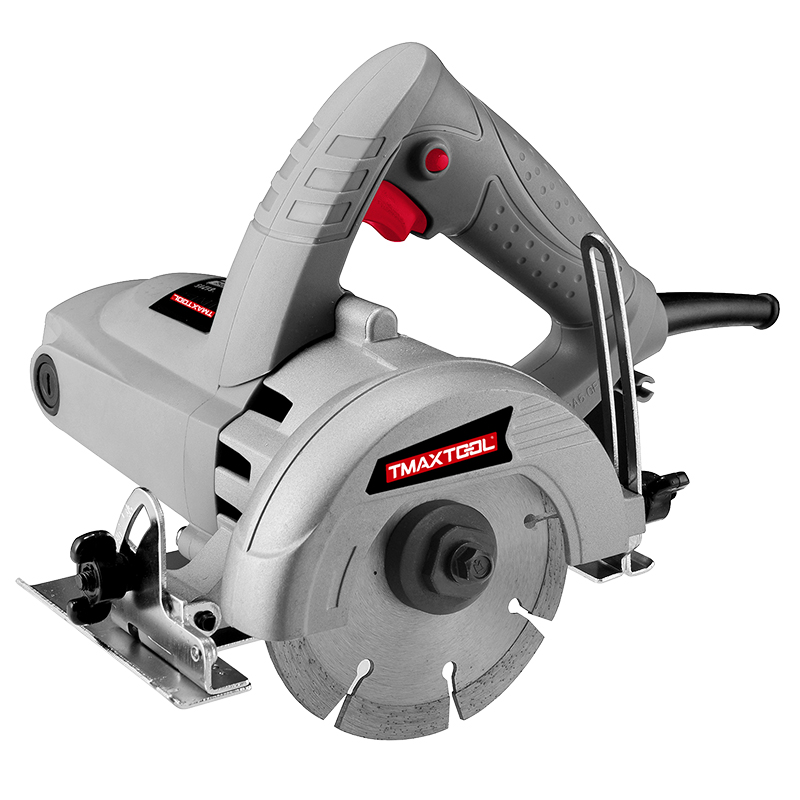 Marble Cutter
  GARDEN TOOLS
 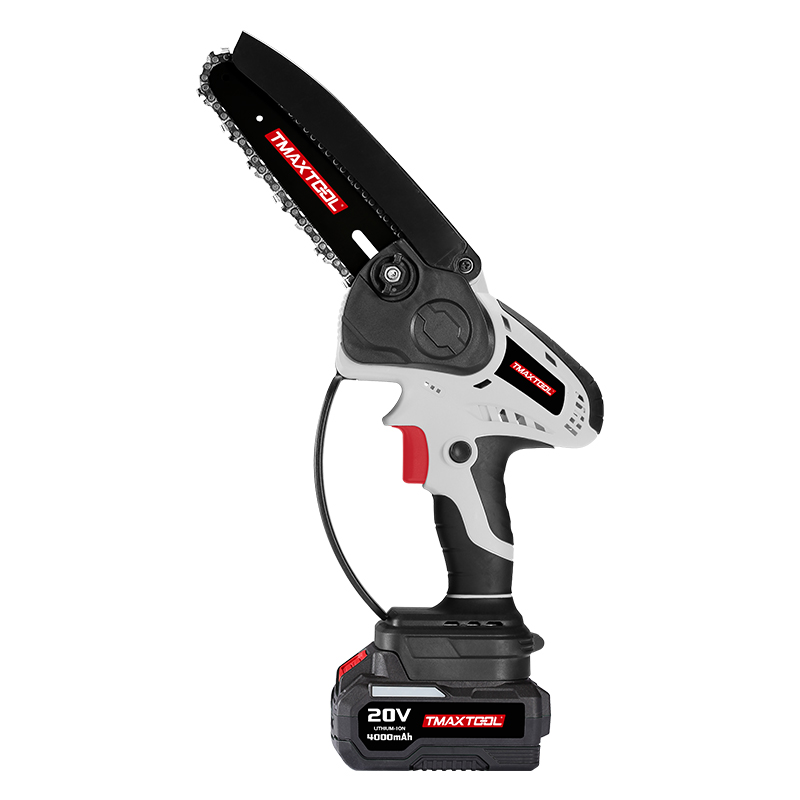 Battery Chain Saw
 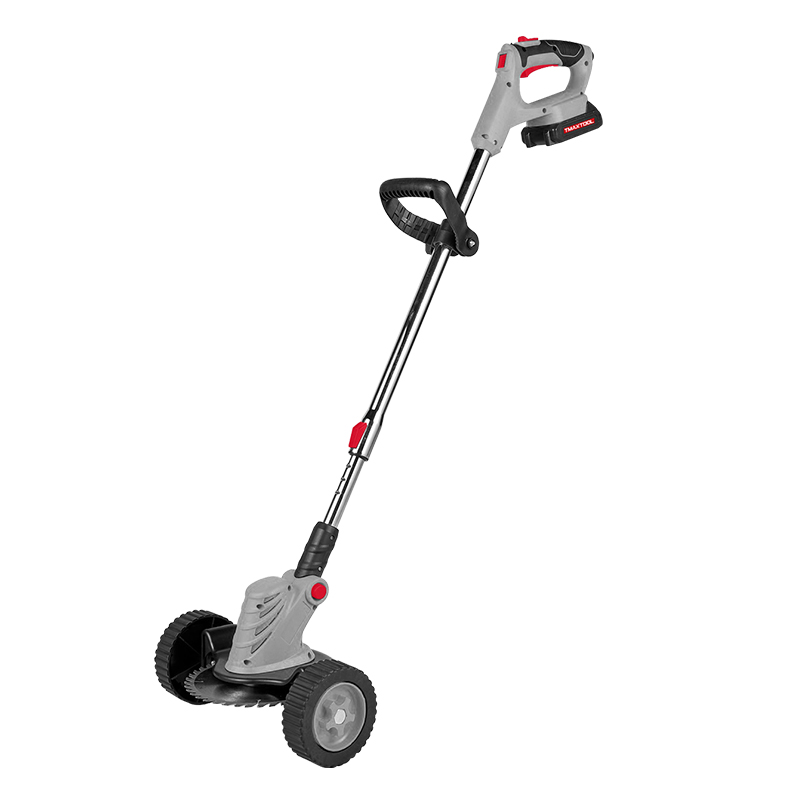 Battery Brush Cutter
 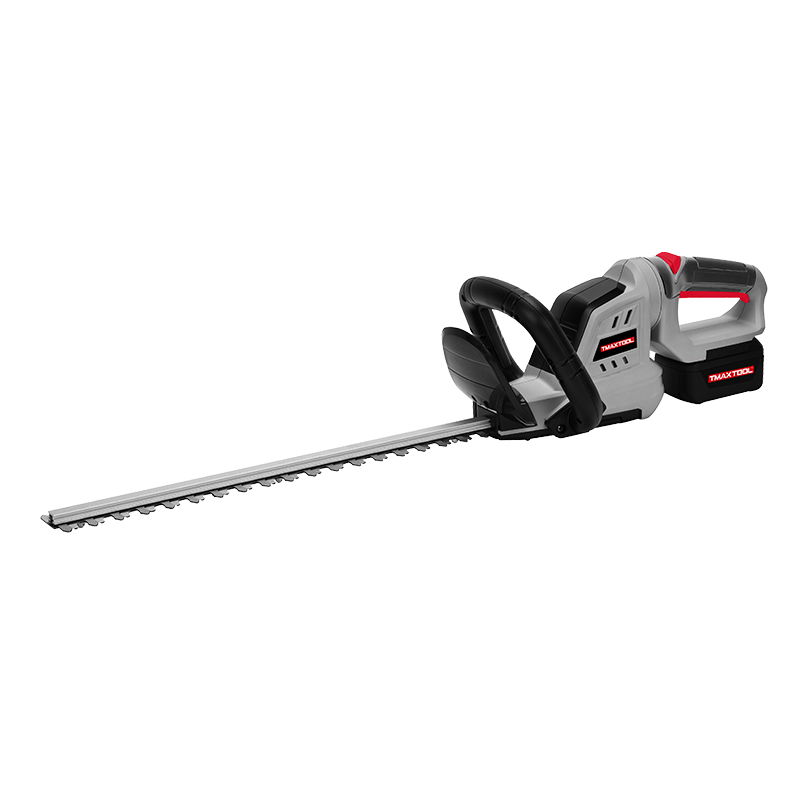 Battery Hedge Trimmer
 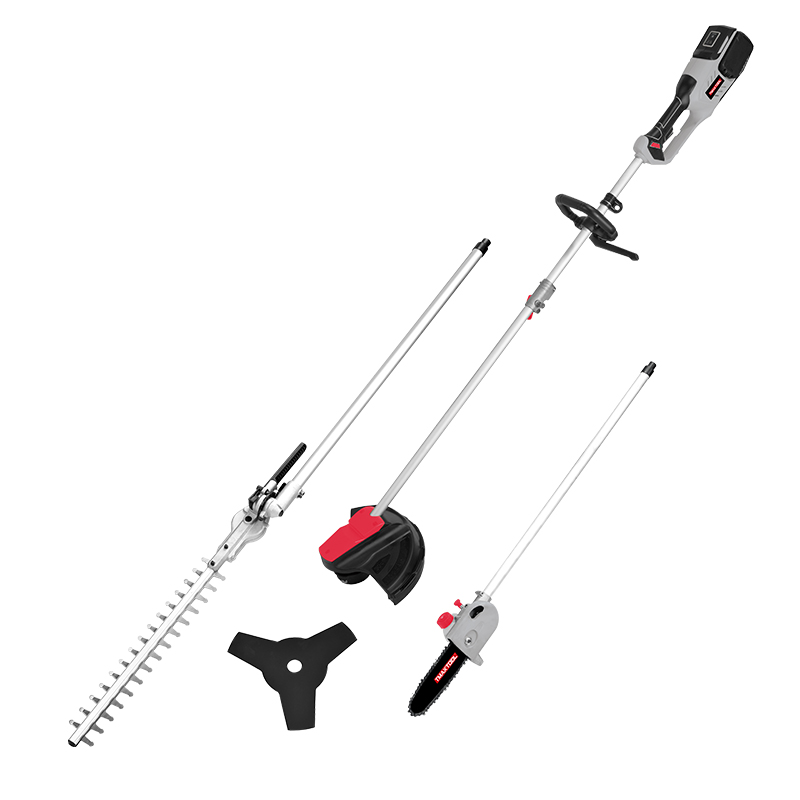 Battery Multi Tool
 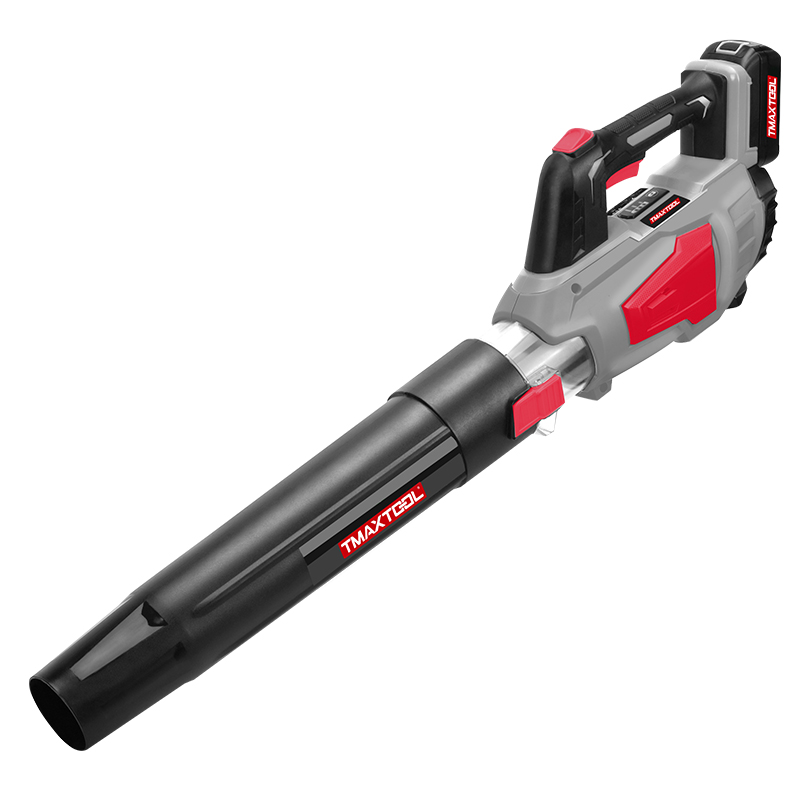 Battery Blower
 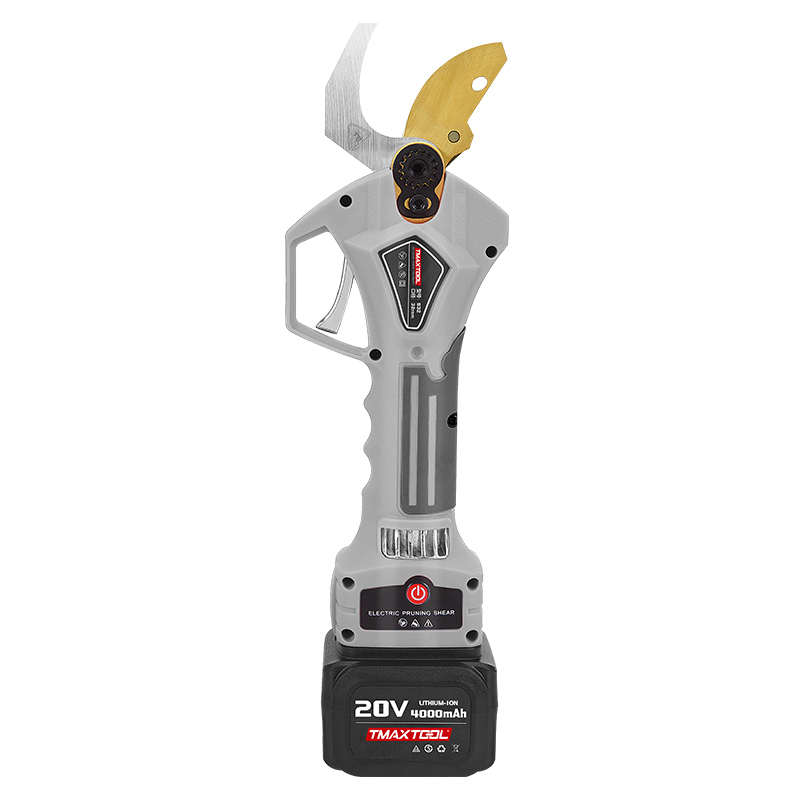 Batter Pruning Shears
 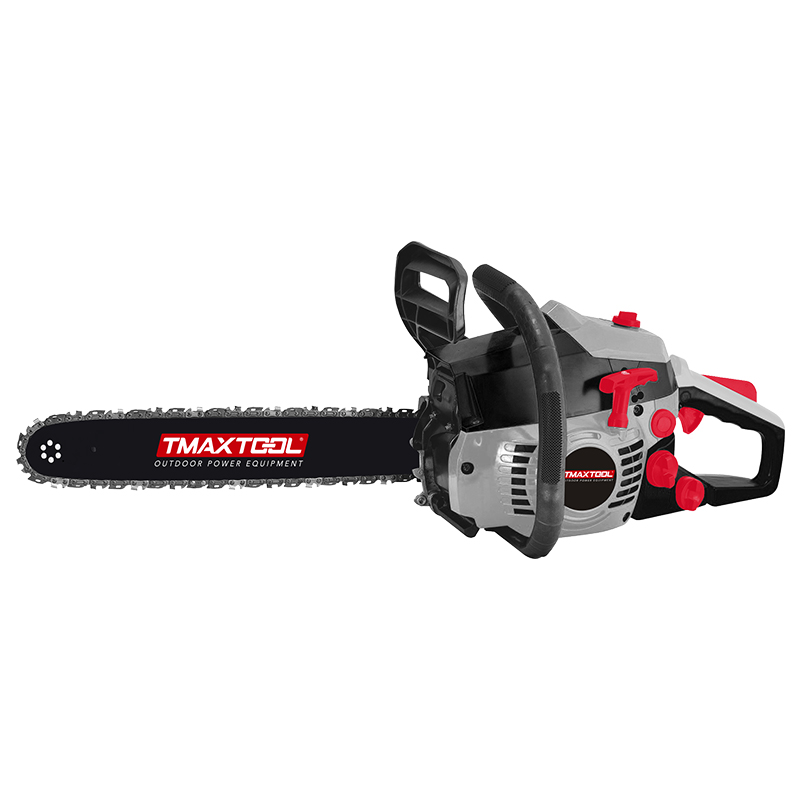 Chain Saw
 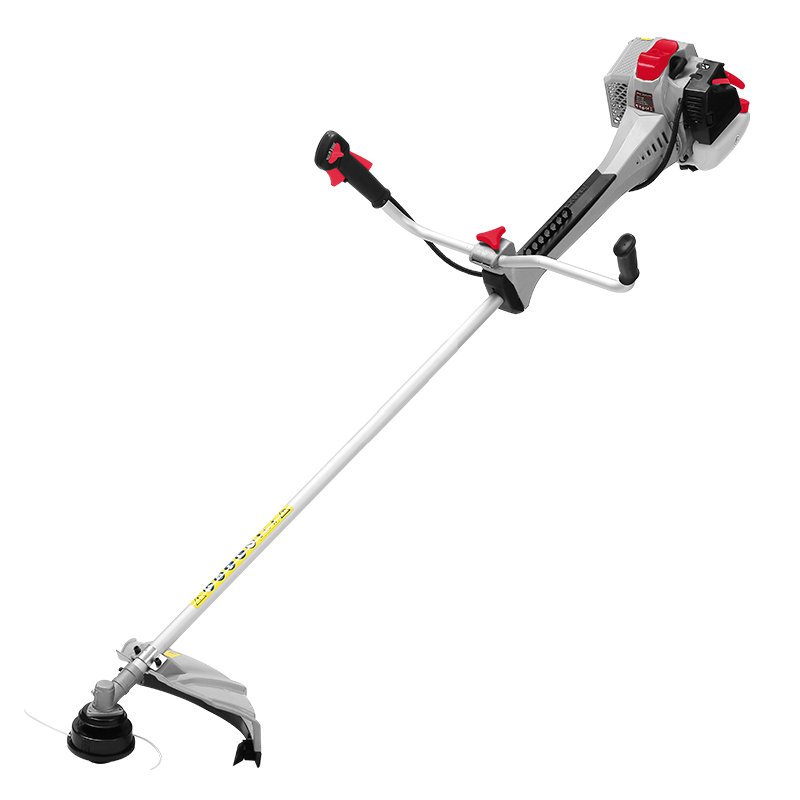 Brush Cutter
 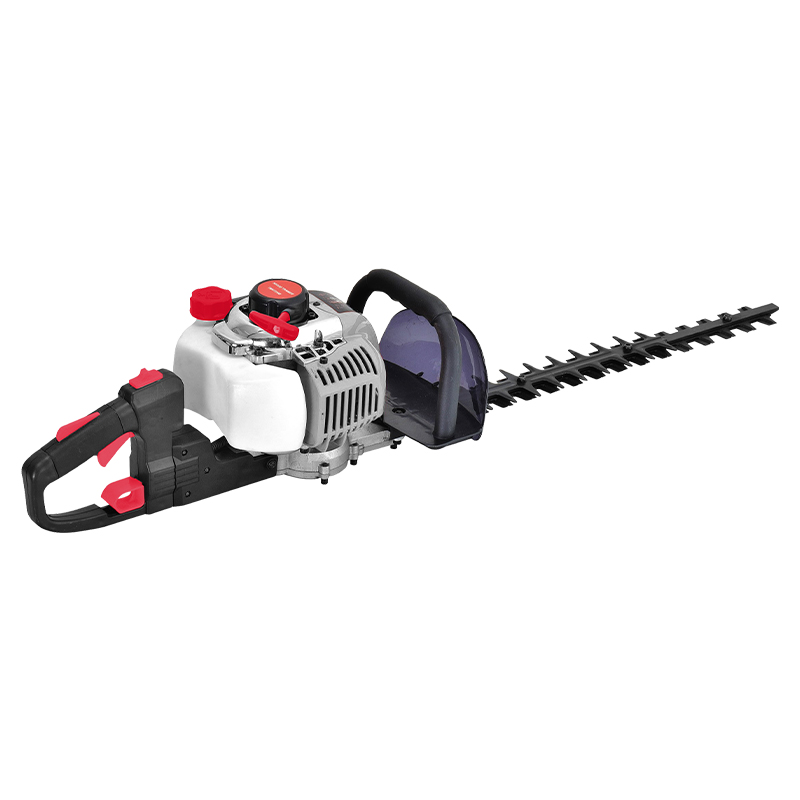 Hedge Trimmer
 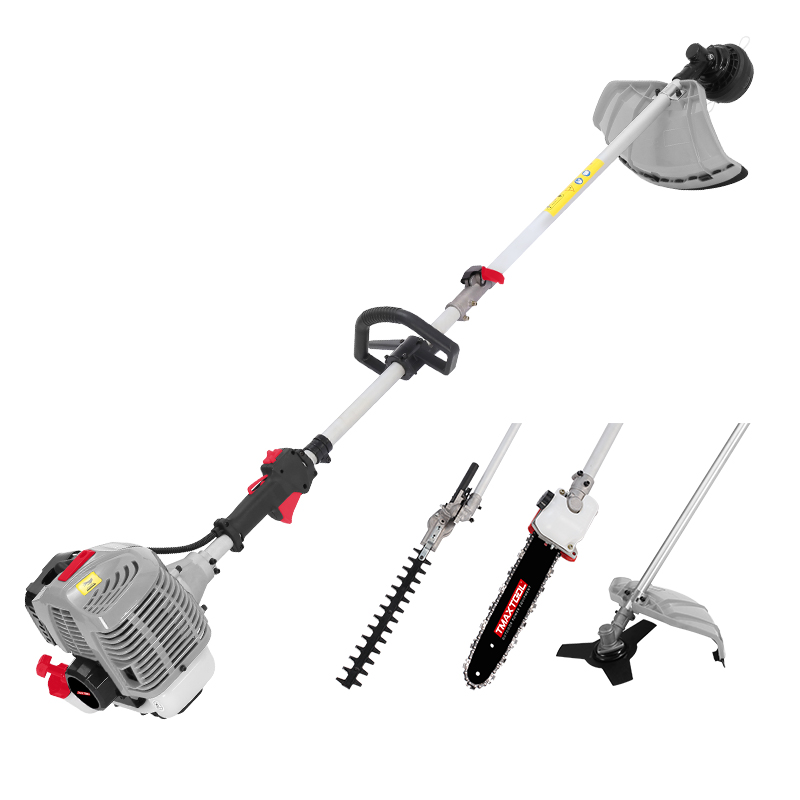 Multi Tool
 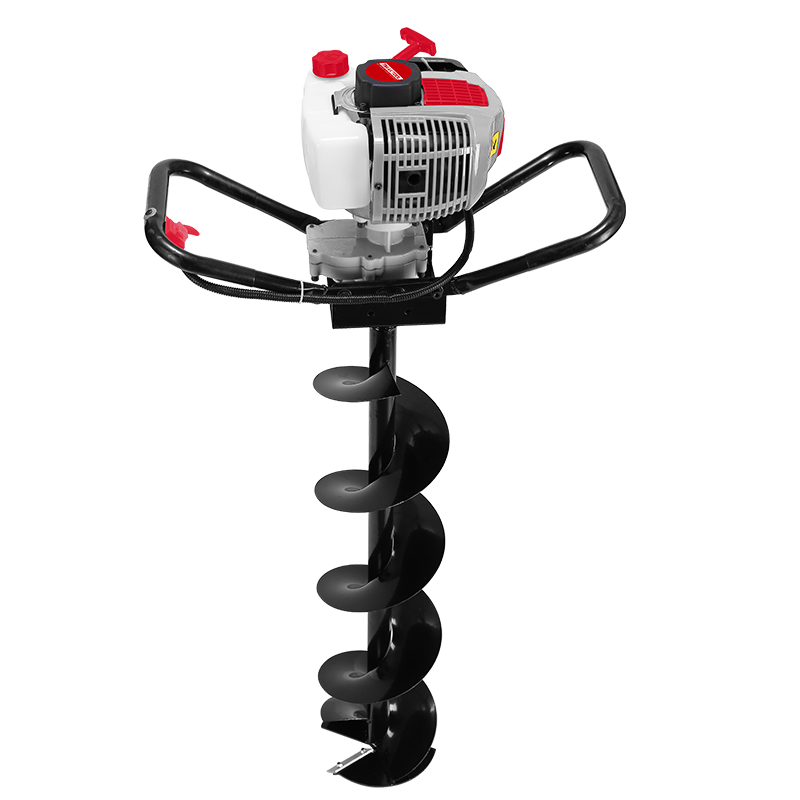 Earth Auger
 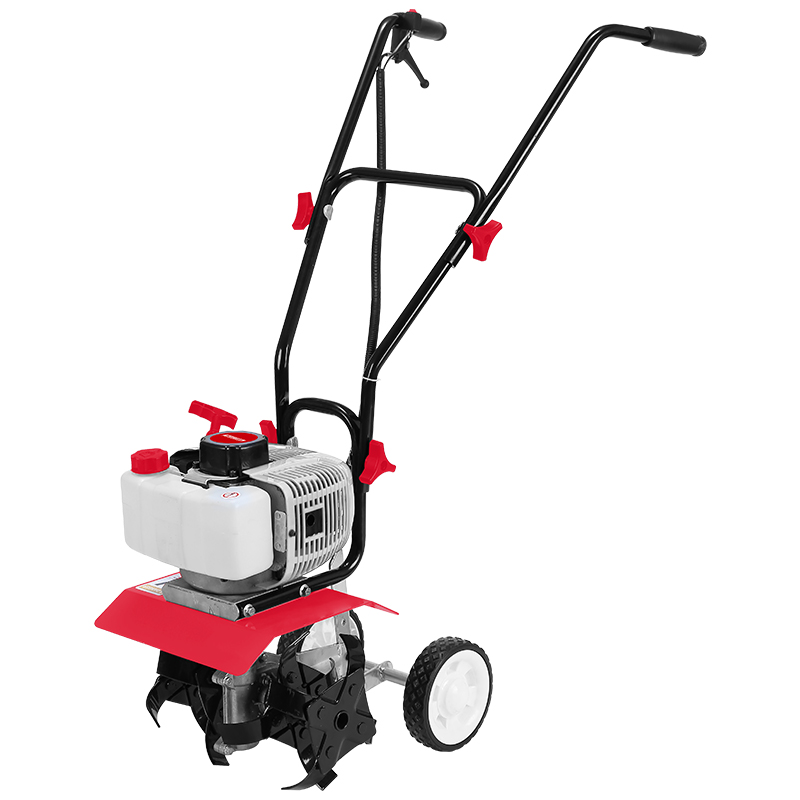 Tiller
 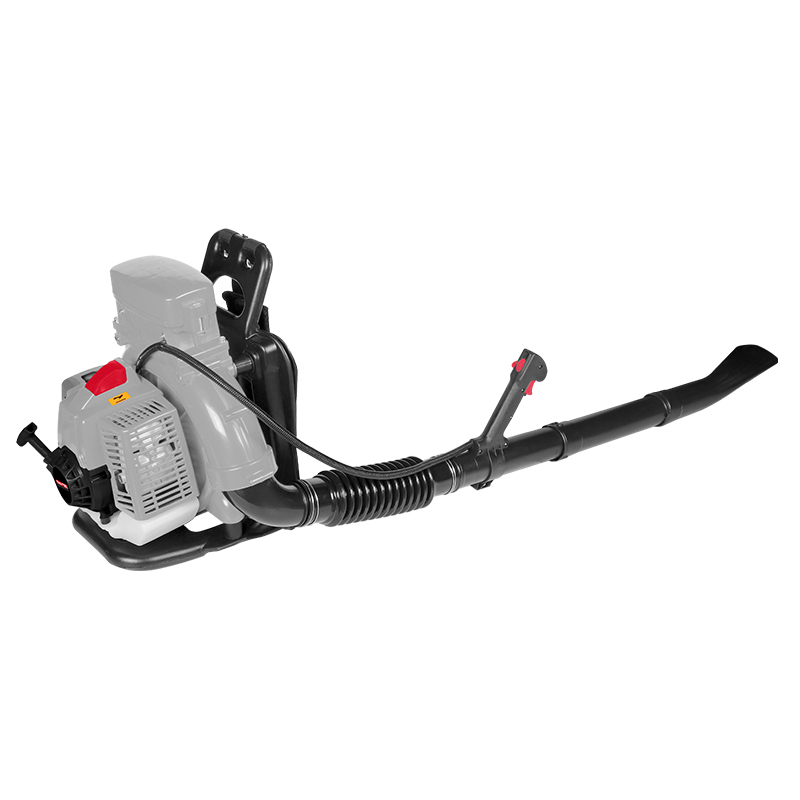 Blower
 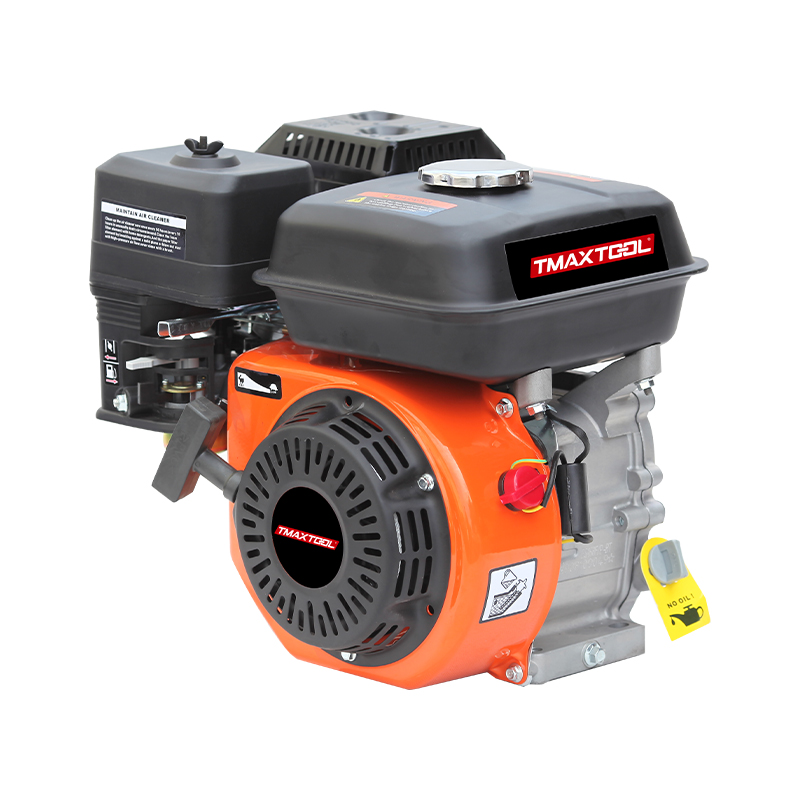 4 Stroke Gasoline Engine
 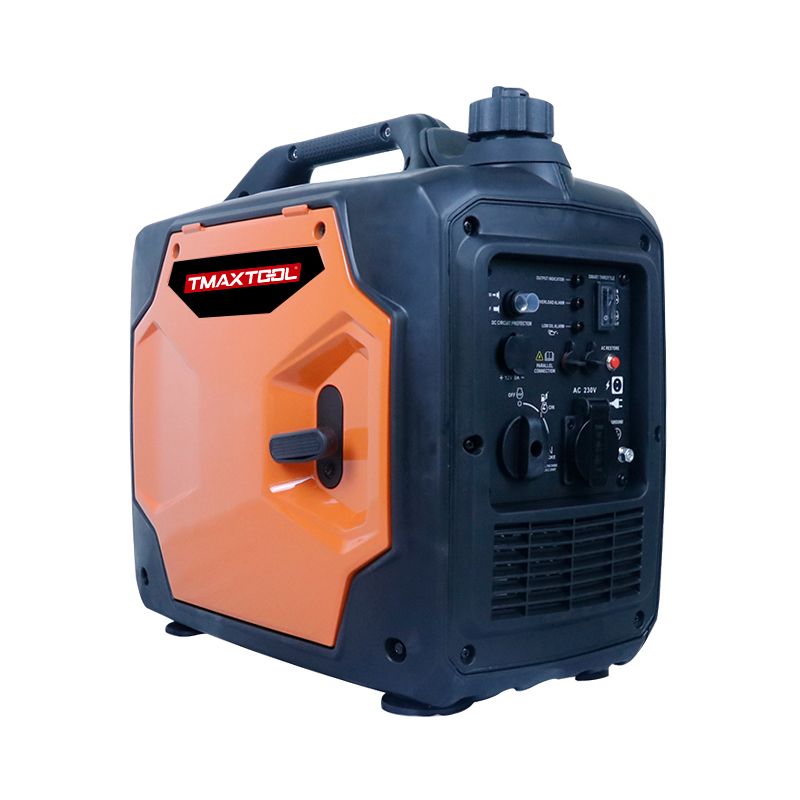 Generator
 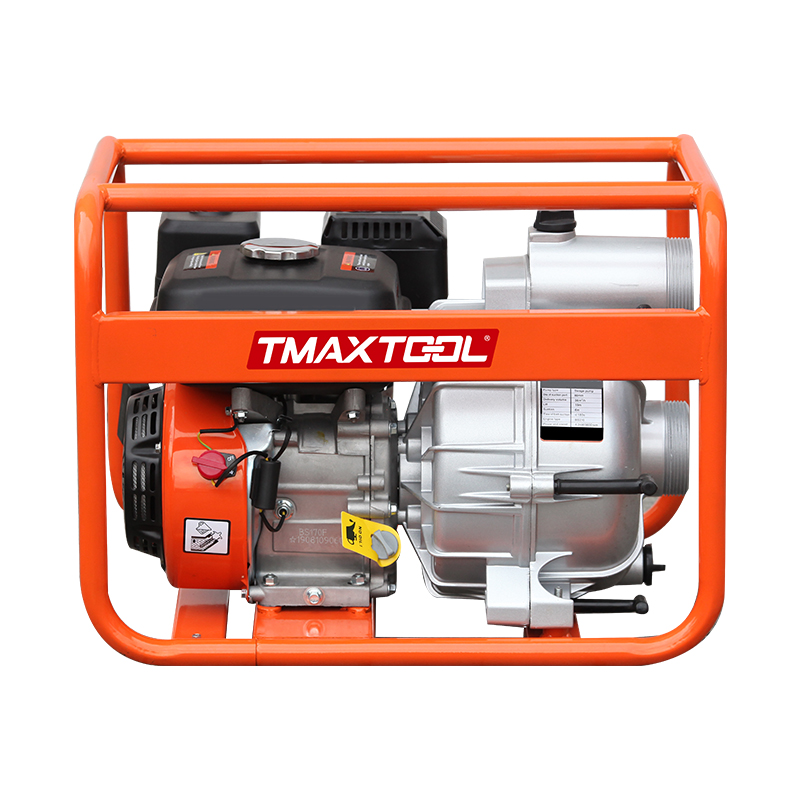 Water Pump
 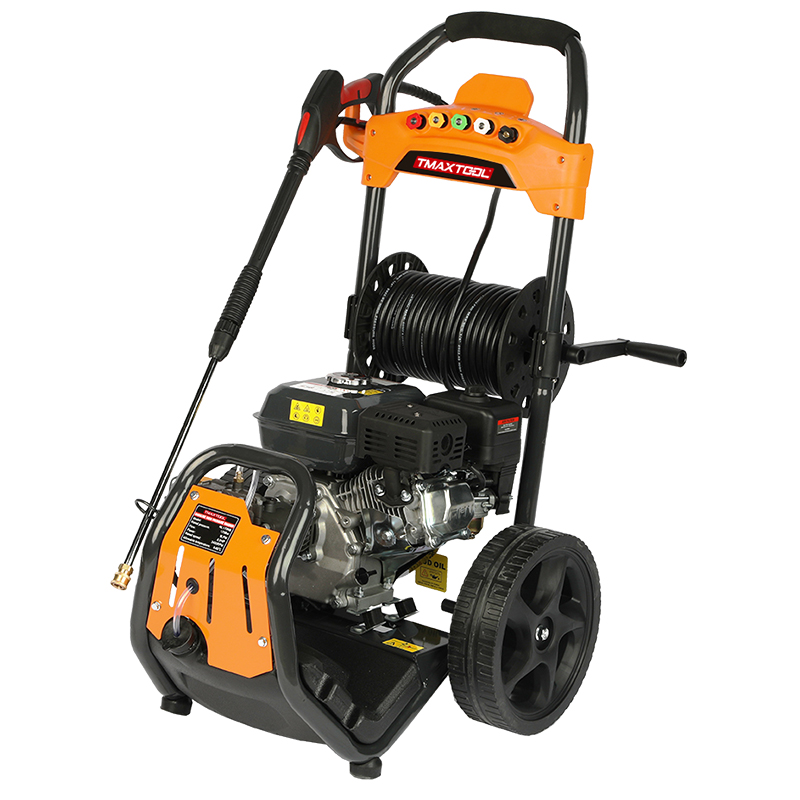 High Pressure Washer
 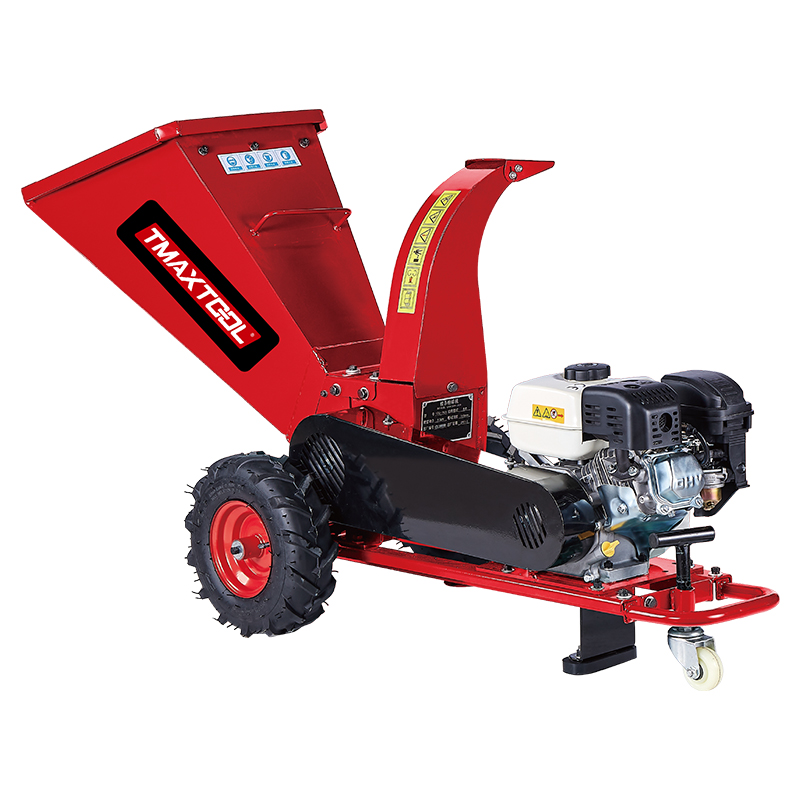 Wood Cutter
 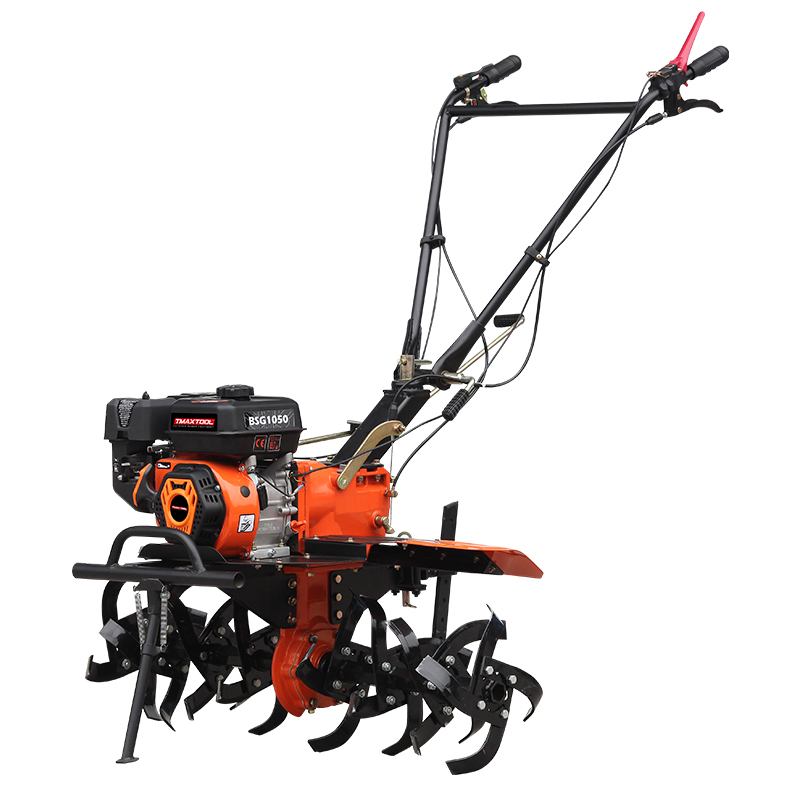 4 Stroke Tiller
 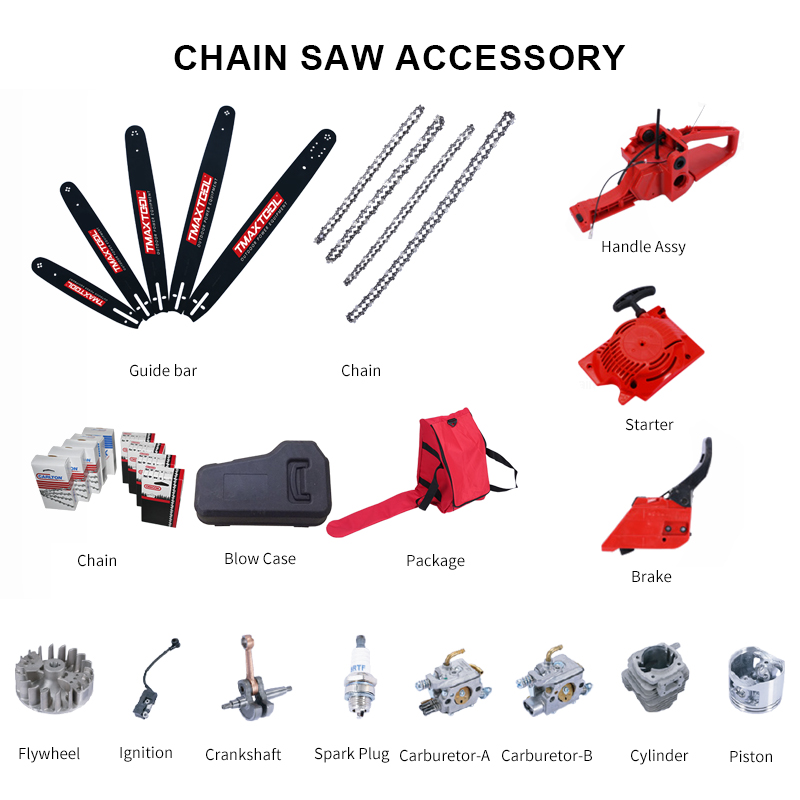 Chain Saw Accessory
 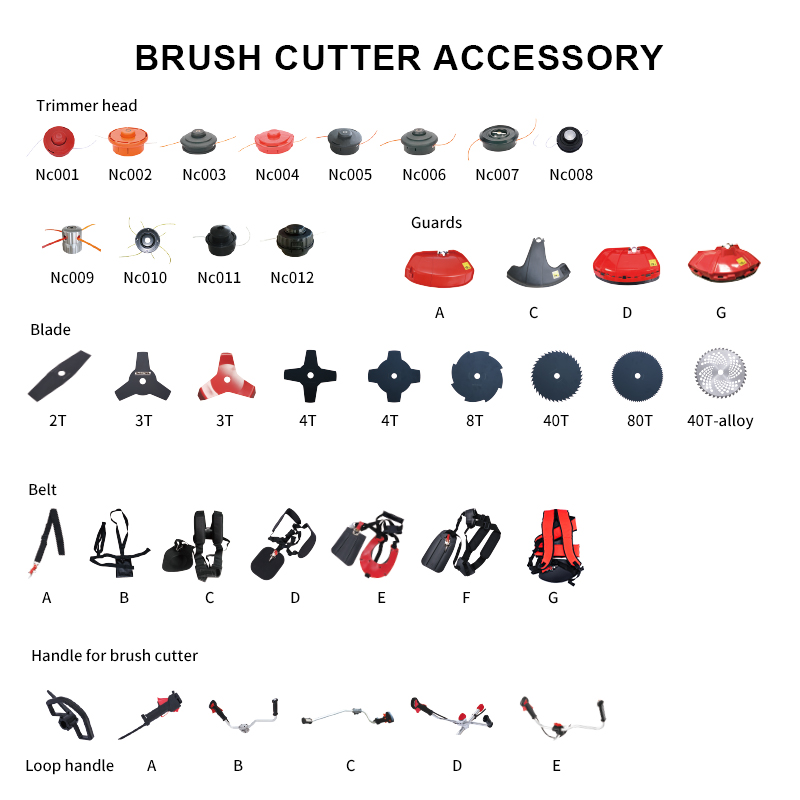 Brush Cutter Accessory
 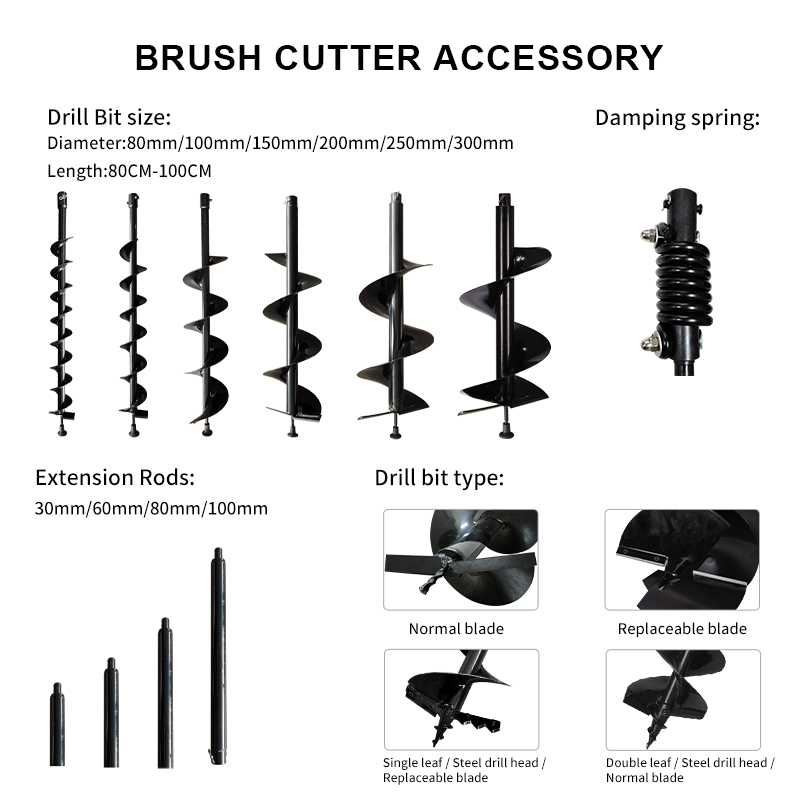 Earth Auger Accessory
 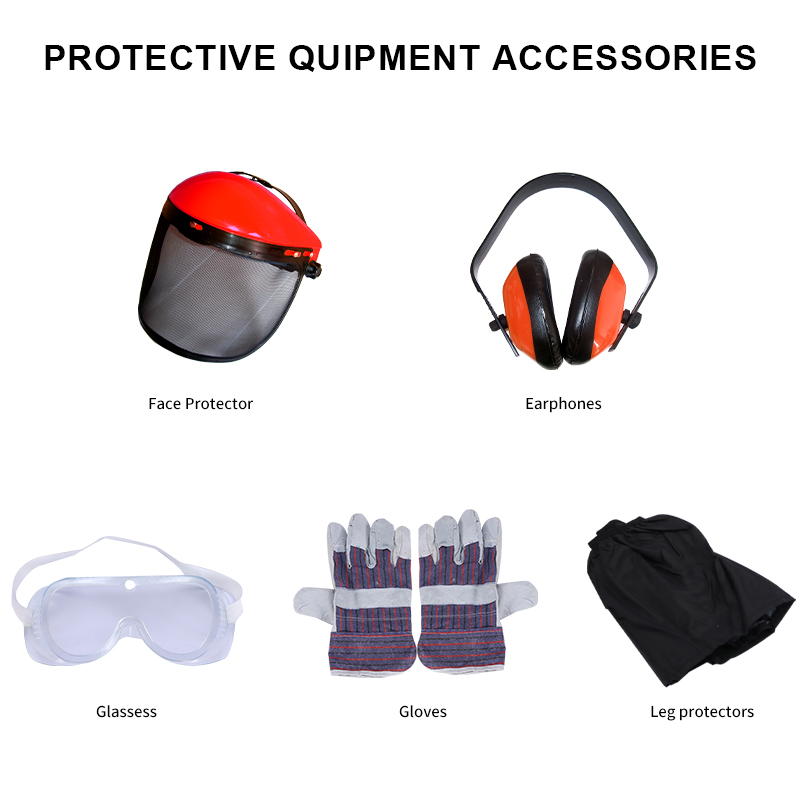 Protective Equipment Accessories
Leave Your Message


When choosing an intertillage machine, what factors should I consider
In agricultural production, the intertiller is a very important piece of equipment. It can help us carry out operations such as loosening the soil, weeding and mounding the soil, improving the growth environment and yield of crops. However, there are numerous types of intertillers on the market with different functions. How to choose a suitable intertiller for oneself has become a difficult problem faced by many farmers. Today, let's explore the factors to consider when choosing an intertillage machine.
First of all, it is crucial to clarify the job requirements. Different job purposes require different types of intertillers. If the main tasks are loosening the soil and weeding, a hoe-shovel or rotary tiller might be more suitable. If a large amount of soil mounding work is required, a soil-mounding intertiller is a better choice. For instance, farmers who grow corn may need intertillers with good soil mounding functions even more to prevent the corn from falling over. The working area will also affect the selection of the intertiller. The small suspended intertiller is flexible to operate and has a relatively low cost, making it suitable for small farmlands of just a few acres. For large areas of farmland covering hundreds of acres, towed or self-propelled intertillers are more efficient and can save time and labor costs. In addition, different crops have different requirements for intertillers. Vegetable cultivation usually requires more meticulous intertillage operations. Specialized vegetable intertillage machines may have more suitable working components and parameter Settings, which can prevent damage to vegetables. Economic crops such as cotton and sugarcane may require specific intertillers to meet their particular growth needs.

Secondly, the performance of the cultivator cannot be ignored. It is crucial to choose a cultivator of appropriate power based on the working area and soil conditions. If the soil is relatively hard or the working area is large, a high-power intertiller is needed to ensure the working effect. At the same time, the compatibility between the intertiller and the power source (such as a tractor) should be taken into consideration to ensure stable and reliable power transmission. The quality of working components also affects the operation of the cultivator. The material and manufacturing process of working components such as hoes, spatulas, rotary tillers, and soil mounders are very important. High-quality working components are wear-resistant and durable, which can reduce the frequency of replacement and maintenance. For example, hoes and shovels made of high-strength alloy steel have a longer service life and can maintain good performance under complex soil conditions. In addition, cultivators with good adjustment performance can adjust parameters such as working depth, width and Angle according to different operation requirements and crop growth stages. For instance, some cultivators can easily adjust the height and Angle of working components through a hydraulic system to meet the soil mounding requirements of different crops.
Furthermore, price and cost performance are factors that must be weighed. Before purchasing a cultivator, it is necessary to clarify your budget. The price of cultivators varies depending on factors such as type, brand, and performance, ranging from several thousand to tens of thousands of yuan. Within your budget, choose the cultivator that best meets your needs in terms of performance and quality. However, one should not merely focus on the price. It is also necessary to comprehensively consider factors such as the performance, quality, and after-sales service of the intertiller to evaluate its cost-effectiveness. Some intertillers, although slightly more expensive, perform well in terms of work efficiency, durability and after-sales service, and may be more cost-effective in the long run.

Finally, although we do not mention specific brands in the text, choosing well-known brands and paying attention to after-sales service are still important. Well-known brand intertillers usually offer better guarantees in terms of quality, performance and reliability. These brands often have strict production standards and quality control systems, and can provide higher-quality products. One can learn about the reputation and evaluations of different brands by consulting other farmers, referring to agricultural magazines and websites, etc. Good after-sales service is crucial for the use of a cultivator. It is necessary to ensure that the supplier can provide timely maintenance, repair and spare parts supply services. When choosing a cultivator, it is also necessary to understand the coverage of the supplier's after-sales service network, response time and technical support capabilities, etc.
When choosing a cultivator, multiple factors such as operation requirements, performance, price and after-sales service need to be comprehensively considered. Only in this way can one choose a suitable intertiller for themselves and provide strong support for agricultural production.