
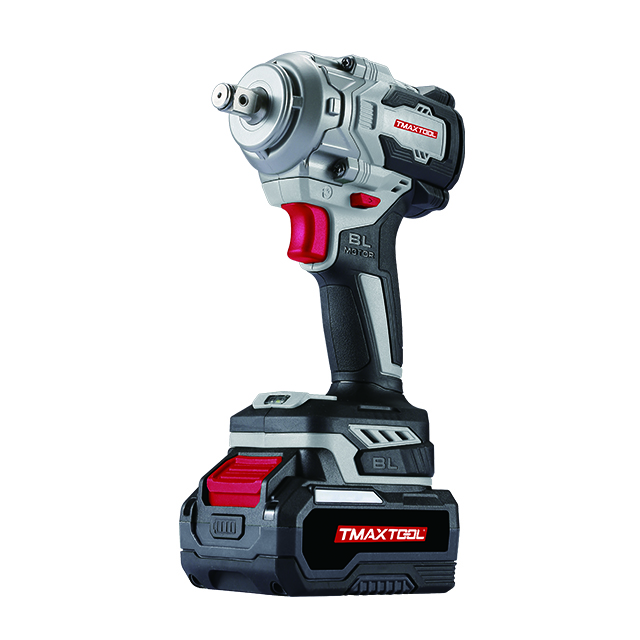
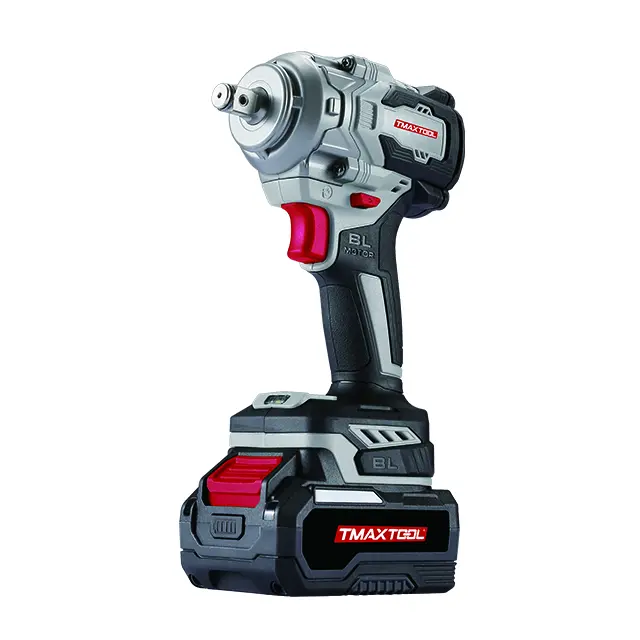
 Impact Wrench
 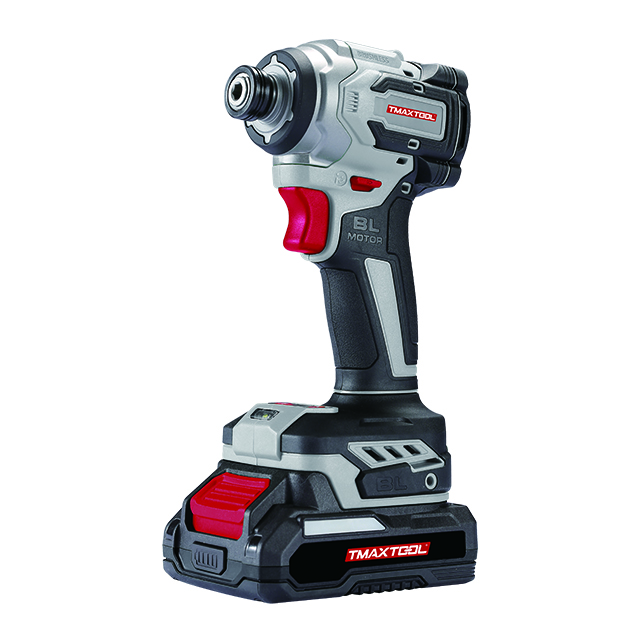 Screwdriver
 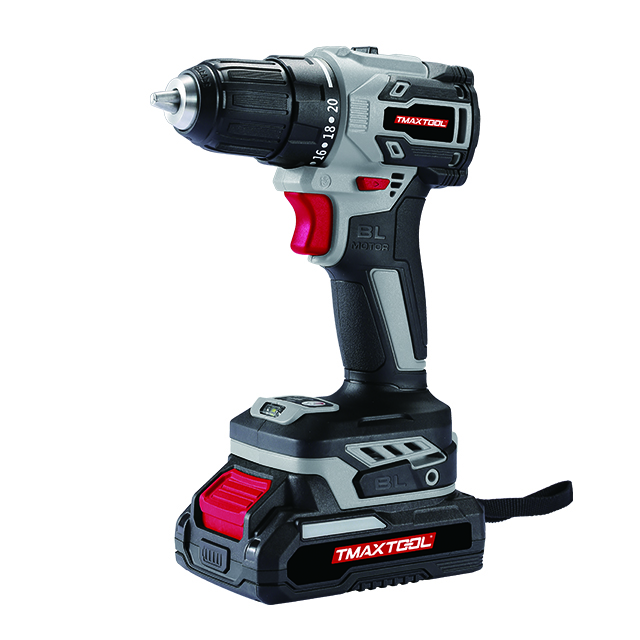 Cordless Drill
 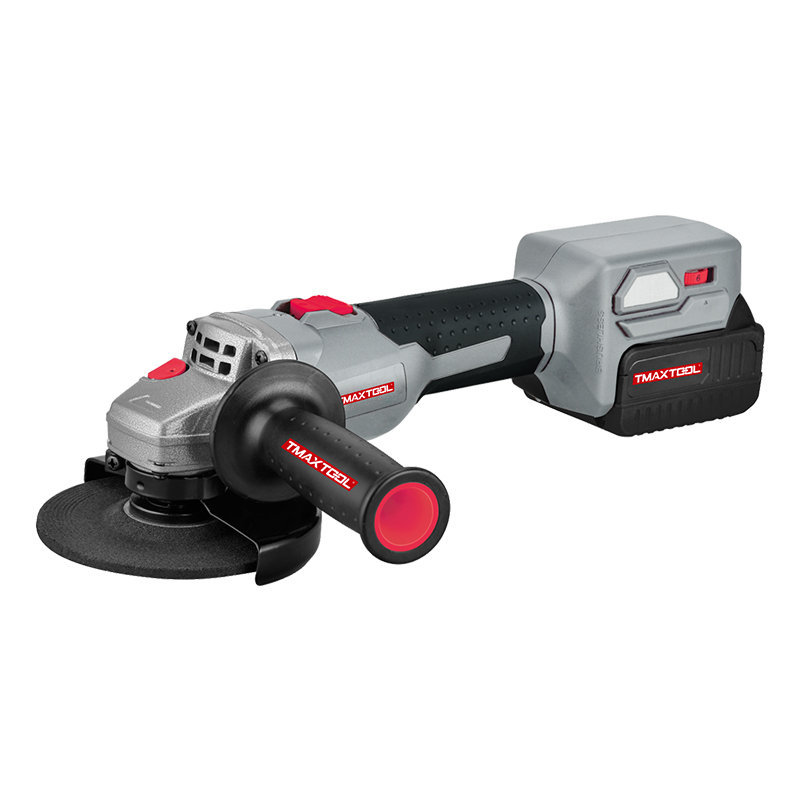 Angle Grinder
 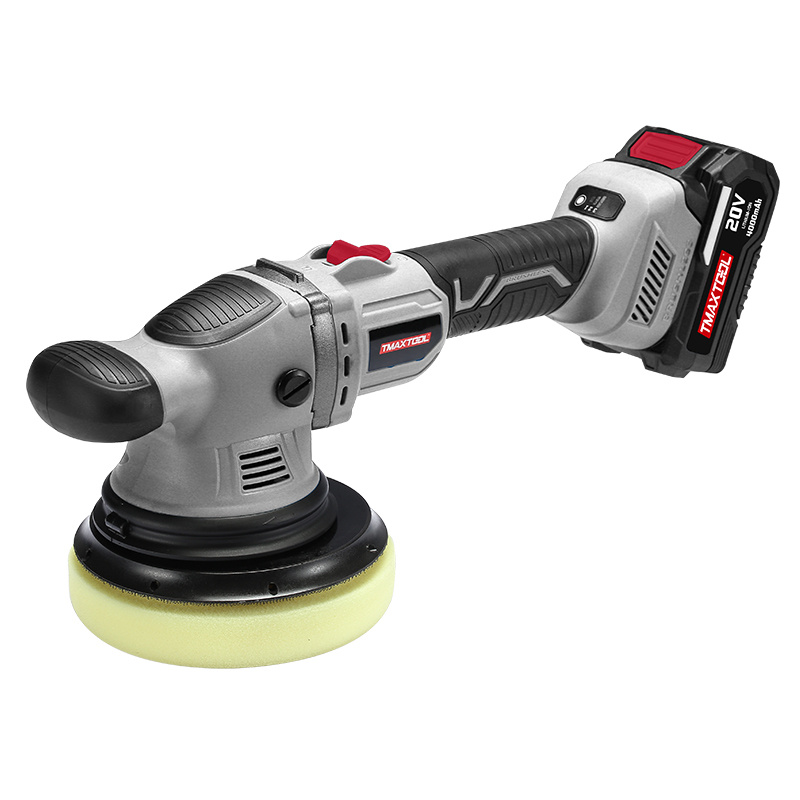 Polisher
 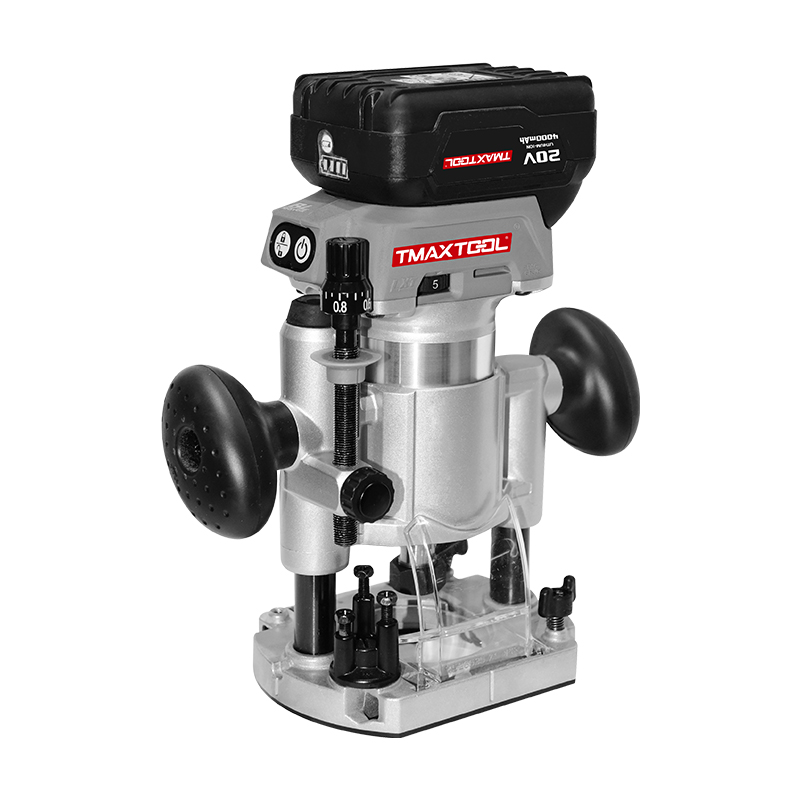 Wood Router
 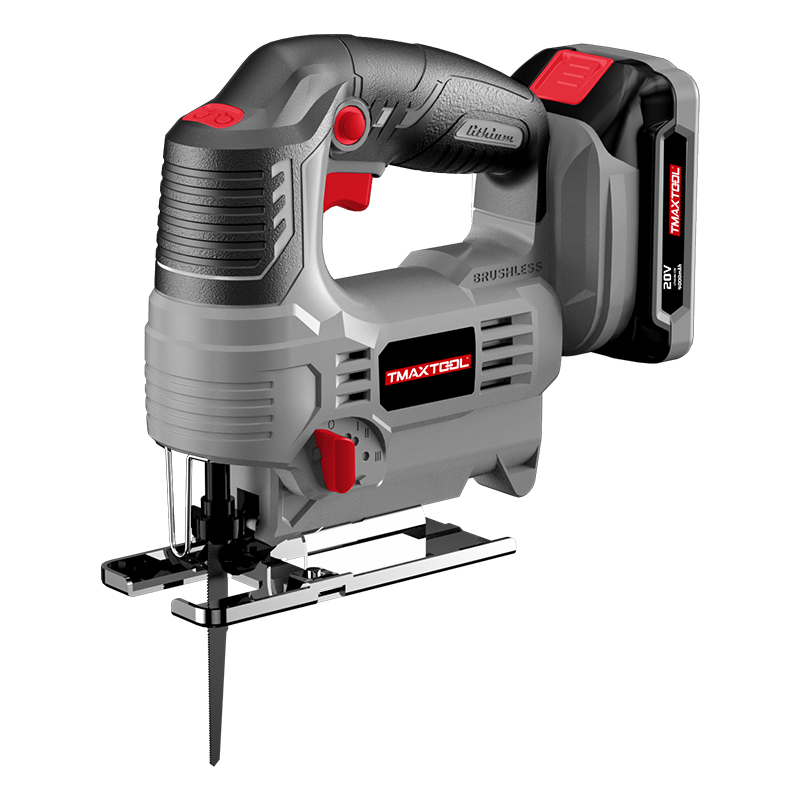 Jig Saw
 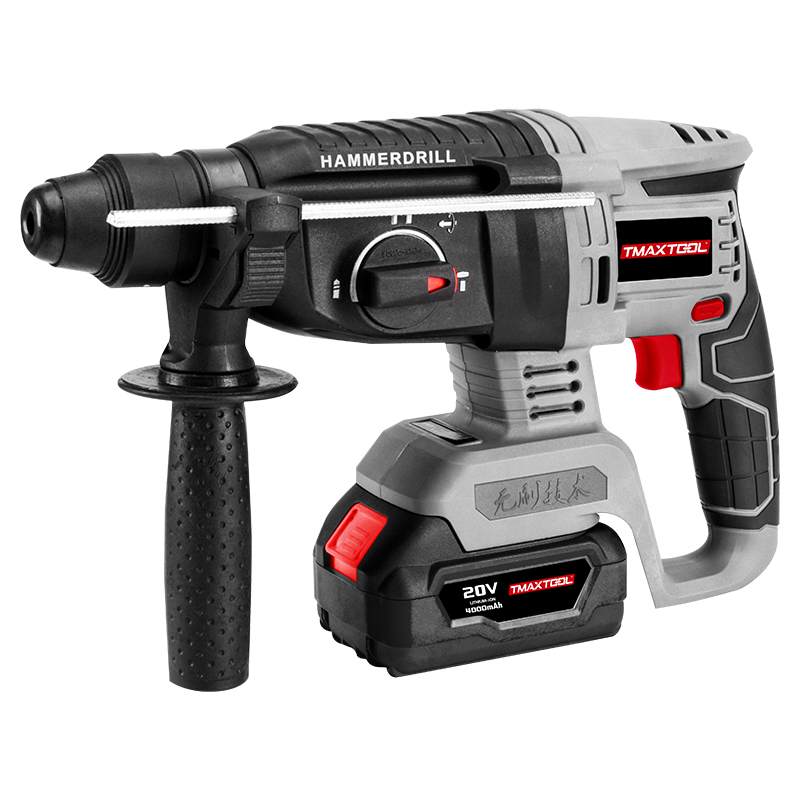 Hammer Drill
 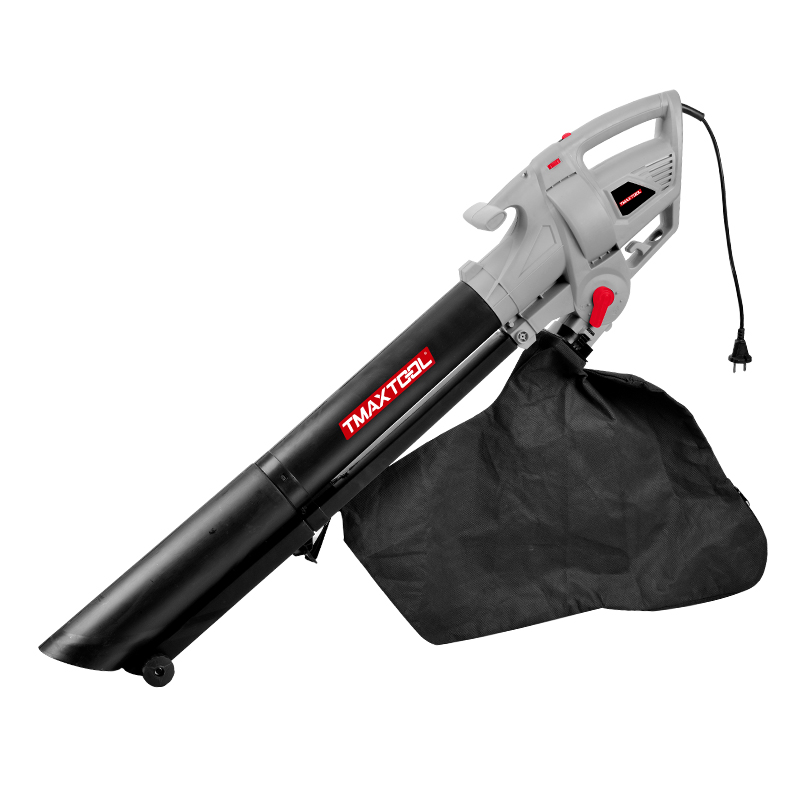 Portable Blower
 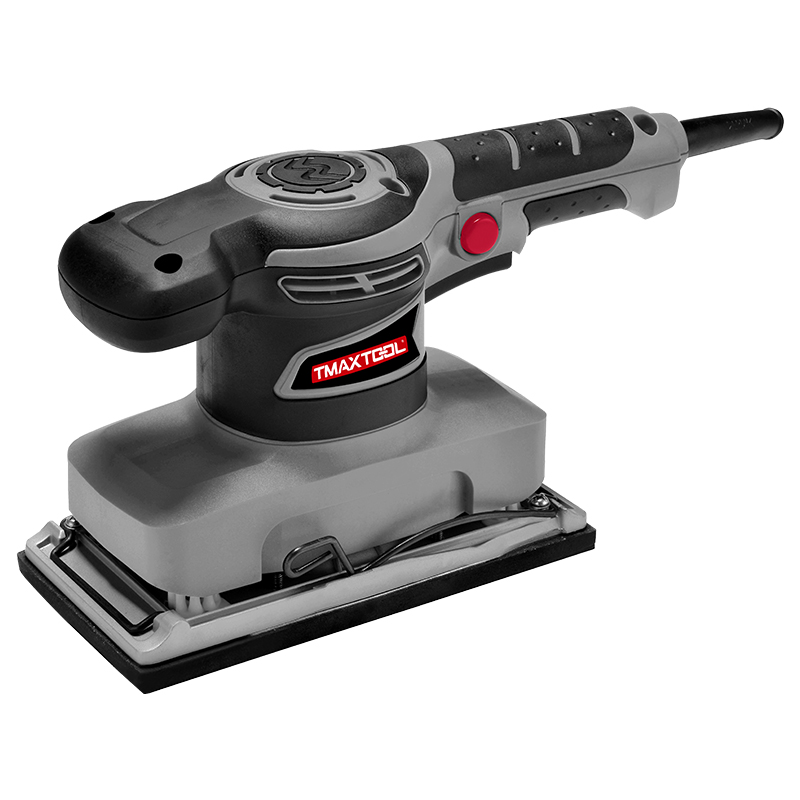 Orbital Sander
 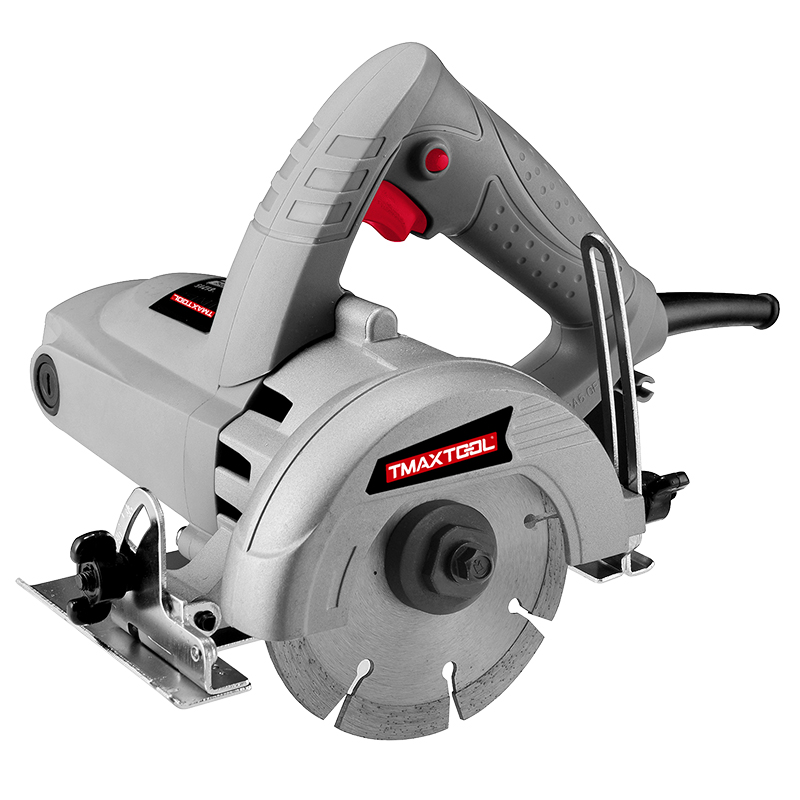 Marble Cutter
  GARDEN TOOLS
 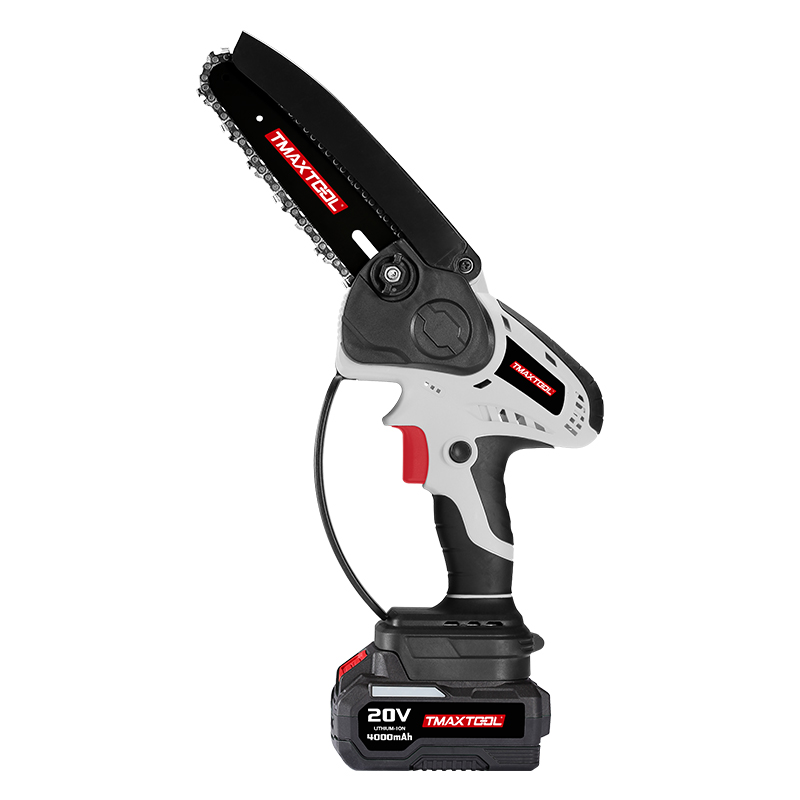 Battery Chain Saw
 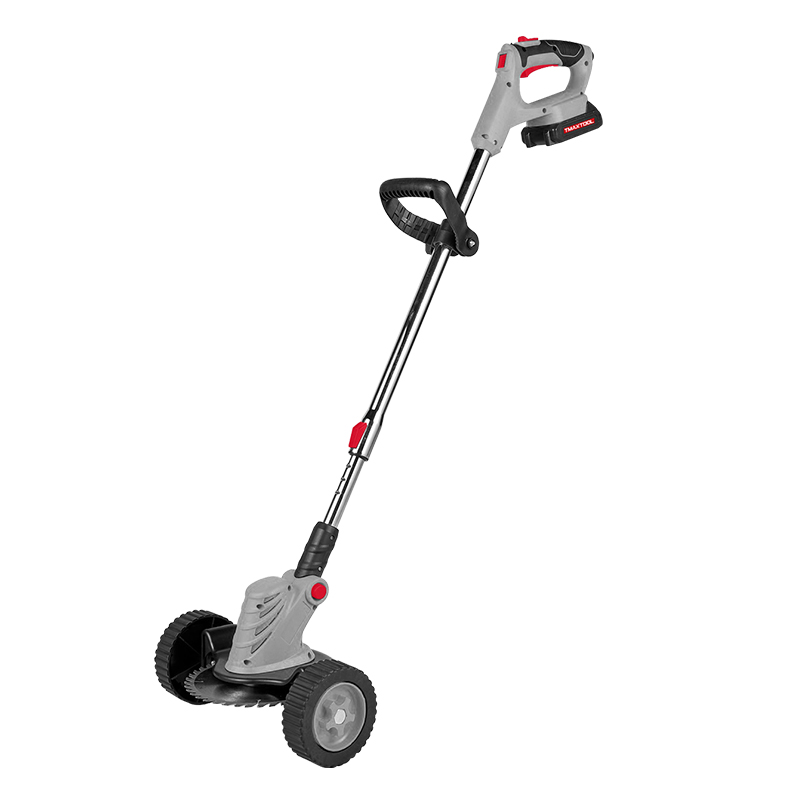 Battery Brush Cutter
 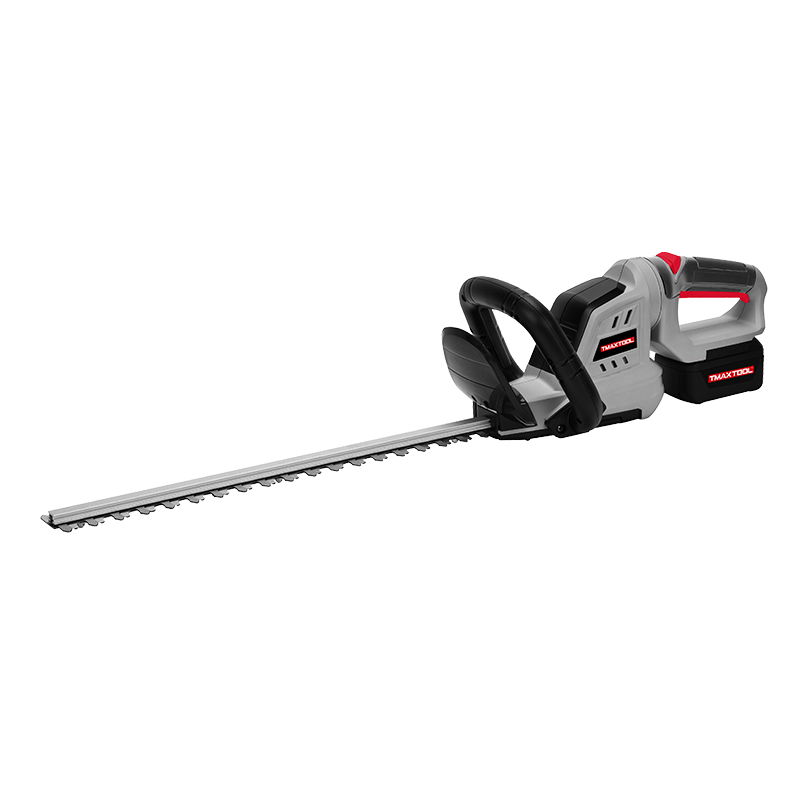 Battery Hedge Trimmer
 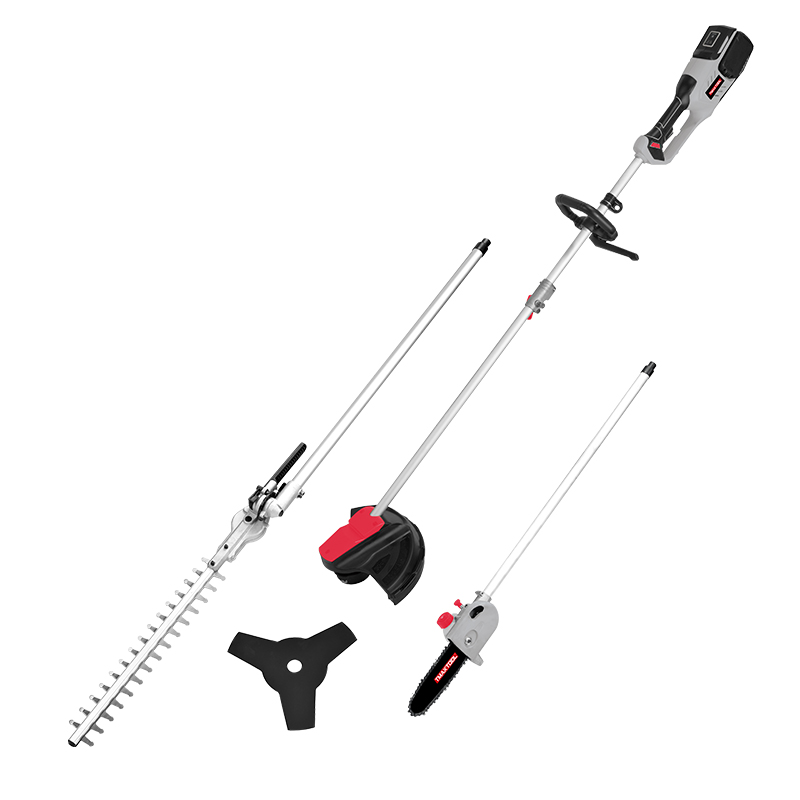 Battery Multi Tool
 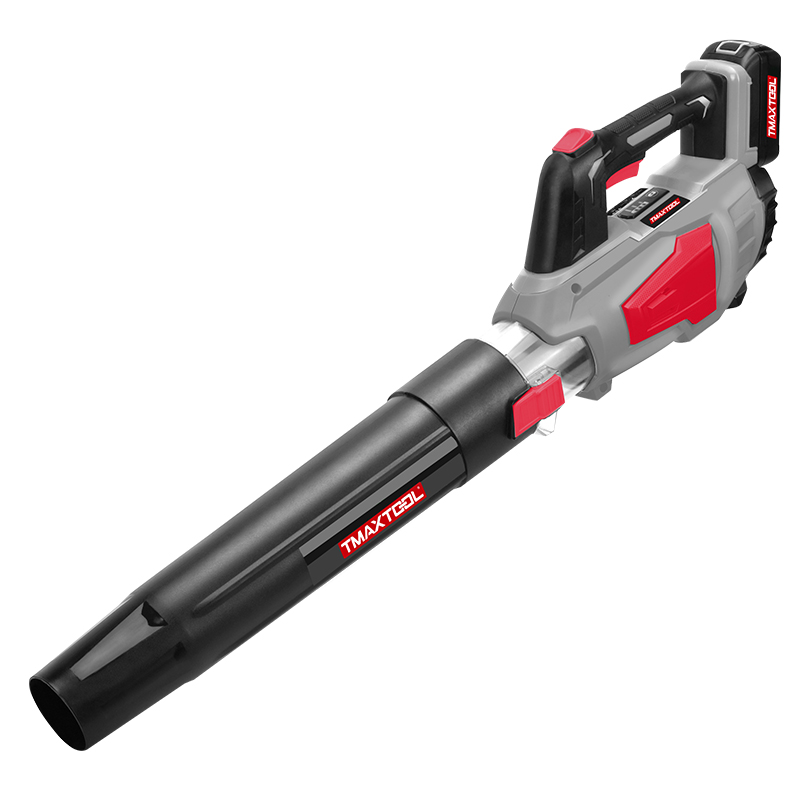 Battery Blower
 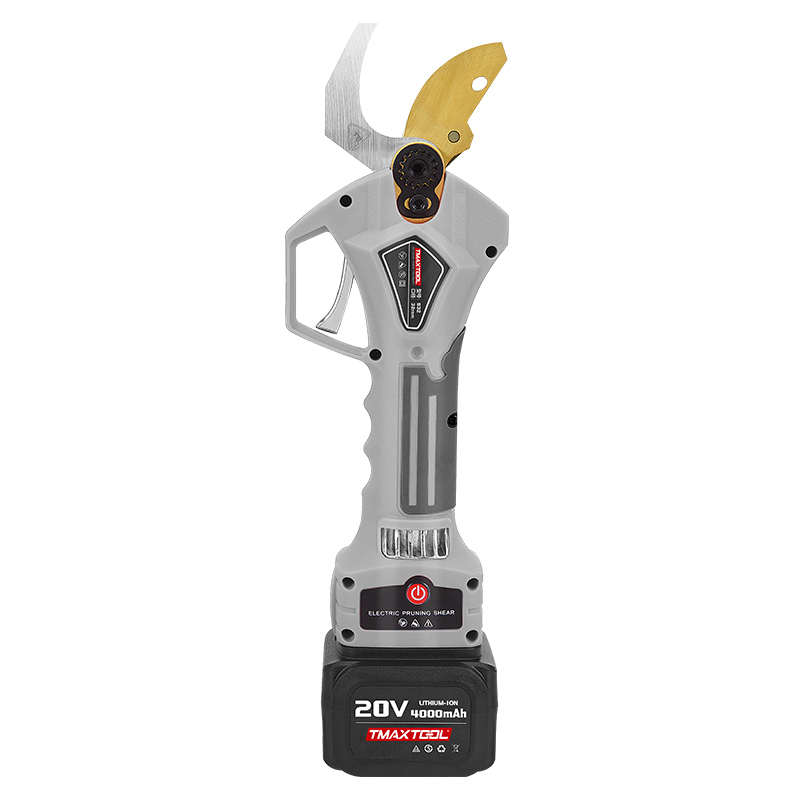 Batter Pruning Shears
 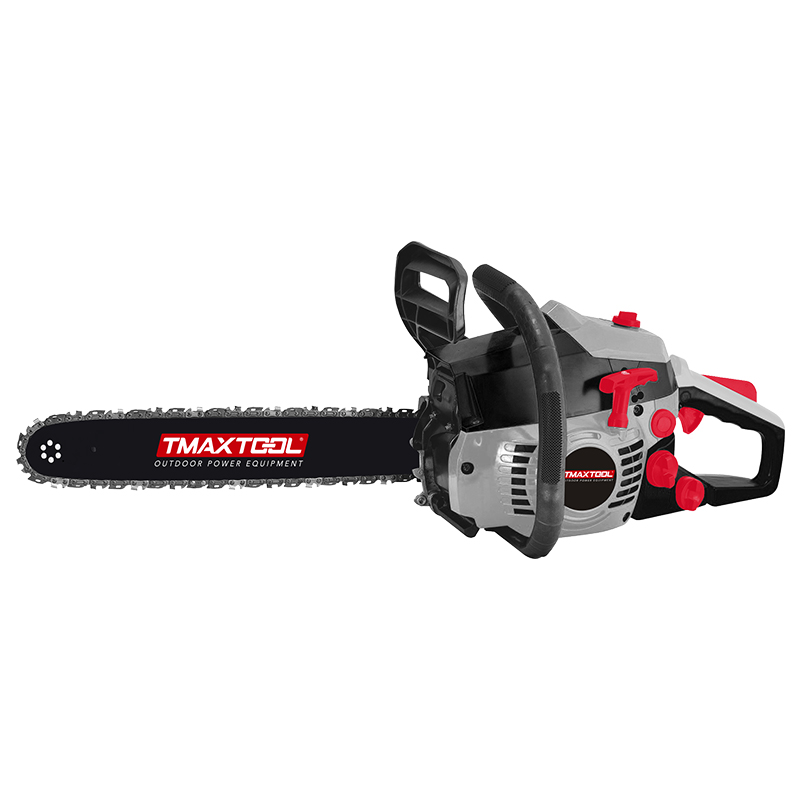 Chain Saw
 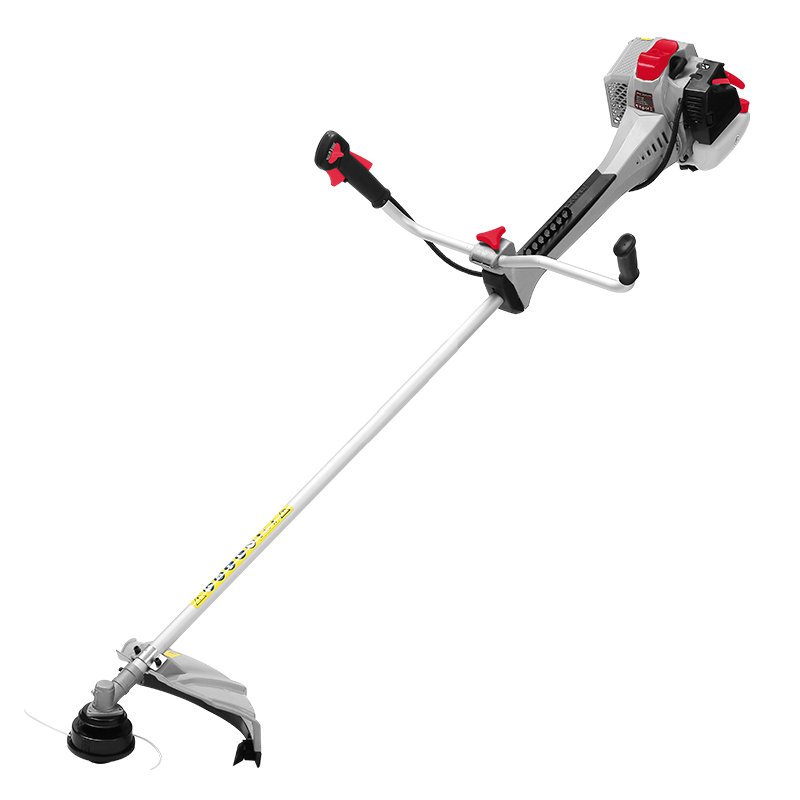 Brush Cutter
 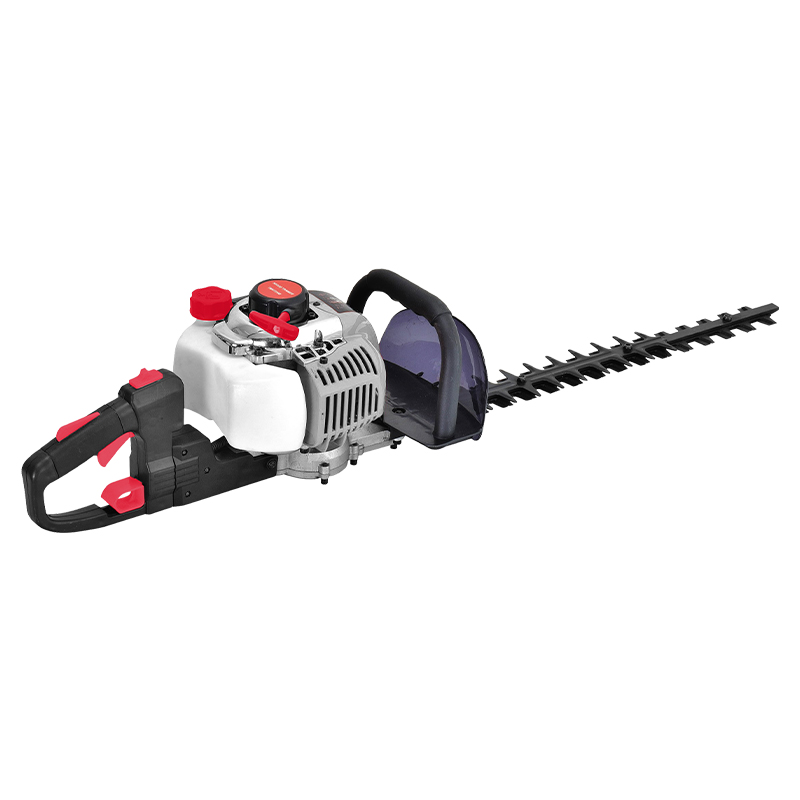 Hedge Trimmer
 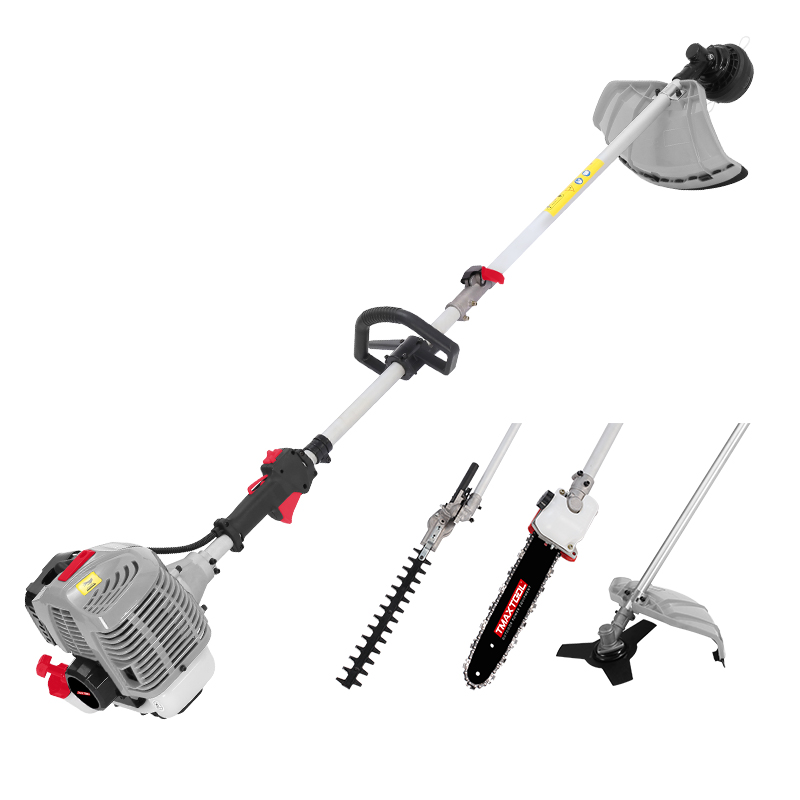 Multi Tool
 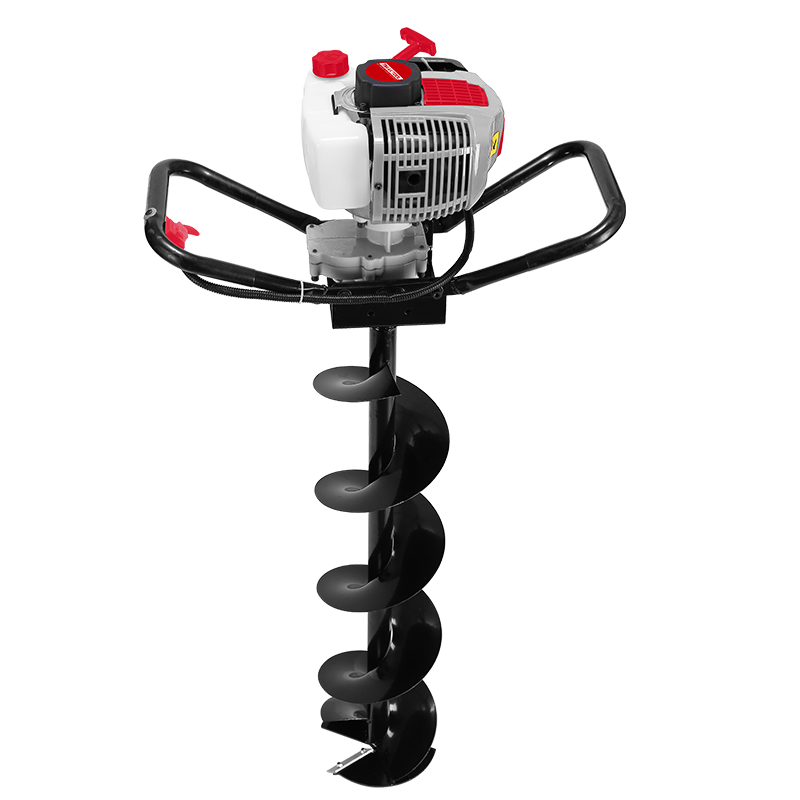 Earth Auger
 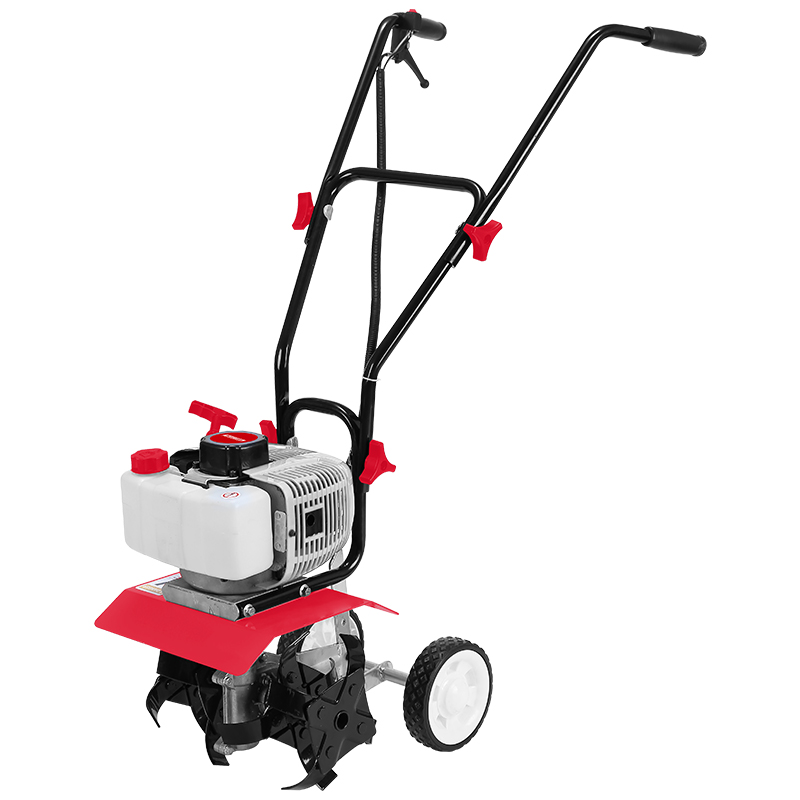 Tiller
 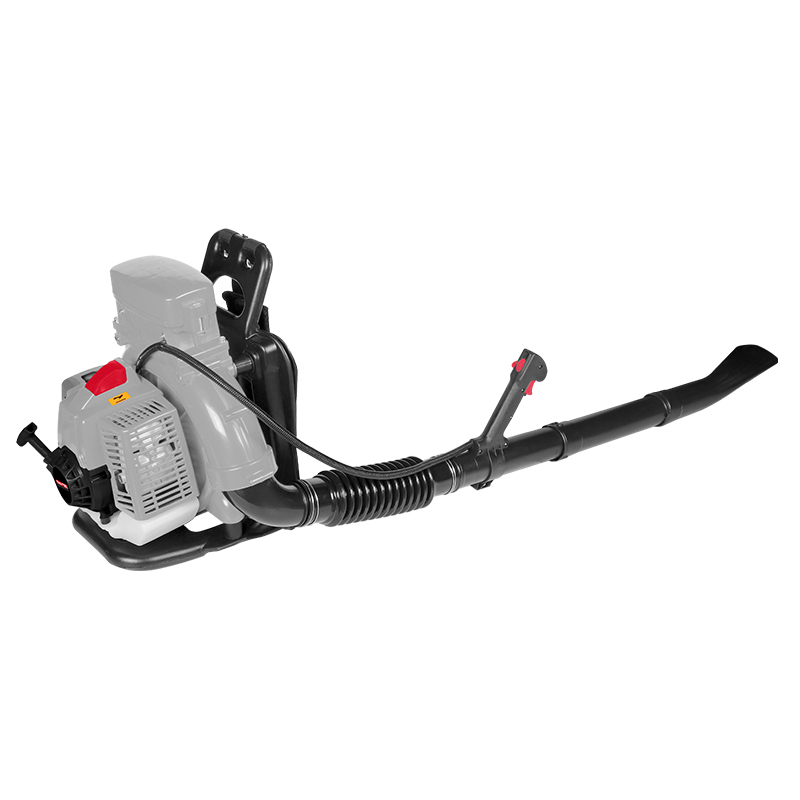 Blower
 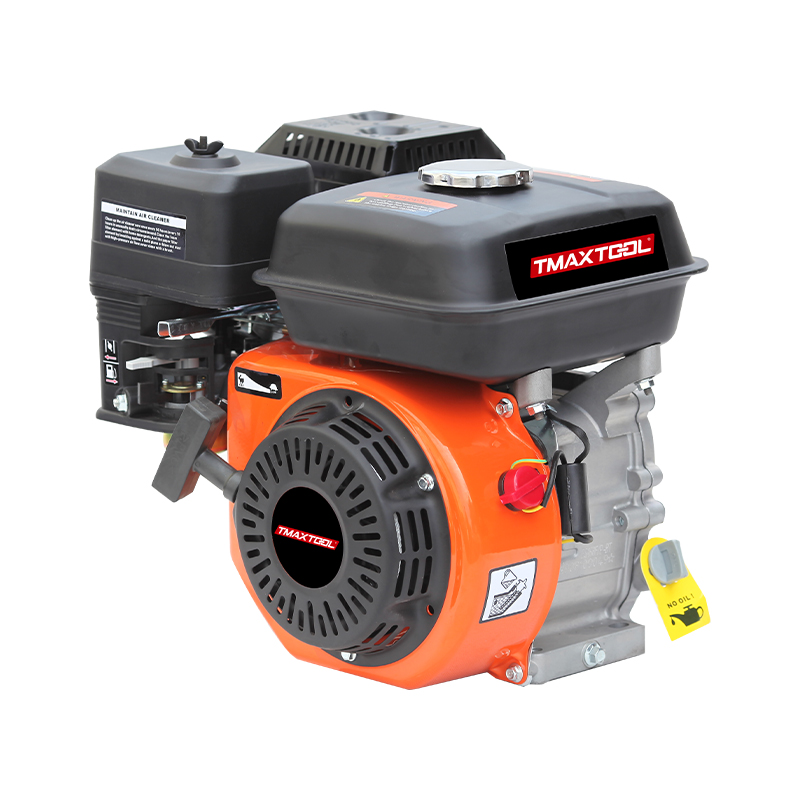 4 Stroke Gasoline Engine
 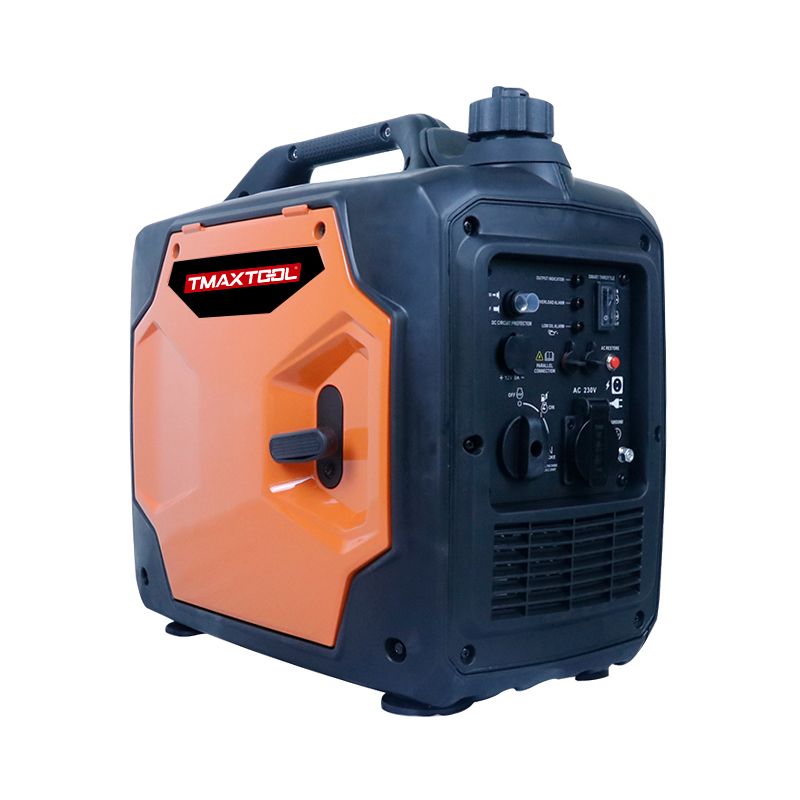 Generator
 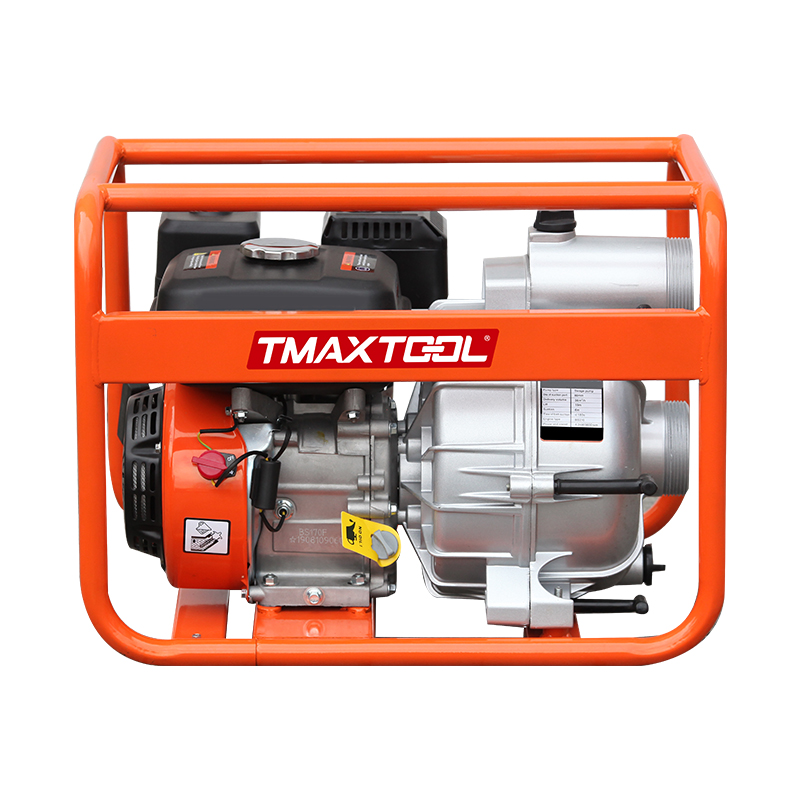 Water Pump
 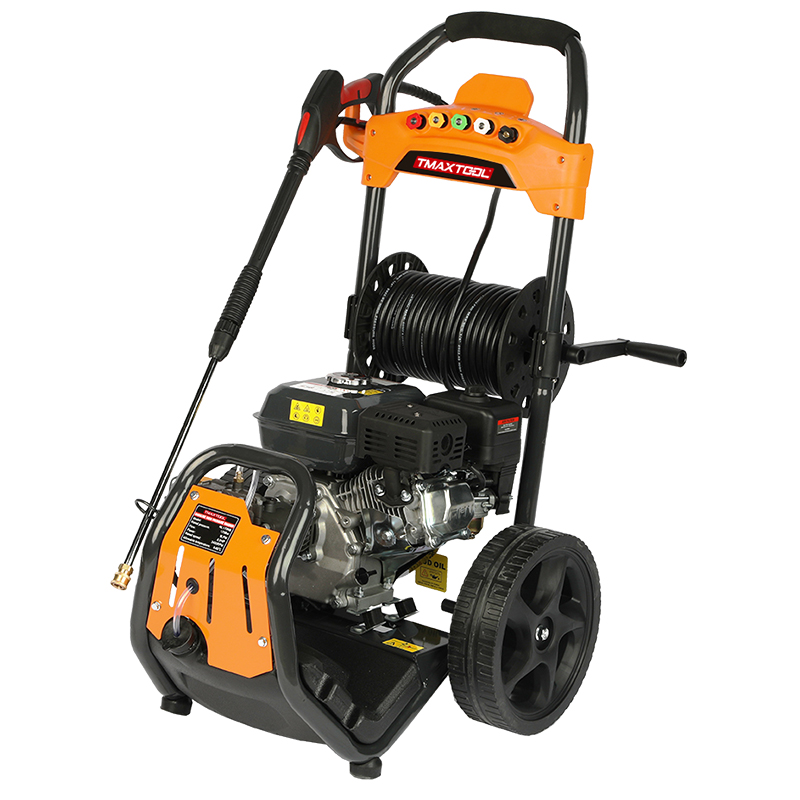 High Pressure Washer
 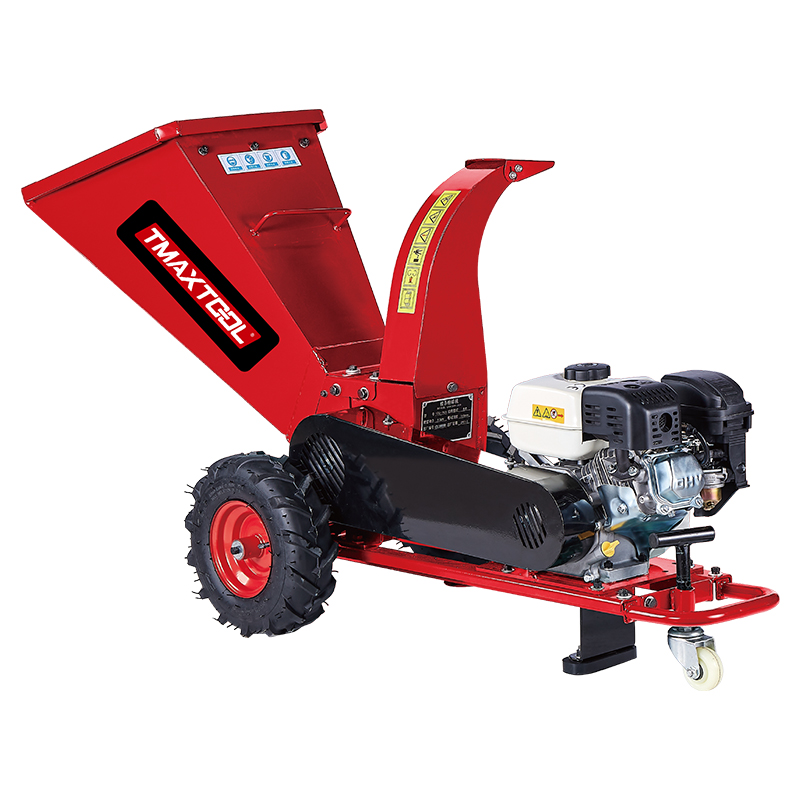 Wood Cutter
 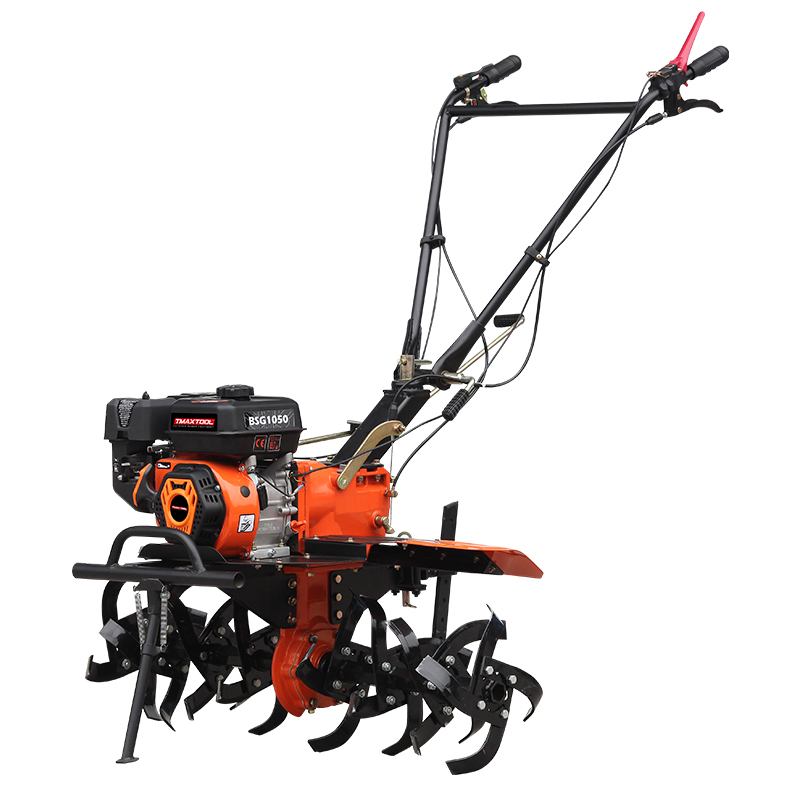 4 Stroke Tiller
 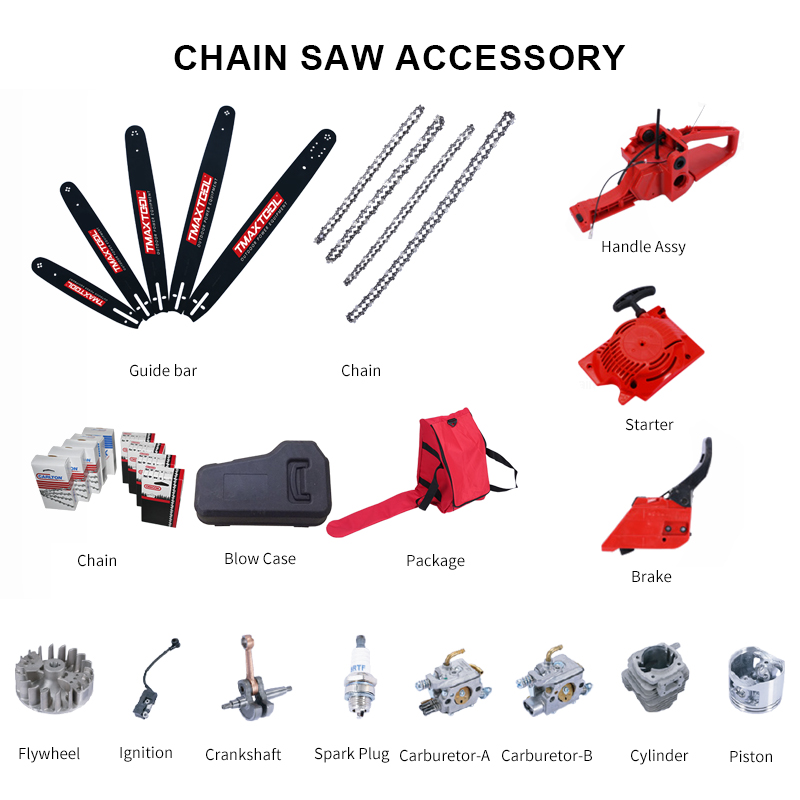 Chain Saw Accessory
 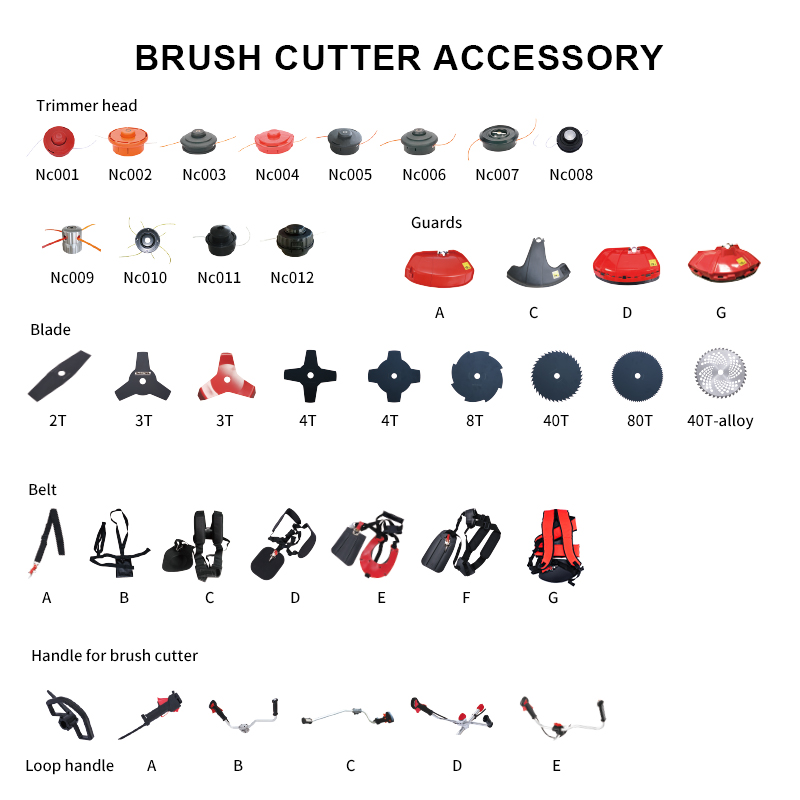 Brush Cutter Accessory
 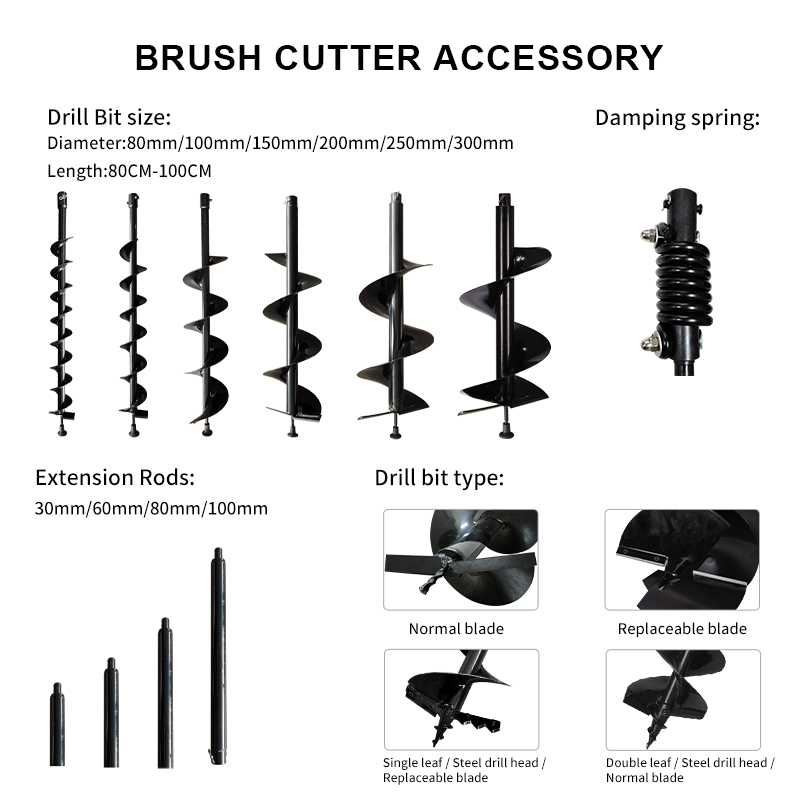 Earth Auger Accessory
 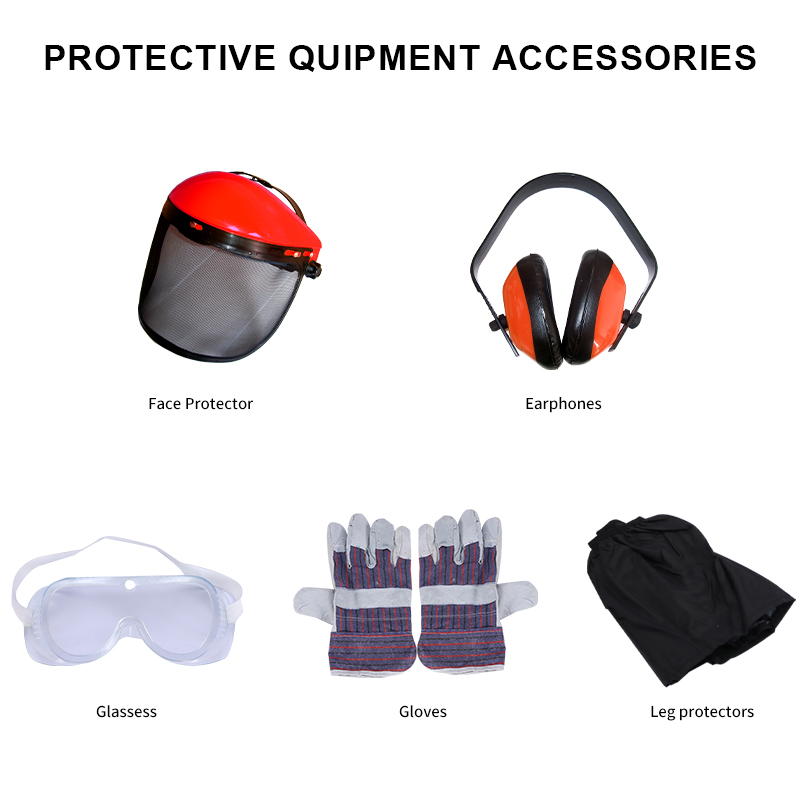 Protective Equipment Accessories
Leave Your Message


You may not know all these hidden functions of the tape measure!
A tape measure is a tool used for measuring length. It usually consists of a soft tape with scales and a casing. It plays a crucial role in both our daily life and professional fields. Whether it is construction workers, carpenters, engineers, or ordinary household users, they all regard it as an essential measuring instrument. This article will delve into the classification of tape measures and the common misunderstandings in their usage.
First, classified by material
Steel tape measure rolls: Steel tape measures are generally in a strip shape and come in several lengths such as 3 meters, 5 meters, 10 meters or 20 meters. Made of steel, it is sturdy and durable, and suitable for fields such as construction, decoration, and engineering surveying.
Fiber tape measure: The main structure of a fiber tape measure consists of a hook or pull ring ruler head, fiber tape, a crank, a ruler box or a metal (plastic) frame, etc. Its material is usually PVC plastic, which is soft and flexible, and easy to carry. It is suitable for measuring the length of larger venues, such as in garden planning and track and field measurement.

Second, classify by function
Ordinary tape measure: The ordinary tape measure has the basic function of measuring length. It has a simple structure and is easy to operate. It is widely used in daily life and various general measurement tasks.
The Lu Ban Ruler (Feng Shui Ruler) : Integrating feng shui scales, it is used in architecture and home layout, meeting feng shui considerations, and is suitable for scenarios such as house construction and interior design.
Depth steel tape measure: The depth steel tape measure is mainly used to measure the depth of liquids. One end of the tape is equipped with a heavy hammer, which can be placed vertically in the liquid for measurement. It is usually used in conjunction with other measuring tools.
Self-winding tape measure: The self-winding tape measure is equipped with an automatic retraction device. After use, the tape can be automatically retracted into the tape housing, which is convenient and fast, avoiding entanglement or damage to the tape. It is suitable for occasions where tape measures are frequently used and need to be quickly stored, such as factory workshops, logistics warehouses, etc.

Third, misunderstandings in usage
1. Improper measurement method
(1) Not tightening the ruler tape: When measuring long distances, if the ruler tape is not tightened and left to bend or loosen, the measurement result will be longer than the actual length, especially when using a fiber tape measure, this situation is more likely to occur.
(2) Inaccurate measurement Angle: The tape measure should be kept in the same horizontal or vertical direction as the object being measured for measurement. If the measurement Angle is tilted, it will cause deviations in the measurement results. For instance, when measuring the height of a wall, if the tape measure is tilted against the wall, the measured value will be less than the actual height.
2. Misunderstandings about precision
(1) Believing that the precision of all tape measures is the same: The precision of tape measures of different types and brands may vary. Steel tape measures are usually more precise than fiber tape measures, but even for the same type of tape measures, there may be different precision grades due to quality differences. For instance, low-quality steel tape measures may experience problems such as scale wear and deformation after long-term use, which can affect measurement accuracy.
(2) Ignore the influence of temperature on the tape measure: The length of the tape measure will change slightly with temperature variations. In high-precision measurement, if the temperature factor is not taken into account, it may lead to measurement errors. For instance, the length of a steel tape measure may vary in hot summer and cold winter.
3. Misinterpreting the scale
(1) Misreading the smallest scale: A tape measure usually has scales such as centimeters and millimeters. When reading the measurement results, if the smallest scale is not carefully distinguished, it may lead to incorrect readings. For instance, misreading a millimeter scale as a centimeter scale can cause the measurement results to differ by ten times.
(2) Ignoring scale wear: A tape measure that has been in use for a long time may experience scale wear. If this is not checked and readings are still taken based on the worn scale, significant measurement errors will occur.
